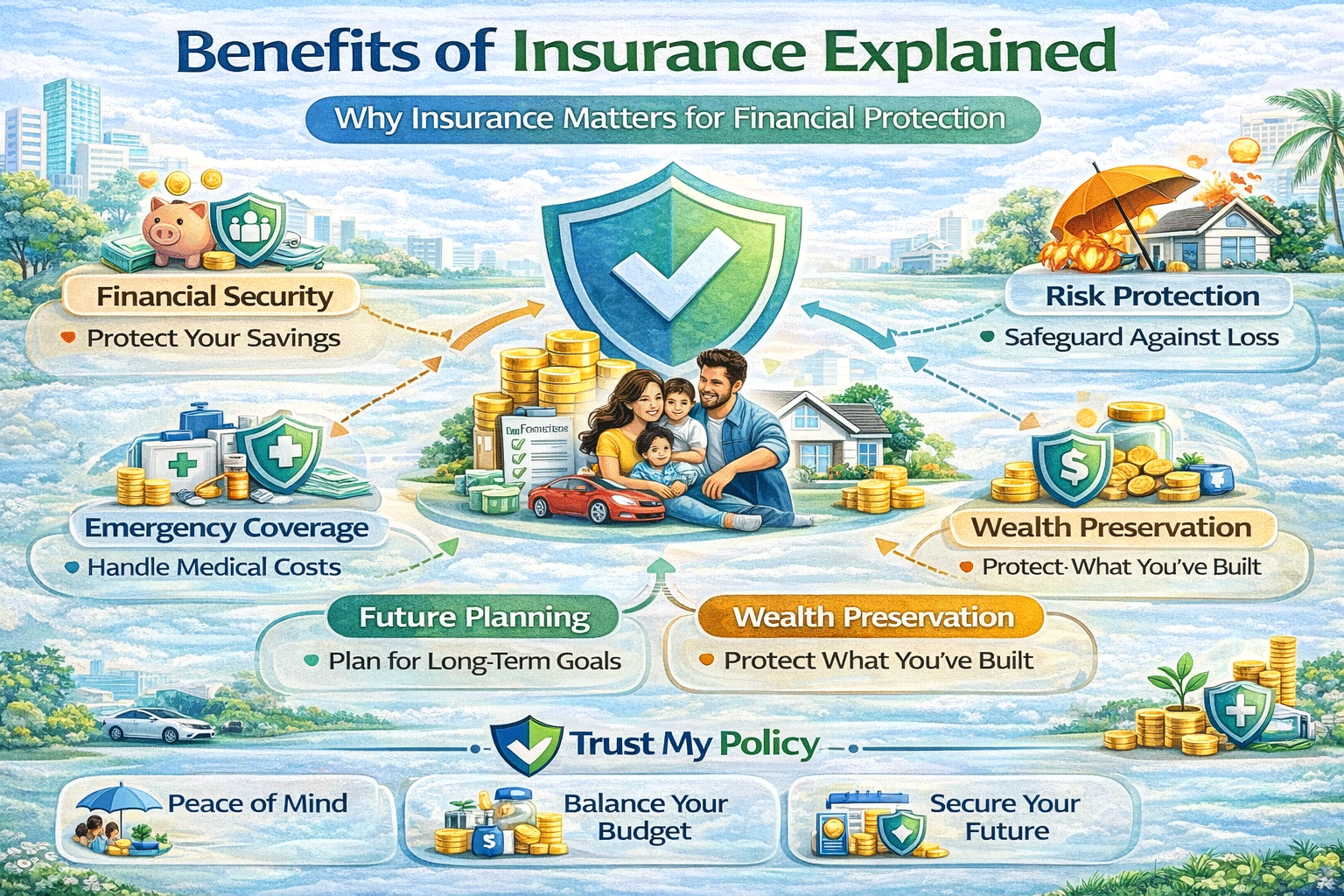
Benefits of Insurance Explained: Why Insurance Matters for Financial Protection
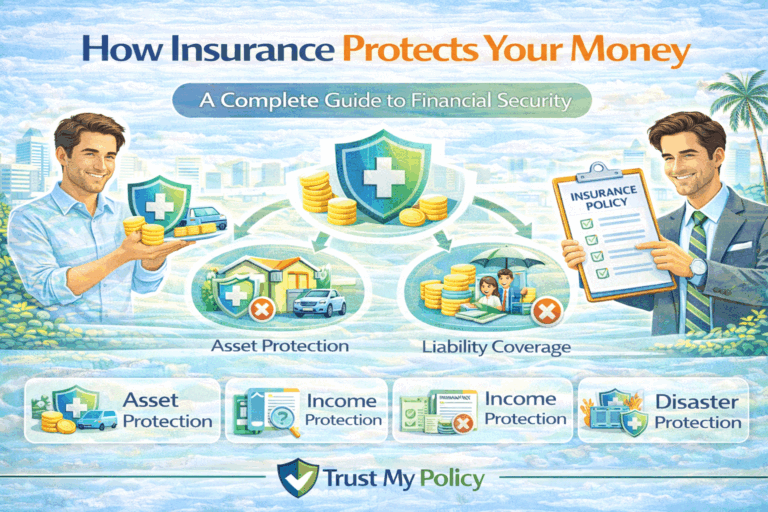
Insurance plays an important role in modern financial planning. Life is full of uncertainties, and unexpected events such as accidents, illness, natural disasters, or property damage can create serious financial challenges. Insurance helps individuals and families manage these risks by providing financial protection during difficult situations.
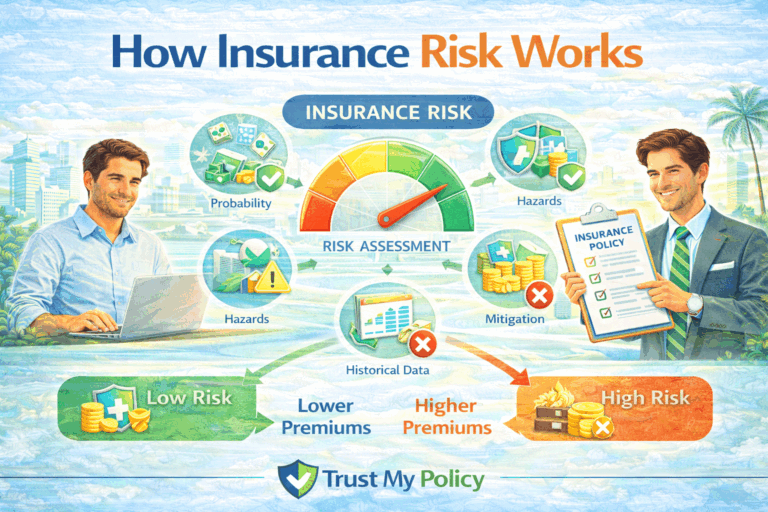
Understanding the benefits of insurance can help people make informed decisions about protecting their health, property, income, and loved ones. Insurance works by spreading financial risk across many policyholders. Instead of facing large unexpected expenses alone, people contribute smaller payments known as premiums, and the insurer helps cover eligible losses.
For individuals, businesses, and families around the world, insurance provides more than just financial support. It offers peace of mind, stability, and the ability to recover after unexpected events.
This article explains the benefits of insurance, how insurance works, why it is important, and the situations where it can help protect financial security.
Key Benefits of Insurance
| Benefit | What It Means | Why It Matters |
|---|---|---|
| Financial Protection | Helps cover losses caused by accidents, illness, or damage | Prevents large unexpected expenses |
| Risk Management | Shares financial risk across many people | Reduces individual financial burden |
| Peace of Mind | Provides confidence during uncertain situations | Reduces stress about potential losses |
| Protection for Family | Supports dependents if something happens to the policyholder | Ensures financial stability for loved ones |
| Support During Emergencies | Helps pay for medical bills, repairs, or recovery | Allows faster recovery after loss |
| Encourages Financial Planning | Helps people prepare for unexpected situations | Promotes responsible money management |
| Business Protection | Protects companies from major financial losses | Supports business continuity |
, benefits, and financial protection options available to policyholders. Many readers compare multiple guides before selecting a plan so they can clearly evaluate premiums, claim procedures, and long‑term advantages. A useful resource to explore is Life Insurance for Business Owners, which explains how this insurance policy works, the key benefits it offers, and situations where it may be the most suitable option. By reviewing this guide, you can gain deeper insights into coverage features, eligibility requirements, and practical tips that help individuals and families make smarter insurance decisions.
What Is Insurance?
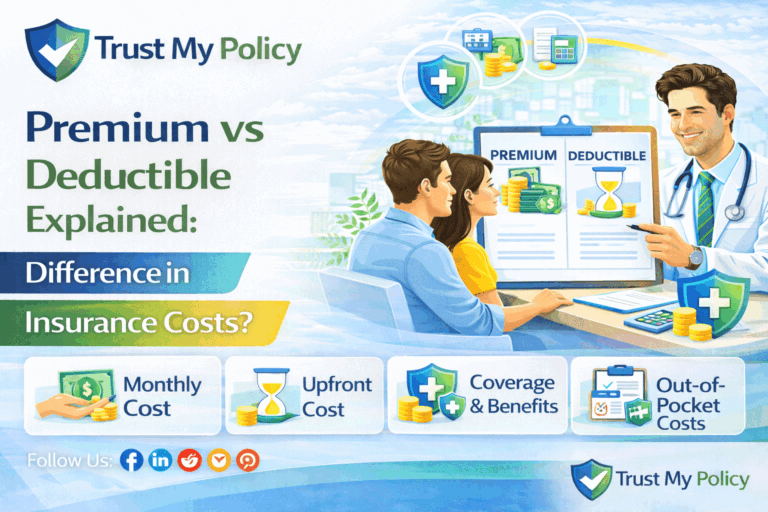
Insurance is a financial agreement between a policyholder and an insurance provider. In this agreement, the policyholder pays a regular amount known as a premium, and in return the insurer agrees to provide financial support if a covered event occurs.
Covered events depend on the type of insurance policy and may include:
-
Accidents
-
Medical emergencies
-
Property damage
-
Loss of income
-
Natural disasters
-
Death of the policyholder
Insurance does not eliminate risk. Instead, it reduces the financial impact of unexpected events.
Key Elements of Insurance
Every insurance policy typically includes:
-
Premium – The amount paid to maintain coverage
-
Coverage – The types of risks or events included in the policy
-
Deductible – The amount the policyholder pays before insurance coverage begins
-
Policy Limit – The maximum amount the insurer will pay
Why Insurance Is Important
Insurance provides financial security in a world where unexpected situations can happen at any time.
Without insurance, people may face large financial losses that can affect savings, income, and long-term financial goals.
Some of the main reasons insurance is important include:
-
Protection against unexpected financial loss
-
Access to medical care or emergency support
-
Protection for family members and dependents
-
Support for rebuilding after disasters
-
Protection for businesses and employees
For many people, insurance is a key part of long-term financial stability.
, benefits, and financial protection options available to policyholders. Many readers compare multiple guides before selecting a plan so they can clearly evaluate premiums, claim procedures, and long‑term advantages. A useful resource to explore is Insurance Claim Process , which explains how this insurance policy works, the key benefits it offers, and situations where it may be the most suitable option. By reviewing this guide, you can gain deeper insights into coverage features, eligibility requirements, and practical tips that help individuals and families make smarter insurance decisions.
Types of Insurance That Provide Key Benefits
Different types of insurance provide protection in different areas of life.
Health Insurance
Health insurance helps cover medical costs such as:
-
Doctor visits
-
Hospital treatment
-
Surgeries
-
Prescription medications
-
Preventive care
This type of insurance helps reduce the financial burden of healthcare.
Life Insurance
Life insurance provides financial support to beneficiaries if the insured person passes away.
Benefits may help cover:
-
Living expenses for dependents
-
Education costs
-
Debt repayment
-
Funeral expenses
Property Insurance
Property insurance protects assets such as homes or buildings against damage caused by:
-
Fire
-
Theft
-
Storms
-
Natural disasters
Auto Insurance
Auto insurance helps cover costs related to vehicle accidents, including:
-
Vehicle repair
-
Medical expenses
-
Liability for injuries or damages
Travel Insurance
Travel insurance protects travelers from financial losses related to:
-
Trip cancellations
-
Medical emergencies abroad
-
Lost baggage
-
Travel delays
Detailed Comparison Table: Insurance Benefits by Type
| Type of Insurance | Primary Purpose | Who It Helps | Common Coverage Areas |
|---|---|---|---|
| Health Insurance | Covers medical expenses | Individuals and families | Hospitalization, treatment |
| Life Insurance | Provides financial support after death | Families and dependents | Income replacement |
| Property Insurance | Protects buildings and assets | Homeowners and property owners | Fire, theft, disasters |
| Auto Insurance | Covers vehicle accidents | Drivers and vehicle owners | Damage, liability |
| Travel Insurance | Protects travelers during trips | Tourists and travelers | Medical care, cancellations |
| Business Insurance | Protects companies from losses | Businesses | Liability, property damage |
, benefits, and financial protection options available to policyholders. Many readers compare multiple guides before selecting a plan so they can clearly evaluate premiums, claim procedures, and long‑term advantages. A useful resource to explore is How to Choose an Insurance Policy, which explains how this insurance policy works, the key benefits it offers, and situations where it may be the most suitable option. By reviewing this guide, you can gain deeper insights into coverage features, eligibility requirements, and practical tips that help individuals and families make smarter insurance decisions.
Major Benefits of Insurance
1. Financial Protection Against Loss
The most important benefit of insurance is financial protection.
Unexpected events can create large expenses, such as:
-
Medical bills
-
Property repairs
-
Legal costs
-
Replacement of damaged assets
Insurance helps reduce these financial risks.
2. Risk Sharing
Insurance works by spreading risk across a large group of policyholders.
This system ensures that:
-
Individuals do not carry the full financial burden of loss
-
Losses are shared among many people
This process is known as risk pooling.
3. Peace of Mind
Knowing that financial support is available during difficult situations can reduce stress.
Insurance allows people to feel more secure about:
-
Their health
-
Their family’s future
-
Their financial stability
4. Protection for Family Members
Many insurance policies are designed to protect dependents.
Life insurance and health insurance can help ensure that family members are financially supported during difficult times.
5. Access to Healthcare and Emergency Support
Health insurance improves access to healthcare services by helping cover treatment costs.
This allows people to seek medical care without worrying about extremely high bills.
6. Encourages Savings and Financial Discipline
Insurance encourages individuals to think about future risks and financial planning.
Regular premium payments promote responsible financial habits.
7. Supports Economic Stability
Insurance helps both individuals and businesses recover from losses.
This contributes to broader economic stability because people and companies can rebuild after disasters or financial shocks.
Pros and Cons of Insurance
Pros
-
Provides financial protection
-
Reduces risk of major financial loss
-
Offers peace of mind
-
Protects family members and dependents
-
Supports recovery after accidents or disasters
-
Encourages financial planning
-
Helps businesses manage risks
Cons
-
Requires regular premium payments
-
Some policies include deductibles
-
Coverage may have limits or exclusions
-
Not all types of damage or losses are covered
-
Claims may require documentation and verification
Understanding these factors helps people choose appropriate coverage.
, benefits, and financial protection options available to policyholders. Many readers compare multiple guides before selecting a plan so they can clearly evaluate premiums, claim procedures, and long‑term advantages. A useful resource to explore is How Insurance Policies Are Designed, which explains how this insurance policy works, the key benefits it offers, and situations where it may be the most suitable option. By reviewing this guide, you can gain deeper insights into coverage features, eligibility requirements, and practical tips that help individuals and families make smarter insurance decisions.
Real-Life Examples of Insurance Benefits
Example 1: Medical Emergency
A person experiences a serious illness and requires hospitalization.
Without insurance:
-
The medical bills may be extremely expensive.
With health insurance:
-
The insurer may cover a large portion of the treatment cost.
Example 2: Car Accident
A driver is involved in an accident that damages their vehicle.
Auto insurance can help cover:
-
Vehicle repairs
-
Medical costs
-
Liability for damage to other vehicles
Example 3: Natural Disaster
A severe storm damages a home.
Property insurance may help cover:
-
Repair costs
-
Replacement of damaged property
Example 4: Financial Protection for Family
A person with dependents has life insurance.
If the insured person passes away, the beneficiaries may receive financial support to cover:
-
Living expenses
-
Education
-
Debt payments
Common Mistakes or Misunderstandings About Insurance
Many people misunderstand how insurance works. Some common mistakes include:
1. Believing Insurance Covers Everything
Insurance policies contain specific coverage limits and exclusions.
Not every type of loss is covered.
2. Choosing Coverage Only Based on Price
Selecting the cheapest policy may lead to inadequate coverage.
It is important to review:
-
Coverage limits
-
Deductibles
-
Exclusions
3. Ignoring Policy Terms
Many people do not read the policy details carefully.
Understanding policy conditions helps avoid surprises during claims.
4. Delaying Insurance Purchase
Waiting too long to purchase insurance may lead to:
-
Higher premiums
-
Limited coverage options
5. Not Updating Policies
Life changes such as marriage, new property, or business growth may require updated coverage.
Frequently Asked Questions (FAQs)
What are the main benefits of insurance?
The main benefits of insurance include financial protection, risk management, peace of mind, support during emergencies, and protection for family members.
Why is insurance important?
Insurance is important because it helps people manage financial risks and recover from unexpected events such as accidents, illness, or property damage.
How does insurance protect individuals?
Insurance protects individuals by helping cover the costs of losses or damages that would otherwise require large out-of-pocket payments.
Is insurance necessary for everyone?
Insurance needs vary depending on personal circumstances, but many people benefit from insurance because it provides financial security during uncertain situations.
What types of insurance are most common?
Some common types include health insurance, life insurance, auto insurance, property insurance, and travel insurance.
How does insurance reduce financial risk?
Insurance reduces financial risk by spreading potential losses among many policyholders through premium payments.
Can insurance help businesses?
Yes. Businesses use insurance to protect against risks such as property damage, legal liability, and operational interruptions.
, benefits, and financial protection options available to policyholders. Many readers compare multiple guides before selecting a plan so they can clearly evaluate premiums, claim procedures, and long‑term advantages. A useful resource to explore is Health Insurance Claim Process, which explains how this insurance policy works, the key benefits it offers, and situations where it may be the most suitable option. By reviewing this guide, you can gain deeper insights into coverage features, eligibility requirements, and practical tips that help individuals and families make smarter insurance decisions.
Conclusion
Insurance is an essential financial tool that helps individuals, families, and businesses manage risk and protect their financial future. By sharing risk across many people, insurance reduces the financial burden of unexpected events such as accidents, medical emergencies, or property damage.
The benefits of insurance include financial protection, peace of mind, family security, and the ability to recover from difficult situations. Insurance also encourages responsible financial planning and supports economic stability.
However, understanding policy terms, coverage limits, and exclusions is important when choosing insurance coverage. By learning how insurance works and why it matters, people can make informed decisions that support long-term financial security.
Disclaimer: This article is for educational purposes only. Trust My Policy is an independent informational platform and does not sell insurance products or represent any insurance provider. Readers should consult official policy documents or licensed professionals for personalized advice.