Health Insurance for Independent Contractors: Coverage Options, Costs, and Key Considerations
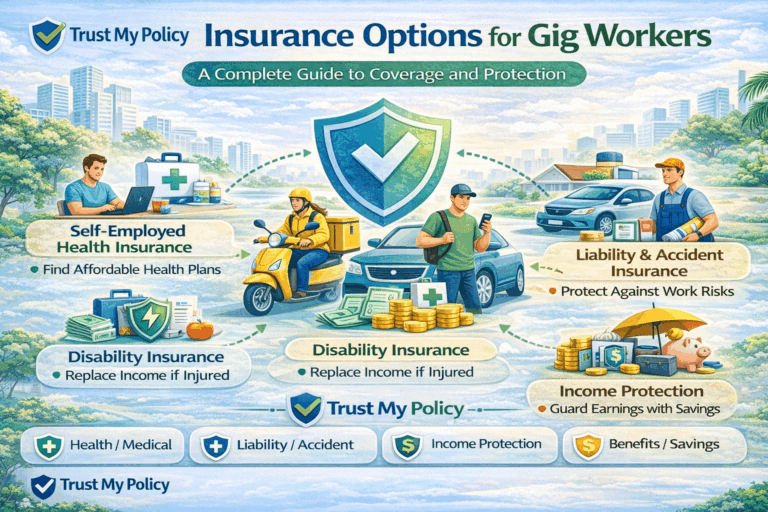
Independent contractors are an important part of the modern workforce. Many professionals today work as freelancers, consultants, gig workers, or self-employed specialists rather than traditional employees. While this type of work offers flexibility and independence, it also comes with certain responsibilities. One of the most important responsibilities is arranging health insurance for independent contractors.
Unlike traditional employees, independent contractors usually do not receive employer-sponsored health insurance. This means they must find and purchase their own health coverage. Without insurance, healthcare expenses such as hospital visits, doctor consultations, medications, and emergency treatments can become very expensive.
Understanding health insurance for independent contractors helps freelancers and self-employed professionals manage medical costs and protect their financial stability. Many coverage options are available depending on the country, insurance regulations, and individual needs.
This guide explains how health insurance works for independent contractors, the types of coverage available, how insurance costs are calculated, and the key factors individuals should consider before choosing a policy.
Health Insurance for Independent Contractors
| Feature | Explanation | Example | Why It Matters |
|---|---|---|---|
| Individual Health Insurance | Policy purchased by a single person | Freelancer buying a personal plan | Provides independent healthcare coverage |
| Family Health Insurance | Coverage for multiple family members | Contractor covering spouse and children | Simplifies healthcare protection |
| Premium | Monthly payment for insurance | Regular monthly fee | Determines affordability |
| Deductible | Amount paid before insurance coverage begins | First portion of medical costs | Affects out-of-pocket spending |
| Preventive Care | Routine health services | Checkups or vaccinations | Helps maintain long-term health |
, benefits, and financial protection options available to policyholders. Many readers compare multiple guides before selecting a plan so they can clearly evaluate premiums, claim procedures, and long‑term advantages. A useful resource to explore is How Insurance Policies Are Designed, which explains how this insurance policy works, the key benefits it offers, and situations where it may be the most suitable option. By reviewing this guide, you can gain deeper insights into coverage features, eligibility requirements, and practical tips that help individuals and families make smarter insurance decisions.
What Is Health Insurance for Independent Contractors?
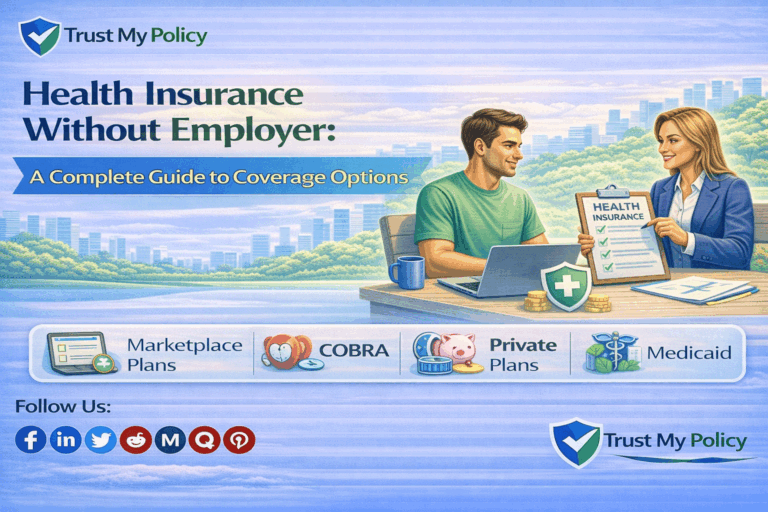
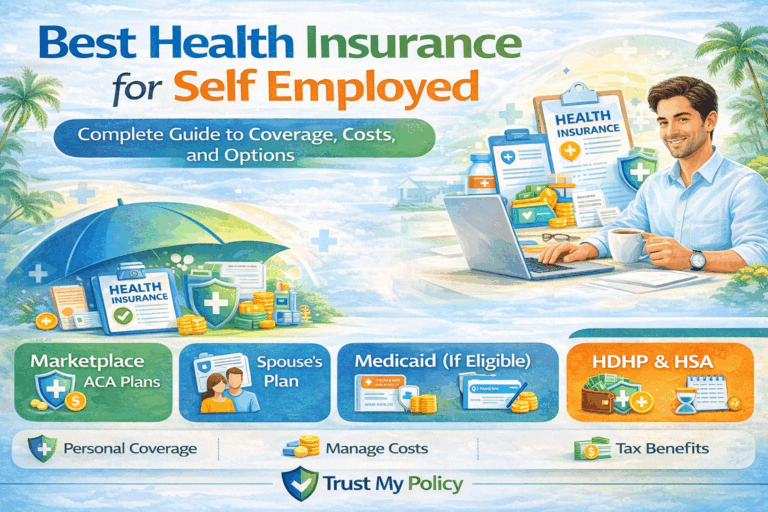
Health insurance for independent contractors refers to medical insurance policies purchased directly by self-employed individuals who do not receive health benefits through an employer.
Independent contractors often include:
-
Freelancers
-
Consultants
-
Gig economy workers
-
Self-employed professionals
-
Contract-based workers
These individuals must arrange their own health coverage to protect themselves from medical expenses.
Health insurance policies help cover costs such as:
-
Doctor consultations
-
Hospitalization
-
Emergency care
-
Prescription medications
-
Preventive healthcare services
Having insurance allows contractors to access healthcare services while reducing financial risks.
Why Independent Contractors Need Health Insurance
Health insurance plays an important role in protecting both health and financial stability for self-employed individuals.
Protection From High Medical Costs
Healthcare treatments can be expensive. Insurance helps reduce the cost of medical services.
Financial Stability
Unexpected medical emergencies can create large financial burdens for independent workers.
Access to Healthcare Providers
Insurance policies may allow access to hospitals, doctors, and specialized healthcare services.
Preventive Health Benefits
Routine checkups and preventive care help detect health issues early.
, benefits, and financial protection options available to policyholders. Many readers compare multiple guides before selecting a plan so they can clearly evaluate premiums, claim procedures, and long‑term advantages. A useful resource to explore is How Car Insurance Claims Work, which explains how this insurance policy works, the key benefits it offers, and situations where it may be the most suitable option. By reviewing this guide, you can gain deeper insights into coverage features, eligibility requirements, and practical tips that help individuals and families make smarter insurance decisions.
Types of Health Insurance Available for Independent Contractors
Independent contractors usually have several options for health insurance coverage depending on their location and eligibility.
Individual Health Insurance Plans
Individual health insurance is one of the most common choices for independent contractors.
These plans are purchased directly by individuals and may include coverage for:
-
Doctor visits
-
Hospital stays
-
Prescription medications
-
Preventive healthcare services
Individual plans allow contractors to select coverage that fits their needs and budget.
Family Health Insurance Plans
Family health insurance plans cover multiple family members under a single policy.
Coverage may include:
-
Spouses
-
Children
-
Dependents
These plans simplify healthcare management for families.
Short-Term Health Insurance
Short-term health insurance may provide temporary medical coverage for a limited period.
Examples include:
-
Contractors between long-term insurance plans
-
Individuals waiting for new coverage to begin
-
Temporary work transitions
Coverage benefits may vary depending on regional regulations.
Government-Supported Healthcare Programs
Some countries provide government-supported healthcare programs that independent contractors may qualify for based on income or other criteria.
Eligibility may depend on:
-
Income level
-
Age
-
Disability status
-
Residency status
These programs vary widely depending on national healthcare systems.
Detailed Comparison: Health Insurance Options for Independent Contractors
| Feature | Individual Plan | Family Plan | Short-Term Plan |
|---|---|---|---|
| Coverage Scope | One person | Entire family | Temporary coverage |
| Policy Duration | Long-term | Long-term | Short-term |
| Premium Cost | Based on individual factors | Based on family size | Often lower but limited |
| Coverage Level | Moderate to comprehensive | Broad family protection | Limited coverage |
| Best For | Freelancers or solo contractors | Contractors with families | Temporary coverage needs |
, benefits, and financial protection options available to policyholders. Many readers compare multiple guides before selecting a plan so they can clearly evaluate premiums, claim procedures, and long‑term advantages. A useful resource to explore is Liability Insurance for Businesses, which explains how this insurance policy works, the key benefits it offers, and situations where it may be the most suitable option. By reviewing this guide, you can gain deeper insights into coverage features, eligibility requirements, and practical tips that help individuals and families make smarter insurance decisions.
Important Components of Health Insurance Policies
Understanding common insurance terms helps independent contractors evaluate policies more effectively.
Premium
The premium is the regular payment made to maintain an active health insurance policy.
Premiums are typically paid monthly.
Deductible
The deductible is the amount an insured person must pay before the insurance provider begins covering certain medical expenses.
Higher deductibles usually lower monthly premiums.
Copayment
A copayment is a fixed fee paid when receiving certain medical services, such as doctor visits or prescriptions.
Coverage Limits
Some policies may set limits on how much the insurance company will pay for certain treatments or services.
Understanding these limits helps contractors estimate potential costs.
Factors That Affect Health Insurance Costs
Several factors influence the cost of health insurance for independent contractors.
Age
Older individuals may face higher premiums because healthcare needs tend to increase with age.
Location
Healthcare costs and insurance pricing may vary depending on geographic region.
Coverage Level
Plans offering broader protection or lower deductibles usually have higher premiums.
Family Size
Insurance plans covering multiple family members may increase total costs.
Health Status
Medical history and health conditions may affect pricing depending on regulations in different countries.
Pros and Cons of Health Insurance for Independent Contractors
Advantages
-
Helps manage expensive medical treatments
-
Provides access to healthcare providers
-
Supports financial stability during emergencies
-
Allows individuals to choose coverage that fits their needs
Limitations
-
Premium costs may be higher without employer contributions
-
Deductibles and copayments may increase out-of-pocket expenses
-
Policy terms vary widely between insurance providers
-
Some services may have coverage limits
Understanding these advantages and limitations helps contractors make informed decisions.
Real-Life Examples
Example 1: Freelance Designer
A freelance graphic designer purchases an individual health insurance plan.
Coverage includes:
-
Doctor consultations
-
Prescription medications
-
Emergency hospital care
Example 2: Contractor With Family
An independent contractor with a spouse and children selects a family health insurance plan.
Coverage includes:
-
Medical services for all family members
-
Preventive healthcare
-
Hospital treatment coverage
Example 3: Temporary Work Transition
A contractor between long-term projects purchases short-term health insurance for temporary protection.
Coverage provides basic medical support during the transition period.
, benefits, and financial protection options available to policyholders. Many readers compare multiple guides before selecting a plan so they can clearly evaluate premiums, claim procedures, and long‑term advantages. A useful resource to explore is Cheapest Car Insurance for Young Drivers, which explains how this insurance policy works, the key benefits it offers, and situations where it may be the most suitable option. By reviewing this guide, you can gain deeper insights into coverage features, eligibility requirements, and practical tips that help individuals and families make smarter insurance decisions.
Common Mistakes Independent Contractors Make
Choosing Insurance Based Only on Price
Low-cost plans may have limited coverage or high deductibles.
Not Understanding Coverage Details
Contractors should review what services are included and excluded.
Ignoring Preventive Healthcare Benefits
Preventive services can help identify health issues early.
Not Comparing Policy Options
Evaluating multiple insurance plans helps individuals understand different coverage levels and costs.
Frequently Asked Questions (FAQs)
What is health insurance for independent contractors?
It is medical insurance purchased by self-employed individuals who do not receive employer-sponsored health coverage.
Do freelancers need health insurance?
Health insurance helps freelancers manage medical costs and access healthcare services.
Can independent contractors buy individual health insurance?
Yes. Many contractors purchase individual health insurance plans directly from insurance providers.
What factors affect health insurance costs for contractors?
Age, location, coverage level, family size, and healthcare costs may influence premiums.
Can contractors cover their families under one policy?
Yes. Family health insurance plans can include spouses and children.
Do independent contractors qualify for government healthcare programs?
Eligibility depends on national regulations, income levels, and other factors.
, benefits, and financial protection options available to policyholders. Many readers compare multiple guides before selecting a plan so they can clearly evaluate premiums, claim procedures, and long‑term advantages. A useful resource to explore is Individual vs Family Health Insurance, which explains how this insurance policy works, the key benefits it offers, and situations where it may be the most suitable option. By reviewing this guide, you can gain deeper insights into coverage features, eligibility requirements, and practical tips that help individuals and families make smarter insurance decisions.
Conclusion
Understanding health insurance for independent contractors is essential for freelancers, gig workers, and self-employed professionals who must arrange their own healthcare coverage. Without employer-sponsored benefits, independent workers need to carefully evaluate insurance options that protect them from unexpected medical expenses.
Available options may include individual health insurance plans, family coverage, short-term policies, or government-supported programs depending on the country and eligibility criteria. Each option offers different levels of protection and cost structures.
By learning about premiums, deductibles, and coverage limits, independent contractors can compare policies and choose coverage that aligns with their healthcare needs and financial situation. A clear understanding of health insurance options allows contractors to protect both their health and long-term financial stability.
Disclaimer
Disclaimer: This article is for educational purposes only. Trust My Policy is an independent informational platform and does not sell insurance products or represent any insurance provider. Readers should consult official policy documents or licensed professionals for personalized advice.