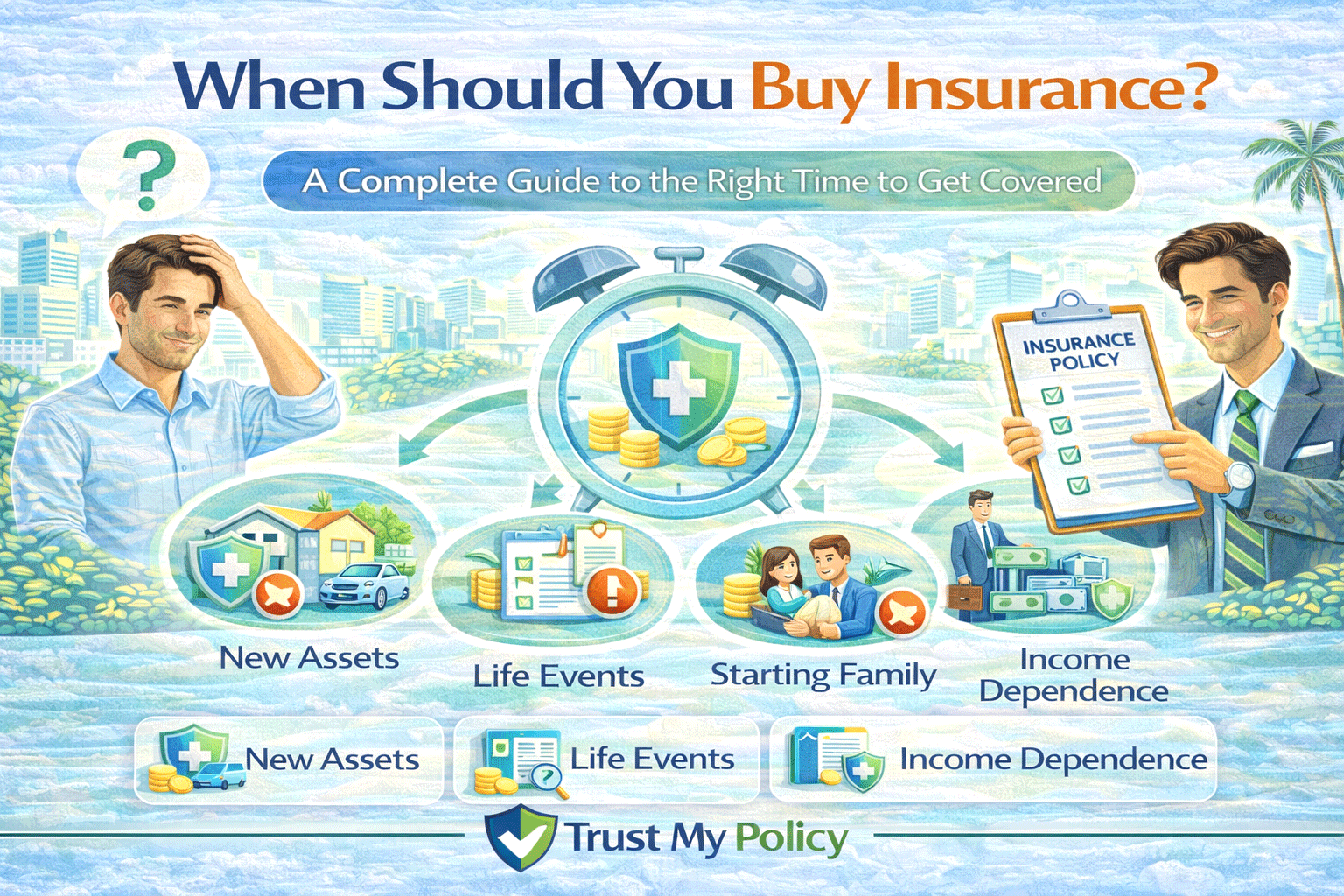
Insurance is one of the most important financial protection tools available today. It helps individuals and families protect themselves from unexpected financial losses caused by accidents, illness, death, property damage, or other risks.
However, many people ask a common question: when should you buy insurance?
Some people delay buying insurance until later in life, while others purchase policies too late when premiums are already high or when health issues arise. Understanding the right time to buy insurance can make a major difference in both coverage and cost.
Buying insurance at the right stage of life helps you:
-
Protect your income and family
-
Reduce financial risk
-
Lock in lower premiums
-
Plan long-term financial security
Different types of insurance—such as life insurance, health insurance, car insurance, home insurance, and disability insurance—are relevant at different life stages.
This guide explains when you should buy insurance, how timing affects premiums and benefits, and the common mistakes people make when purchasing insurance coverage.
When Should You Buy Insurance?
| Situation | Should You Buy Insurance? | Why It Matters |
|---|---|---|
| When you start earning | Yes | Protects income and future financial stability |
| When you have dependents | Very important | Protects family from financial hardship |
| When buying a house | Yes | Property protection and lender requirement |
| When buying a vehicle | Mandatory in many countries | Covers accident and liability risks |
| When starting a family | Strongly recommended | Protects children and spouse |
| When young and healthy | Best time for many policies | Lower premiums and better eligibility |
| When starting a business | Often necessary | Protects business assets and liability |
Key takeaway:
In most cases, the best time to buy insurance is before a risk becomes serious or expensive.
Choosing the right insurance coverage requires understanding different policy types, benefits, and financial protection options available to policyholders. Many readers compare multiple guides before selecting a plan so they can clearly evaluate premiums, claim procedures, and long‑term advantages. A useful resource to explore is Insurance Waiting Period , which explains how this insurance policy works, the key benefits it offers, and situations where it may be the most suitable option. By reviewing this guide, you can gain deeper insights into coverage features, eligibility requirements, and practical tips that help individuals and families make smarter insurance decisions.
What Is Insurance?
Insurance is a financial protection agreement between an individual and an insurance provider.
Under this agreement:
-
The policyholder pays a premium
-
The insurer provides financial compensation for covered losses
Insurance helps individuals manage financial risks that could otherwise cause serious economic damage.
Common Types of Insurance
-
Life insurance
-
Health insurance
-
Auto insurance
-
Home insurance
-
Disability insurance
-
Travel insurance
-
Business insurance
Each type serves a different purpose and is useful at different stages of life.
Why Timing Matters When Buying Insurance
The timing of purchasing insurance can affect:
1. Premium Cost
Premiums are often lower when you are younger and healthier.
2. Eligibility
Health issues may make it harder to qualify for some policies later.
3. Coverage Options
Early buyers often have access to more policy choices.
4. Financial Protection
Waiting too long may leave you exposed to major financial risks.
Detailed Comparison: Early vs Late Insurance Purchase
| Factor | Buying Insurance Early | Buying Insurance Late |
|---|---|---|
| Premium Cost | Usually lower | Usually higher |
| Health Requirements | Easier approval | Possible rejection |
| Policy Options | More choices | Limited options |
| Long-Term Savings | Higher potential savings | Lower cost efficiency |
| Financial Protection | Starts earlier | Risk period without protection |
| Medical Conditions | Less impact | Can significantly affect cost |
Buying insurance early is often considered a risk management strategy rather than just a financial purchase.
Choosing the right insurance coverage requires understanding different policy types, benefits, and financial protection options available to policyholders. Many readers compare multiple guides before selecting a plan so they can clearly evaluate premiums, claim procedures, and long‑term advantages. A useful resource to explore is Business Insurance Cost Factors, which explains how this insurance policy works, the key benefits it offers, and situations where it may be the most suitable option. By reviewing this guide, you can gain deeper insights into coverage features, eligibility requirements, and practical tips that help individuals and families make smarter insurance decisions.
When Should You Buy Life Insurance?
Life insurance provides financial protection for dependents if the insured person dies.
Best Time to Buy Life Insurance
You should consider buying life insurance when:
-
You start earning income
-
You get married
-
You have children
-
You take a large loan (home loan or education loan)
-
Someone depends on your income
Why Early Purchase Helps
Buying life insurance earlier can offer:
-
Lower premiums
-
Long coverage duration
-
Easier approval
Many financial planners suggest purchasing life insurance before major family responsibilities begin.
When Should You Buy Health Insurance?
Health insurance covers medical expenses such as hospitalization, treatment, and medications.
Ideal Time to Buy Health Insurance
The best time is:
-
In your 20s or early 30s
-
When you start working
-
Before developing health issues
Benefits of Buying Early
-
Lower premiums
-
Waiting periods start earlier
-
Protection against rising healthcare costs
Health insurance becomes increasingly important as medical costs continue to rise globally.
When Should You Buy Car Insurance?
Car insurance protects vehicle owners from financial loss caused by accidents, theft, or damage.
When Car Insurance Is Required
You should buy car insurance when:
-
Purchasing a new vehicle
-
Renewing an existing policy
-
Driving in regions where insurance is legally required
In many countries, third-party liability insurance is mandatory for drivers.
Why It Matters
Car insurance can cover:
-
Vehicle repairs
-
Third-party damage
-
Legal liability
-
Theft or natural disasters
Choosing the right insurance coverage requires understanding different policy types, benefits, and financial protection options available to policyholders. Many readers compare multiple guides before selecting a plan so they can clearly evaluate premiums, claim procedures, and long‑term advantages. A useful resource to explore is How Home Insurance Works, which explains how this insurance policy works, the key benefits it offers, and situations where it may be the most suitable option. By reviewing this guide, you can gain deeper insights into coverage features, eligibility requirements, and practical tips that help individuals and families make smarter insurance decisions.
When Should You Buy Home Insurance?
Home insurance protects property and belongings from risks such as:
-
Fire
-
Theft
-
Natural disasters
-
Structural damage
Best Time to Buy Home Insurance
Consider buying home insurance when:
-
Purchasing a home
-
Taking a mortgage loan
-
Renovating or upgrading property
-
Owning valuable belongings
Many mortgage lenders require borrowers to maintain property insurance.
When Should You Buy Disability Insurance?
Disability insurance provides income replacement if a person becomes unable to work due to illness or injury.
Ideal Time to Consider Disability Coverage
You should consider it when:
-
Your income supports your household
-
Your profession depends on physical ability
-
You lack sufficient savings to cover long-term income loss
Disability insurance helps maintain financial stability during unexpected health issues.
Pros and Cons of Buying Insurance Early
Advantages
-
Lower premiums in many cases
-
Better eligibility and coverage options
-
Longer financial protection
-
Easier financial planning
-
Protection during unexpected life events
Disadvantages
-
Requires regular premium payments
-
Some policies may not be immediately necessary
-
Policy terms must be reviewed periodically
Despite these disadvantages, many experts consider early insurance purchase to be a proactive risk management approach.
Choosing the right insurance coverage requires understanding different policy types, benefits, and financial protection options available to policyholders. Many readers compare multiple guides before selecting a plan so they can clearly evaluate premiums, claim procedures, and long‑term advantages. A useful resource to explore is Liability vs Full Coverage Insurance, which explains how this insurance policy works, the key benefits it offers, and situations where it may be the most suitable option. By reviewing this guide, you can gain deeper insights into coverage features, eligibility requirements, and practical tips that help individuals and families make smarter insurance decisions.
Real-Life Situations: When Insurance Becomes Important
Understanding real-life scenarios helps illustrate when buying insurance is most beneficial.
Scenario 1: Young Professional
A 25-year-old professional purchases health insurance early.
Benefits:
-
Lower premiums
-
Waiting periods completed early
-
Coverage before health issues arise
Scenario 2: New Parent
A couple with a newborn buys life insurance.
Benefits:
-
Financial protection for the child
-
Coverage for education and living costs if a parent dies
Scenario 3: First-Time Homebuyer
A homeowner buys property insurance when purchasing a house.
Benefits:
-
Protection from fire or structural damage
-
Mortgage lender requirements satisfied
Scenario 4: Vehicle Owner
A driver purchases auto insurance when buying a car.
Benefits:
-
Legal compliance
-
Coverage for accidents and repairs
These examples show how insurance often becomes necessary when financial responsibilities increase.
Common Mistakes People Make When Buying Insurance
Many individuals make avoidable mistakes when deciding when to buy insurance.
1. Waiting Too Long
Delaying insurance can result in:
-
Higher premiums
-
Health restrictions
-
Lack of coverage during emergencies
2. Buying Without Understanding Coverage
Not reading policy terms may lead to confusion about:
-
Exclusions
-
Waiting periods
-
Coverage limits
3. Ignoring Future Needs
Insurance should align with long-term financial goals, not just immediate needs.
4. Underestimating Risk
Some people assume risks will not affect them. However, accidents, illness, and financial disruptions can occur unexpectedly.
5. Purchasing Too Many Policies
Over-insuring can increase financial burden through unnecessary premium payments.
Balanced planning is essential.
Frequently Asked Questions
When is the best age to buy insurance?
Many people buy insurance in their 20s or early 30s because premiums are usually lower and eligibility is easier.
Is it too late to buy insurance after age 40?
Not necessarily. Insurance can still be purchased later in life, but premiums may be higher and certain health conditions may affect eligibility.
Should young adults buy insurance?
Yes. Young adults often benefit from lower premiums and longer coverage periods when they buy insurance early.
Do single people need insurance?
Single individuals may still benefit from health insurance, disability coverage, or asset protection policies.
Is insurance necessary if you have savings?
Savings help, but large financial risks such as major medical expenses or liability claims can exceed personal savings.
Insurance provides an additional financial safety net.
Should insurance be reviewed regularly?
Yes. Insurance policies should be reviewed periodically to ensure they still match life circumstances and financial goals.
Choosing the right insurance coverage requires understanding different policy types, benefits, and financial protection options available to policyholders. Many readers compare multiple guides before selecting a plan so they can clearly evaluate premiums, claim procedures, and long‑term advantages. A useful resource to explore is Health Insurance vs Medical Insurance, which explains how this insurance policy works, the key benefits it offers, and situations where it may be the most suitable option. By reviewing this guide, you can gain deeper insights into coverage features, eligibility requirements, and practical tips that help individuals and families make smarter insurance decisions.
Conclusion
Insurance plays a crucial role in protecting individuals and families from unexpected financial losses. Knowing when to buy insurance can make a significant difference in both cost and protection.
In general, the best time to buy insurance is:
-
When you are young and healthy
-
When you begin earning income
-
When people depend on your financial support
-
When you acquire major assets such as a home or vehicle
-
When your financial responsibilities increase
Buying insurance early allows individuals to secure coverage at lower premiums while ensuring financial protection during uncertain events.
By understanding different types of insurance and the right timing for each, individuals can make informed decisions that support long-term financial stability.
Disclaimer:
This article is for educational purposes only. Trust My Policy is an independent informational platform and does not sell insurance products or represent any insurance provider. Readers should consult official policy documents or licensed professionals for personalized advice.
Leave a Reply