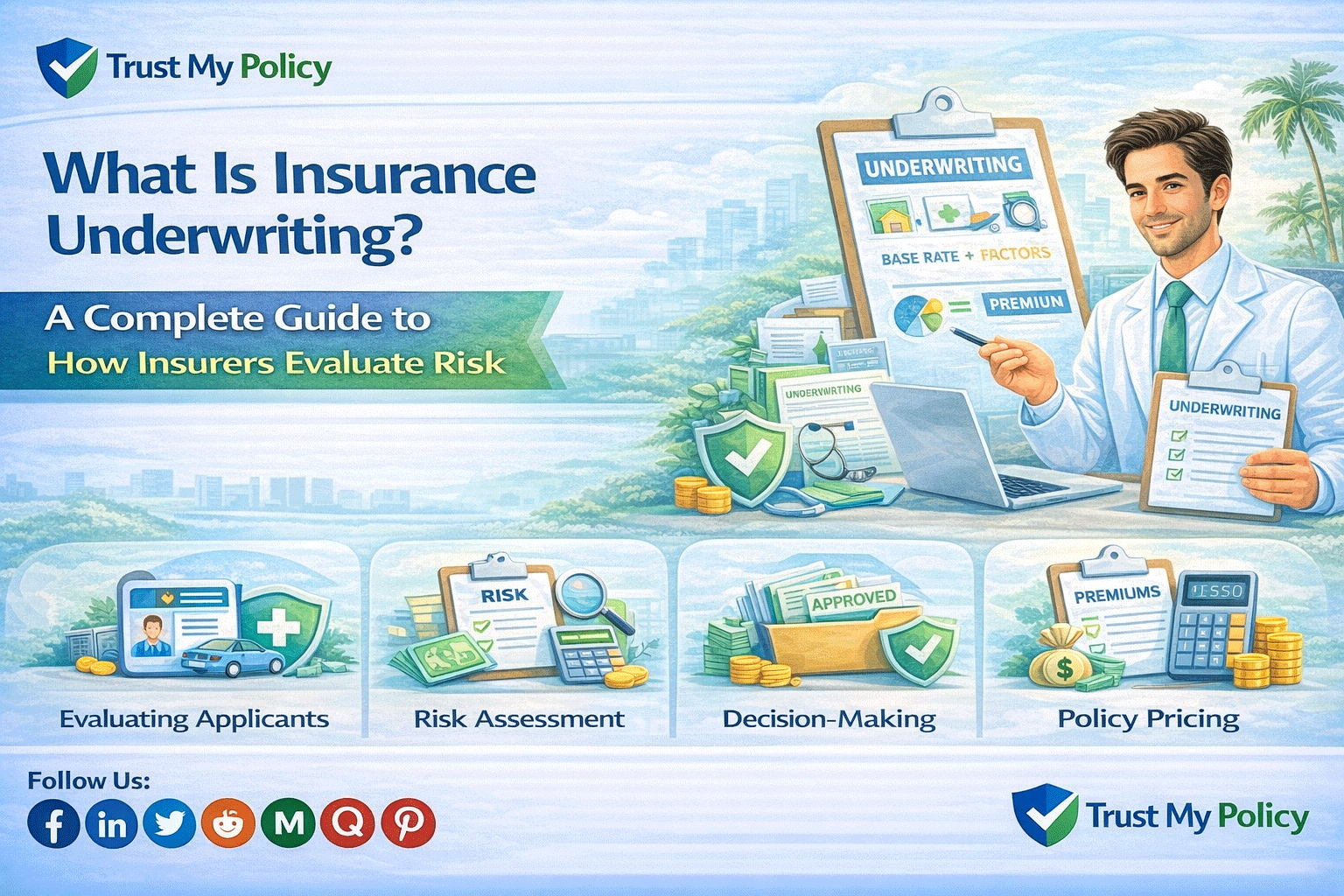
What Is Insurance Underwriting? A Complete Guide to How Insurers Evaluate Risk
Insurance companies must carefully evaluate risk before providing coverage. Every policyholder represents a potential financial risk to the insurer. To manage this risk fairly and sustainably, insurers use a process called insurance underwriting.
Insurance underwriting is the process of assessing a person, business, or asset to determine the level of risk involved and the terms under which insurance coverage may be offered. This process helps insurers decide whether to approve coverage, how much premium to charge, and what conditions may apply to the policy.
Understanding what insurance underwriting is helps policyholders learn why insurers ask questions during applications and why premiums vary between individuals. Factors such as age, health, driving history, property location, or business operations may influence underwriting decisions.
Underwriting plays a critical role in maintaining balance within insurance systems. If insurers accepted every risk without evaluation, the cost of claims could become unsustainable. By analyzing risk carefully, underwriting helps ensure that insurance remains affordable and accessible for many people.
This guide explains insurance underwriting, how it works, why it is important, and how it affects insurance policies around the world.
Insurance Underwriting Explained
| Key Concept | Explanation | Why It Matters |
|---|---|---|
| Insurance Underwriting | Process of evaluating risk before issuing insurance | Helps insurers decide coverage terms |
| Risk Assessment | Analysis of factors that may increase likelihood of loss | Determines premium levels |
| Underwriter | Insurance professional who evaluates applications | Ensures fair risk evaluation |
| Policy Approval | Decision to accept, modify, or reject coverage | Protects insurer from excessive risk |
| Premium Determination | Pricing of insurance based on risk level | Helps maintain financial balance |
| Policy Conditions | Specific terms, exclusions, or limits applied | Defines coverage boundaries |
, benefits, and financial protection options available to policyholders. Many readers compare multiple guides before selecting a plan so they can clearly evaluate premiums, claim procedures, and long‑term advantages. A useful resource to explore is How to Choose an Insurance Policy, which explains how this insurance policy works, the key benefits it offers, and situations where it may be the most suitable option. By reviewing this guide, you can gain deeper insights into coverage features, eligibility requirements, and practical tips that help individuals and families make smarter insurance decisions.
What Is Insurance Underwriting?
Insurance underwriting is the process insurers use to evaluate the risk associated with providing insurance coverage to an individual, property, or business.
During underwriting, insurers analyze various factors to estimate how likely it is that a claim will occur and how expensive that claim could be.
Based on this evaluation, the insurer may:
-
Approve the insurance application
-
Set the premium amount
-
Add conditions or exclusions
-
Decline the application if the risk is too high
Simple Definition
Insurance underwriting is the process of analyzing risk to determine whether insurance coverage should be offered and under what terms.
Why Insurance Underwriting Is Important
Insurance underwriting helps maintain stability in insurance systems.
Without underwriting, insurers might accept too many high-risk policies, which could lead to large financial losses.
Key reasons underwriting is important include:
-
Helps insurers manage financial risk
-
Ensures fair premium pricing
-
Maintains stability in insurance pools
-
Prevents excessive claim costs
-
Protects policyholders from unfair pricing
Underwriting helps balance the interests of both insurers and policyholders.
, benefits, and financial protection options available to policyholders. Many readers compare multiple guides before selecting a plan so they can clearly evaluate premiums, claim procedures, and long‑term advantages. A useful resource to explore is Insurance for Startups, which explains how this insurance policy works, the key benefits it offers, and situations where it may be the most suitable option. By reviewing this guide, you can gain deeper insights into coverage features, eligibility requirements, and practical tips that help individuals and families make smarter insurance decisions.
Role of an Insurance Underwriter
An insurance underwriter is a professional responsible for evaluating insurance applications and determining the risk level.
Responsibilities of Underwriters
Underwriters typically:
-
Review insurance applications
-
Analyze risk factors
-
Use statistical models and guidelines
-
Determine appropriate premiums
-
Decide whether coverage should be approved
-
Apply policy conditions when necessary
Underwriters often use specialized software and actuarial data to support decision-making.
How the Insurance Underwriting Process Works
The underwriting process generally follows several steps.
Step 1: Application Submission
The applicant provides information about the person, property, or business being insured.
This information may include:
-
Personal details
-
Medical history
-
Driving records
-
Property information
-
Business operations
Step 2: Risk Assessment
The insurer analyzes the information to estimate the likelihood of a claim.
This process may include:
-
Reviewing historical data
-
Checking records or reports
-
Evaluating environmental or financial factors
Step 3: Risk Classification
Applicants are grouped into different risk categories.
Examples include:
-
Low risk
-
Moderate risk
-
High risk
Each category influences the premium and policy terms.
Step 4: Policy Decision
After evaluation, the insurer makes a decision:
-
Approve the policy
-
Approve with modifications
-
Decline the application
Step 5: Premium Determination
Premiums are calculated based on the assessed level of risk.
Higher risk may lead to higher premiums.
, benefits, and financial protection options available to policyholders. Many readers compare multiple guides before selecting a plan so they can clearly evaluate premiums, claim procedures, and long‑term advantages. A useful resource to explore is Minimum Car Insurance Requirements, which explains how this insurance policy works, the key benefits it offers, and situations where it may be the most suitable option. By reviewing this guide, you can gain deeper insights into coverage features, eligibility requirements, and practical tips that help individuals and families make smarter insurance decisions.
Types of Insurance Underwriting
Different types of insurance require different underwriting methods.
Life Insurance Underwriting
Life insurance underwriting focuses on evaluating the health and lifestyle of the applicant.
Common factors include:
-
Age
-
Medical history
-
Occupation
-
Lifestyle habits
-
Family health history
Health Insurance Underwriting
Health insurance underwriting evaluates potential healthcare costs.
Insurers may consider:
-
Existing health conditions
-
Age and lifestyle
-
Medical history
-
Risk of future medical treatment
Property Insurance Underwriting
Property underwriting focuses on the condition and location of buildings or assets.
Factors may include:
-
Property value
-
Construction materials
-
Fire protection
-
Natural disaster risks
Auto Insurance Underwriting
Auto insurance underwriting assesses driving-related risk.
Common factors include:
-
Driving history
-
Accident records
-
Vehicle type
-
Location and usage
Business Insurance Underwriting
Business underwriting evaluates risks associated with company operations.
Examples include:
-
Industry type
-
Workplace safety practices
-
Revenue levels
-
Number of employees
Detailed Comparison Table: Types of Insurance Underwriting
| Type of Underwriting | Main Focus | Common Risk Factors | Typical Outcome |
|---|---|---|---|
| Life Insurance Underwriting | Applicant health and longevity | Age, health, lifestyle | Determines policy eligibility and premium |
| Health Insurance Underwriting | Medical risk | Medical history, lifestyle | Determines coverage terms |
| Property Insurance Underwriting | Asset protection | Property condition, location | Determines coverage limits |
| Auto Insurance Underwriting | Driving risk | Driving history, vehicle type | Determines premium pricing |
| Business Insurance Underwriting | Operational risk | Industry, safety practices | Determines policy structure |
, benefits, and financial protection options available to policyholders. Many readers compare multiple guides before selecting a plan so they can clearly evaluate premiums, claim procedures, and long‑term advantages. A useful resource to explore is Documents Needed for Insurance Claims, which explains how this insurance policy works, the key benefits it offers, and situations where it may be the most suitable option. By reviewing this guide, you can gain deeper insights into coverage features, eligibility requirements, and practical tips that help individuals and families make smarter insurance decisions.
Factors That Influence Underwriting Decisions
Several factors influence underwriting outcomes.
Personal Factors
-
Age
-
Health status
-
Lifestyle habits
-
Occupation
Financial Factors
-
Income stability
-
Credit history in some jurisdictions
-
Business financial health
Environmental Factors
-
Geographic location
-
Climate risks
-
Natural disaster exposure
Historical Data
Insurers analyze historical claims data to estimate future risk.
Pros and Cons of Insurance Underwriting
Advantages
-
Helps insurers manage financial risk
-
Creates fair premium pricing
-
Prevents excessive claim costs
-
Supports stable insurance systems
-
Protects policyholders from unfair risk sharing
-
Encourages responsible risk behavior
Limitations
-
Some applicants may face higher premiums
-
Application reviews may take time
-
Certain risks may not be accepted
-
Complex underwriting rules may vary between insurers
Understanding these limitations helps policyholders manage expectations during the application process.
Real-Life Examples of Insurance Underwriting
Example 1: Life Insurance Application
A person applies for life insurance.
The insurer evaluates:
-
Age
-
Health history
-
Lifestyle habits
Based on this information, the insurer determines the premium.
Example 2: Home Insurance Application
A homeowner requests property insurance.
The insurer reviews:
-
Location of the property
-
Building materials
-
History of natural disasters in the area
These factors influence the coverage terms.
Example 3: Auto Insurance Application
A driver applies for auto insurance.
The insurer analyzes:
-
Past accident history
-
Traffic violations
-
Vehicle type
Drivers with safer records may receive lower premiums.
Example 4: Business Insurance
A company applies for business insurance.
The insurer evaluates:
-
Industry risks
-
Safety practices
-
Size of operations
These factors determine the policy structure.
Common Mistakes or Misunderstandings About Insurance Underwriting
Thinking Underwriting Is Only About Approval
Underwriting is not just about approving or rejecting policies. It also determines pricing and coverage conditions.
Believing Premiums Are Random
Premiums are based on detailed risk assessments conducted during underwriting.
Assuming All Applicants Receive the Same Rates
Premiums vary because each applicant represents a different level of risk.
Not Providing Accurate Information
Incomplete or incorrect information may affect underwriting decisions or claims processing.
Frequently Asked Questions (FAQs)
What is insurance underwriting?
Insurance underwriting is the process insurers use to evaluate risk and determine whether to provide coverage and at what premium.
Who performs insurance underwriting?
Insurance underwriting is performed by professionals called underwriters who analyze applications and assess risk.
Why do insurers use underwriting?
Underwriting helps insurers manage financial risk, determine premiums, and maintain stable insurance systems.
What factors affect underwriting decisions?
Common factors include age, health, lifestyle, property condition, driving history, and business operations.
Can underwriting affect premium costs?
Yes. Higher-risk applicants may be charged higher premiums, while lower-risk applicants may receive lower rates.
Does underwriting happen for all types of insurance?
Yes. Most insurance products involve some form of underwriting to evaluate risk.
Can an insurance application be declined during underwriting?
Yes. If the risk level is considered too high, the insurer may decline the application.
, benefits, and financial protection options available to policyholders. Many readers compare multiple guides before selecting a plan so they can clearly evaluate premiums, claim procedures, and long‑term advantages. A useful resource to explore is How to Compare Car Insurance, which explains how this insurance policy works, the key benefits it offers, and situations where it may be the most suitable option. By reviewing this guide, you can gain deeper insights into coverage features, eligibility requirements, and practical tips that help individuals and families make smarter insurance decisions.
Conclusion
Insurance underwriting is a critical process that allows insurers to evaluate risk before offering coverage. By analyzing factors such as health, lifestyle, property conditions, and historical data, underwriters determine whether a policy should be approved and how much premium should be charged.
This process helps maintain fairness in insurance systems by ensuring that premiums reflect the level of risk associated with each policyholder. Underwriting also protects insurers from excessive financial losses and helps keep insurance accessible to a wide group of people.
Understanding what insurance underwriting is provides insight into why insurance applications require detailed information and why premiums vary between individuals and policies. When risk is evaluated carefully, insurance systems can operate more efficiently and provide financial protection when it is needed most.
Disclaimer: This article is for educational purposes only. Trust My Policy is an independent informational platform and does not sell insurance products or represent any insurance provider. Readers should consult official policy documents or licensed professionals for personalized advice.