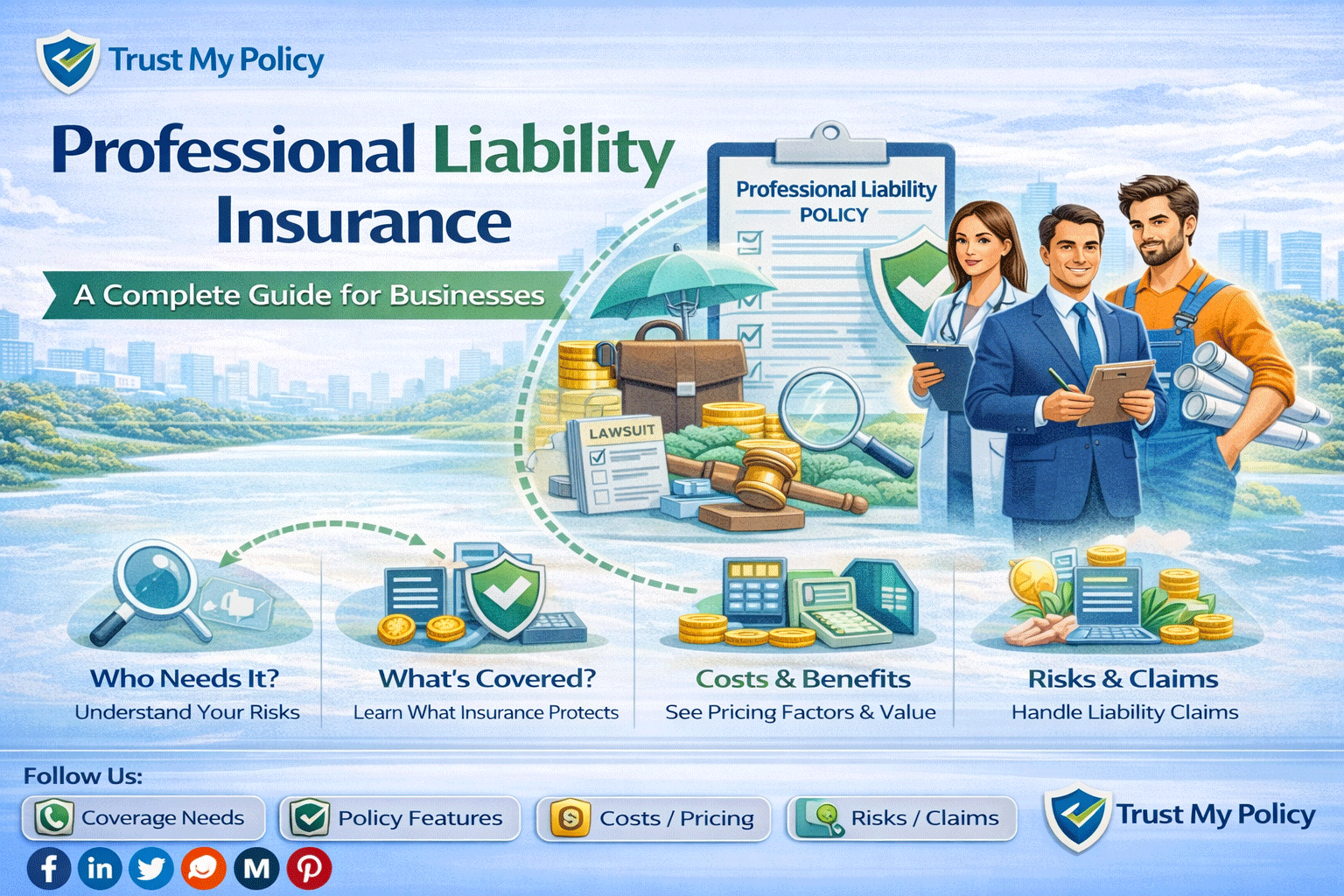
Many professionals and businesses provide advice, services, or specialized expertise to clients. While most professionals aim to deliver high-quality work, mistakes, misunderstandings, or unmet expectations can still occur. When a client believes that a professional error caused financial loss, they may file a legal claim.
These situations can lead to expensive legal disputes, even if the professional did not intentionally make a mistake. Legal defense costs, settlements, and compensation payments can quickly become significant. This is where professional liability insurance becomes important.
Professional liability insurance helps protect individuals and businesses that provide services or professional advice. It covers claims related to negligence, errors, omissions, or failure to deliver services as expected. In many industries, this type of insurance is considered an important part of risk management.
Understanding professional liability insurance is especially important for consultants, freelancers, service providers, and companies that rely on expertise rather than physical products. This guide explains what professional liability insurance is, how it works, what it covers, and how it compares with other types of business insurance.
Professional Liability Insurance Overview
| Feature | Description | Example | Who Needs It |
|---|---|---|---|
| Main Purpose | Protects professionals from claims of service errors | Consulting mistake causes financial loss | Consultants, advisors |
| Coverage Type | Legal defense and compensation costs | Client lawsuit over incorrect advice | Service-based businesses |
| Risk Covered | Negligence, errors, omissions | Accounting miscalculation | Professionals and firms |
| Typical Users | Service providers | IT consultants, designers | Small businesses |
| Key Benefit | Protects against costly legal disputes | Legal defense coverage | Freelancers and agencies |
Choosing the right insurance coverage requires understanding different policy types, benefits, and financial protection options available to policyholders. Many readers compare multiple guides before selecting a plan so they can clearly evaluate premiums, claim procedures, and long‑term advantages. A useful resource to explore is What Is Insurance Underwriting, which explains how this insurance policy works, the key benefits it offers, and situations where it may be the most suitable option. By reviewing this guide, you can gain deeper insights into coverage features, eligibility requirements, and practical tips that help individuals and families make smarter insurance decisions.
What Is Professional Liability Insurance?
Professional liability insurance is a type of business insurance that protects professionals and companies from claims related to mistakes, negligence, or failure to provide promised services.
This insurance is commonly known by other names such as:
-
Errors and omissions insurance (E&O)
-
Professional indemnity insurance
-
Professional responsibility insurance
It focuses on risks associated with professional services or advice rather than physical accidents or property damage.
For example:
-
A financial advisor provides incorrect investment advice.
-
A consultant’s recommendation leads to financial loss for a client.
-
A software developer delivers a project that does not meet contractual expectations.
In these situations, clients may seek compensation. Professional liability insurance may help cover legal costs and settlements.
Why Professional Liability Insurance Is Important
Professionals who provide services often face unique risks. Even small misunderstandings can lead to legal disputes.
Protection Against Legal Claims
Clients may file claims for:
-
Professional negligence
-
Incorrect advice
-
Incomplete services
-
Contract disputes
Professional liability insurance helps cover defense costs and compensation payments.
Financial Security
Legal cases can be expensive. Even defending against an unfounded claim can require significant legal fees.
Client Requirements
Some clients or contracts require professionals to carry liability insurance before working together.
Reputation Protection
Handling disputes properly helps maintain professional credibility.
Business Stability
Insurance allows professionals to continue operating even when legal challenges arise.
Choosing the right insurance coverage requires understanding different policy types, benefits, and financial protection options available to policyholders. Many readers compare multiple guides before selecting a plan so they can clearly evaluate premiums, claim procedures, and long‑term advantages. A useful resource to explore is HMO vs PPO Health Insurance Plans, which explains how this insurance policy works, the key benefits it offers, and situations where it may be the most suitable option. By reviewing this guide, you can gain deeper insights into coverage features, eligibility requirements, and practical tips that help individuals and families make smarter insurance decisions.
Who Needs Professional Liability Insurance?
Professional liability insurance is commonly used by individuals and organizations that provide specialized services.
Examples include:
-
Consultants
-
Accountants
-
Financial advisors
-
Architects
-
Engineers
-
Marketing agencies
-
IT professionals
-
Designers
-
Lawyers
-
Healthcare professionals
-
Freelancers and independent contractors
In general, any business that provides professional advice or expertise may benefit from this type of coverage.
What Professional Liability Insurance Covers
Professional liability insurance typically focuses on financial losses caused by professional services.
Coverage may include several types of claims.
Negligence
Negligence occurs when a professional fails to perform their duties with reasonable care.
Example:
An architect designs a structure incorrectly, leading to costly repairs.
Insurance may help cover legal costs and compensation.
Errors and Omissions
Errors and omissions refer to mistakes made while providing services.
Examples include:
-
Incorrect financial calculations
-
Software errors
-
Incorrect project specifications
These mistakes may lead to financial losses for clients.
Misrepresentation
Misrepresentation occurs when a client believes they received inaccurate or misleading information.
Example:
A consultant provides inaccurate market research that influences a client’s business decision.
Insurance may help cover legal claims related to misrepresentation.
Legal Defense Costs
Even when claims are unfounded, legal defense can be expensive.
Professional liability insurance may cover:
-
Lawyer fees
-
Court costs
-
Investigation expensesSettlements and Compensation
If a claim results in compensation payments, the insurance policy may cover some or all of these costs depending on coverage limits.
Choosing the right insurance coverage requires understanding different policy types, benefits, and financial protection options available to policyholders. Many readers compare multiple guides before selecting a plan so they can clearly evaluate premiums, claim procedures, and long‑term advantages. A useful resource to explore is Insurance Myths Explained, which explains how this insurance policy works, the key benefits it offers, and situations where it may be the most suitable option. By reviewing this guide, you can gain deeper insights into coverage features, eligibility requirements, and practical tips that help individuals and families make smarter insurance decisions.
What Professional Liability Insurance Typically Does Not Cover
Policies often include exclusions.
Common exclusions may include:
-
Intentional wrongdoing
-
Fraudulent activities
-
Criminal acts
-
Employee injuries
-
Property damage
-
General business liabilities
These risks may require other types of insurance coverage.
Professional Liability Insurance vs General Liability Insurance
Many business owners confuse professional liability insurance with general liability insurance. However, they cover different risks.
| Feature | Professional Liability Insurance | General Liability Insurance |
|---|---|---|
| Coverage Focus | Professional service errors | Physical injuries or property damage |
| Example Claim | Client loses money due to bad advice | Customer slips in office |
| Main Risk | Financial loss from services | Accidents involving people or property |
| Typical Users | Consultants, advisors | Most businesses |
| Legal Costs Covered | Yes | Yes |
Both policies can be important for businesses that interact with clients and provide professional services.
Detailed Comparison of Professional Liability Coverage
| Coverage Area | Description | Example Scenario | Benefit |
|---|---|---|---|
| Negligence Claims | Professional mistakes causing harm | Engineering miscalculation | Protects against lawsuits |
| Errors and Omissions | Service-related errors | Accounting mistake | Covers legal costs |
| Legal Defense | Lawyer fees and court costs | Client lawsuit | Reduces financial burden |
| Settlements | Compensation payments | Client financial loss claim | Helps resolve disputes |
| Contract Disputes | Failure to meet contractual obligations | Project delay claim | Provides financial protection |
Pros and Cons of Professional Liability Insurance
Advantages
-
Protects professionals from service-related legal claims
-
Covers legal defense costs
-
Helps maintain financial stability during disputes
-
Often required in professional contracts
-
Supports long-term business credibility
Disadvantages
-
Requires ongoing premium payments
-
Some claims may fall outside coverage limits
-
Policies include exclusions
-
Claims processes may require documentation
-
Understanding policy terms can be complex
Choosing the right insurance coverage requires understanding different policy types, benefits, and financial protection options available to policyholders. Many readers compare multiple guides before selecting a plan so they can clearly evaluate premiums, claim procedures, and long‑term advantages. A useful resource to explore is Why Home Insurance Premiums Increase, which explains how this insurance policy works, the key benefits it offers, and situations where it may be the most suitable option. By reviewing this guide, you can gain deeper insights into coverage features, eligibility requirements, and practical tips that help individuals and families make smarter insurance decisions.
Real-Life Examples of Professional Liability Insurance
Example 1: Consulting Advice Error
A business consultant recommends a strategy that leads to major financial losses for a client.
The client claims negligence and files a lawsuit.
Professional liability insurance may help cover legal defense costs and potential settlement payments.
Example 2: Accounting Mistake
An accountant makes a calculation error that results in incorrect tax filings for a client.
The client faces penalties and files a claim.
Insurance may cover compensation and legal costs.
Example 3: Software Development Issue
A software developer delivers a product with critical bugs that disrupt a client’s operations.
The client claims financial damages.
Professional liability insurance may help cover the resulting legal expenses.
Example 4: Marketing Campaign Failure
A marketing agency launches a campaign based on inaccurate research.
The client experiences financial loss and seeks compensation.
Insurance may help handle legal claims and defense costs.
Example 5: Design Error
A graphic designer creates branding that unintentionally infringes on another company’s trademark.
Legal action is taken.
Professional liability coverage may help cover legal expenses.
Common Mistakes Professionals Make with Liability Insurance
Understanding these mistakes can help professionals manage risk more effectively.
1. Assuming General Liability Insurance Is Enough
General liability insurance does not usually cover service errors or professional negligence.
2. Ignoring Contract Requirements
Some clients require proof of professional liability insurance before signing contracts.
3. Choosing Low Coverage Limits
Large claims may exceed low policy limits, leaving professionals exposed to financial risk.
4. Failing to Understand Policy Exclusions
Professionals should review policies carefully to understand what is not covered.
5. Waiting Until After a Problem Occurs
Insurance generally must be in place before an incident occurs to provide coverage.
Frequently Asked Questions (FAQs)
What is professional liability insurance?
Professional liability insurance protects professionals and businesses against claims related to mistakes, negligence, or failure to deliver services as promised.
Who should consider professional liability insurance?
Anyone providing professional advice or services may benefit from this coverage, including consultants, freelancers, designers, accountants, and technology professionals.
Does professional liability insurance cover legal costs?
Yes. Many policies include coverage for legal defense expenses such as lawyer fees and court costs.
Is professional liability insurance required by law?
In some professions or regions it may be required by regulatory bodies, licensing authorities, or professional associations.
What is the difference between errors and omissions insurance and professional liability insurance?
These terms are often used interchangeably. Both generally refer to coverage for professional service errors.
How much professional liability insurance do businesses need?
Coverage needs depend on several factors including:
-
Industry risk
-
Business size
-
Revenue
-
Contract requirements
Can freelancers benefit from professional liability insurance?
Yes. Freelancers may face legal claims related to their services and can use this insurance to protect against financial losses.
Choosing the right insurance coverage requires understanding different policy types, benefits, and financial protection options available to policyholders. Many readers compare multiple guides before selecting a plan so they can clearly evaluate premiums, claim procedures, and long‑term advantages. A useful resource to explore is Business Insurance Cost Factors, which explains how this insurance policy works, the key benefits it offers, and situations where it may be the most suitable option. By reviewing this guide, you can gain deeper insights into coverage features, eligibility requirements, and practical tips that help individuals and families make smarter insurance decisions.
Conclusion
Professional liability insurance is an important form of protection for professionals and service-based businesses. When clients rely on expert advice or specialized services, even small mistakes can lead to financial losses and legal claims.
This insurance helps protect professionals from claims related to negligence, errors, omissions, and service-related disputes. It may cover legal defense costs, settlements, and compensation payments depending on the policy.
Understanding professional liability insurance allows professionals to manage risks more effectively and build stronger protection for their businesses. While it does not prevent disputes from happening, it can provide financial support during challenging situations.
For many professionals and organizations, liability insurance plays a key role in maintaining business stability, protecting reputations, and supporting long-term growth.
Disclaimer:
This article is for educational purposes only. Trust My Policy is an independent informational platform and does not sell insurance products or represent any insurance provider. Readers should consult official policy documents or licensed professionals for personalized advice.
Leave a Reply