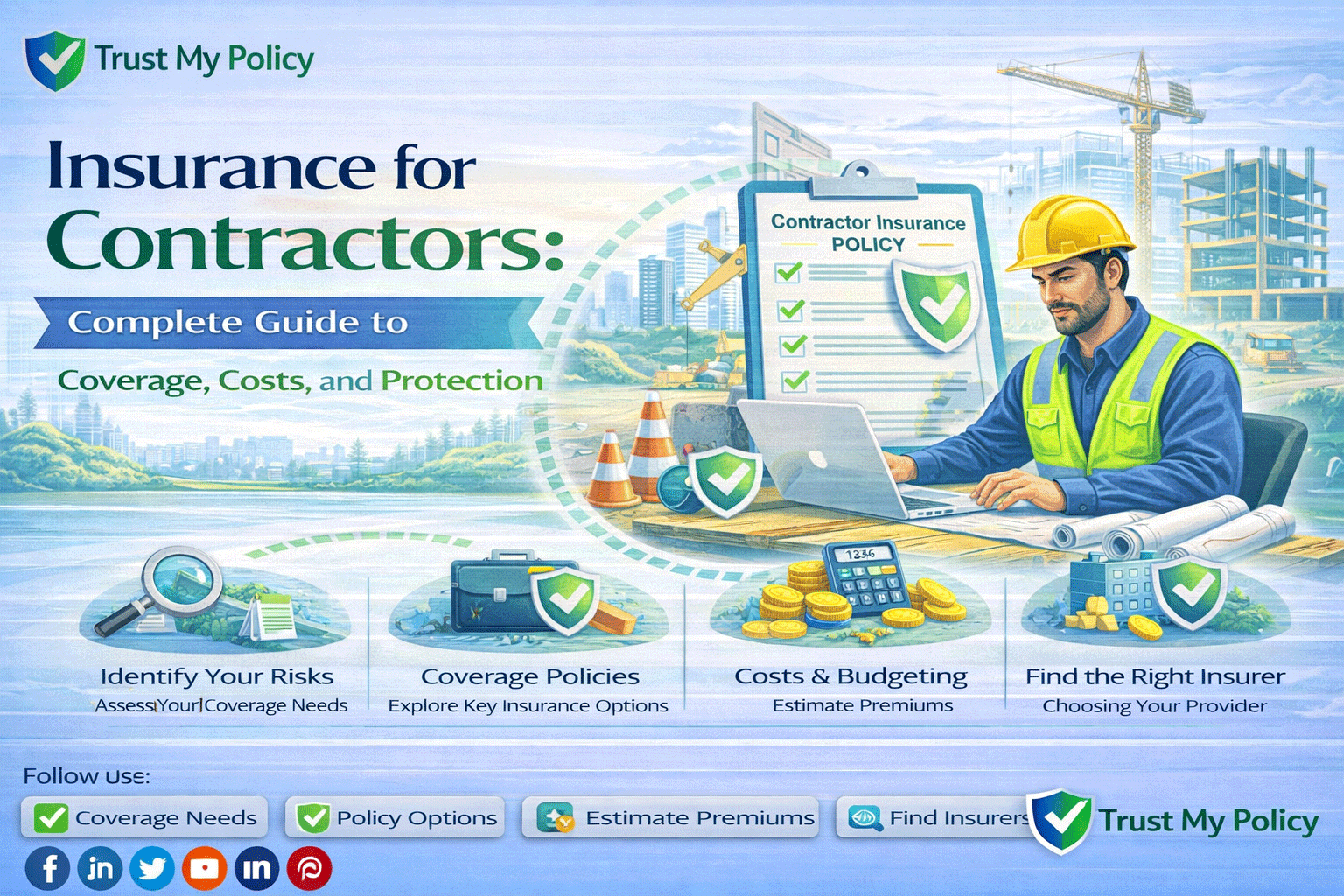
Insurance for Contractors: Complete Guide to Coverage, Costs, and Risk Protection
Contractors play an essential role in many industries, including construction, renovation, electrical work, plumbing, landscaping, and maintenance services. These professionals help build, repair, and maintain homes, commercial buildings, and infrastructure. Because contractor work often involves physical labor, tools, and construction sites, it also involves certain risks.
Accidents can happen during construction projects. A worker may get injured, property may be damaged, or a client may claim that a project was completed incorrectly. These situations can lead to financial losses, legal disputes, or project delays.
This is where insurance for contractors becomes important. Contractor insurance helps protect individuals and contracting businesses from financial risks related to accidents, injuries, equipment damage, and legal claims.
Many project owners, property developers, and government contracts require contractors to carry insurance before starting work. Insurance also helps contractors manage unexpected events and continue operating their businesses.
This guide explains the main types of contractor insurance, how they work, common cost factors, and practical examples to help contractors better understand risk protection.
Insurance for Contractors
| Insurance Type | What It Covers | Best For | Risk Level |
|---|---|---|---|
| General Liability Insurance | Third-party injury or property damage | Most contractors | High |
| Workers’ Compensation Insurance | Employee injuries | Contractors with workers | High |
| Contractor Equipment Insurance | Tools and machinery | Equipment-heavy contractors | Medium |
| Professional Liability Insurance | Design or planning errors | Specialized contractors | Medium |
| Commercial Auto Insurance | Work vehicles | Contractors using trucks or vans | Medium |
| Builder’s Risk Insurance | Construction project damage | Construction contractors | High |
, benefits, and financial protection options available to policyholders. Many readers compare multiple guides before selecting a plan so they can clearly evaluate premiums, claim procedures, and long‑term advantages. A useful resource to explore is How to Lower Car Insurance Cost, which explains how this insurance policy works, the key benefits it offers, and situations where it may be the most suitable option. By reviewing this guide, you can gain deeper insights into coverage features, eligibility requirements, and practical tips that help individuals and families make smarter insurance decisions.
What Is Insurance for Contractors?
Insurance for contractors refers to a group of insurance policies designed to protect contractors from financial risks related to construction and service projects.
Contractor work involves several potential risks, including:
-
Workplace injuries
-
Property damage
-
Equipment loss
-
Project disputes
-
Vehicle accidents
-
Construction site damage
Insurance policies help transfer some of these risks from the contractor to the insurance provider.
Contractors often combine multiple policies to create broader protection depending on the type of work they perform.
Why Contractors Need Insurance
Contractor work often involves physical labor, tools, and interaction with clients’ property. Because of this, unexpected incidents may occur.
Understanding contractor insurance helps businesses prepare for these situations.
Protection Against Accidents
Construction sites may involve heavy equipment, power tools, and structural risks.
Insurance helps cover costs if accidents occur.
Legal Requirement in Some Regions
Some insurance types, such as workers’ compensation insurance, may be required by law if contractors have employees.
Client Contract Requirements
Many clients require contractors to provide proof of insurance before starting projects.
Equipment Protection
Contractors often invest heavily in tools and equipment.
Insurance can help protect these assets.
Financial Stability
Insurance helps contractors recover from unexpected events and continue operating their businesses.
, benefits, and financial protection options available to policyholders. Many readers compare multiple guides before selecting a plan so they can clearly evaluate premiums, claim procedures, and long‑term advantages. A useful resource to explore is When Should You Buy Insurance, which explains how this insurance policy works, the key benefits it offers, and situations where it may be the most suitable option. By reviewing this guide, you can gain deeper insights into coverage features, eligibility requirements, and practical tips that help individuals and families make smarter insurance decisions.
Types of Insurance for Contractors
General Liability Insurance
General liability insurance is one of the most common forms of insurance for contractors.
It protects contractors against claims related to third-party injury or property damage.
Covered situations may include:
-
A visitor getting injured at a construction site
-
Damage to a client’s property during renovation work
-
Claims related to advertising or marketing activities
General liability insurance may help cover:
-
Legal defense costs
-
Medical expenses
-
Settlement payments
Most contractors consider this coverage essential.
Workers’ Compensation Insurance
Workers’ compensation insurance protects employees who are injured while working.
Construction and contractor jobs often involve physical labor and potential safety risks.
Coverage may include:
-
Medical treatment
-
Rehabilitation expenses
-
Lost wages
-
Disability benefits
In many countries and regions, contractors with employees must maintain workers’ compensation insurance.
Contractor Equipment Insurance
Contractors rely heavily on tools and machinery to complete projects.
Contractor equipment insurance helps protect items such as:
-
Power tools
-
Excavators
-
Drills and cutting equipment
-
Generators
-
Construction machinery
If equipment is damaged, lost, or stolen, insurance may help cover repair or replacement costs.
This type of coverage is sometimes called tools and equipment insurance.
Professional Liability Insurance
Some contractors provide specialized services such as design, engineering advice, or technical planning.
Professional liability insurance protects contractors from claims related to professional errors or negligence.
For example:
-
Incorrect structural advice
-
Planning mistakes
-
Project design errors
If a client claims financial loss due to incorrect professional services, this insurance may help cover legal costs.
Commercial Auto Insurance
Many contractors use vehicles to transport tools, materials, and workers to job sites.
Commercial auto insurance covers vehicles used for business purposes.
Coverage may include:
-
Vehicle accident damage
-
Liability for injuries caused by vehicle accidents
-
Property damage caused by vehicles
Personal car insurance policies often do not cover business vehicle use.
Builder’s Risk Insurance
Builder’s risk insurance protects construction projects during the building process.
Coverage may apply to:
-
Structures under construction
-
Building materials
-
Temporary structures
-
Construction equipment on-site
Covered events may include:
-
Fire damage
-
Storm damage
-
Vandalism
-
Theft of materials
This policy is commonly used for major construction projects.
Detailed Comparison of Contractor Insurance Types
| Feature | General Liability | Workers’ Compensation | Equipment Insurance | Commercial Auto | Builder’s Risk |
|---|---|---|---|---|---|
| Main Risk Covered | Injury or property damage | Employee injuries | Tool and equipment loss | Vehicle accidents | Construction damage |
| Required by Law | Sometimes | Often required | Usually optional | Required for business vehicles | Usually project-based |
| Covers Lawsuits | Yes | Limited | No | Yes | Sometimes |
| Covers Equipment | No | No | Yes | No | Sometimes |
| Covers Workers | No | Yes | No | No | No |
| Typical Users | Most contractors | Employers | Equipment users | Contractors with vehicles | Construction builders |
, benefits, and financial protection options available to policyholders. Many readers compare multiple guides before selecting a plan so they can clearly evaluate premiums, claim procedures, and long‑term advantages. A useful resource to explore is Home Insurance Coverage Types, which explains how this insurance policy works, the key benefits it offers, and situations where it may be the most suitable option. By reviewing this guide, you can gain deeper insights into coverage features, eligibility requirements, and practical tips that help individuals and families make smarter insurance decisions.
Pros and Cons of Insurance for Contractors
Advantages
-
Protects contractors from financial losses related to accidents
-
Helps meet legal and contract requirements
-
Covers expensive tools and equipment
-
Helps maintain business stability after unexpected events
-
Supports professional credibility with clients
Limitations
-
Insurance policies require ongoing premiums
-
Some risks may not be fully covered
-
Policies may include exclusions
-
Claims processes may require documentation
-
Coverage limits may restrict payouts
Understanding both advantages and limitations helps contractors plan their risk management strategies.
Real-Life Examples
Example 1: Property Damage During Renovation
A contractor accidentally damages a client’s wall while installing electrical wiring.
General liability insurance may help cover repair costs and legal claims.
Example 2: Worker Injury
A construction worker falls from scaffolding and suffers injuries.
Workers’ compensation insurance may help cover medical treatment and lost wages.
Example 3: Equipment Theft
A contractor’s tools are stolen from a job site overnight.
Contractor equipment insurance may help replace the stolen tools.
Example 4: Vehicle Accident
A contractor’s work truck collides with another vehicle while transporting materials.
Commercial auto insurance may help cover repair costs and liability claims.
Example 5: Storm Damage to Construction Site
A building under construction is damaged by a storm before completion.
Builder’s risk insurance may help cover repair costs.
Common Mistakes Contractors Make About Insurance
Assuming Personal Insurance Covers Business Activities
Personal policies often exclude business-related work.
Contractors typically need separate business coverage.
Ignoring Equipment Protection
Tools and machinery can represent a large investment.
Failing to insure them may lead to significant financial loss.
Choosing Low Coverage Limits
Large construction projects may involve high potential liability.
Low coverage limits may not fully protect the contractor.
Not Reviewing Insurance Policies Regularly
As businesses grow, insurance needs may change.
Contractors often review policies periodically.
Waiting Until a Problem Occurs
Insurance is designed to protect against unexpected events.
Waiting until after an incident occurs may leave contractors exposed.
, benefits, and financial protection options available to policyholders. Many readers compare multiple guides before selecting a plan so they can clearly evaluate premiums, claim procedures, and long‑term advantages. A useful resource to explore is Why Insurance Claims Get Rejected, which explains how this insurance policy works, the key benefits it offers, and situations where it may be the most suitable option. By reviewing this guide, you can gain deeper insights into coverage features, eligibility requirements, and practical tips that help individuals and families make smarter insurance decisions.
Frequently Asked Questions (FAQs)
What insurance do contractors need?
Common types include general liability insurance, workers’ compensation insurance, equipment insurance, commercial auto insurance, and builder’s risk insurance.
Is insurance required for contractors?
Requirements vary by country and region. Some insurance types may be legally required if contractors employ workers.
How much does contractor insurance cost?
Costs depend on factors such as project size, industry risk, number of employees, coverage limits, and location.
Does contractor insurance cover equipment theft?
Equipment insurance policies may cover theft or damage depending on policy terms.
Do independent contractors need insurance?
Independent contractors may still face risks related to property damage, injuries, or project disputes.
Is builder’s risk insurance necessary?
Builder’s risk insurance is commonly used for construction projects where buildings are under development.
Can contractors combine multiple insurance policies?
Yes. Contractors often combine several policies to cover different risks associated with their work.
Conclusion
Contractors perform essential work across construction, repair, maintenance, and infrastructure industries. However, these activities also involve physical risks, project responsibilities, and potential legal claims.
Insurance for contractors helps reduce financial exposure from accidents, property damage, equipment loss, employee injuries, and project disruptions.
Common types of contractor insurance include general liability insurance, workers’ compensation insurance, equipment insurance, commercial auto insurance, and builder’s risk insurance. Each type addresses specific risks related to contractor operations.
Choosing the right insurance coverage depends on the type of work performed, the number of employees, project scale, and equipment used.
While insurance cannot prevent accidents, it can provide financial protection when unexpected events occur. Understanding contractor insurance helps professionals manage risks and maintain long-term business stability.
, benefits, and financial protection options available to policyholders. Many readers compare multiple guides before selecting a plan so they can clearly evaluate premiums, claim procedures, and long‑term advantages. A useful resource to explore is Life Insurance for Self Employed, which explains how this insurance policy works, the key benefits it offers, and situations where it may be the most suitable option. By reviewing this guide, you can gain deeper insights into coverage features, eligibility requirements, and practical tips that help individuals and families make smarter insurance decisions.
Disclaimer:
This article is for educational purposes only. Trust My Policy is an independent informational platform and does not sell insurance products or represent any insurance provider. Readers should consult official policy documents or licensed professionals for personalized advice.