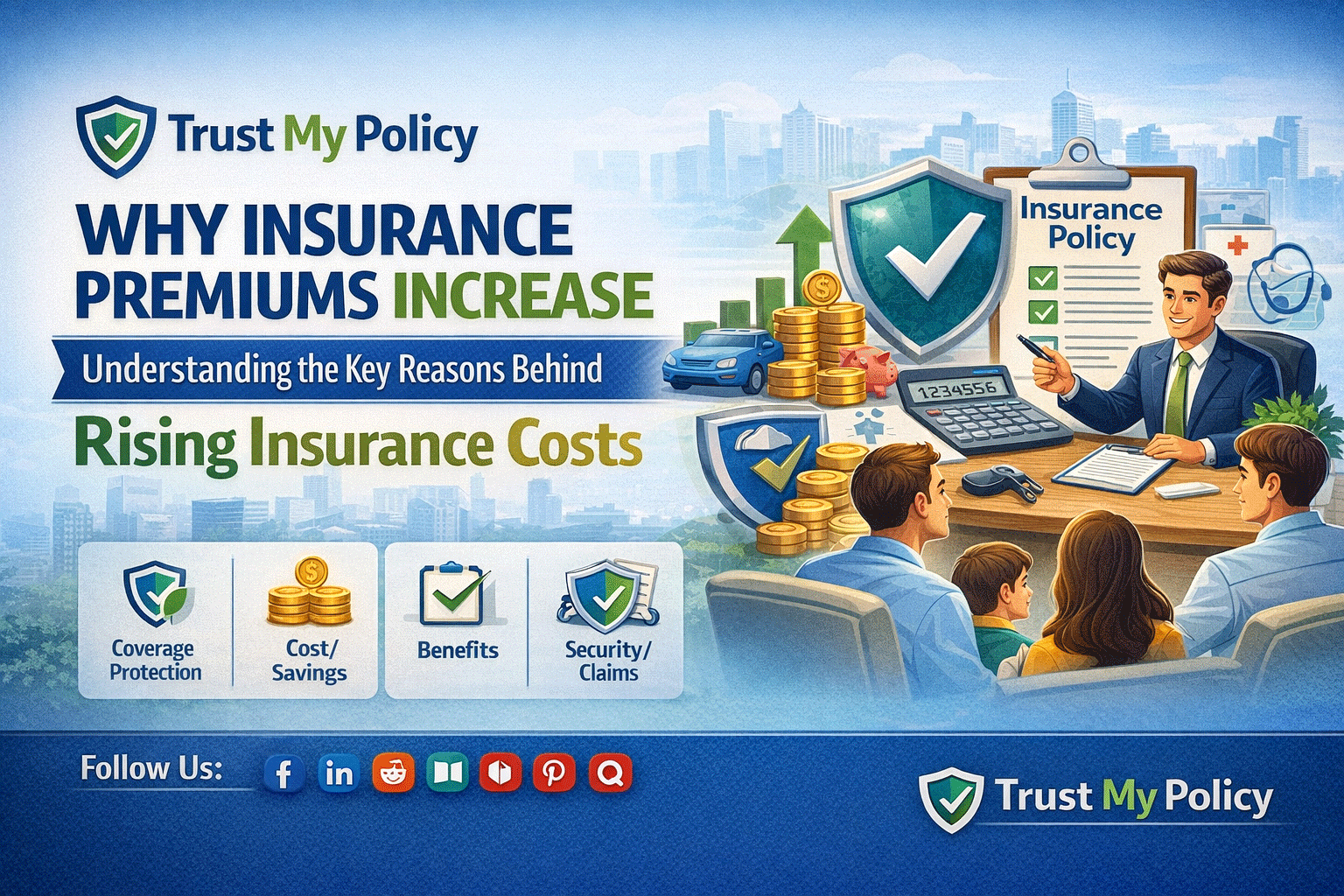
Why Insurance Premiums Increase: Understanding the Key Reasons Behind Rising Insurance Costs
Insurance helps people manage financial risks related to health, accidents, property damage, and other unexpected events. When someone buys an insurance policy, they pay a regular amount called a premium. This payment allows the insurance company to provide financial protection when a covered event occurs.
However, many policyholders notice that their insurance premiums increase over time. This can happen even if they did not file a claim or change their coverage. Rising premiums often lead to confusion and frustration, especially when people do not understand the reasons behind the increase.
In reality, insurance premiums change due to several factors. These may include inflation, higher claim costs, risk assessments, policyholder behavior, and changes in regulations or market conditions. Insurance companies regularly review these factors to calculate the cost of coverage.
Understanding why insurance premiums increase helps policyholders make informed decisions about their coverage. It also helps them manage costs and avoid surprises during policy renewal.
This guide explains the main reasons insurance premiums rise, how insurers calculate premium adjustments, and what policyholders should know about premium changes. The article also includes comparisons, examples, and answers to common questions about insurance pricing.
Why Insurance Premiums Increase
| Factor | What It Means | How It Affects Premiums |
|---|---|---|
| Inflation | Rising costs of services and repairs | Increases overall insurance costs |
| Claim History | Previous claims made by policyholder | Higher risk leads to higher premiums |
| Age and Risk Profile | Changes in personal risk factors | Higher risk may increase cost |
| Market Conditions | Industry-wide cost changes | Premiums may rise across many policies |
| Coverage Changes | Increasing coverage limits or adding benefits | Higher coverage leads to higher premiums |
| Regulatory Changes | New rules or government policies | May affect pricing structures |
, benefits, and financial protection options available to policyholders. Many readers compare multiple guides before selecting a plan so they can clearly evaluate premiums, claim procedures, and long‑term advantages. A useful resource to explore is Car Insurance Deductible, which explains how this insurance policy works, the key benefits it offers, and situations where it may be the most suitable option. By reviewing this guide, you can gain deeper insights into coverage features, eligibility requirements, and practical tips that help individuals and families make smarter insurance decisions.
What Is an Insurance Premium?
An insurance premium is the amount a policyholder pays to maintain an insurance policy.
This payment may be made:
-
Monthly
-
Quarterly
-
Semi-annually
-
Annually
The premium allows the insurance company to provide coverage based on the policy terms.
Premiums vary depending on several factors such as:
-
Type of insurance
-
Risk level
-
Coverage limits
-
Deductibles
-
Policyholder characteristics
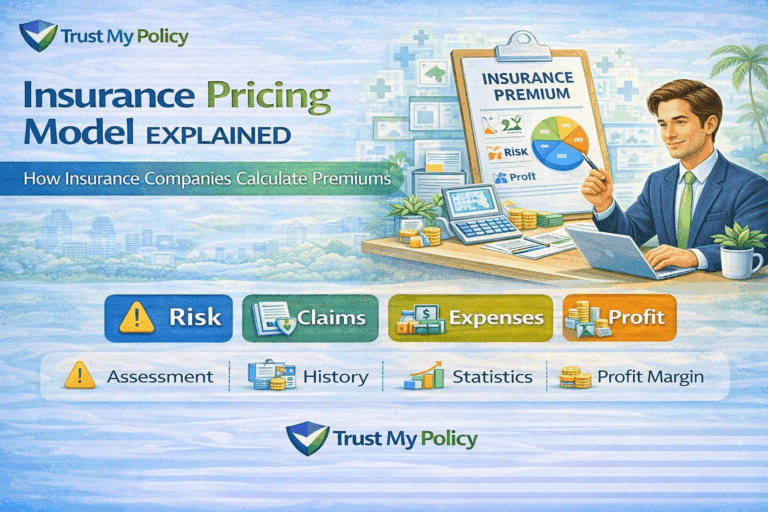
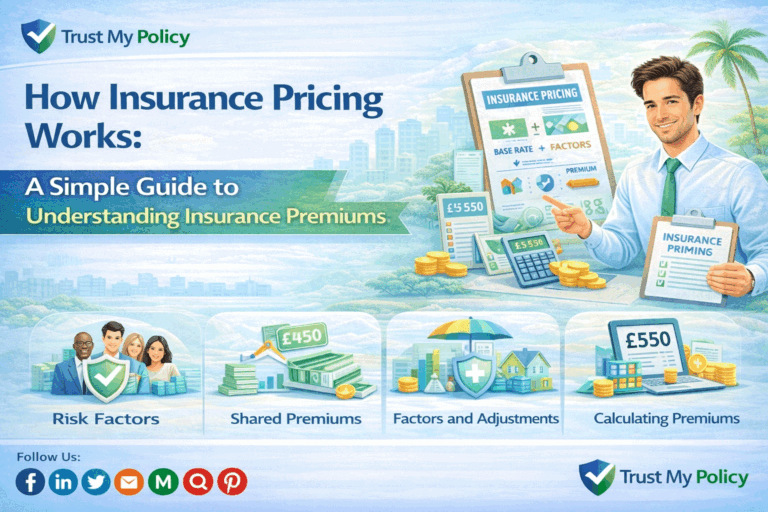
Insurance companies calculate premiums using statistical data and risk assessment models.
What Does It Mean When Insurance Premiums Increase?
When an insurance premium increases, it means the policyholder must pay a higher amount to continue their coverage during the next renewal period.
Premium increases may occur because:
-
The risk associated with the policy has increased
-
The cost of claims has risen
-
External economic conditions have changed
Premium changes usually occur during policy renewal rather than during the active policy period.
Key Reasons Why Insurance Premiums Increase
1. Inflation and Rising Costs
Inflation affects many industries, including insurance.
When prices increase for:
-
Medical treatments
-
Car repairs
-
Construction materials
-
Replacement parts
Insurance companies must adjust premiums to keep up with the rising cost of claims.
For example:
-
Medical inflation can increase health insurance premiums.
-
Higher repair costs can increase auto insurance premiums.
2. Increase in Claim Frequency
If more people file claims within a certain category of insurance, insurers may adjust premiums.
Examples include:
-
Increased accident rates
-
Natural disasters
-
Higher healthcare usage
Higher claim frequency increases the financial burden on insurers, which may lead to higher premiums for policyholders.
3. Claim History of the Policyholder
Insurance companies often review the claims history of individual policyholders.
If someone frequently files claims, the insurer may consider them a higher risk.
Possible outcomes include:
-
Increased premiums
-
Reduced discounts
-
Higher deductibles
On the other hand, policyholders with fewer claims may receive lower premium adjustments.
4. Age and Risk Factors
Personal risk factors can influence insurance premiums.
Examples include:
Health Insurance
-
Age
-
Lifestyle habits
-
Medical conditions
Car Insurance
-
Driving record
-
Age of driver
-
Accident history
As risk increases, insurance companies may adjust premiums accordingly.
5. Changes in Coverage
If a policyholder modifies their insurance policy, premiums may increase.
Examples include:
-
Increasing coverage limits
-
Adding riders or benefits
-
Expanding protection areas
More coverage typically means the insurer takes on more risk, which can lead to higher premiums.
6. Location-Based Risk
Location plays an important role in insurance pricing.
For example:
-
Areas prone to floods or earthquakes
-
Cities with higher accident rates
-
Regions with higher theft rates
If the risk level of a location increases, insurance premiums may also increase.
7. Natural Disasters and Climate Risks
Climate-related events are becoming more frequent in many parts of the world.
Examples include:
-
Hurricanes
-
Floods
-
Wildfires
-
Severe storms
These events increase claim payouts for insurers, which may lead to premium adjustments for policies in affected regions.
8. Regulatory and Legal Changes
Government regulations can affect insurance pricing.
Changes may include:
-
New consumer protection laws
-
Mandatory coverage requirements
-
Tax changes
-
Healthcare policy reforms
Insurance companies must adjust their pricing models to comply with these regulations.
9. Industry-Wide Market Trends
Insurance pricing is also influenced by market conditions.
Examples include:
-
Reinsurance costs
-
Global economic trends
-
Investment performance of insurers
If insurers face higher operational costs, premiums may increase across the market.
, benefits, and financial protection options available to policyholders. Many readers compare multiple guides before selecting a plan so they can clearly evaluate premiums, claim procedures, and long‑term advantages. A useful resource to explore is Car Insurance Deductible, which explains how this insurance policy works, the key benefits it offers, and situations where it may be the most suitable option. By reviewing this guide, you can gain deeper insights into coverage features, eligibility requirements, and practical tips that help individuals and families make smarter insurance decisions. , benefits, and financial protection options available to policyholders. Many readers compare multiple guides before selecting a plan so they can clearly evaluate premiums, claim procedures, and long‑term advantages. A useful resource to explore is Car Insurance for Young Drivers, which explains how this insurance policy works, the key benefits it offers, and situations where it may be the most suitable option. By reviewing this guide, you can gain deeper insights into coverage features, eligibility requirements, and practical tips that help individuals and families make smarter insurance decisions.
Detailed Comparison: Factors That Influence Premium Increases
| Factor | Description | Example | Impact Level |
|---|---|---|---|
| Inflation | Rising cost of goods and services | Medical treatment costs | High |
| Claims Frequency | More people filing claims | Increase in accidents | High |
| Personal Claims History | Individual claim records | Multiple car accident claims | Medium |
| Coverage Changes | Higher protection limits | Increased home insurance coverage | Medium |
| Location Risk | Risk associated with geographic area | Flood-prone regions | High |
| Age and Health Factors | Risk changes based on personal characteristics | Aging population | Medium |
| Climate Risks | Natural disaster frequency | Wildfires or hurricanes | High |
| Regulation Changes | Government policy updates | Healthcare reforms | Low to Medium |
Pros and Cons of Premium Adjustments
Advantages
Premium adjustments can help maintain stability in the insurance system.
Benefits include:
-
Ensures insurers remain financially stable
-
Helps maintain adequate coverage for risks
-
Allows insurers to pay future claims
-
Reflects real-world economic conditions
-
Encourages risk management among policyholders
Disadvantages
Premium increases may create challenges for policyholders.
Possible concerns include:
-
Higher financial burden
-
Reduced affordability for some households
-
Confusion about pricing changes
-
Unexpected renewal costs
-
Potential reduction in coverage if people downgrade policies
, benefits, and financial protection options available to policyholders. Many readers compare multiple guides before selecting a plan so they can clearly evaluate premiums, claim procedures, and long‑term advantages. A useful resource to explore is Home Insurance Premium Factors, which explains how this insurance policy works, the key benefits it offers, and situations where it may be the most suitable option. By reviewing this guide, you can gain deeper insights into coverage features, eligibility requirements, and practical tips that help individuals and families make smarter insurance decisions.
Real-Life Examples of Insurance Premium Increases
Example 1: Health Insurance Premium Increase
A policyholder renews their health insurance after one year.
The premium increases due to:
-
Medical inflation
-
Higher hospital treatment costs
-
Age-related risk adjustments
Even though the policyholder did not file a claim, the premium rises due to broader industry factors.
Example 2: Car Insurance Premium Increase After Accident
A driver files a claim after a car accident.
At renewal, the insurer reviews the driver’s claim history and increases the premium due to the higher perceived risk.
Example 3: Home Insurance Premium Increase After Natural Disaster
A region experiences several floods in a single year.
Insurance companies adjust premiums for homeowners in the area because future claims are more likely.
Common Misunderstandings About Premium Increases
Many policyholders misunderstand how insurance pricing works.
1. Premiums Only Increase After Claims
This is not always true.
Premiums can increase due to industry-wide changes, inflation, or regional risk factors.
2. Insurance Companies Increase Prices Randomly
Premiums are usually calculated using data and risk analysis.
Insurers use statistical models to determine appropriate pricing.
3. Premiums Never Decrease
Premiums can sometimes decrease if risk levels drop or if policyholders qualify for discounts.
4. All Policies Increase at the Same Rate
Different policies may have different risk levels and pricing structures.
Premium increases may vary between individuals.
5. Switching Policies Always Reduces Premiums
Changing policies does not always guarantee lower premiums because risk factors remain important.
, benefits, and financial protection options available to policyholders. Many readers compare multiple guides before selecting a plan so they can clearly evaluate premiums, claim procedures, and long‑term advantages. A useful resource to explore is Insurance for Startups, which explains how this insurance policy works, the key benefits it offers, and situations where it may be the most suitable option. By reviewing this guide, you can gain deeper insights into coverage features, eligibility requirements, and practical tips that help individuals and families make smarter insurance decisions.
Frequently Asked Questions (FAQs)
1. Why do insurance premiums increase every year?
Premiums may increase due to inflation, rising claim costs, and changes in risk assessments.
2. Can premiums increase even if I did not file a claim?
Yes. Premiums can rise because of industry trends, inflation, or regional risks.
3. Does age affect insurance premiums?
Yes. Age can influence risk levels in health, life, and auto insurance, which may affect premiums.
4. Do natural disasters increase insurance premiums?
Frequent natural disasters can increase claim payouts, which may lead insurers to adjust premiums.
5. How often do insurance premiums change?
Premiums typically change during policy renewal periods, which may occur annually or semi-annually.
6. Can policy changes increase premiums?
Yes. Increasing coverage limits or adding policy benefits may increase the premium amount.
7. Are premium increases the same worldwide?
No. Insurance pricing varies depending on country regulations, market conditions, and risk factors.
Conclusion
Insurance premiums play a key role in maintaining financial protection against unexpected risks. While rising premiums may feel frustrating, they are often the result of broader economic and risk-related factors.
Premium increases can occur due to inflation, higher claim costs, personal risk changes, natural disasters, and industry-wide market trends. Insurance companies adjust premiums to ensure they can continue paying claims and providing coverage.
Understanding the reasons behind premium increases helps policyholders make informed decisions about their insurance coverage. Reviewing policy terms, understanding coverage limits, and staying aware of risk factors can make insurance management easier.
By learning how insurance pricing works, policyholders can better prepare for renewal changes and maintain appropriate financial protection.
, benefits, and financial protection options available to policyholders. Many readers compare multiple guides before selecting a plan so they can clearly evaluate premiums, claim procedures, and long‑term advantages. A useful resource to explore is Health Insurance Waiting Period , which explains how this insurance policy works, the key benefits it offers, and situations where it may be the most suitable option. By reviewing this guide, you can gain deeper insights into coverage features, eligibility requirements, and practical tips that help individuals and families make smarter insurance decisions.
Disclaimer:
“Disclaimer: This article is for educational purposes only. Trust My Policy is an independent informational platform and does not sell insurance products or represent any insurance provider. Readers should consult official policy documents or licensed professionals for personalized advice.