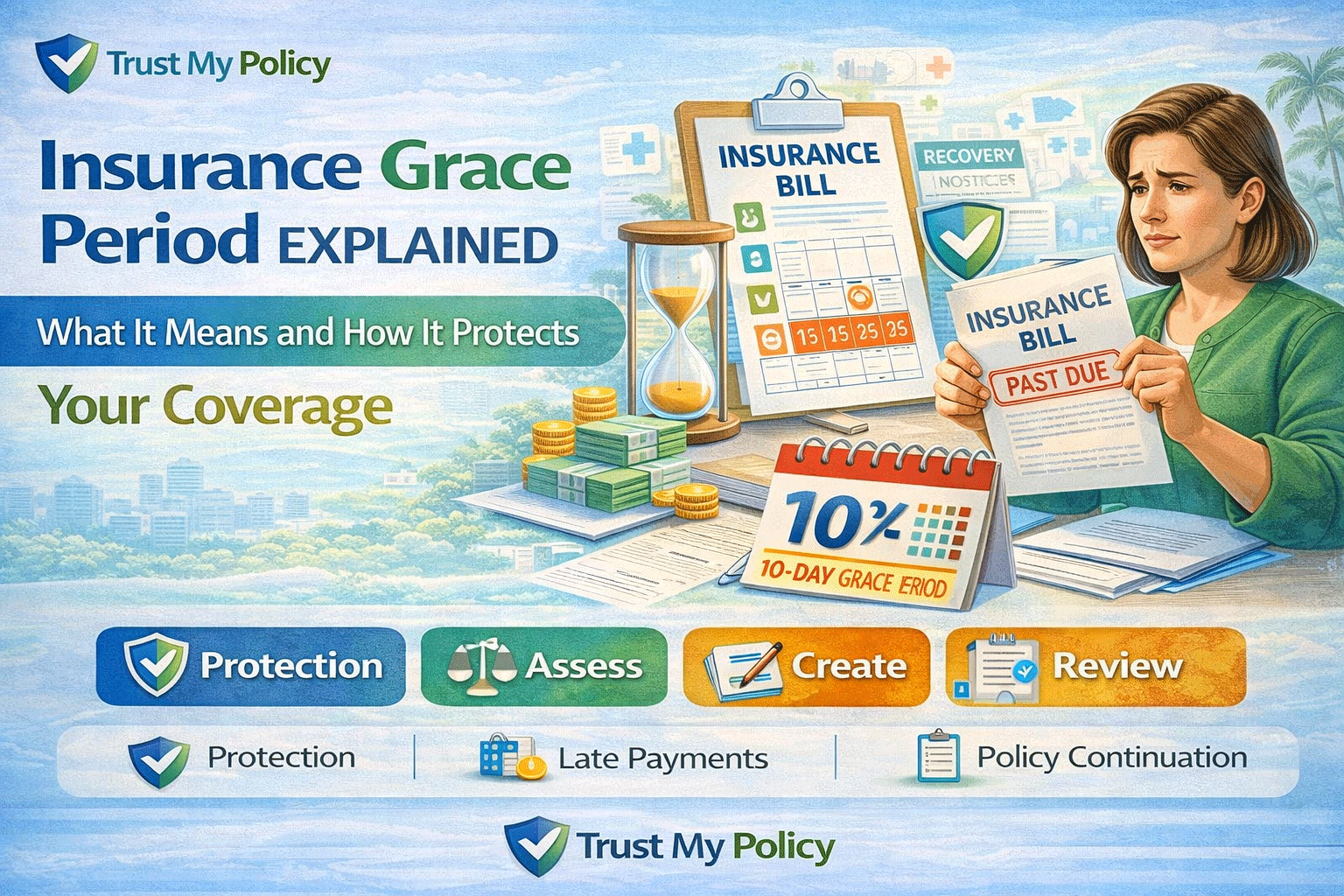
Insurance Grace Period Explained: What It Means and How It Protects Your Coverage
Insurance policies help protect individuals and families from financial loss caused by unexpected events such as illness, accidents, property damage, or death. To keep an insurance policy active, policyholders must pay premiums regularly. These payments may be made monthly, quarterly, or annually depending on the policy terms.
However, people sometimes miss premium payment deadlines due to financial difficulties, travel, or simple oversight. To address this situation, many insurance policies include a grace period. The insurance grace period is a short additional time allowed after the premium due date during which a policyholder can make the payment without losing coverage.
Understanding the insurance grace period is important because it can prevent accidental policy cancellation and help maintain continuous protection. At the same time, policyholders must know the limits of this grace period and what happens if payments are not made within that time.
This guide explains insurance grace period explained in simple terms. It covers how grace periods work, the different types across insurance policies, key benefits and limitations, and common mistakes to avoid. The article also includes comparison tables, real-life examples, and frequently asked questions to help readers clearly understand this important insurance feature.
Insurance Grace Period
| Concept | Meaning | Example |
|---|---|---|
| Grace Period | Extra time allowed after premium due date | 30 days to pay late premium |
| Premium Due Date | Date when payment is expected | 1st of each month |
| Policy Lapse | Policy becomes inactive due to non-payment | Missed payment beyond grace period |
| Reinstatement | Process of restoring a lapsed policy | Paying overdue premium |
| Coverage During Grace Period | Protection may continue temporarily | Claims may still be eligible |
, benefits, and financial protection options available to policyholders. Many readers compare multiple guides before selecting a plan so they can clearly evaluate premiums, claim procedures, and long‑term advantages. A useful resource to explore is Best Health Insurance within the USA for 2026, which explains how this insurance policy works, the key benefits it offers, and situations where it may be the most suitable option. By reviewing this guide, you can gain deeper insights into coverage features, eligibility requirements, and practical tips that help individuals and families make smarter insurance decisions.
What Is an Insurance Grace Period?
An insurance grace period is a specific period after the premium due date during which a policyholder can make a payment without losing insurance coverage.
This period is usually defined in the policy terms.
Common grace period lengths include:
-
7 to 15 days for monthly payments
-
30 days for quarterly or annual payments
During the grace period:
-
The policy usually remains active.
-
The policyholder can still make the overdue payment.
-
Coverage may continue depending on the policy conditions.
If the premium is not paid within the grace period, the policy may lapse, meaning coverage stops.
Why Insurance Policies Include a Grace Period
Insurance companies include grace periods for several reasons.
Payment Flexibility
People sometimes miss payment deadlines unintentionally. A grace period allows them to correct the mistake.
Customer Protection
Grace periods help prevent sudden policy cancellation.
Continuous Coverage
The grace period helps maintain uninterrupted protection if payment delays are short.
Administrative Efficiency
It reduces the need for frequent policy cancellations and reinstatements.
Types of Grace Periods in Different Insurance Policies
Grace periods can vary depending on the type of insurance policy.
1. Life Insurance Grace Period
Life insurance policies commonly include a 30-day grace period.
During this time:
-
The policy remains active.
-
Beneficiaries may still receive benefits if the insured person dies during the grace period.
However, overdue premiums may be deducted from the payout.
2. Health Insurance Grace Period
Health insurance policies may include grace periods of 15 to 30 days, depending on the payment schedule.
Key points:
-
Coverage may continue during the grace period.
-
Claims may be processed once the overdue premium is paid.
3. Auto Insurance Grace Period
Auto insurance policies sometimes offer short grace periods.
Typical duration:
-
10 to 20 days
If payment is not made within this time, the policy may be canceled and the driver may lose coverage.
4. Home Insurance Grace Period
Homeowners insurance policies may allow a short grace period to pay overdue premiums.
Coverage usually remains active during this time, but rules may vary between policies.
, benefits, and financial protection options available to policyholders. Many readers compare multiple guides before selecting a plan so they can clearly evaluate premiums, claim procedures, and long‑term advantages. A useful resource to explore is Benefits of Insurance Explained, which explains how this insurance policy works, the key benefits it offers, and situations where it may be the most suitable option. By reviewing this guide, you can gain deeper insights into coverage features, eligibility requirements, and practical tips that help individuals and families make smarter insurance decisions.
Insurance Grace Period by Policy Type
| Insurance Type | Typical Grace Period | Coverage Status | Key Notes |
|---|---|---|---|
| Life Insurance | 30 days | Usually continues | Death benefits may still apply |
| Health Insurance | 15–30 days | Often continues | Payment required before claim processing |
| Auto Insurance | 10–20 days | May continue temporarily | Policy may cancel if unpaid |
| Home Insurance | 10–30 days | Usually continues | Depends on insurer rules |
What Happens During the Insurance Grace Period
During the grace period, several important things may occur.
Policy Remains Active
In many cases, the policy continues to provide protection temporarily.
Premium Is Still Due
The overdue premium must be paid before the grace period ends.
Claims May Be Reviewed
If a claim occurs during the grace period, the insurer may require the premium payment before processing the claim.
Policy May Lapse After Grace Period
If payment is not made by the end of the grace period, the policy may become inactive.
Insurance Grace Period vs Policy Lapse
Understanding the difference between a grace period and a policy lapse is important.
| Feature | Grace Period | Policy Lapse |
|---|---|---|
| Definition | Extra time to pay premium | Policy becomes inactive |
| Coverage | Usually continues temporarily | Coverage stops |
| Payment Option | Payment still allowed | Reinstatement required |
| Risk Level | Low risk | High risk of losing protection |
, benefits, and financial protection options available to policyholders. Many readers compare multiple guides before selecting a plan so they can clearly evaluate premiums, claim procedures, and long‑term advantages. A useful resource to explore is Insurance Options for Gig Workers, which explains how this insurance policy works, the key benefits it offers, and situations where it may be the most suitable option. By reviewing this guide, you can gain deeper insights into coverage features, eligibility requirements, and practical tips that help individuals and families make smarter insurance decisions.
Pros and Cons of Insurance Grace Periods
Advantages
Grace periods provide several benefits for policyholders.
-
Prevent accidental policy cancellation
-
Allow flexibility for late payments
-
Maintain temporary coverage
-
Reduce administrative complications
-
Support continuous insurance protection
Disadvantages
Grace periods may also have limitations.
-
Coverage may be limited in some cases
-
Claims may require premium payment first
-
Policy may lapse if payment is not made
-
Some policies may have short grace periods
-
Late payments may affect future policy management
Real-Life Examples of Insurance Grace Periods
Example 1: Life Insurance Grace Period
A life insurance policyholder has a premium due on March 1.
The policy includes a 30-day grace period.
If the policyholder pays the premium on March 20, the policy remains active and coverage continues without interruption.
Example 2: Health Insurance Grace Period
A person misses their health insurance premium due on July 10.
The policy provides a 15-day grace period.
If the payment is made before July 25, the policy continues normally.
If payment is not made, the policy may lapse.
Example 3: Auto Insurance Grace Period
A driver forgets to pay the auto insurance premium due on January 5.
The policy offers a 10-day grace period.
If the payment is made before January 15, coverage remains active.
If not, the policy may be canceled.
Common Mistakes About Insurance Grace Periods
Many policyholders misunderstand how grace periods work.
Assuming Grace Period Means Free Coverage
The premium must still be paid. The grace period simply allows extra time.
Ignoring Grace Period Deadlines
Waiting too long can result in policy lapse.
Believing All Policies Have the Same Grace Period
Grace periods vary depending on policy type and insurer.
Forgetting Automatic Payment Options
Missed payments can sometimes be avoided by enabling automatic premium payments.
Assuming Claims Are Always Covered During Grace Period
Some insurers may require premium payment before processing claims.
, benefits, and financial protection options available to policyholders. Many readers compare multiple guides before selecting a plan so they can clearly evaluate premiums, claim procedures, and long‑term advantages. A useful resource to explore is Who Should Buy Insurance, which explains how this insurance policy works, the key benefits it offers, and situations where it may be the most suitable option. By reviewing this guide, you can gain deeper insights into coverage features, eligibility requirements, and practical tips that help individuals and families make smarter insurance decisions.
Frequently Asked Questions (FAQs)
1. What is an insurance grace period?
An insurance grace period is extra time allowed after a premium due date during which the policyholder can make payment without losing coverage.
2. How long is the typical insurance grace period?
Grace periods usually range from 7 to 30 days, depending on the policy type and payment schedule.
3. Does insurance coverage continue during the grace period?
In many cases, coverage continues temporarily, but the premium must still be paid.
4. What happens if the premium is not paid during the grace period?
If the payment is not made, the policy may lapse and coverage may stop.
5. Can a policy be reinstated after it lapses?
Some insurers allow policy reinstatement if overdue premiums are paid and certain conditions are met.
6. Do all insurance policies include a grace period?
Many policies include grace periods, but the length and conditions vary.
7. Is the grace period the same as a waiting period?
No. A grace period allows late payment, while a waiting period refers to the time before certain benefits become available.
Conclusion
The insurance grace period is an important feature that helps policyholders maintain coverage even if they miss a premium payment deadline. It provides a short window of time to make overdue payments without immediately losing protection.
Grace periods vary depending on the type of insurance policy and payment schedule. While many policies continue coverage during the grace period, policyholders must still pay the premium before the period ends to avoid policy lapse.
Understanding how the grace period works helps individuals manage their insurance policies more effectively and avoid unexpected coverage interruptions. Reviewing policy documents and keeping track of payment deadlines can ensure continuous protection against financial risks.
Insurance is designed to provide long-term financial security, and the grace period plays a small but important role in supporting that goal.
, benefits, and financial protection options available to policyholders. Many readers compare multiple guides before selecting a plan so they can clearly evaluate premiums, claim procedures, and long‑term advantages. A useful resource to explore is Private vs Public Health Insurance, which explains how this insurance policy works, the key benefits it offers, and situations where it may be the most suitable option. By reviewing this guide, you can gain deeper insights into coverage features, eligibility requirements, and practical tips that help individuals and families make smarter insurance decisions.
Disclaimer:
“Disclaimer: This article is for educational purposes only. Trust My Policy is an independent informational platform and does not sell insurance products or represent any insurance provider. Readers should consult official policy documents or licensed professionals for personalized advice.”