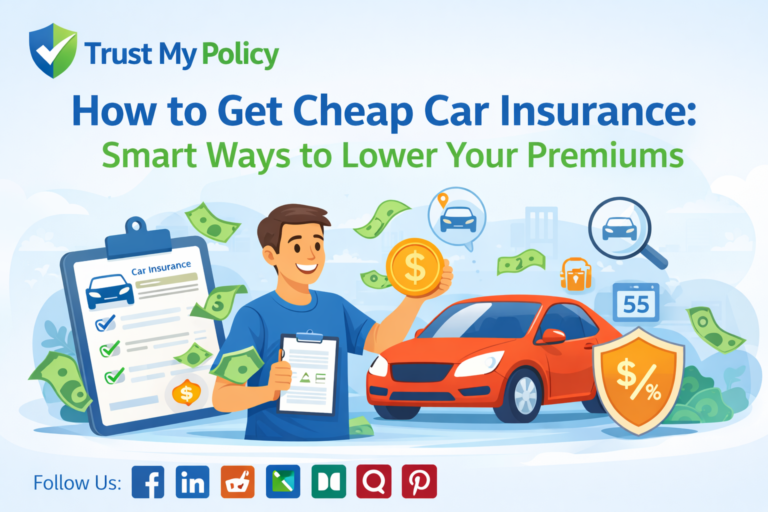
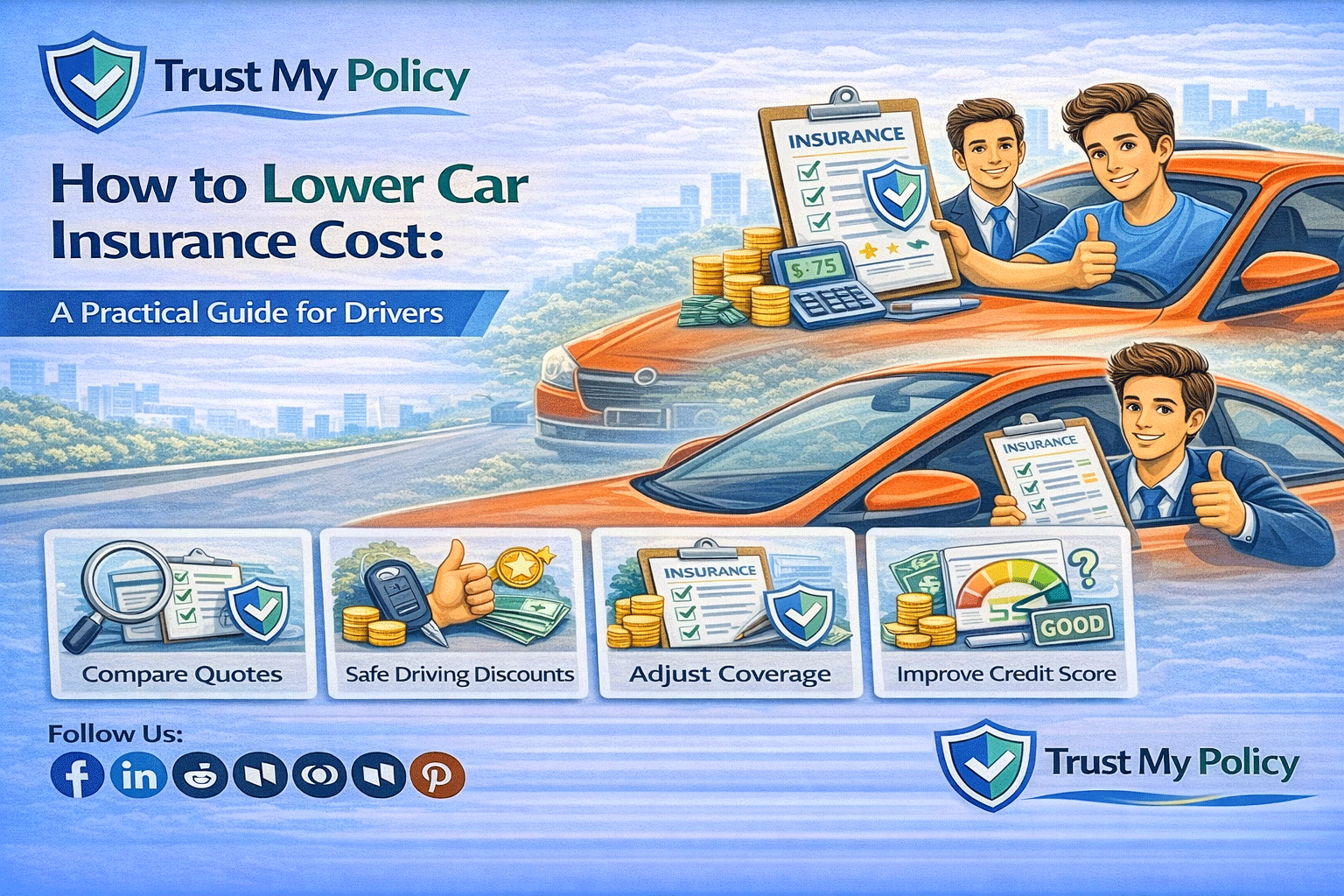
How to Lower Car Insurance Cost: A Practical Guide for Drivers
Car insurance plays an important role in protecting drivers from financial losses caused by accidents, vehicle damage, theft, or liability claims. In many countries, having car insurance is also a legal requirement for vehicle owners. However, one common concern among drivers worldwide is the cost of insurance premiums.
Many drivers wonder how to lower car insurance cost without sacrificing important coverage. Insurance premiums can vary widely depending on factors such as driving history, vehicle type, location, coverage levels, and claim records. While some factors are outside a driver’s control, several strategies can help reduce insurance costs over time.
Understanding how insurance companies calculate premiums can help drivers make informed decisions when selecting coverage options. By reviewing policies carefully, adjusting deductibles, maintaining safe driving habits, and comparing different policy options, drivers may be able to manage their insurance expenses more effectively.
Learning how to reduce car insurance premiums is not about choosing the cheapest option available. Instead, it involves balancing affordability with adequate financial protection in case of accidents or vehicle damage.
This guide explains the main factors that influence insurance pricing and provides practical strategies to help drivers lower their car insurance costs while maintaining essential coverage.
Table of Contents
ToggleWays to Lower Car Insurance Cost
| Strategy | How It Works | Example | Possible Impact |
|---|---|---|---|
| Increase Deductible | Pay more during claims but lower premium | $1,000 deductible | Lower monthly premium |
| Maintain Safe Driving | Fewer accidents reduce risk | Clean driving record | Long-term savings |
| Compare Insurance Policies | Different insurers offer different rates | Review multiple quotes | Competitive pricing |
| Choose Appropriate Coverage | Avoid unnecessary coverage | Adjust optional coverage | Balanced cost |
| Improve Vehicle Safety | Safety features reduce risk | Anti-lock brakes | Possible premium reduction |
| Review Policy Annually | Update policy when circumstances change | New vehicle value | Prevent overpaying |
, benefits, and financial protection options available to policyholders. Many readers compare multiple guides before selecting a plan so they can clearly evaluate premiums, claim procedures, and long‑term advantages. A useful resource to explore is Best Home Insurance in Florida, which explains how this insurance policy works, the key benefits it offers, and situations where it may be the most suitable option. By reviewing this guide, you can gain deeper insights into coverage features, eligibility requirements, and practical tips that help individuals and families make smarter insurance decisions.
Understanding How Car Insurance Costs Are Calculated
Before exploring ways to reduce insurance costs, it is useful to understand how insurers determine premiums.
Insurance companies estimate risk based on several factors.
These may include:
-
Driver age and experience
-
Driving history
-
Vehicle type and value
-
Location and accident rates
-
Claim history
-
Coverage limits and deductibles
Drivers who represent lower risk are often offered lower premiums.
Key Factors That Influence Car Insurance Costs
Understanding these factors helps drivers identify opportunities to reduce insurance expenses.
Driving History
A driver’s record plays a major role in determining insurance premiums.
Drivers with:
-
No accidents
-
No traffic violations
-
Long driving experience
are often considered lower risk.
This may lead to lower premiums over time.
Vehicle Type
The type of vehicle insured can influence insurance costs.
Vehicles that may result in lower premiums often have:
-
Moderate engine power
-
Lower repair costs
-
Strong safety ratings
Vehicles with high repair costs or powerful engines may increase insurance premiums.
Location
Insurance costs may vary depending on where a driver lives or operates their vehicle.
Factors that may influence pricing include:
-
Traffic congestion
-
Accident rates
-
Theft statistics
-
Weather-related risks
Urban areas may sometimes have higher premiums due to higher accident probability.
Coverage Limits
Higher coverage limits increase the potential payout by the insurer.
As a result:
-
Higher limits usually lead to higher premiums.
Drivers should balance coverage levels with their financial protection needs.
Deductibles
A deductible is the amount a policyholder pays before the insurer contributes to a claim.
Higher deductibles usually result in lower premiums, while lower deductibles increase premiums.
, benefits, and financial protection options available to policyholders. Many readers compare multiple guides before selecting a plan so they can clearly evaluate premiums, claim procedures, and long‑term advantages. A useful resource to explore is HMO vs PPO Health Insurance Plans, which explains how this insurance policy works, the key benefits it offers, and situations where it may be the most suitable option. By reviewing this guide, you can gain deeper insights into coverage features, eligibility requirements, and practical tips that help individuals and families make smarter insurance decisions.
Practical Strategies to Lower Car Insurance Cost
Drivers can take several steps to manage insurance expenses effectively.
Choose a Higher Deductible
Increasing the deductible may reduce the premium.
Example:
-
$250 deductible → Higher premium
-
$1,000 deductible → Lower premium
However, drivers should ensure they can afford the deductible if a claim occurs.
Maintain Safe Driving Habits
Safe driving reduces accident risk and may lead to lower premiums over time.
Important habits include:
-
Following traffic laws
-
Avoiding distracted driving
-
Maintaining safe speeds
-
Driving cautiously in poor weather
Compare Insurance Policies
Different insurers may evaluate risk differently.
Comparing multiple policies may help drivers find competitive pricing.
Policy comparisons may include:
-
Coverage levels
-
Deductibles
-
Premium costs
-
Policy terms
Review Coverage Regularly
Vehicle value changes over time.
Reviewing coverage annually can help ensure the policy still fits the vehicle’s current value.
This may prevent overpaying for unnecessary coverage.
Improve Vehicle Safety
Cars equipped with safety technologies may reduce accident risk.
Examples include:
-
Anti-lock braking systems
-
Electronic stability control
-
Collision warning systems
Safety features may influence insurance pricing.
Detailed Comparison of Cost-Reduction Strategies
| Strategy | Cost Reduction Potential | Financial Risk | Best For |
|---|---|---|---|
| Higher Deductible | Moderate to High | Higher claim cost | Drivers with savings |
| Safe Driving | Long-term savings | Low risk | All drivers |
| Policy Comparison | Moderate | Low risk | Policy renewals |
| Adjust Coverage | Moderate | Reduced protection if too low | Older vehicles |
| Safety Features | Possible reduction | Low risk | New vehicles |
, benefits, and financial protection options available to policyholders. Many readers compare multiple guides before selecting a plan so they can clearly evaluate premiums, claim procedures, and long‑term advantages. A useful resource to explore is Insurance for Online Businesses, which explains how this insurance policy works, the key benefits it offers, and situations where it may be the most suitable option. By reviewing this guide, you can gain deeper insights into coverage features, eligibility requirements, and practical tips that help individuals and families make smarter insurance decisions.
Pros and Cons of Lowering Car Insurance Costs
Advantages
-
Helps reduce monthly or annual insurance expenses
-
Encourages safer driving habits
-
Allows drivers to customize coverage based on needs
-
Improves financial planning
Limitations
-
Higher deductibles increase out-of-pocket costs during claims
-
Lower coverage limits may reduce financial protection
-
Not all drivers qualify for the same premium reductions
-
Savings may vary by region or insurer
Understanding these trade-offs helps drivers make balanced decisions.
Real-Life Examples
Example 1: Increasing Deductible
A driver increases their deductible from $300 to $1,000.
Outcome:
-
Insurance premium decreases
-
Driver assumes more responsibility during claims.
Example 2: Maintaining a Clean Driving Record
A driver avoids accidents and traffic violations for several years.
Outcome:
-
Risk profile improves
-
Premiums may decrease during policy renewal.
Example 3: Adjusting Coverage for an Older Vehicle
A vehicle’s market value decreases significantly over time.
The driver reviews coverage and adjusts optional protection.
Outcome:
-
Premium cost decreases while maintaining essential coverage.
Common Mistakes When Trying to Lower Insurance Costs
Choosing the Lowest Price Without Reviewing Coverage
Cheaper policies may provide limited protection.
Selecting Very High Deductibles Without Financial Backup
Drivers should ensure they can afford deductible payments if a claim occurs.
Ignoring Policy Terms
Policy exclusions and limits should be clearly understood.
Not Reviewing Insurance Regularly
Insurance needs may change as vehicles age or driving patterns change.
Filing Frequent Small Claims
Frequent claims may affect long-term insurance pricing.
, benefits, and financial protection options available to policyholders. Many readers compare multiple guides before selecting a plan so they can clearly evaluate premiums, claim procedures, and long‑term advantages. A useful resource to explore is Insurance Pricing Model, which explains how this insurance policy works, the key benefits it offers, and situations where it may be the most suitable option. By reviewing this guide, you can gain deeper insights into coverage features, eligibility requirements, and practical tips that help individuals and families make smarter insurance decisions.
Frequently Asked Questions (FAQs)
How can drivers lower car insurance cost?
Drivers may reduce insurance costs by maintaining safe driving habits, increasing deductibles, comparing policies, and reviewing coverage levels regularly.
Does a higher deductible reduce insurance premiums?
Yes. Higher deductibles usually result in lower premiums because the policyholder shares more of the financial risk.
Does driving history affect insurance pricing?
Yes. Drivers with clean driving records generally receive lower premiums than drivers with accidents or violations.
Can vehicle type influence insurance costs?
Yes. Vehicles with high repair costs or powerful engines may increase insurance premiums.
Should drivers reduce coverage to save money?
Drivers should balance affordability with adequate financial protection when adjusting coverage.
How often should insurance policies be reviewed?
Policies may be reviewed annually or when significant changes occur, such as purchasing a new vehicle.
Conclusion
Understanding how to lower car insurance cost requires awareness of the factors that influence insurance premiums. Insurance companies evaluate risk based on driver behavior, vehicle characteristics, location, and policy structure.
Drivers can manage insurance costs by maintaining safe driving habits, choosing appropriate deductibles, reviewing coverage regularly, and comparing policy options. While reducing premiums is an important goal, it is equally important to maintain adequate protection against accidents, vehicle damage, and liability claims.
A thoughtful approach to insurance decisions allows drivers to balance affordability with financial security, ensuring they remain protected while managing their insurance expenses effectively.
, benefits, and financial protection options available to policyholders. Many readers compare multiple guides before selecting a plan so they can clearly evaluate premiums, claim procedures, and long‑term advantages. A useful resource to explore is Best Health Insurance for Self-Employed, which explains how this insurance policy works, the key benefits it offers, and situations where it may be the most suitable option. By reviewing this guide, you can gain deeper insights into coverage features, eligibility requirements, and practical tips that help individuals and families make smarter insurance decisions.
Disclaimer
Disclaimer: This article is for educational purposes only. Trust My Policy is an independent informational platform and does not sell insurance products or represent any insurance provider. Readers should consult official policy documents or licensed professionals for personalized advice.