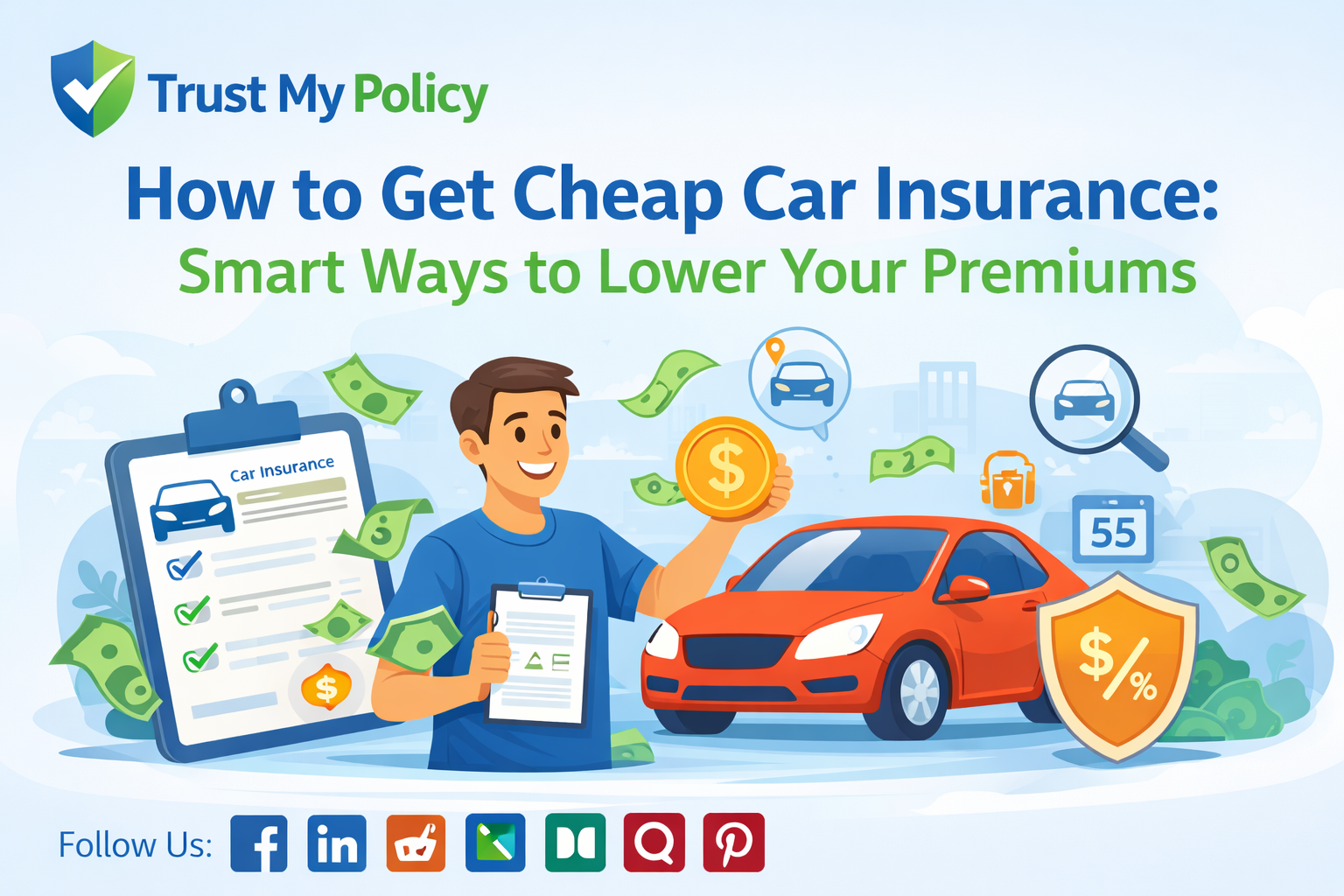
How to Get Cheap Car Insurance: Smart Ways to Lower Your Premiums
Car insurance is an essential expense for vehicle owners around the world. In many countries, having at least basic car insurance coverage is legally required before driving on public roads. Even where it is optional, insurance helps protect drivers from potentially large financial losses after accidents, theft, or vehicle damage.
However, car insurance premiums can vary widely depending on several factors. Age, driving history, vehicle type, location, and coverage choices all influence how much a driver pays. Because of these differences, many people search for ways to get cheap car insurance without sacrificing important protection.
Finding affordable car insurance is not only about choosing the lowest price. It also involves understanding coverage types, comparing policies carefully, and selecting options that balance cost and protection.
Drivers can often reduce insurance costs by adjusting coverage levels, improving driving records, increasing deductibles, or taking advantage of available discounts.
This guide explains how to get cheap car insurance, explores common coverage options, compares policy types, and highlights practical strategies that drivers can use to lower premiums while maintaining adequate protection.
Ways to Get Cheap Car Insurance
| Strategy | How It Works | Potential Savings | Best For |
|---|---|---|---|
| Compare Multiple Quotes | Reviewing several insurance providers | High | All drivers |
| Increase Deductible | Paying more out of pocket before coverage starts | Medium–High | Low-risk drivers |
| Maintain Good Driving Record | Avoiding accidents and violations | Medium | Long-term savings |
| Choose Minimum Necessary Coverage | Selecting appropriate policy limits | Medium | Older vehicles |
| Bundle Insurance Policies | Combining multiple policies | Medium | Families or homeowners |
| Use Safety Features | Vehicles with safety technology may reduce risk | Low–Medium | Newer cars |
, benefits, and financial protection options available to policyholders. Many readers compare multiple guides before selecting a plan so they can clearly evaluate premiums, claim procedures, and long‑term advantages. A useful resource to explore is Life Insurance Policy Explained, which explains how this insurance policy works, the key benefits it offers, and situations where it may be the most suitable option. By reviewing this guide, you can gain deeper insights into coverage features, eligibility requirements, and practical tips that help individuals and families make smarter insurance decisions.
Understanding Cheap Car Insurance
What Is Car Insurance?
Car insurance is a financial protection policy that helps cover costs associated with vehicle accidents, theft, damage, or liability claims.
Depending on the policy type, insurance may cover:
-
Damage to your vehicle
-
Damage to other vehicles or property
-
Medical expenses for injuries
-
Legal costs after accidents
The purpose of car insurance is to reduce financial risk when unexpected events occur.
Drivers pay insurance premiums, usually monthly or annually, to maintain coverage.
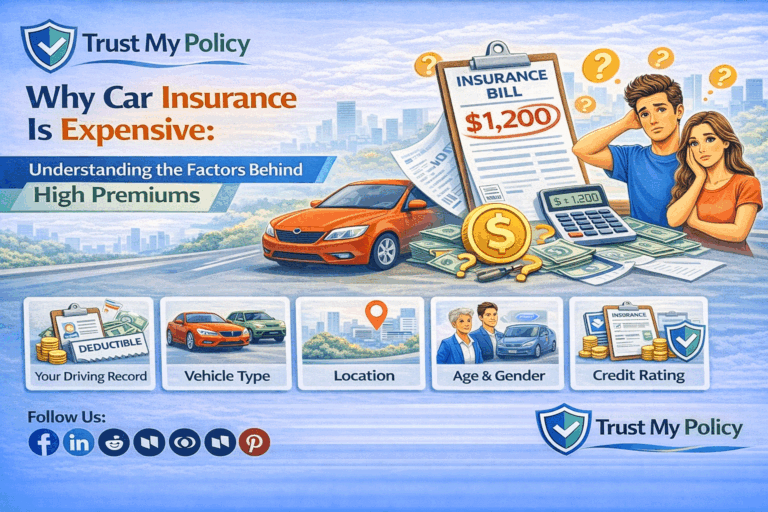
Factors That Affect Car Insurance Prices
Before learning how to reduce costs, it is helpful to understand why insurance premiums vary.
Driving history
Drivers with accidents or traffic violations may pay higher premiums.
Age and driving experience
Young drivers often pay more because they have less driving experience.
Vehicle type
Luxury or high-performance cars usually cost more to insure.
Location
Drivers in busy cities may face higher premiums due to increased accident risk.
Coverage limits
Policies with higher coverage limits typically have higher premiums.
Deductible amount
A deductible is the amount the driver pays before insurance coverage begins.
Types of Car Insurance Coverage
Liability Insurance
Liability insurance covers damage or injuries caused to others if the insured driver is responsible for an accident.
What liability insurance covers
-
Damage to another person’s vehicle
-
Property damage
-
Medical expenses for other drivers or passengers
-
Legal costs
Liability coverage is often required by law in many countries.
Collision Insurance
Collision insurance helps cover the cost of repairing or replacing a vehicle after an accident involving another car or object.
Examples of covered situations
-
Colliding with another vehicle
-
Hitting a fence, wall, or pole
-
Single-car accidents
This coverage is particularly useful for newer or valuable vehicles.
Comprehensive Insurance
Comprehensive insurance protects against non-collision incidents.
Covered events may include
-
Vehicle theft
-
Natural disasters
-
Fire damage
-
Falling objects
-
Vandalism
Comprehensive coverage provides broader protection beyond accidents.
, benefits, and financial protection options available to policyholders. Many readers compare multiple guides before selecting a plan so they can clearly evaluate premiums, claim procedures, and long‑term advantages. A useful resource to explore is Insurance Plans for Self Employed People, which explains how this insurance policy works, the key benefits it offers, and situations where it may be the most suitable option. By reviewing this guide, you can gain deeper insights into coverage features, eligibility requirements, and practical tips that help individuals and families make smarter insurance decisions.
Personal Injury Protection (PIP)
Personal injury protection covers medical expenses for the driver and passengers after an accident.
What it may include
-
Medical treatment
-
Rehabilitation costs
-
Lost wages during recovery
Availability varies depending on local insurance regulations.
Uninsured or Underinsured Motorist Coverage
This type of coverage protects drivers if they are involved in an accident with someone who does not have enough insurance.
What it covers
-
Medical expenses
-
Vehicle repair costs
-
Damage caused by uninsured drivers
Detailed Comparison of Car Insurance Coverage Types
| Coverage Type | Protects Your Car | Covers Other Drivers | Covers Theft | Covers Medical Expenses | Cost Level |
|---|---|---|---|---|---|
| Liability Insurance | No | Yes | No | Sometimes | Low |
| Collision Insurance | Yes | No | No | No | Medium |
| Comprehensive Insurance | Yes | No | Yes | No | Medium |
| Personal Injury Protection | No | No | No | Yes | Medium |
| Uninsured Motorist Coverage | Sometimes | Yes | No | Yes | Medium |
Pros and Cons of Cheap Car Insurance
Advantages
Lower Monthly Expenses
Affordable car insurance helps reduce ongoing transportation costs.
Legal Compliance
Basic insurance policies help drivers meet legal requirements.
Financial Protection
Even inexpensive policies may help cover large accident costs.
Flexibility
Drivers can adjust coverage levels to match their needs and budget.
Disadvantages
Limited Coverage
Cheaper policies may exclude certain types of protection.
Higher Deductibles
Lower premiums may come with higher out-of-pocket costs after accidents.
Reduced Benefits
Some affordable plans may have lower coverage limits.
Coverage Gaps
Drivers may face additional expenses if coverage is insufficient.
, benefits, and financial protection options available to policyholders. Many readers compare multiple guides before selecting a plan so they can clearly evaluate premiums, claim procedures, and long‑term advantages. A useful resource to explore is Liability Insurance for Businesses, which explains how this insurance policy works, the key benefits it offers, and situations where it may be the most suitable option. By reviewing this guide, you can gain deeper insights into coverage features, eligibility requirements, and practical tips that help individuals and families make smarter insurance decisions.
Practical Ways to Get Cheap Car Insurance
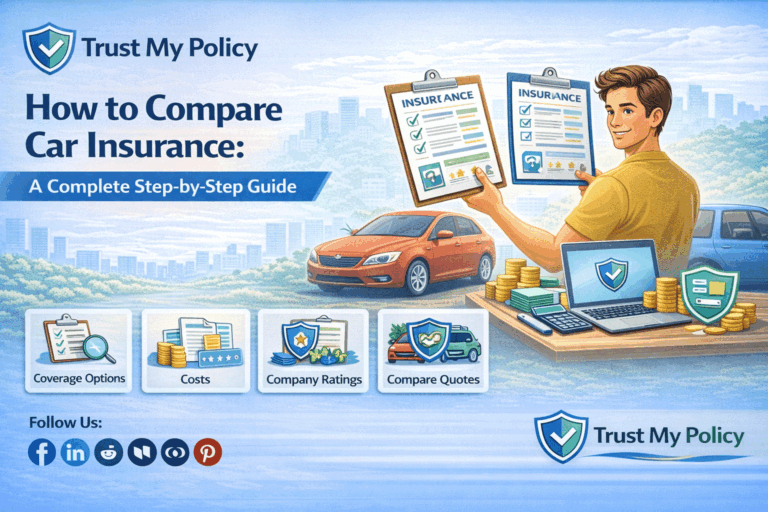
Compare Insurance Quotes
Comparing policies from multiple providers helps drivers find more competitive pricing.
Different insurers may evaluate risk factors differently.
Increase Your Deductible
A higher deductible usually reduces monthly premiums.
However, drivers should ensure they can afford the deductible if an accident occurs.
Maintain a Good Driving Record
Safe drivers often receive lower insurance rates.
Avoiding accidents and traffic violations helps reduce premiums over time.
Choose Coverage Based on Vehicle Value
Older vehicles may not require comprehensive or collision coverage if repair costs exceed the vehicle’s value.
Bundle Multiple Policies
Combining car insurance with other policies such as home insurance may reduce overall costs.
Install Safety Features
Vehicles with safety technologies may qualify for lower insurance premiums.
Examples include:
-
Anti-theft systems
-
Advanced braking systems
-
Vehicle tracking technology
Real-Life Examples
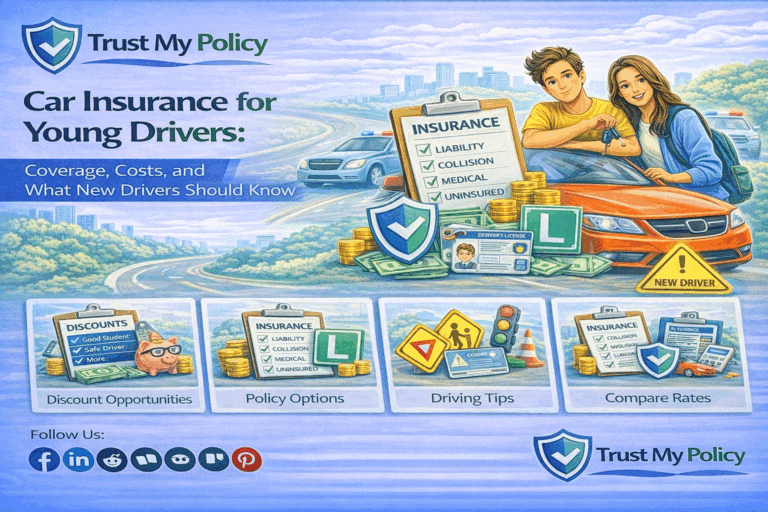
Young Driver with First Car
A new driver might reduce insurance costs by:
-
Choosing a modest vehicle
-
Maintaining a clean driving record
-
Comparing multiple quotes
Family with Multiple Vehicles
Families may save money by:
-
Bundling policies
-
Insuring multiple vehicles under one plan
Driver with Older Vehicle
If a vehicle has low market value, the driver may choose liability coverage only to reduce premiums.
Urban Driver
Drivers in high-traffic areas may reduce costs by:
-
Using vehicles with safety features
-
Maintaining safe driving habits
, benefits, and financial protection options available to policyholders. Many readers compare multiple guides before selecting a plan so they can clearly evaluate premiums, claim procedures, and long‑term advantages. A useful resource to explore is Short Term vs Long Term Insurance, which explains how this insurance policy works, the key benefits it offers, and situations where it may be the most suitable option. By reviewing this guide, you can gain deeper insights into coverage features, eligibility requirements, and practical tips that help individuals and families make smarter insurance decisions.
Common Mistakes Drivers Make
Choosing the Cheapest Policy Without Reviewing Coverage
A low premium may mean limited protection.
Ignoring Deductible Amounts
High deductibles can create financial challenges after accidents.
Not Comparing Multiple Policies
Many drivers miss potential savings by purchasing the first policy they find.
Failing to Update Policies
Life changes such as moving, changing jobs, or buying a new vehicle may affect insurance needs.
Overlooking Discounts
Drivers sometimes miss available discounts for safe driving or vehicle safety features.
Frequently Asked Questions
What is the cheapest type of car insurance?
Liability insurance is usually the least expensive type because it covers damage to others but not the insured vehicle.
How can drivers lower their insurance premiums?
Drivers often lower premiums by maintaining safe driving records, increasing deductibles, and comparing multiple policies.
Does the type of car affect insurance costs?
Yes. Vehicles with high repair costs, powerful engines, or higher theft rates often have higher premiums.
Can young drivers get cheap car insurance?
Young drivers may reduce costs by choosing safer vehicles, maintaining clean driving records, and exploring available discounts.
Is minimum coverage enough?
Minimum coverage may meet legal requirements but may not fully protect against large accident costs.
How often should drivers compare insurance policies?
Many experts suggest reviewing insurance policies annually to ensure competitive pricing.
Do safety features reduce insurance costs?
Some insurers offer lower premiums for vehicles with advanced safety systems.
, benefits, and financial protection options available to policyholders. Many readers compare multiple guides before selecting a plan so they can clearly evaluate premiums, claim procedures, and long‑term advantages. A useful resource to explore is How to File an Insurance Claim, which explains how this insurance policy works, the key benefits it offers, and situations where it may be the most suitable option. By reviewing this guide, you can gain deeper insights into coverage features, eligibility requirements, and practical tips that help individuals and families make smarter insurance decisions.
Conclusion
Car insurance plays a crucial role in protecting drivers from financial losses caused by accidents, theft, or property damage. While insurance premiums can vary widely, drivers often have several opportunities to reduce their costs.
Understanding how to get cheap car insurance involves more than simply choosing the lowest price. Drivers should consider coverage types, deductibles, and risk factors when selecting a policy.
Strategies such as comparing quotes, maintaining a good driving record, increasing deductibles, choosing appropriate coverage levels, and taking advantage of safety features can help reduce insurance costs while maintaining important protection.
By evaluating coverage needs carefully and reviewing insurance options regularly, drivers can find affordable car insurance policies that balance both cost and protection.
Disclaimer:
This article is for educational purposes only. Trust My Policy is an independent informational platform and does not sell insurance products or represent any insurance provider. Readers should consult official policy documents or licensed professionals for personalized advice.