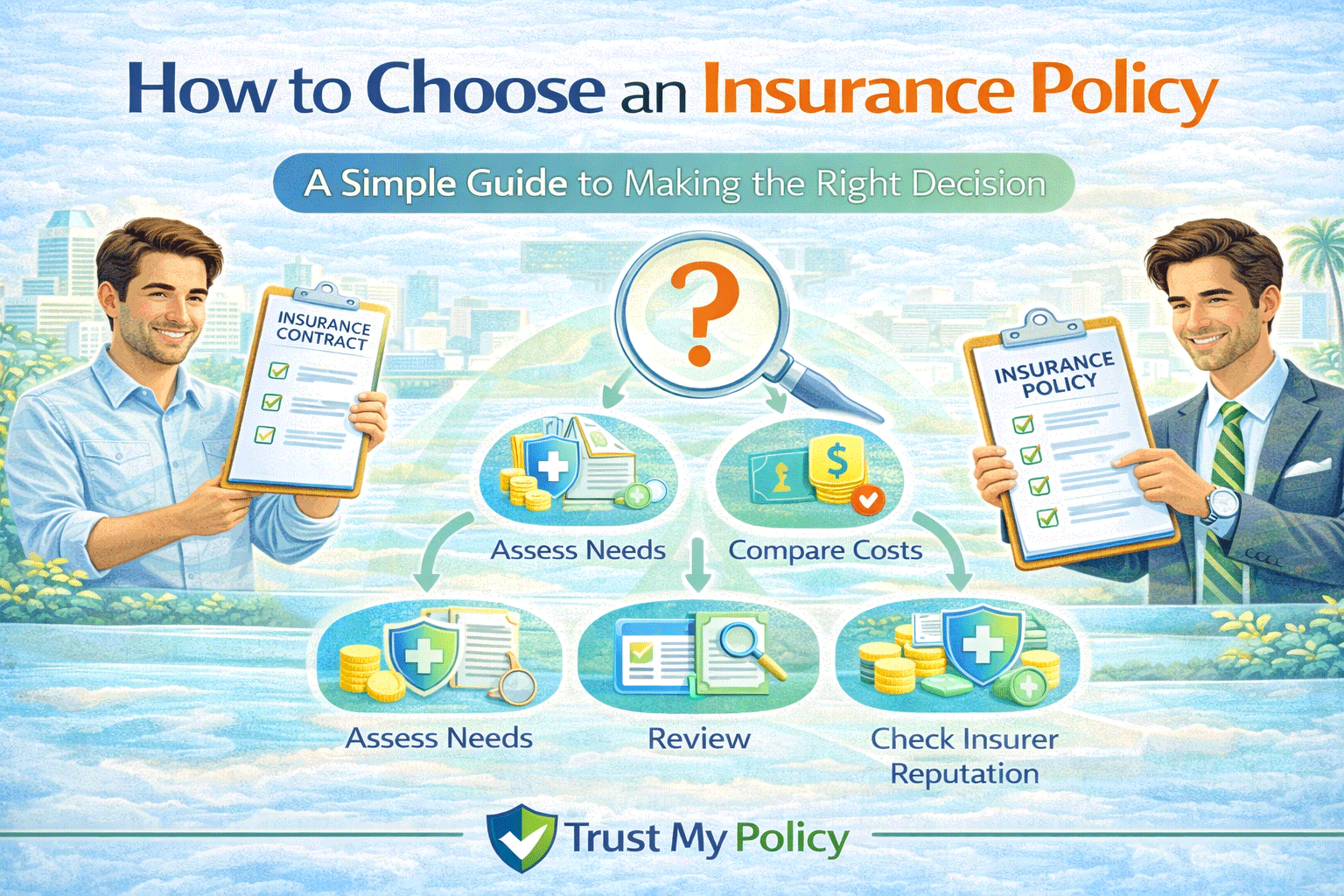
Choosing the right insurance policy can feel confusing, especially for people who are new to insurance. Many policies include technical terms, different coverage options, and complex pricing structures. Because insurance is meant to protect individuals from financial loss, selecting the right policy is an important financial decision.
When people search for how to choose an insurance policy, they usually want to understand what factors matter most when comparing different policies. The process involves more than just selecting the lowest price. Policy coverage, deductibles, exclusions, financial protection, and long-term benefits all play an important role.
Insurance policies are designed to help individuals and families manage risk. Unexpected events such as accidents, health emergencies, property damage, or legal claims can lead to significant financial costs. A well-chosen policy can reduce these risks and provide financial stability during difficult situations.
This guide explains how insurance policies work, what factors people should consider when comparing policies, and the most common mistakes to avoid. By understanding these concepts, readers can make informed decisions about selecting an insurance policy that fits their needs.
Key Factors When Choosing an Insurance Policy
| Factor | What It Means | Why It Matters |
|---|---|---|
| Coverage Type | What risks the policy protects against | Determines protection level |
| Premium | Amount paid to maintain the policy | Affects affordability |
| Deductible | Amount paid before insurance coverage begins | Influences claim costs |
| Policy Limits | Maximum amount the insurer will pay | Determines financial protection |
| Exclusions | Situations not covered by the policy | Helps avoid surprises during claims |
| Claim Process | Steps required to request payment | Affects ease of receiving benefits |
This summary provides a quick overview of the most important elements to consider when learning how to choose an insurance policy.
Choosing the right insurance coverage requires understanding different policy types, benefits, and financial protection options available to policyholders. Many readers compare multiple guides before selecting a plan so they can clearly evaluate premiums, claim procedures, and long‑term advantages. A useful resource to explore is Health Insurance for Freelancers in Texas, which explains how this insurance policy works, the key benefits it offers, and situations where it may be the most suitable option. By reviewing this guide, you can gain deeper insights into coverage features, eligibility requirements, and practical tips that help individuals and families make smarter insurance decisions.
What Is an Insurance Policy?
An insurance policy is a written agreement between an individual and an insurance provider. The policy explains the conditions under which financial protection is provided.
In general, the agreement includes:
-
The type of coverage offered
-
The risks covered
-
The premium payment schedule
-
The deductible amount
-
Policy limits
-
Terms and conditions
If a covered event occurs, the policyholder may file a claim to receive financial assistance according to the policy terms.
Understanding the structure of an insurance policy is the first step in choosing the right coverage.
Why Choosing the Right Insurance Policy Matters
Insurance policies help people prepare for unexpected financial challenges. However, not all policies provide the same level of protection.
Choosing the right policy helps individuals:
-
Protect valuable assets
-
Manage financial risk
-
Reduce unexpected expenses
-
Recover faster after losses
-
Maintain long-term financial stability
For example, a policy with insufficient coverage may not fully cover repair costs after property damage. On the other hand, a policy with appropriate coverage can significantly reduce financial stress.
Choosing the right insurance coverage requires understanding different policy types, benefits, and financial protection options available to policyholders. Many readers compare multiple guides before selecting a plan so they can clearly evaluate premiums, claim procedures, and long‑term advantages. A useful resource to explore is How to Get Cheap Car Insurance, which explains how this insurance policy works, the key benefits it offers, and situations where it may be the most suitable option. By reviewing this guide, you can gain deeper insights into coverage features, eligibility requirements, and practical tips that help individuals and families make smarter insurance decisions.
Types of Insurance Policies People Commonly Choose
Different types of insurance policies protect against different risks.
Health Insurance
Health insurance helps cover medical expenses related to illness or injury.
Typical coverage may include:
-
Doctor visits
-
Hospital stays
-
Prescription medications
-
Preventive care
Healthcare costs can be significant, making health insurance an important protection tool.
Life Insurance
Life insurance provides financial support to beneficiaries if the insured person passes away.
This financial support may help cover:
-
Family living expenses
-
Debt payments
-
Education costs
-
Funeral expenses
Auto Insurance
Auto insurance protects drivers from financial losses related to vehicle accidents.
Coverage may include:
-
Vehicle repairs
-
Liability for injuries
-
Property damage
-
Theft protection
Many regions require drivers to carry minimum auto insurance coverage.
Home Insurance
Home insurance protects a house and belongings from damage or loss.
Typical risks covered include:
-
Fire damage
-
Storm damage
-
Theft
-
Liability for accidents on the property
Travel Insurance
Travel insurance protects travelers against unexpected events during trips.
Common coverage may include:
-
Trip cancellations
-
Medical emergencies
-
Lost luggage
-
Travel delays
Key Insurance Policy Factors
| Feature | Description | Why It Matters |
|---|---|---|
| Premium | Regular payment required to maintain coverage | Affects affordability |
| Deductible | Amount paid before insurance coverage applies | Impacts claim expenses |
| Coverage Scope | Risks and events included in the policy | Determines protection level |
| Policy Limit | Maximum payout for claims | Defines financial safety |
| Exclusions | Situations not covered by insurance | Helps avoid misunderstandings |
| Claim Process | Procedure for requesting compensation | Affects convenience and speed |
This table helps readers compare important elements when learning how to choose an insurance policy.
Choosing the right insurance coverage requires understanding different policy types, benefits, and financial protection options available to policyholders. Many readers compare multiple guides before selecting a plan so they can clearly evaluate premiums, claim procedures, and long‑term advantages. A useful resource to explore is Comprehensive vs Collision Insurance, which explains how this insurance policy works, the key benefits it offers, and situations where it may be the most suitable option. By reviewing this guide, you can gain deeper insights into coverage features, eligibility requirements, and practical tips that help individuals and families make smarter insurance decisions.
Key Steps for Choosing an Insurance Policy
Step 1: Identify Your Risks
Different individuals face different risks depending on their lifestyle, profession, and location.
Examples include:
-
Health risks
-
Property damage risks
-
Travel risks
-
Vehicle accident risks
Understanding these risks helps determine the type of insurance needed.
Step 2: Determine Coverage Needs
Insurance policies should provide enough coverage to handle realistic financial losses.
For example:
-
A homeowner may need coverage for the full cost of rebuilding a house.
-
A driver may need liability coverage for potential accident damages.
Choosing appropriate coverage levels is important for financial protection.
Step 3: Compare Policy Features
Policies may vary in:
-
Coverage options
-
Deductible amounts
-
Policy limits
-
Claim procedures
Comparing these features helps identify policies that match personal needs.
Step 4: Review Policy Exclusions
Insurance policies include exclusions that explain situations not covered by the policy.
Examples may include:
-
Certain natural disasters
-
Specific types of property damage
-
Pre-existing conditions
Understanding exclusions prevents unexpected surprises during claims.
Step 5: Evaluate Affordability
Insurance should fit within a realistic budget.
Balancing premium costs and coverage levels is important.
Some individuals choose higher deductibles to reduce premiums, while others prefer lower deductibles for easier claim handling.
Pros and Cons of Insurance Policies
Advantages
-
Helps protect against financial loss
-
Provides support during emergencies
-
Reduces financial uncertainty
-
Protects valuable assets
-
Supports long-term financial planning
Limitations
-
Requires regular premium payments
-
Policies may include exclusions
-
Claims may require documentation
-
Coverage limits may apply
Understanding these advantages and limitations helps people choose policies more carefully.
Real-Life Examples of Choosing an Insurance Policy
Example 1: Choosing Health Insurance
A young professional compares several health insurance policies. After reviewing coverage limits and deductibles, the person chooses a policy that balances affordability with strong medical coverage.
Example 2: Selecting Auto Insurance
A driver compares policies based on liability coverage and repair protection. The final decision includes sufficient coverage to protect against accident-related expenses.
Example 3: Homeowner Insurance Decision
A homeowner evaluates policies that cover storm damage and theft protection. The chosen policy includes coverage limits high enough to rebuild the house if necessary.
Common Mistakes When Choosing an Insurance Policy
Choosing the Lowest Price Only
Low premiums may provide limited coverage.
Insurance decisions should consider both price and protection.
Ignoring Deductibles
Policies with very low premiums may have high deductibles, which increase out-of-pocket costs during claims.
Not Reading Policy Terms
Many people overlook important details in policy documents.
Reading policy conditions helps prevent misunderstandings later.
Underestimating Coverage Needs
Insufficient coverage may leave individuals financially exposed after major losses.
Not Comparing Multiple Policies
Comparing different policies helps identify better coverage options and pricing structures.
Choosing the right insurance coverage requires understanding different policy types, benefits, and financial protection options available to policyholders. Many readers compare multiple guides before selecting a plan so they can clearly evaluate premiums, claim procedures, and long‑term advantages. A useful resource to explore is Car Insurance Coverage Types, which explains how this insurance policy works, the key benefits it offers, and situations where it may be the most suitable option. By reviewing this guide, you can gain deeper insights into coverage features, eligibility requirements, and practical tips that help individuals and families make smarter insurance decisions.
Frequently Asked Questions
What is the first step in choosing an insurance policy?
The first step is identifying personal risks and determining what type of protection is needed.
Why are deductibles important?
Deductibles affect how much a person must pay before insurance coverage begins during a claim.
Should people choose the cheapest insurance policy?
Price is important, but coverage quality and policy terms should also be carefully evaluated.
How do policy limits affect insurance protection?
Policy limits define the maximum amount an insurer will pay for a claim. Higher limits provide stronger financial protection.
What are policy exclusions?
Exclusions are specific situations or risks that are not covered by an insurance policy.
How often should insurance policies be reviewed?
Policies should be reviewed regularly, especially after major life changes such as purchasing property, starting a family, or changing jobs.
Can insurance policies be customized?
Many policies allow adjustments to coverage levels, deductibles, and optional protection features.
Conclusion
Understanding how to choose an insurance policy is an important step in managing financial risk and protecting personal assets. Insurance policies are designed to provide financial support when unexpected events occur, but selecting the right policy requires careful evaluation.
Key factors such as coverage scope, premium costs, deductibles, policy limits, and exclusions all play important roles in determining how well a policy meets individual needs.
By identifying personal risks, comparing policy features, and understanding policy terms, individuals can make informed insurance decisions. The goal is to select coverage that balances affordability with sufficient protection.
Taking time to evaluate these factors can help individuals build stronger financial security and prepare for unexpected challenges in the future.
Choosing the right insurance coverage requires understanding different policy types, benefits, and financial protection options available to policyholders. Many readers compare multiple guides before selecting a plan so they can clearly evaluate premiums, claim procedures, and long‑term advantages. A useful resource to explore is Insurance Plans for Self Employed People, which explains how this insurance policy works, the key benefits it offers, and situations where it may be the most suitable option. By reviewing this guide, you can gain deeper insights into coverage features, eligibility requirements, and practical tips that help individuals and families make smarter insurance decisions.
Disclaimer
Disclaimer: This article is for educational purposes only. Trust My Policy is an independent informational platform and does not sell insurance products or represent any insurance provider. Readers should consult official policy documents or licensed professionals for personalized advice.
Leave a Reply