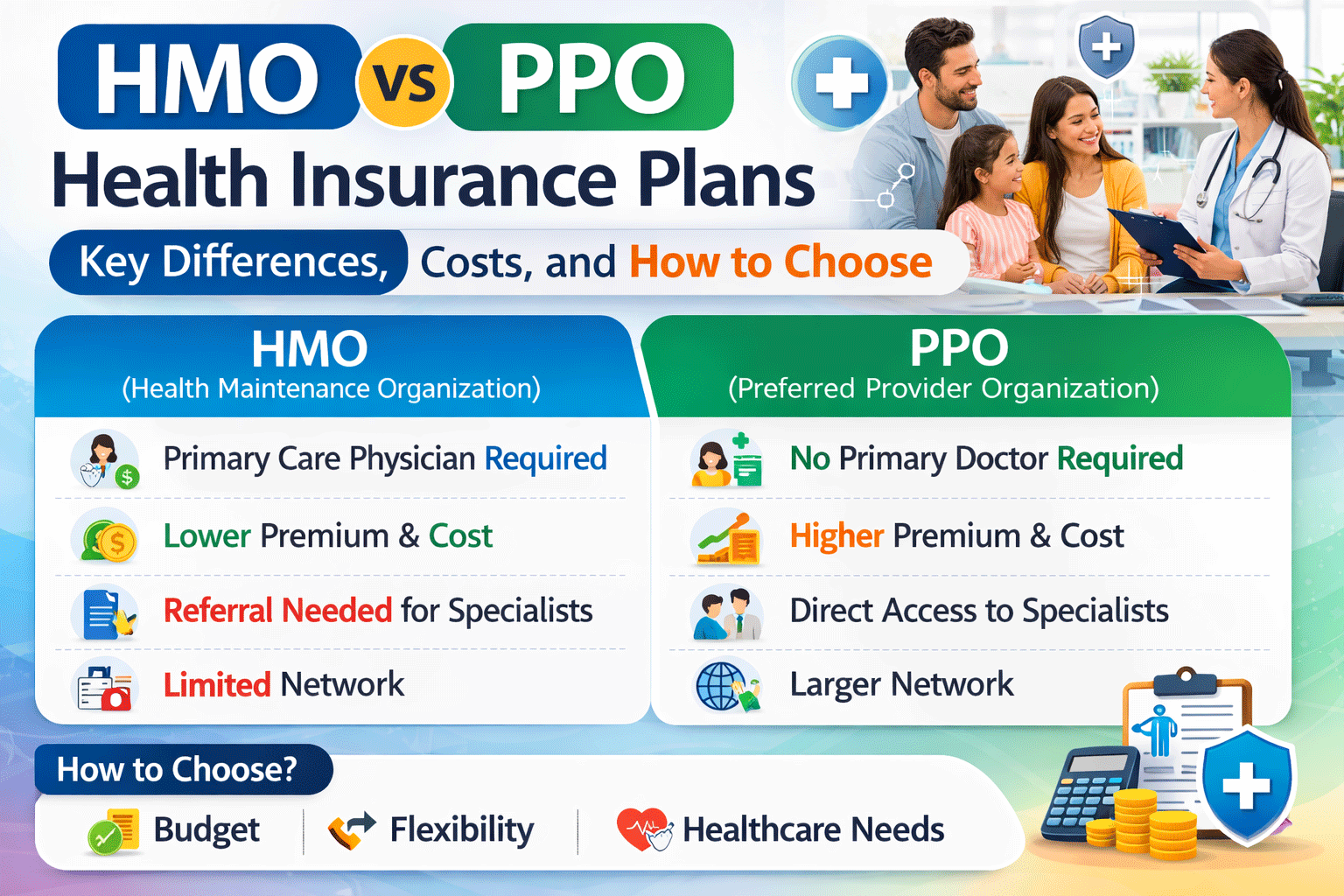
Choosing the right health insurance plan can feel confusing, especially when comparing HMO vs PPO health insurance plans. These two options are among the most common types of managed healthcare plans in many countries, especially in employer-sponsored and private insurance markets. While both provide coverage for doctor visits, hospital care, and preventive services, they differ in cost, flexibility, provider choice, and referral rules.
Understanding how HMO and PPO plans work can help you avoid unexpected medical bills and choose coverage that fits your lifestyle. Some people prefer lower monthly premiums and structured care. Others value flexibility and the ability to see specialists without referrals.
This detailed guide explains HMO vs PPO health insurance plans in simple language. You will find comparison tables, definitions, advantages and disadvantages, real-life examples, common mistakes, and answers to frequently asked questions. The goal is to help you make an informed and practical decision based on your healthcare needs and budget.
Choosing the right insurance coverage requires understanding different policy types, benefits, and financial protection options available to policyholders. Many readers compare multiple guides before selecting a plan so they can clearly evaluate premiums, claim procedures, and long‑term advantages. A useful resource to explore is Third-Party vs Comprehensive Car Insurance, which explains how this insurance policy works, the key benefits it offers, and situations where it may be the most suitable option. By reviewing this guide, you can gain deeper insights into coverage features, eligibility requirements, and practical tips that help individuals and families make smarter insurance decisions.
HMO vs PPO Health Insurance Plans
| Feature | HMO (Health Maintenance Organization) | PPO (Preferred Provider Organization) |
|---|---|---|
| Primary Care Doctor Required | Yes | No |
| Referral to See Specialist | Usually required | Not required |
| Network Rules | Must stay in network | Can go in or out of network |
| Monthly Premium | Usually lower | Usually higher |
| Out-of-Pocket Costs | Lower in-network | Higher, especially out-of-network |
| Flexibility | Limited | High |
| Best For | Budget-focused individuals | People who want provider freedom |
What Is an HMO Health Insurance Plan?
An HMO (Health Maintenance Organization) plan is a type of managed care health insurance that requires members to use a network of doctors, hospitals, and healthcare providers.
Key Features of an HMO Plan
-
You must choose a primary care physician (PCP).
-
Your PCP coordinates your care.
-
You need referrals to see specialists.
-
Coverage is limited to in-network providers.
-
Lower monthly premiums compared to PPO plans.
How an HMO Plan Works
-
You select a primary care doctor.
-
For most medical issues, you visit your PCP first.
-
If you need a specialist, your PCP provides a referral.
-
Insurance covers services within the approved network.
If you visit a doctor outside the network without approval, you may need to pay the full cost.
Who Typically Chooses an HMO?
-
Individuals seeking lower premiums.
-
Families who prefer coordinated care.
-
People comfortable staying within a provider network.
What Is a PPO Health Insurance Plan?
A PPO (Preferred Provider Organization) plan offers more flexibility in choosing healthcare providers. You are not required to select a primary care doctor, and referrals are usually not needed to see specialists.
Key Features of a PPO Plan
-
No required primary care physician.
-
No referral needed for specialists.
-
Can see out-of-network providers.
-
Higher monthly premiums.
-
Higher deductibles and cost-sharing.
How a PPO Plan Works
-
You can visit any doctor in the network without referrals.
-
You may also visit out-of-network providers.
-
Out-of-network care costs more.
-
You manage your own specialist appointments.
Who Typically Chooses a PPO?
-
People who want flexibility.
-
Those who travel frequently.
-
Individuals who already have preferred doctors outside limited networks.
Choosing the right insurance coverage requires understanding different policy types, benefits, and financial protection options available to policyholders. Many readers compare multiple guides before selecting a plan so they can clearly evaluate premiums, claim procedures, and long‑term advantages. A useful resource to explore is Health Insurance Without Employer, which explains how this insurance policy works, the key benefits it offers, and situations where it may be the most suitable option. By reviewing this guide, you can gain deeper insights into coverage features, eligibility requirements, and practical tips that help individuals and families make smarter insurance decisions.
Detailed Comparison Table: HMO vs PPO Health Insurance Plans
| Criteria | HMO | PPO |
|---|---|---|
| Provider Network | Strict network | Larger network |
| Out-of-Network Coverage | Not covered (except emergencies) | Covered at higher cost |
| Referral Requirement | Yes | No |
| Primary Care Physician | Required | Not required |
| Premium Cost | Lower | Higher |
| Deductible | Lower | Higher |
| Copayments | Predictable | Varies |
| Paperwork | Minimal | May require claim forms |
| Specialist Access | Through referral | Direct access |
| Flexibility | Limited | High |
| Ideal For | Budget-conscious | Frequent travelers or specialists users |
Cost Differences Between HMO and PPO
1. Monthly Premium
-
HMO plans generally have lower monthly premiums.
-
PPO plans usually cost more per month.
2. Deductible
-
HMO deductibles are often lower.
-
PPO deductibles tend to be higher.
3. Copayments and Coinsurance
-
HMO copayments are fixed and predictable.
-
PPO costs vary depending on network usage.
4. Out-of-Network Expenses
-
HMO: Usually not covered.
-
PPO: Covered but at higher coinsurance rates.
Choosing the right insurance coverage requires understanding different policy types, benefits, and financial protection options available to policyholders. Many readers compare multiple guides before selecting a plan so they can clearly evaluate premiums, claim procedures, and long‑term advantages. A useful resource to explore is Health Insurance for Small Business Owners, which explains how this insurance policy works, the key benefits it offers, and situations where it may be the most suitable option. By reviewing this guide, you can gain deeper insights into coverage features, eligibility requirements, and practical tips that help individuals and families make smarter insurance decisions.
Pros and Cons of HMO Health Insurance Plans
Advantages of HMO Plans
-
Lower monthly premiums.
-
Lower out-of-pocket expenses.
-
Coordinated care through primary doctor.
-
Simple cost structure.
Disadvantages of HMO Plans
-
Limited provider choice.
-
Referral needed for specialists.
-
No coverage outside network (except emergencies).
-
Less flexibility when traveling.
Pros and Cons of PPO Health Insurance Plans
Advantages of PPO Plans
-
Greater flexibility.
-
No referral required.
-
Out-of-network coverage available.
-
Easier access to specialists.
Disadvantages of PPO Plans
-
Higher monthly premiums.
-
Higher deductibles.
-
Higher out-of-pocket costs.
-
More responsibility in managing care.
Real-Life Use Cases
Example 1: Young Professional on Budget
A healthy 28-year-old rarely visits doctors.
Best option: HMO
-
Lower premium.
-
Predictable costs.
Example 2: Family with Children
Children require pediatric visits and occasional specialists.
HMO may work if:
-
Preferred doctors are in network.
-
Budget control is important.
PPO may work if:
-
Family wants flexibility.
Example 3: Frequent Traveler
Business traveler spends time in different regions.
Best option: PPO
-
Ability to see providers in multiple areas.
-
Out-of-network coverage.
Example 4: Person with Chronic Condition
Requires regular specialist visits.
Best option: PPO
-
Direct access to specialists.
-
More provider choice.
When to Choose an HMO Plan
Choose HMO if:
-
You want lower premiums.
-
You do not mind referrals.
-
Your preferred doctors are in-network.
-
You prefer coordinated healthcare.
When to Choose a PPO Plan
Choose PPO if:
-
You want provider freedom.
-
You travel frequently.
-
You need regular specialist visits.
-
You are comfortable paying higher premiums.
Choosing the right insurance coverage requires understanding different policy types, benefits, and financial protection options available to policyholders. Many readers compare multiple guides before selecting a plan so they can clearly evaluate premiums, claim procedures, and long‑term advantages. A useful resource to explore is Liability Insurance for Businesses, which explains how this insurance policy works, the key benefits it offers, and situations where it may be the most suitable option. By reviewing this guide, you can gain deeper insights into coverage features, eligibility requirements, and practical tips that help individuals and families make smarter insurance decisions.
Common Mistakes and Misunderstandings
1. Thinking PPO Always Means Better Care
Higher cost does not always mean better quality. It simply means more flexibility.
2. Ignoring Network Size
Not checking whether preferred doctors are included can lead to higher costs.
3. Forgetting Referral Rules
In HMO plans, specialist visits without referral may not be covered.
4. Underestimating Out-of-Network Costs
PPO plans still charge significantly more for out-of-network services.
5. Choosing Based Only on Premium
Lower monthly cost does not always mean lower total cost.
Key Decision Factors to Consider
Before choosing between HMO vs PPO health insurance plans, consider:
-
Your budget
-
Frequency of doctor visits
-
Existing medical conditions
-
Travel habits
-
Preferred hospitals or doctors
-
Family healthcare needs
Frequently Asked Questions (FAQs)
1. Is HMO cheaper than PPO?
Yes, HMO plans usually have lower monthly premiums and lower out-of-pocket costs.
2. Can I see a specialist without referral in PPO?
Yes. PPO plans generally do not require referrals.
3. Does HMO cover emergency care?
Yes. Emergency care is usually covered even outside network.
4. Is PPO better for families?
It depends. Families who need flexibility may prefer PPO, but HMO can be more budget-friendly.
5. Can I switch from HMO to PPO?
Yes, during open enrollment or qualifying life events.
6. Which plan has more provider choices?
PPO plans typically offer broader provider networks.
7. Is an HMO plan suitable for chronic illness?
It can be, but referrals may make specialist access slower compared to PPO.
HMO vs PPO: Quick Feature Comparison
-
HMO = Lower cost, less flexibility.
-
PPO = Higher cost, more flexibility.
-
HMO requires primary care doctor.
-
PPO allows direct specialist visits.
-
HMO best for structured care.
-
PPO best for independence.
Conclusion
Understanding HMO vs PPO health insurance plans helps you make a confident healthcare decision. HMO plans are designed for cost control and coordinated care. They work well for people who are comfortable using a provider network and seeking referrals when needed.
PPO plans offer greater flexibility and easier specialist access, but they usually come with higher premiums and out-of-pocket costs.
There is no one-size-fits-all solution. The right choice depends on your budget, medical needs, and preference for flexibility. Carefully reviewing network rules, referral requirements, and total cost expectations can help you select a plan that supports both your health and financial stability.
Disclaimer: This article is for educational purposes only. Trust My Policy is an independent informational platform and does not sell insurance products or represent any insurance provider. Readers should consult official policy documents or licensed professionals for personalized advice.
Leave a Reply