
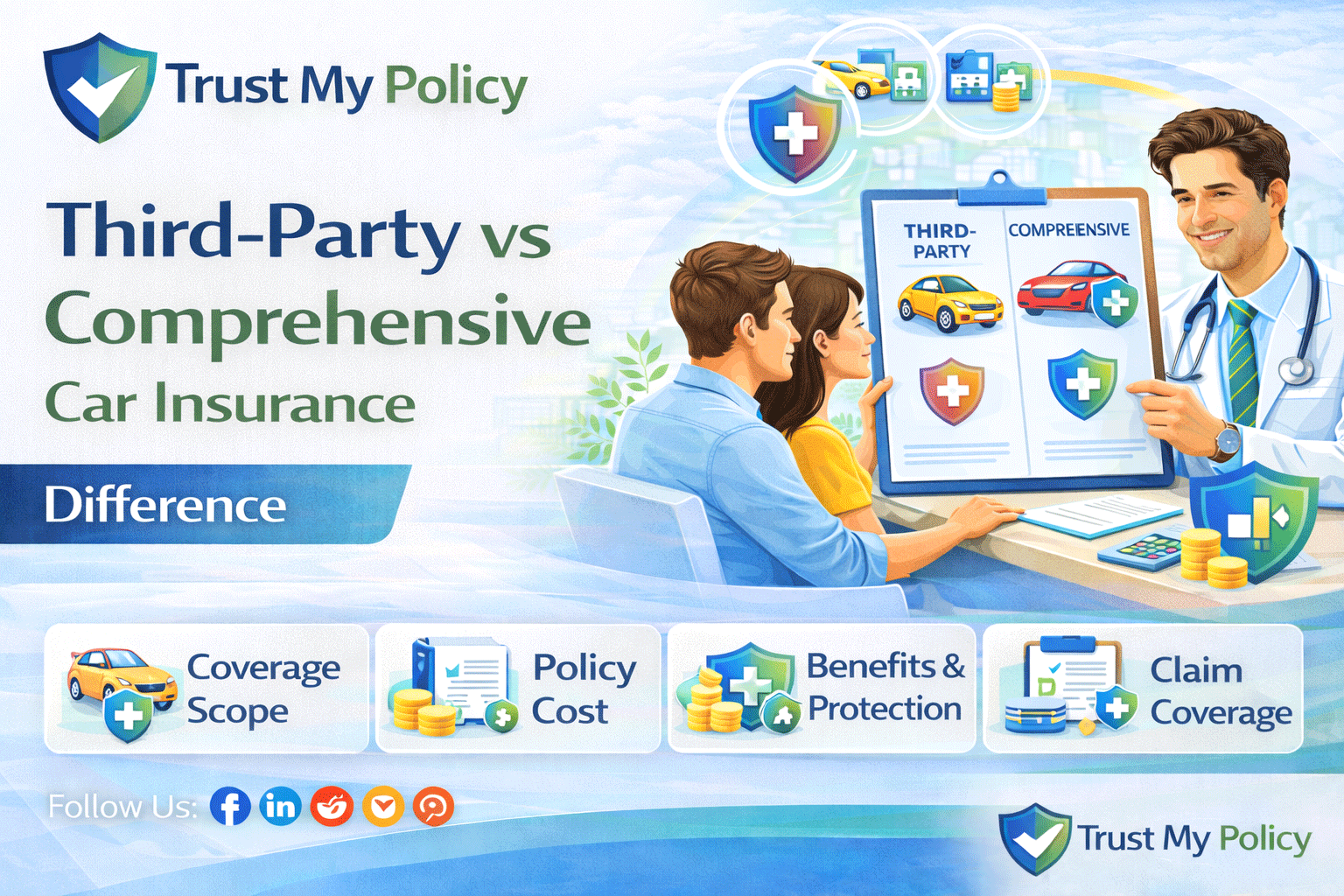
Car insurance is essential for protecting drivers from financial loss after accidents, theft, or damage. However, many vehicle owners struggle to understand the difference between third-party car insurance and comprehensive car insurance. These two policy types offer very different levels of protection, cost, and financial security.
In many countries, third-party insurance is legally required. But comprehensive insurance provides broader protection that goes beyond legal minimum coverage. Choosing the right policy depends on your vehicle’s value, driving habits, financial stability, and risk tolerance.
If you are comparing third-party vs comprehensive car insurance, this guide explains everything in clear, simple language. You will find comparison tables, real-world examples, advantages and disadvantages, common misunderstandings, and frequently asked questions. The goal is to help you understand how each policy works so you can make an informed decision.
| Feature | Third-Party Car Insurance | Comprehensive Car Insurance |
|---|---|---|
| Covers Damage to Other Vehicles | Yes | Yes |
| Covers Injury to Others | Yes | Yes |
| Covers Damage to Your Car | No | Yes |
| Covers Theft | No | Yes |
| Covers Natural Disasters | No | Yes |
| Legal Requirement | Usually mandatory | Usually optional |
| Premium Cost | Lower | Higher |
| Financial Protection Level | Basic | Extensive |
Third-party car insurance covers damage or injury you cause to other people, vehicles, or property in an accident where you are at fault.
It does not cover damage to your own vehicle.
Damage to another person’s vehicle
Injury to other drivers or passengers
Damage to property (walls, fences, buildings)
Legal costs related to claims (in some cases)
Repair costs for your own vehicle
Theft of your vehicle
Fire damage to your car
Natural disaster damage
Vandalism
Required by law in many regions
Lower premium compared to comprehensive
Basic protection
Designed to protect others from financial harm
Third-party insurance ensures that victims of accidents receive compensation, but it does not protect your car from damage.
Comprehensive car insurance offers broader protection. It includes third-party liability coverage plus protection for your own vehicle against multiple risks.
Damage to other vehicles
Injury to others
Damage to your own vehicle from accidents
Theft
Fire
Natural disasters (floods, storms, earthquakes)
Vandalism
Falling objects
Comprehensive insurance is designed to protect both you and other road users.
Most comprehensive policies include a deductible. This means you pay a fixed amount before the insurer covers the remaining cost.
| Criteria | Third-Party Insurance | Comprehensive Insurance |
|---|---|---|
| Legal Requirement | Mandatory in many countries | Optional (unless lender requires) |
| Protects Other Vehicles | Yes | Yes |
| Protects Your Vehicle | No | Yes |
| Covers Theft | No | Yes |
| Covers Fire Damage | No | Yes |
| Covers Natural Disasters | No | Yes |
| Premium Cost | Lower | Higher |
| Deductible | Usually none | Usually required |
| Suitable for Older Cars | Often yes | Sometimes not cost-effective |
| Suitable for New Cars | Limited protection | Strongly recommended |
The cost difference between third-party and comprehensive car insurance depends on:
Vehicle value
Driver age
Driving history
Location
Coverage limits
Deductible amount
Comprehensive insurance covers more risks. The insurer assumes greater financial responsibility, which increases premiums.
Third-party insurance is cheaper because it only covers damage to others.
Lower premium
Meets legal requirements
Simple policy structure
Suitable for low-value vehicles
No protection for your vehicle
High out-of-pocket risk
No theft coverage
No natural disaster protection
Protects your vehicle
Covers theft and disasters
Provides wider financial security
Suitable for new or expensive cars
Higher premium
Deductibles apply
May not be cost-effective for older vehicles
Repair cost to other car: $4,000
Repair cost to your car: $3,000
With Third-Party Insurance:
Insurance pays $4,000 for other vehicle.
You pay $3,000 for your own repairs.
With Comprehensive Insurance:
Insurance pays $4,000 for other vehicle.
Collision coverage pays $3,000 (minus deductible).
Vehicle value: $18,000
With Third-Party Insurance:
No compensation.
Full loss borne by owner.
With Comprehensive Insurance:
Insurer pays market value (minus deductible).
Repair cost: $6,000
Third-party policy:
No coverage.
Comprehensive policy:
Covered under natural disaster protection.
Car value: $2,500
Comprehensive premium: $1,200 per year
In this case, the annual premium may represent a large percentage of the car’s value. Third-party insurance may be more practical.
Your vehicle is old or low value
You can afford to repair or replace your car
You want the lowest premium
Legal compliance is your main goal
Your car is new or expensive
You have a car loan or lease
You live in high-theft areas
You cannot afford large repair costs
You want peace of mind
It only covers damage to others, not your vehicle.
Low premium may lead to high financial risk later.
Comprehensive policies often require deductibles.
Third-party policies have maximum payout limits.
Older vehicles may not justify high comprehensive premiums.
In many countries, yes. It is required to legally drive a vehicle.
Yes. Comprehensive insurance usually includes third-party liability coverage.
Third-party car insurance generally has lower premiums.
Yes, usually at renewal. However, lenders may require comprehensive coverage for financed cars.
It depends on your vehicle’s value, financial situation, and risk exposure.
No. Theft is usually covered only under comprehensive insurance.
No. Mechanical breakdown due to wear and tear is typically not covered.
Third-party insurance protects others.
Comprehensive insurance protects you and others.
Third-party is usually legally required.
Comprehensive provides broader risk coverage.
Cost reflects coverage level.
Understanding third-party vs comprehensive car insurance helps drivers make informed financial decisions. Third-party insurance provides basic legal protection and covers damage to others. Comprehensive insurance extends protection to your own vehicle, covering accidents, theft, and natural disasters.
The right choice depends on your car’s value, financial stability, and risk tolerance. Before choosing a policy, carefully evaluate potential repair costs, premium affordability, and coverage needs.
Making the right decision today can prevent significant financial stress after an unexpected event.
Disclaimer: This article is for educational purposes only. Trust My Policy is an independent informational platform and does not sell insurance products or represent any insurance provider. Readers should consult official policy documents or licensed professionals for personalized advice.

Jagadeesh Gutha is the founder of TrustMyPolicy.com, an independent insurance information platform covering life, health, car, home, and business insurance for US and UK readers. He researches insurance products, policy structures, and consumer rights to help everyday people make informed coverage decisions without the jargon. All content on TrustMyPolicy is independently researched, fact-checked, and written to educate — not to sell.



Insurance Guides for UK, USA & Worldwide We are not an insurer or broker.
Reader Comments (0)