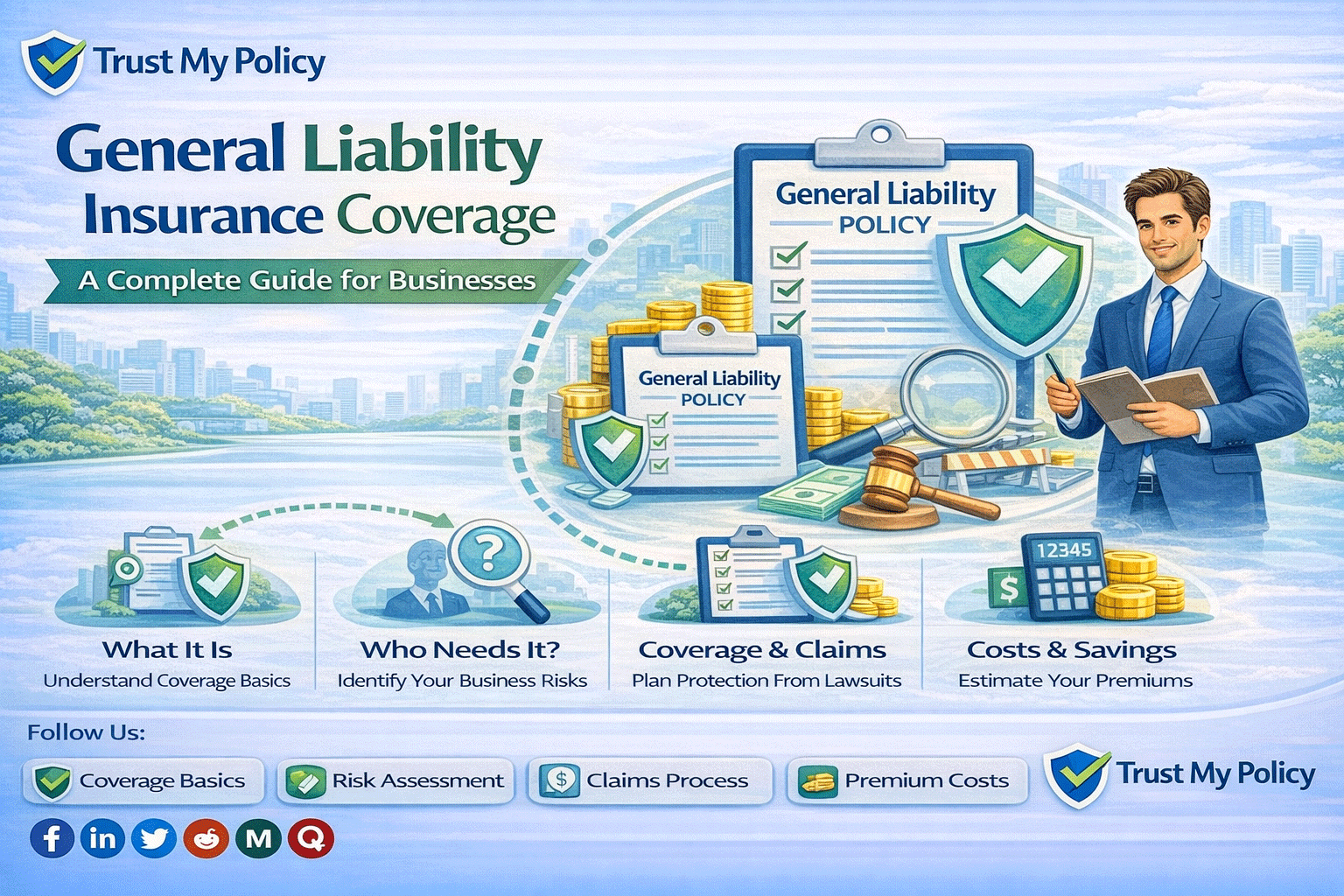
General Liability Insurance Coverage: A Complete Guide for Businesses
Businesses interact with customers, vendors, suppliers, and the public every day. These interactions create opportunities for growth, but they also create risks. Accidents, injuries, property damage, or misunderstandings can sometimes lead to legal claims against a company. Even a small incident can lead to expensive lawsuits, medical bills, or repair costs.
For many companies, one of the most important forms of protection is general liability insurance coverage. This type of insurance helps businesses manage financial risks related to third-party injuries, property damage, and certain legal claims.
General liability insurance is often considered a foundation of business insurance protection because it addresses common risks that many organizations face. Whether a company operates a physical store, provides services, or manages projects on client sites, this coverage can help protect the business from unexpected costs.
Understanding general liability insurance coverage is important for business owners, entrepreneurs, freelancers, and startups. This guide explains how it works, what it covers, the types of claims it may handle, and common misunderstandings businesses should avoid.
General Liability Insurance Coverage
| Coverage Area | What It Covers | Example Scenario | Who Needs It |
|---|---|---|---|
| Bodily Injury | Injuries to third parties | Customer slips in store | Retail businesses |
| Property Damage | Damage to another person’s property | Contractor damages wall | Contractors |
| Legal Defense | Legal fees and court costs | Lawsuit from customer | Most businesses |
| Medical Payments | Immediate medical expenses | Minor injury at business location | Service businesses |
| Advertising Injury | Claims related to marketing or advertising | Copyright dispute | Marketing firms |
, benefits, and financial protection options available to policyholders. Many readers compare multiple guides before selecting a plan so they can clearly evaluate premiums, claim procedures, and long‑term advantages. A useful resource to explore is What Is Insurance Underwriting, which explains how this insurance policy works, the key benefits it offers, and situations where it may be the most suitable option. By reviewing this guide, you can gain deeper insights into coverage features, eligibility requirements, and practical tips that help individuals and families make smarter insurance decisions.
What Is General Liability Insurance Coverage?
General liability insurance coverage is a type of business insurance that protects companies against claims involving third-party bodily injury, property damage, or personal and advertising injury.
A third party refers to people who are not employees of the business, such as:
-
Customers
-
Clients
-
Visitors
-
Vendors
-
Members of the public
If a business is held responsible for causing injury or damage to a third party, the company may face financial costs such as legal fees, settlements, or medical expenses. General liability insurance helps cover these costs according to the terms of the policy.
This coverage is often one of the first types of insurance that small businesses purchase because it addresses many common operational risks.
Why General Liability Insurance Coverage Is Important
General liability insurance plays a key role in business risk management.
Protection Against Lawsuits
Legal claims can be expensive, even if the business is not at fault. Insurance may help cover legal defense costs.
Financial Security
Unexpected accidents can lead to large expenses. Insurance reduces the financial impact of these events.
Contract Requirements
Many clients and partners require proof of liability insurance before signing contracts.
Business Credibility
Having insurance can help demonstrate professionalism and reliability.
Support for Long-Term Operations
Insurance helps businesses recover from unexpected incidents and continue operating.
, benefits, and financial protection options available to policyholders. Many readers compare multiple guides before selecting a plan so they can clearly evaluate premiums, claim procedures, and long‑term advantages. A useful resource to explore is HMO vs PPO Health Insurance Plans, which explains how this insurance policy works, the key benefits it offers, and situations where it may be the most suitable option. By reviewing this guide, you can gain deeper insights into coverage features, eligibility requirements, and practical tips that help individuals and families make smarter insurance decisions.
What General Liability Insurance Typically Covers
Understanding the key coverage areas helps businesses determine whether this insurance meets their needs.
Bodily Injury Coverage
Bodily injury coverage protects businesses if a third party is physically injured due to business operations.
Examples include:
-
A customer slips on a wet floor in a shop
-
A visitor trips over equipment in an office
-
A contractor accidentally causes an injury on a job site
Coverage may include:
-
Medical expenses
-
Legal defense costs
-
Compensation payments
Property Damage Coverage
Property damage coverage applies when a business causes damage to someone else’s property.
Examples include:
-
A contractor damages a client’s wall while installing equipment
-
A delivery worker accidentally breaks a customer’s window
-
Business operations damage neighboring property
Insurance may help pay for repair or replacement costs.
Legal Defense Costs
Even if a claim is false, defending a business in court can be expensive.
General liability insurance may help cover:
-
Lawyer fees
-
Court expenses
-
Investigation costs
-
Settlement negotiations
Legal defense costs can often be one of the most expensive parts of a claim.
Medical Payments Coverage
Medical payments coverage may help pay small medical expenses for minor injuries without requiring a lawsuit.
Examples include:
-
Minor injuries suffered by visitors
-
Small medical bills resulting from accidents on business premises
This coverage may help resolve issues quickly before they become legal disputes.
Personal and Advertising Injury Coverage
This coverage protects businesses against certain claims related to marketing or communication activities.
Examples include:
-
Copyright infringement in advertising
-
Defamation or libel claims
-
False advertising allegations
These claims can arise when businesses promote products or services publicly.
What General Liability Insurance Usually Does Not Cover
Although general liability insurance provides broad protection, it does not cover all risks.
Common exclusions may include:
-
Employee injuries
-
Professional service mistakes
-
Damage to business property
-
Cyberattacks or data breaches
-
Intentional wrongdoing
-
Auto accidents involving company vehicles
These risks may require other types of insurance coverage.
, benefits, and financial protection options available to policyholders. Many readers compare multiple guides before selecting a plan so they can clearly evaluate premiums, claim procedures, and long‑term advantages. A useful resource to explore is Insurance Myths Explained, which explains how this insurance policy works, the key benefits it offers, and situations where it may be the most suitable option. By reviewing this guide, you can gain deeper insights into coverage features, eligibility requirements, and practical tips that help individuals and families make smarter insurance decisions.
Detailed Comparison of General Liability Coverage Areas
| Coverage Type | What It Protects | Example | Main Benefit |
|---|---|---|---|
| Bodily Injury | Third-party injuries | Customer slips in store | Covers medical costs |
| Property Damage | Damage to others’ property | Contractor breaks equipment | Covers repair costs |
| Legal Defense | Legal representation | Business sued by client | Pays lawyer fees |
| Medical Payments | Minor injury treatment | Visitor minor injury | Quick settlement |
| Advertising Injury | Marketing-related claims | Copyright dispute | Protects brand reputation |
General Liability Insurance vs Other Business Insurance
Businesses often combine general liability insurance with other types of coverage.
| Insurance Type | Coverage Focus | Example Risk |
|---|---|---|
| General Liability Insurance | Third-party injuries or property damage | Customer accident |
| Professional Liability Insurance | Service errors or negligence | Consulting mistake |
| Property Insurance | Business building and equipment | Fire damage |
| Workers’ Compensation Insurance | Employee injuries | Workplace accident |
| Cyber Liability Insurance | Digital risks and data breaches | Customer data leak |
Understanding these differences helps businesses build comprehensive protection.
Pros and Cons of General Liability Insurance Coverage
Advantages
-
Protects against common legal claims
-
Helps cover legal defense expenses
-
Provides financial protection against accidents
-
Often required by clients or landlords
-
Strengthens overall business risk management
Disadvantages
-
Requires regular premium payments
-
Some risks are not covered
-
Coverage limits may restrict payouts
-
Claims may require documentation
-
Policies may include exclusions
Real-Life Examples of General Liability Insurance
Example 1: Customer Injury
A customer slips on a wet floor in a restaurant and suffers a minor injury.
General liability insurance may help cover:
-
Medical expenses
-
Legal defense costs
-
Compensation payments
Example 2: Property Damage
A contractor installing shelves accidentally damages a client’s wall.
Insurance may cover the cost of repairing the damage.
Example 3: Event Accident
A company hosts a public event where a visitor trips over equipment and becomes injured.
General liability insurance may help handle medical expenses and legal claims.
Example 4: Advertising Claim
A marketing campaign accidentally uses copyrighted material.
The copyright owner files a legal claim.
Insurance may help cover legal defense costs.
Example 5: Vendor Property Damage
While delivering goods, a business employee damages a vendor’s equipment.
General liability insurance may cover repair costs and related legal expenses.
, benefits, and financial protection options available to policyholders. Many readers compare multiple guides before selecting a plan so they can clearly evaluate premiums, claim procedures, and long‑term advantages. A useful resource to explore is Insurance Solvency Explained, which explains how this insurance policy works, the key benefits it offers, and situations where it may be the most suitable option. By reviewing this guide, you can gain deeper insights into coverage features, eligibility requirements, and practical tips that help individuals and families make smarter insurance decisions.
Common Mistakes Businesses Make with General Liability Insurance
Understanding common mistakes can help businesses choose better coverage.
1. Assuming It Covers Everything
General liability insurance does not cover all risks. Other policies may be needed.
2. Choosing Coverage Limits That Are Too Low
Large claims may exceed policy limits, leaving the business responsible for remaining costs.
3. Ignoring Policy Exclusions
Policies often exclude certain events or risks.
4. Not Updating Coverage as the Business Grows
As businesses expand, their risks change and insurance needs may increase.
5. Waiting Until an Incident Occurs
Insurance generally must be in place before a claim event occurs.
Frequently Asked Questions (FAQs)
What does general liability insurance coverage include?
General liability insurance usually covers third-party bodily injuries, property damage, legal defense costs, and certain advertising-related claims.
Who needs general liability insurance?
Most businesses can benefit from this coverage, especially those that interact with customers, clients, or the public.
Is general liability insurance required by law?
It is not always legally required, but some contracts, landlords, or business partners may require it.
Does general liability insurance cover employee injuries?
No. Employee injuries are usually covered by workers’ compensation insurance.
Does it cover professional mistakes?
No. Professional mistakes are usually covered by professional liability insurance.
What factors affect the cost of general liability insurance?
Costs may depend on factors such as:
-
Business industry
-
Company size
-
Revenue
-
Location
-
Claims history
Can small businesses afford general liability insurance?
Many small businesses purchase this insurance because it provides protection against costly legal claims.
, benefits, and financial protection options available to policyholders. Many readers compare multiple guides before selecting a plan so they can clearly evaluate premiums, claim procedures, and long‑term advantages. A useful resource to explore is Best Health Insurance for Self Employed, which explains how this insurance policy works, the key benefits it offers, and situations where it may be the most suitable option. By reviewing this guide, you can gain deeper insights into coverage features, eligibility requirements, and practical tips that help individuals and families make smarter insurance decisions.
Conclusion
General liability insurance coverage is one of the most important forms of protection for businesses. It helps companies manage risks related to third-party injuries, property damage, and certain legal claims.
Businesses interact with customers, vendors, and the public regularly, which creates potential exposure to accidents and disputes. General liability insurance helps protect companies from financial losses that could arise from these situations.
Understanding general liability insurance coverage allows business owners to make better decisions about risk management and financial protection. While this coverage does not address every risk, it provides an essential foundation for many business insurance strategies.
For businesses of all sizes, having appropriate liability protection can support stability, reduce financial risk, and help organizations continue operating after unexpected incidents.
Disclaimer:
This article is for educational purposes only. Trust My Policy is an independent informational platform and does not sell insurance products or represent any insurance provider. Readers should consult official policy documents or licensed professionals for personalized advice.