Car Insurance Premium Factors: What Determines Your Insurance Cost
Car insurance is an essential financial protection for drivers around the world. It helps cover costs related to accidents, property damage, theft, injuries, and other unexpected situations. However, one common question many drivers ask is why car insurance premiums vary from one driver to another. Even for similar vehicles, the cost of insurance can be significantly different depending on several factors.
Insurance companies calculate premiums by evaluating different types of risk. These risks may relate to the driver, the vehicle, driving habits, location, and the type of insurance coverage selected. The goal is to estimate the likelihood of a claim and the potential cost associated with it.
Understanding car insurance premium factors helps drivers make better decisions when choosing insurance coverage. By knowing what influences insurance prices, policyholders may be able to adjust certain factors such as deductibles, coverage levels, or driving behavior to manage their insurance costs more effectively.
This guide explains the key factors that affect car insurance premiums, how insurers assess risk, and how different variables influence the overall cost of a car insurance policy. The information is designed to help readers understand insurance pricing in a clear and simple way.
Table of Contents
ToggleMajor Car Insurance Premium Factors
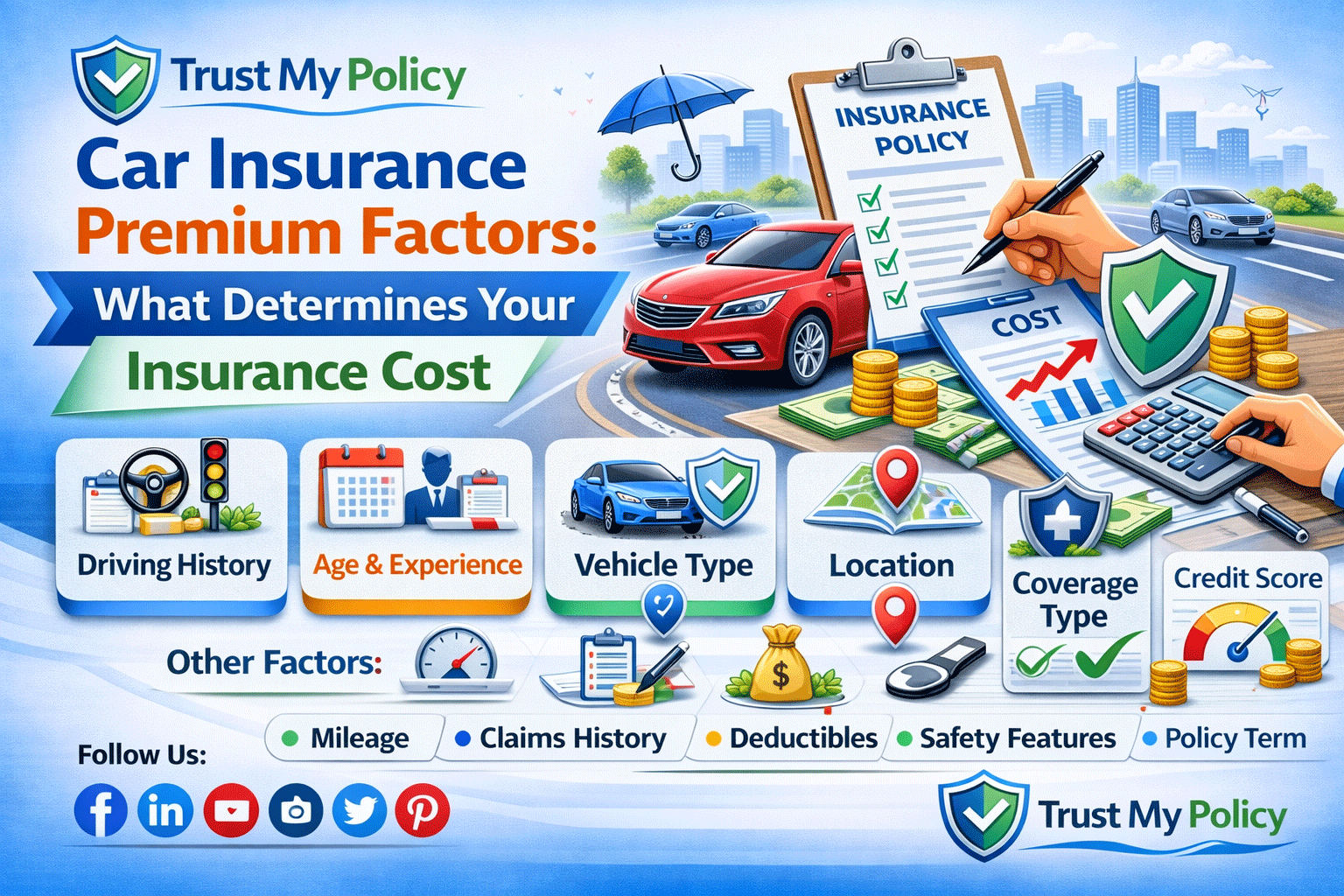
| Factor | Description | Example | Impact on Premium |
|---|---|---|---|
| Driver Age | Age of the insured driver | Young drivers | Higher risk |
| Driving History | Past accidents or violations | Speeding tickets | Higher premium |
| Vehicle Type | Model, safety features, repair cost | Sports car | Higher premium |
| Location | Where the vehicle is used or parked | Urban area | Higher risk |
| Coverage Level | Amount of insurance protection | Comprehensive coverage | Higher premium |
| Deductible | Amount paid before insurance coverage applies | $500 deductible | Lower premium |
, benefits, and financial protection options available to policyholders. Many readers compare multiple guides before selecting a plan so they can clearly evaluate premiums, claim procedures, and long‑term advantages. A useful resource to explore is Insurance Myths Explained, which explains how this insurance policy works, the key benefits it offers, and situations where it may be the most suitable option. By reviewing this guide, you can gain deeper insights into coverage features, eligibility requirements, and practical tips that help individuals and families make smarter insurance decisions.
What Is a Car Insurance Premium?
A car insurance premium is the amount a policyholder pays to an insurance company to maintain insurance coverage for a specific period.
Premiums may be paid:
-
Monthly
-
Quarterly
-
Semi-annually
-
Annually
The premium amount depends on multiple risk factors evaluated by the insurer.
Higher risk generally results in higher premiums, while lower risk may lead to lower insurance costs.
How Insurance Companies Calculate Premiums
Insurance companies use statistical data and risk assessment models to estimate the likelihood of a claim.
These calculations consider several elements, including:
-
Driver characteristics
-
Vehicle details
-
Location risk factors
-
Driving history
-
Coverage choices
By analyzing these variables, insurers estimate potential financial exposure and determine the premium price.
Major Car Insurance Premium Factors
Driver Age
Driver age is one of the most significant car insurance premium factors.
Younger drivers often pay higher premiums because:
-
They typically have less driving experience
-
Accident rates may be higher in younger age groups
Older drivers with more experience may receive lower premiums in many cases.
However, premiums may increase again for drivers at advanced ages due to increased risk factors.
Driving History
A driver’s past behavior on the road plays an important role in determining insurance costs.
Factors insurers may review include:
-
Previous accidents
-
Traffic violations
-
Insurance claims history
Drivers with clean driving records are often considered lower risk.
Vehicle Type
The type of vehicle being insured significantly affects the premium.
Factors related to the vehicle include:
-
Vehicle market value
-
Repair costs
-
Safety features
-
Theft risk
-
Engine power
High-performance or luxury vehicles may result in higher insurance costs.
Location
The area where a vehicle is used or parked also influences insurance pricing.
Location factors include:
-
Traffic density
-
Accident rates
-
Theft rates
-
Weather conditions
Urban areas often have higher insurance premiums due to increased risk.
Coverage Level
The amount of protection chosen in the policy directly impacts the premium.
Higher coverage levels generally result in higher premiums.
Examples of coverage levels include:
-
Liability coverage
-
Collision coverage
-
Comprehensive coverage
More extensive protection typically increases insurance costs.
Deductible Amount
The deductible is the amount the policyholder must pay before the insurer pays the remaining claim amount.
Example:
Repair cost: $3,000
Deductible: $500
Insurance payment: $2,500
Higher deductibles usually reduce premiums because the policyholder assumes more financial responsibility.
Annual Mileage
How often a vehicle is used can also affect insurance costs.
Drivers who travel longer distances may face higher premiums because:
-
More time on the road increases accident exposure
Lower mileage may reduce risk in some cases.
Vehicle Safety Features
Vehicles with advanced safety systems may reduce accident risk.
Examples include:
-
Anti-lock braking systems
-
Airbags
-
Electronic stability control
-
Collision warning systems
Safety technology may influence premium calculations.
Claims History
Insurance companies often review previous insurance claims.
Frequent claims may indicate higher risk, which could increase premiums.
Drivers with fewer claims may receive lower insurance costs.
, benefits, and financial protection options available to policyholders. Many readers compare multiple guides before selecting a plan so they can clearly evaluate premiums, claim procedures, and long‑term advantages. A useful resource to explore is Life Insurance for Pilots, which explains how this insurance policy works, the key benefits it offers, and situations where it may be the most suitable option. By reviewing this guide, you can gain deeper insights into coverage features, eligibility requirements, and practical tips that help individuals and families make smarter insurance decisions.
Detailed Comparison of Car Insurance Premium Factors
| Factor | Risk Impact | Example | Premium Effect |
|---|---|---|---|
| Driver Age | Experience level | Teen driver | Higher cost |
| Driving History | Past behavior | Multiple violations | Higher cost |
| Vehicle Value | Replacement cost | Luxury vehicle | Higher premium |
| Location Risk | Theft and accidents | Busy city | Higher cost |
| Coverage Choice | Protection level | Full coverage | Higher premium |
| Deductible Amount | Cost sharing | High deductible | Lower premium |
| Annual Mileage | Road exposure | 20,000 km yearly | Higher premium |
| Safety Features | Risk reduction | Airbags, sensors | Possible reduction |
Pros and Cons of Risk-Based Insurance Pricing
Advantages
-
Helps insurers price policies based on actual risk
-
Encourages safer driving behavior
-
Allows customization of insurance coverage
-
Helps maintain financial stability for insurers
-
Provides flexibility in policy choices
Limitations
-
Some factors are beyond driver control
-
Premium calculations may appear complex
-
Drivers with higher risk profiles may pay more
-
Insurance costs may vary significantly by region
Real-Life Examples of Premium Factors
Example 1: Young Driver With New Car
A young driver purchases a new sports vehicle.
Factors affecting premium:
-
Driver age
-
Vehicle type
-
Coverage level
Result:
Premium may be higher due to increased risk.
Example 2: Experienced Driver With Safe Vehicle
A driver with 15 years of accident-free driving insures a family vehicle.
Factors affecting premium:
-
Clean driving history
-
Moderate vehicle value
-
Standard coverage
Result:
Premium may be lower due to lower risk.
Example 3: Urban Driver With High Mileage
A driver living in a busy city drives long distances daily.
Factors affecting premium:
-
High mileage
-
Urban traffic conditions
-
Increased accident exposure
Result:
Premium may be higher due to higher risk.
, benefits, and financial protection options available to policyholders. Many readers compare multiple guides before selecting a plan so they can clearly evaluate premiums, claim procedures, and long‑term advantages. A useful resource to explore is How the Insurance Industry Works, which explains how this insurance policy works, the key benefits it offers, and situations where it may be the most suitable option. By reviewing this guide, you can gain deeper insights into coverage features, eligibility requirements, and practical tips that help individuals and families make smarter insurance decisions.
Common Mistakes Related to Car Insurance Premiums
Assuming Premiums Are the Same for Everyone
Insurance costs vary widely depending on personal risk factors.
Choosing Coverage Based Only on Price
Lower premiums may mean limited protection.
Ignoring Deductible Impact
High deductibles reduce premiums but increase claim costs.
Not Updating Policy Information
Changes such as relocation or reduced driving may affect premiums.
Not Reviewing Coverage Regularly
Insurance needs may change over time.
Frequently Asked Questions (FAQs)
What factors affect car insurance premiums the most?
Key factors include driver age, driving history, vehicle type, location, and coverage level.
Why do younger drivers pay higher premiums?
Younger drivers may have less driving experience, which can increase accident risk.
Does vehicle type affect insurance cost?
Yes. Vehicles with higher repair costs, performance capabilities, or theft risk may increase premiums.
Can deductibles lower insurance premiums?
Higher deductibles usually reduce premiums because the policyholder shares more financial responsibility.
Do safety features reduce insurance costs?
Vehicles with safety technologies may reduce accident risk, which may influence insurance pricing.
How often do insurance premiums change?
Premiums may change during policy renewal or when risk factors change.
, benefits, and financial protection options available to policyholders. Many readers compare multiple guides before selecting a plan so they can clearly evaluate premiums, claim procedures, and long‑term advantages. A useful resource to explore is Life Insurance With No Medical Exam, which explains how this insurance policy works, the key benefits it offers, and situations where it may be the most suitable option. By reviewing this guide, you can gain deeper insights into coverage features, eligibility requirements, and practical tips that help individuals and families make smarter insurance decisions.
Conclusion
Understanding car insurance premium factors helps drivers learn how insurance companies calculate policy costs. Premiums are influenced by many variables, including driver age, driving history, vehicle type, location, coverage level, and deductibles.
Insurance pricing is designed to reflect risk levels. Drivers who present lower risk may receive lower premiums, while higher-risk situations may lead to higher costs. By understanding these factors, policyholders can make informed decisions when selecting coverage and managing insurance expenses.
Reviewing insurance needs periodically and understanding the factors affecting premiums can help drivers maintain appropriate protection while managing insurance costs effectively.
, benefits, and financial protection options available to policyholders. Many readers compare multiple guides before selecting a plan so they can clearly evaluate premiums, claim procedures, and long‑term advantages. A useful resource to explore is Life Insurance for Business Owners, which explains how this insurance policy works, the key benefits it offers, and situations where it may be the most suitable option. By reviewing this guide, you can gain deeper insights into coverage features, eligibility requirements, and practical tips that help individuals and families make smarter insurance decisions.
Disclaimer
Disclaimer: This article is for educational purposes only. Trust My Policy is an independent informational platform and does not sell insurance products or represent any insurance provider. Readers should consult official policy documents or licensed professionals for personalized advice.