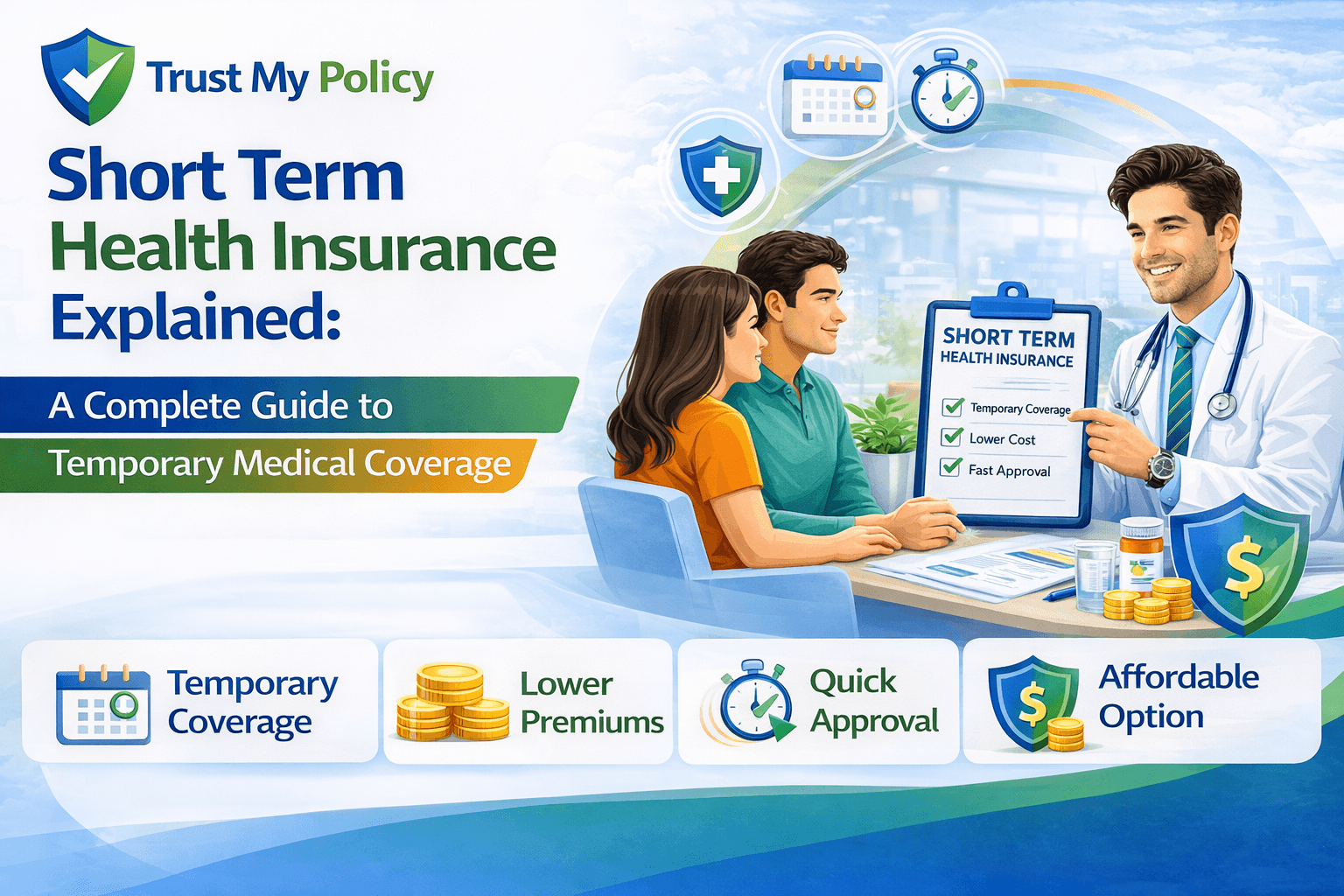
Short Term Health Insurance Explained: A Complete Guide to Temporary Medical Coverage
Health insurance plays a critical role in protecting individuals and families from unexpected medical expenses. However, not everyone needs or qualifies for long-term health insurance at every stage of life. Situations such as job changes, graduation, relocation, or waiting for a new insurance policy to begin can create temporary gaps in coverage. During these periods, short term health insurance may serve as a temporary solution.
Short term health insurance plans are designed to provide limited medical coverage for a short duration, typically ranging from a few months to about a year, depending on local regulations. These plans are often simpler and more affordable than comprehensive long-term policies, but they also come with important limitations.
Because short term plans are temporary, they may not include the full range of healthcare services that standard health insurance policies provide. Understanding what these plans cover—and what they do not—is essential before choosing this type of coverage.
This guide provides a clear explanation of short term health insurance, including how it works, who it is designed for, its benefits and limitations, and how it compares with traditional health insurance plans. By understanding these differences, individuals can decide whether temporary health coverage is appropriate for their specific situation.
Short Term Health Insurance Overview
| Feature | Short Term Health Insurance | Standard Health Insurance |
|---|---|---|
| Coverage Duration | Temporary (usually a few months to a year) | Long-term, renewable annually |
| Monthly Premium | Usually lower | Often higher |
| Coverage Scope | Limited benefits | Comprehensive benefits |
| Pre-Existing Conditions | Often excluded | Usually covered depending on regulations |
| Enrollment | Available anytime in many cases | Often limited to enrollment periods |
| Best For | Temporary coverage gaps | Long-term healthcare protection |
This quick comparison highlights the main differences between short term health insurance and traditional health insurance plans.
, benefits, and financial protection options available to policyholders. Many readers compare multiple guides before selecting a plan so they can clearly evaluate premiums, claim procedures, and long‑term advantages. A useful resource to explore is Insurance Solvency Explained, which explains how this insurance policy works, the key benefits it offers, and situations where it may be the most suitable option. By reviewing this guide, you can gain deeper insights into coverage features, eligibility requirements, and practical tips that help individuals and families make smarter insurance decisions.
What Is Short Term Health Insurance?
Short term health insurance is a temporary medical insurance policy designed to provide basic healthcare coverage for a limited period.
These plans are commonly used to bridge gaps between longer-term insurance policies.
Key Characteristics
Short term health insurance plans usually include:
-
Limited duration coverage
-
Lower monthly premiums
-
Basic medical protection
-
Simplified enrollment process
However, they may not provide the same level of coverage as comprehensive health insurance plans.
Typical Coverage Duration
Depending on local regulations, short term plans may last:
-
A few months
-
Up to one year
-
Occasionally renewable for limited periods
Because they are temporary, these policies are not intended as permanent healthcare solutions.
Why Short Term Health Insurance Exists
Short term health insurance helps people maintain some level of protection when they do not have access to long-term coverage.
Temporary Coverage Needs
Many people experience situations where their regular health insurance stops or has not yet started.
Examples include:
-
Changing jobs
-
Graduating from school
-
Waiting for employer insurance eligibility
-
Moving to a new country
-
Losing employer-sponsored insurance
Short term plans help fill these temporary coverage gaps.
Cost Considerations
Short term health insurance is often cheaper because:
-
Coverage is limited
-
Policy duration is shorter
-
Some services may not be included
This makes it attractive for individuals who need basic protection but cannot afford full insurance temporarily.
, benefits, and financial protection options available to policyholders. Many readers compare multiple guides before selecting a plan so they can clearly evaluate premiums, claim procedures, and long‑term advantages. A useful resource to explore is Cheapest Car Insurance in Wyoming, which explains how this insurance policy works, the key benefits it offers, and situations where it may be the most suitable option. By reviewing this guide, you can gain deeper insights into coverage features, eligibility requirements, and practical tips that help individuals and families make smarter insurance decisions.
How Short Term Health Insurance Works
Short term health insurance policies typically operate differently from standard long-term insurance plans.
Application Process
Many short term plans have a simple application process that may include:
-
Basic health questions
-
Personal information
-
Policy selection
In some cases, medical underwriting may apply.
Coverage Activation
Coverage often begins quickly after approval, sometimes within a few days.
Payment Structure
Policyholders usually pay:
-
Monthly premiums
-
Deductibles
-
Out-of-pocket costs for certain services
Because benefits may be limited, policyholders should carefully review policy details before enrolling.
What Short Term Health Insurance Typically Covers
Short term health insurance plans usually focus on unexpected medical events rather than routine healthcare.
Commonly Covered Services
These plans may include:
-
Emergency room visits
-
Hospital stays
-
Surgery related to accidents
-
Diagnostic tests for new illnesses
-
Doctor consultations for sudden conditions
Coverage details vary between policies and regions.
What Short Term Health Insurance May Not Cover
Short term health insurance often excludes certain types of medical care.
Common Exclusions
Many short term plans do not cover:
-
Pre-existing conditions
-
Preventive care
-
Routine checkups
-
Maternity services
-
Mental health treatment
-
Long-term chronic disease management
These limitations make it important to understand the scope of coverage before selecting a plan.
Who May Consider Short Term Health Insurance
Short term health insurance may be suitable for individuals facing temporary coverage gaps.
Common Situations
People may consider short term plans when they are:
-
Between jobs
-
Waiting for employer insurance to begin
-
Recently graduated
-
Self-employed during a transition period
-
Waiting for eligibility in a government healthcare program
-
Temporarily living abroad
In these cases, short term insurance can provide basic financial protection during uncertain periods.
, benefits, and financial protection options available to policyholders. Many readers compare multiple guides before selecting a plan so they can clearly evaluate premiums, claim procedures, and long‑term advantages. A useful resource to explore is Best Health Insurance for Self Employed, which explains how this insurance policy works, the key benefits it offers, and situations where it may be the most suitable option. By reviewing this guide, you can gain deeper insights into coverage features, eligibility requirements, and practical tips that help individuals and families make smarter insurance decisions.
Detailed Comparison: Short Term vs Long Term Health Insurance
| Feature | Short Term Health Insurance | Long Term Health Insurance |
|---|---|---|
| Coverage Duration | Temporary (months) | Long-term annual coverage |
| Monthly Premium | Lower | Higher |
| Coverage Scope | Limited benefits | Comprehensive benefits |
| Preventive Care | Often excluded | Usually included |
| Pre-Existing Conditions | Often excluded | Frequently covered |
| Enrollment Period | Often flexible | Usually restricted to enrollment periods |
| Policy Renewal | Limited | Renewable each year |
| Best For | Temporary coverage needs | Continuous healthcare protection |
This comparison helps readers understand the structural differences between temporary and comprehensive health insurance.
Pros and Cons of Short Term Health Insurance
Pros
Short term health insurance offers several advantages.
-
Lower monthly premiums
-
Quick enrollment process
-
Temporary coverage for unexpected medical events
-
Flexible coverage duration
-
Useful during insurance gaps
These features make short term plans convenient in certain situations.
Cons
Despite its advantages, short term health insurance also has limitations.
-
Limited coverage scope
-
Often excludes pre-existing conditions
-
Preventive services may not be included
-
Coverage duration is restricted
-
Some medical services may not be covered
Understanding these limitations helps individuals avoid unexpected financial risks.
Real-Life Examples of Short Term Health Insurance Use
Example 1: Job Transition
An employee leaves one job and starts another job two months later.
Because employer health insurance will not begin immediately, the individual purchases short term health insurance to stay protected during the transition.
Example 2: Recent Graduate
A university graduate loses student health insurance after graduation.
Short term health insurance helps provide temporary coverage until a full-time job with benefits is secured.
Example 3: Waiting for Policy Enrollment
Some healthcare systems only allow enrollment during specific periods.
If someone misses the enrollment window, short term coverage may help bridge the gap until the next enrollment period.
Example 4: Temporary International Travel
Individuals living abroad for a short period may use temporary insurance coverage to handle unexpected medical issues during their stay.
Common Mistakes When Choosing Short Term Health Insurance
Understanding the limitations of short term insurance can help prevent common mistakes.
Assuming It Covers Everything
Short term plans often exclude many healthcare services.
Reading policy details carefully is essential.
Ignoring Pre-Existing Condition Rules
Many short term plans do not cover pre-existing conditions.
Applicants should review eligibility requirements.
Not Checking Coverage Limits
Some policies have caps on total benefits or specific treatments.
Understanding these limits is important before enrollment.
Using It as Long-Term Insurance
Short term insurance is not designed to replace comprehensive long-term health insurance.
It is intended for temporary situations.
, benefits, and financial protection options available to policyholders. Many readers compare multiple guides before selecting a plan so they can clearly evaluate premiums, claim procedures, and long‑term advantages. A useful resource to explore is Cheap Health Insurance Options, which explains how this insurance policy works, the key benefits it offers, and situations where it may be the most suitable option. By reviewing this guide, you can gain deeper insights into coverage features, eligibility requirements, and practical tips that help individuals and families make smarter insurance decisions.
Frequently Asked Questions (FAQs)
What is short term health insurance?
Short term health insurance is a temporary medical insurance plan that provides limited coverage for a short period, typically several months.
Who should consider short term health insurance?
Individuals who are between jobs, waiting for new insurance coverage, or experiencing temporary gaps in coverage may consider short term plans.
Does short term health insurance cover pre-existing conditions?
Many short term policies exclude pre-existing conditions, although rules vary depending on the insurer and region.
Is short term health insurance cheaper?
Short term plans often have lower premiums because they provide limited benefits and shorter coverage periods.
Can short term health insurance be renewed?
Some plans allow limited renewals, but many policies have maximum coverage periods depending on local regulations.
Does short term insurance cover preventive care?
Preventive services such as routine checkups and screenings are often not included in short term health insurance plans.
Is short term health insurance suitable for families?
It may provide temporary coverage for families during transitions, but it usually does not offer the comprehensive benefits found in long-term family health plans.
Conclusion
Short term health insurance provides temporary medical coverage for individuals who need protection during gaps in long-term insurance. These plans are designed to offer basic financial support for unexpected medical events while individuals transition between more comprehensive coverage options.
Although short term health insurance typically has lower premiums and flexible enrollment, it also has significant limitations. Coverage is temporary, benefits may be limited, and many plans exclude services such as preventive care, maternity coverage, and treatment for pre-existing conditions.
Because of these limitations, short term health insurance is generally best suited for short periods when other coverage is unavailable. It can help protect individuals from large medical bills during temporary transitions but is not intended to replace comprehensive health insurance.
By understanding how short term health insurance works and carefully reviewing policy terms, individuals can make informed decisions about whether this type of coverage fits their healthcare needs.
, benefits, and financial protection options available to policyholders. Many readers compare multiple guides before selecting a plan so they can clearly evaluate premiums, claim procedures, and long‑term advantages. A useful resource to explore is Insurance Waiting Period , which explains how this insurance policy works, the key benefits it offers, and situations where it may be the most suitable option. By reviewing this guide, you can gain deeper insights into coverage features, eligibility requirements, and practical tips that help individuals and families make smarter insurance decisions.
Disclaimer:
“Disclaimer: This article is for educational purposes only. Trust My Policy is an independent informational platform and does not sell insurance products or represent any insurance provider. Readers should consult official policy documents or licensed professionals for personalized advice.”