Housing is one of the most important parts of daily life. Whether someone owns a home or rents a property, protecting personal belongings and financial stability is essential. Unexpected events such as fire, theft, natural disasters, or accidents can cause significant financial loss. This is where property-related insurance becomes important.
Two common types of protection are renters insurance and homeowners insurance. Although both policies help protect individuals from financial risks related to housing, they serve different purposes. The main difference lies in who owns the property and what type of coverage is required.
Understanding renters vs homeowners insurance helps people choose the appropriate protection based on their living situation. Homeowners usually need coverage for the building structure and their belongings, while renters mainly need protection for their personal possessions and liability risks.
This guide explains the differences between renters and homeowners insurance in a clear and practical way. It covers definitions, coverage types, benefits, limitations, real-life examples, and common mistakes people make when selecting insurance.
Table of Contents
ToggleRenters vs Homeowners Insurance
| Feature | Renters Insurance | Homeowners Insurance |
|---|---|---|
| Who it is for | People renting a home or apartment | People who own a home |
| Covers building structure | No | Yes |
| Covers personal belongings | Yes | Yes |
| Liability protection | Usually included | Usually included |
| Cost | Generally lower | Generally higher |
| Required by landlords or lenders | Sometimes required by landlords | Often required by mortgage lenders |
| Purpose | Protect renter’s belongings and liability | Protect home structure and belongings |
Key takeaway:
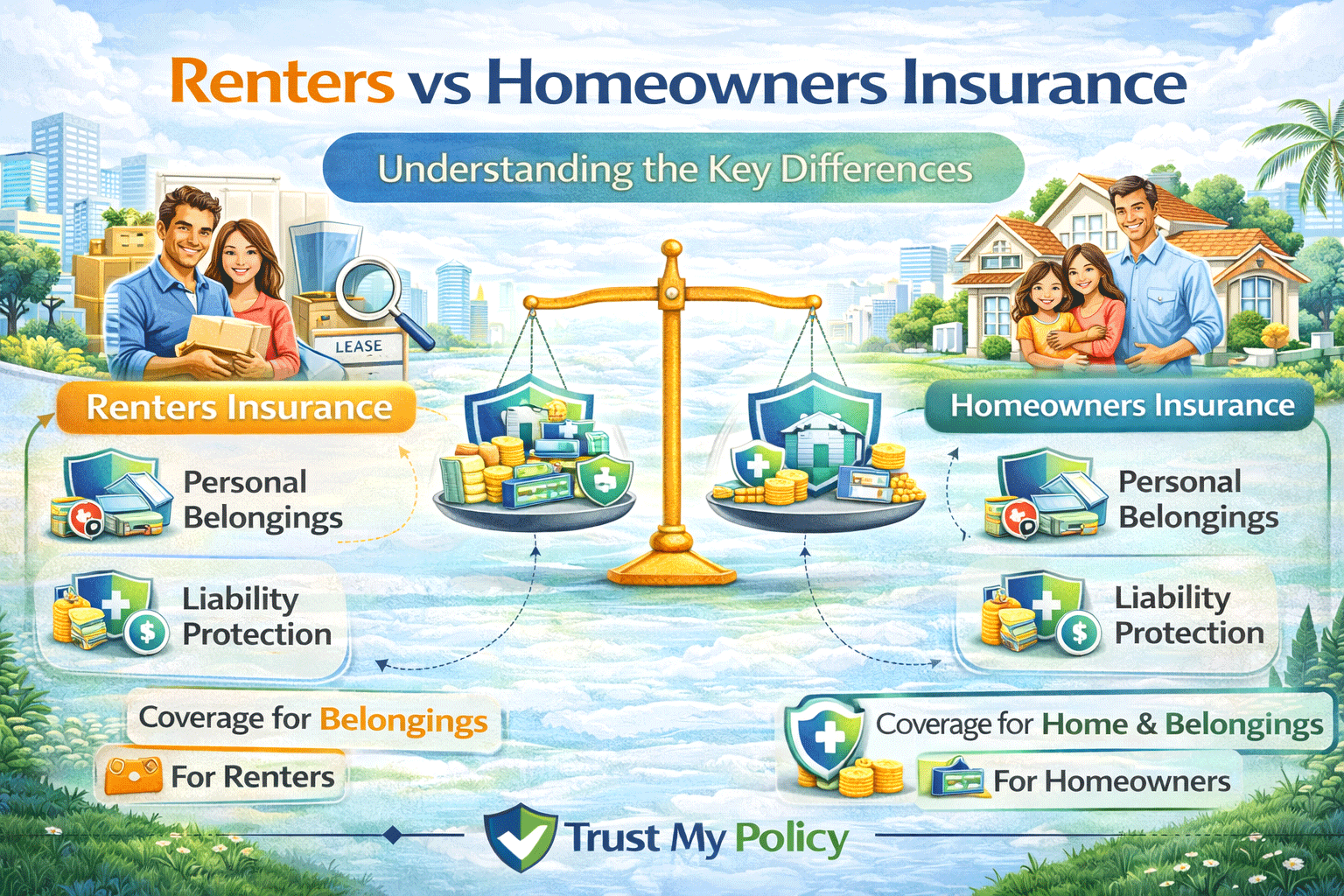
Renters insurance protects personal belongings and liability for tenants, while homeowners insurance protects both the home structure and personal belongings for property owners.
Choosing the right insurance coverage requires understanding different policy types, benefits, and financial protection options available to policyholders. Many readers compare multiple guides before selecting a plan so they can clearly evaluate premiums, claim procedures, and long‑term advantages. A useful resource to explore is How to File an Insurance Claim, which explains how this insurance policy works, the key benefits it offers, and situations where it may be the most suitable option. By reviewing this guide, you can gain deeper insights into coverage features, eligibility requirements, and practical tips that help individuals and families make smarter insurance decisions.
What Is Renters Insurance?
Renters insurance is a type of insurance policy designed for people who rent their living space rather than own it.
Because renters do not own the building structure, the policy typically focuses on protecting personal property and liability risks.
What Renters Insurance Typically Covers
Renters insurance policies often include coverage for:
-
Personal belongings such as furniture, electronics, clothing, and appliances
-
Theft or burglary
-
Fire or smoke damage
-
Water damage from certain sources
-
Temporary living expenses if the rental becomes uninhabitable
-
Personal liability if someone is injured inside the rented property
Coverage details vary depending on the policy and region.
What Renters Insurance Usually Does Not Cover
Renters insurance generally does not cover:
-
Structural damage to the building
-
Maintenance or repair of the property
-
Damage to shared building areas
These responsibilities usually belong to the property owner or landlord.
What Is Homeowners Insurance?
Homeowners insurance is designed for people who own their homes. It provides broader protection because homeowners are responsible for both the building structure and the contents inside the home.
Homeowners insurance policies typically combine several types of coverage into one policy.
What Homeowners Insurance Typically Covers
Homeowners insurance may include coverage for:
-
The structure of the home
-
Personal belongings inside the home
-
Detached structures such as garages or sheds
-
Liability protection for accidents on the property
-
Temporary living expenses if the home becomes uninhabitable
Coverage may vary depending on the policy and local regulations.
Why Homeowners Insurance Is Important
Owning property involves significant financial investment. Homeowners insurance helps protect that investment against risks such as:
-
Fire damage
-
Storm damage
-
Theft
-
Certain natural disasters
-
Liability claims
Mortgage lenders often require homeowners insurance to protect the property used as loan collateral.
Choosing the right insurance coverage requires understanding different policy types, benefits, and financial protection options available to policyholders. Many readers compare multiple guides before selecting a plan so they can clearly evaluate premiums, claim procedures, and long‑term advantages. A useful resource to explore is Health Insurance vs Medical Insurance, which explains how this insurance policy works, the key benefits it offers, and situations where it may be the most suitable option. By reviewing this guide, you can gain deeper insights into coverage features, eligibility requirements, and practical tips that help individuals and families make smarter insurance decisions.
Renters vs Homeowners Insurance: Detailed Comparison
| Feature | Renters Insurance | Homeowners Insurance |
|---|---|---|
| Property ownership | Designed for renters | Designed for homeowners |
| Structure coverage | Not included | Included |
| Personal belongings | Covered | Covered |
| Liability protection | Included in many policies | Included in many policies |
| Additional living expenses | Often covered | Often covered |
| Policy cost | Generally lower | Usually higher |
| Maintenance responsibility | Landlord | Homeowner |
| Mortgage requirement | Not required | Often required by lenders |
| Coverage scope | Limited to renter’s possessions | Broader protection for property and possessions |
This comparison highlights the major difference: homeowners insurance protects the property itself, while renters insurance protects only the renter’s belongings and liability risks.
Key Differences Between Renters and Homeowners Insurance
1. Property Ownership
The most obvious difference in renters vs homeowners insurance is ownership.
-
Renters insurance is for tenants.
-
Homeowners insurance is for property owners.
Ownership determines who is responsible for property repairs and structural protection.
2. Structure Coverage
Homeowners insurance includes protection for:
-
Walls
-
Roof
-
Floors
-
Built-in structures
-
Detached buildings such as garages
Renters insurance does not cover building structures.
3. Cost Differences
Renters insurance generally costs less because it only covers personal belongings and liability.
Homeowners insurance tends to be more expensive because it covers:
-
The building structure
-
Personal property
-
Liability risks
-
Additional structures
4. Responsibility for Property Damage
If damage occurs to the building:
-
Homeowners must rely on homeowners insurance.
-
Renters rely on the landlord’s property insurance for structural damage.
However, renters insurance may cover damage caused by the renter’s actions.
5. Coverage Limits
Homeowners insurance policies often have higher coverage limits because homes represent larger financial assets.
Renters insurance policies typically focus on the value of personal belongings.
Choosing the right insurance coverage requires understanding different policy types, benefits, and financial protection options available to policyholders. Many readers compare multiple guides before selecting a plan so they can clearly evaluate premiums, claim procedures, and long‑term advantages. A useful resource to explore is How Insurance Companies Approve Claims, which explains how this insurance policy works, the key benefits it offers, and situations where it may be the most suitable option. By reviewing this guide, you can gain deeper insights into coverage features, eligibility requirements, and practical tips that help individuals and families make smarter insurance decisions.
Pros and Cons of Renters Insurance
Advantages
-
Protects personal belongings from damage or theft
-
Provides liability protection for accidents
-
Covers temporary living expenses if rental property becomes unusable
-
Generally affordable
-
Offers financial protection for renters who own valuable items
Disadvantages
-
Does not cover building structure
-
May have limits on certain items such as jewelry or electronics
-
Some events may not be covered depending on policy terms
Pros and Cons of Homeowners Insurance
Advantages
-
Protects the home structure
-
Covers personal belongings
-
Includes liability protection
-
Provides coverage for detached structures
-
May cover additional living expenses during repairs
Disadvantages
-
Higher premium costs compared to renters insurance
-
Policy details may be complex
-
Certain natural disasters may require separate coverage
Real-Life Examples of Renters vs Homeowners Insurance
Understanding how these policies work in real situations helps explain their value.
Example 1: Apartment Fire
A fire damages an apartment building.
-
Renters insurance: Covers the renter’s personal belongings.
-
Homeowners insurance: Covers the building structure if the homeowner owns the property.
The landlord’s property insurance typically covers the building itself.
Example 2: Theft Incident
A burglary occurs in a rented apartment.
-
Renters insurance: May cover stolen electronics and personal items.
-
Homeowners insurance: Covers stolen belongings if the homeowner lives there.
Example 3: Guest Injury
A visitor slips and gets injured inside the property.
-
Renters insurance: Liability coverage may help cover legal or medical costs.
-
Homeowners insurance: Liability protection may also apply.
Example 4: Storm Damage
A storm damages the roof of a house.
-
Homeowners insurance: May cover roof repairs depending on policy terms.
-
Renters insurance: Usually does not cover building damage.
However, renters insurance may cover personal belongings damaged inside the property.
Choosing the right insurance coverage requires understanding different policy types, benefits, and financial protection options available to policyholders. Many readers compare multiple guides before selecting a plan so they can clearly evaluate premiums, claim procedures, and long‑term advantages. A useful resource to explore is What Does Car Insurance Cover, which explains how this insurance policy works, the key benefits it offers, and situations where it may be the most suitable option. By reviewing this guide, you can gain deeper insights into coverage features, eligibility requirements, and practical tips that help individuals and families make smarter insurance decisions.
Common Mistakes People Make
Many people misunderstand the differences between renters vs homeowners insurance.
1. Believing the Landlord’s Insurance Covers Renters
A landlord’s property insurance typically protects the building, not the renter’s belongings.
2. Assuming Renters Insurance Is Unnecessary
Some renters believe they do not own enough valuable items to need insurance. However, replacing everyday belongings can become expensive.
3. Not Checking Coverage Limits
Policies often have limits on certain items such as:
-
Jewelry
-
Electronics
-
Collectibles
Understanding coverage limits helps avoid surprises during claims.
4. Ignoring Liability Protection
Liability coverage is an important part of both renters and homeowners insurance. It may help cover costs if someone is injured on the property.
5. Failing to Update Coverage
As people acquire more belongings or renovate homes, insurance coverage should be reviewed to ensure it remains adequate.
Frequently Asked Questions
What is the main difference between renters insurance and homeowners insurance?
Renters insurance protects personal belongings and liability for tenants, while homeowners insurance protects the home structure and personal belongings for property owners.
Do renters need insurance if the landlord has insurance?
Yes. Landlord insurance usually protects the building structure, not the renter’s personal belongings.
Is renters insurance required?
In some cases, landlords may require tenants to carry renters insurance as part of the lease agreement.
Does homeowners insurance cover personal belongings?
Yes. Most homeowners insurance policies include coverage for personal belongings inside the home.
Does renters insurance cover natural disasters?
Coverage depends on the policy. Some natural disasters may be covered, while others may require separate insurance.
Can homeowners insurance cover liability claims?
Yes. Many homeowners insurance policies include liability protection if someone is injured on the property.
Choosing the right insurance coverage requires understanding different policy types, benefits, and financial protection options available to policyholders. Many readers compare multiple guides before selecting a plan so they can clearly evaluate premiums, claim procedures, and long‑term advantages. A useful resource to explore is Best Home Insurance in Florida, which explains how this insurance policy works, the key benefits it offers, and situations where it may be the most suitable option. By reviewing this guide, you can gain deeper insights into coverage features, eligibility requirements, and practical tips that help individuals and families make smarter insurance decisions.
Conclusion
Understanding the difference between renters vs homeowners insurance is essential for anyone who rents or owns a home. Both types of insurance provide financial protection against unexpected events, but they serve different purposes.
Renters insurance focuses on protecting personal belongings and liability risks for tenants. It does not cover the building structure because that responsibility belongs to the property owner.
Homeowners insurance provides broader protection, covering both the physical structure of the home and the homeowner’s personal possessions. It also often includes liability protection and coverage for additional structures on the property.
Choosing the right type of insurance depends largely on whether a person rents or owns their home. Understanding coverage options, limitations, and responsibilities helps individuals make informed decisions about protecting their property and finances.
Disclaimer:
This article is for educational purposes only. Trust My Policy is an independent informational platform and does not sell insurance products or represent any insurance provider. Readers should consult official policy documents or licensed professionals for personalized advice.
Leave a Reply