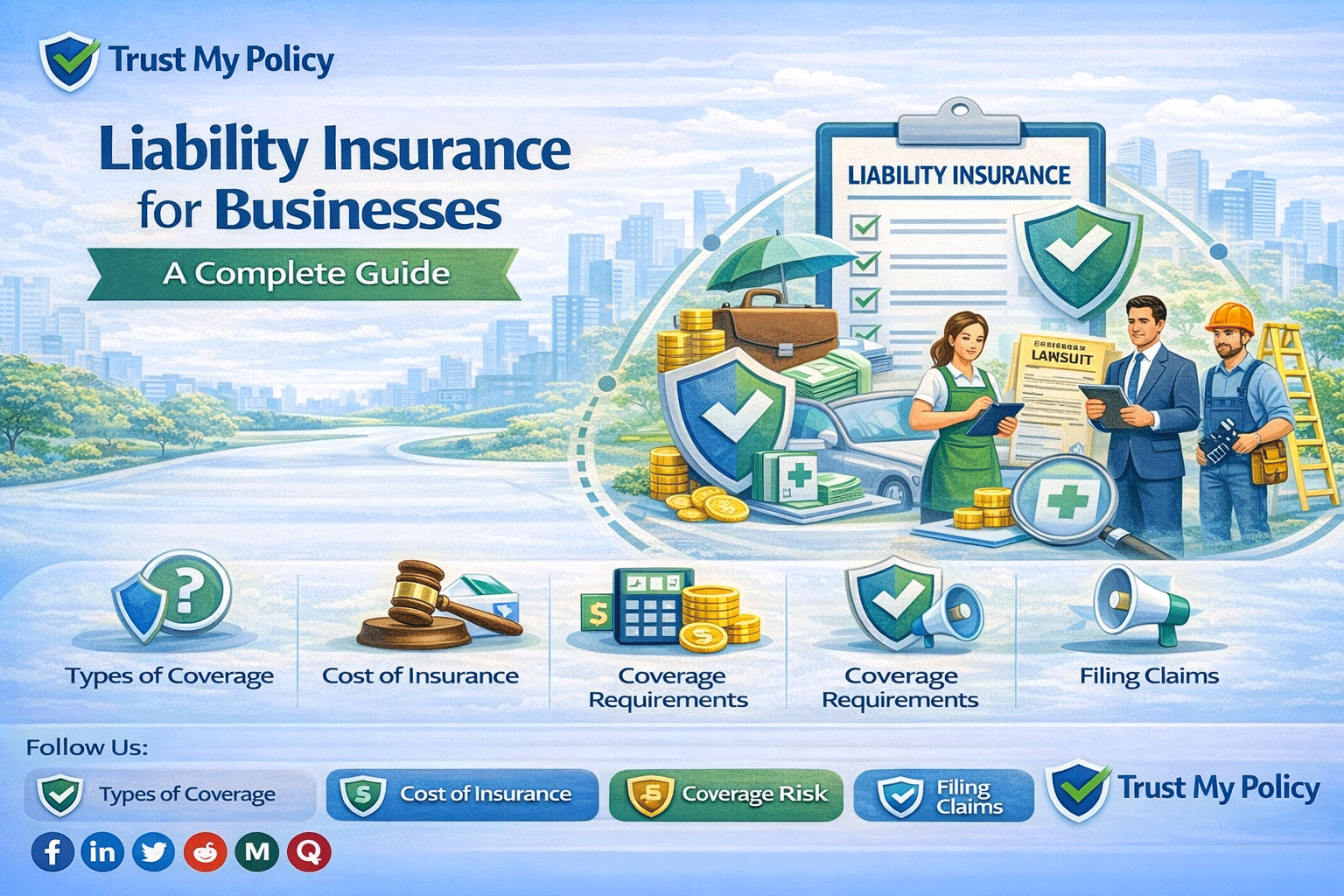
Running a business involves many responsibilities and risks. Even well-managed companies can face unexpected situations that lead to legal claims or financial losses. A customer may get injured on business premises, a product might cause damage, or a service error could lead to financial harm for a client.
These situations can result in lawsuits, legal expenses, and compensation costs that may threaten the financial stability of a business. Liability insurance for businesses helps reduce this risk by covering certain costs associated with claims made against a company.
Liability insurance is designed to protect businesses when they are held legally responsible for injuries, damages, or losses affecting other people or organizations. It helps cover legal defense expenses, settlements, and compensation payments depending on the policy.
For many companies, liability insurance is a key part of risk management. Some policies may also be required by contracts, regulations, or industry standards. Understanding the different types of liability insurance can help business owners make informed decisions and reduce financial risk.
This guide explains liability insurance for businesses in clear and simple terms, including the main types of coverage, how policies work, their benefits and limitations, and common mistakes to avoid.
Types of Liability Insurance for Businesses
| Insurance Type | What It Covers | Who Typically Needs It | Risk Level |
|---|---|---|---|
| General Liability Insurance | Third-party injuries and property damage | Most businesses | Medium |
| Professional Liability Insurance | Service errors or negligence claims | Consultants, professionals | Medium |
| Product Liability Insurance | Harm caused by products | Manufacturers, retailers | High |
| Employer’s Liability Insurance | Employee injury claims related to negligence | Businesses with employees | Medium |
| Cyber Liability Insurance | Data breaches and cyber incidents | Online and digital businesses | Growing |
| Directors and Officers (D&O) Liability | Management decisions affecting stakeholders | Corporations and startups | Medium |
Choosing the right insurance coverage requires understanding different policy types, benefits, and financial protection options available to policyholders. Many readers compare multiple guides before selecting a plan so they can clearly evaluate premiums, claim procedures, and long‑term advantages. A useful resource to explore is How Car Insurance Premiums Are Calculated, which explains how this insurance policy works, the key benefits it offers, and situations where it may be the most suitable option. By reviewing this guide, you can gain deeper insights into coverage features, eligibility requirements, and practical tips that help individuals and families make smarter insurance decisions.
What Is Liability Insurance for Businesses?
Liability insurance for businesses is a type of insurance coverage that protects companies against claims of injury, damage, or negligence made by third parties.
A third party can include:
-
Customers
-
Clients
-
Vendors
-
Visitors
-
Members of the public
-
Investors or stakeholders
If a business is found responsible for causing harm, it may have to pay compensation. Liability insurance helps cover some of these costs depending on the policy.
Typical expenses that liability insurance may cover include:
-
Legal defense costs
-
Court fees
-
Settlements
-
Compensation payments
-
Investigation expenses
Without liability insurance, these costs would usually be paid directly by the business.
Why Liability Insurance Is Important for Businesses
Liability insurance plays an important role in protecting companies from financial risks.
Financial Protection
Legal claims can be expensive. Even small incidents can lead to significant legal costs. Insurance helps manage these expenses.
Legal and Contract Requirements
Some industries require businesses to maintain liability insurance. Clients or partners may also require proof of coverage before signing contracts.
Reputation Protection
Legal disputes can damage a company’s reputation. Insurance helps businesses manage claims more effectively.
Risk Management
Insurance is part of a broader risk management strategy that includes safety practices, compliance, and internal policies.
Business Continuity
Unexpected lawsuits can disrupt operations. Liability insurance can help companies recover from financial losses.
Types of Liability Insurance for Businesses Explained
Businesses may need different types of liability insurance depending on their operations and risks.
General Liability Insurance
General liability insurance is one of the most common types of liability insurance for businesses.
It protects companies against claims related to:
-
Bodily injury to third parties
-
Property damage caused by business operations
-
Advertising or marketing claims
For example:
-
A customer slips and falls in a store.
-
A contractor accidentally damages a client’s property.
-
A company advertisement leads to a legal dispute.
General liability insurance usually covers:
-
Legal defense costs
-
Medical expenses
-
Settlement payments
Professional Liability Insurance
Professional liability insurance protects businesses that provide professional services or advice.
It covers claims that arise from:
-
Negligence
-
Errors or omissions
-
Professional mistakes
-
Failure to deliver promised services
Common industries that use professional liability insurance include:
-
Consulting
-
Accounting
-
Legal services
-
IT services
-
Marketing agencies
Clients may claim financial losses if they believe a professional service caused harm.
Product Liability Insurance
Product liability insurance protects businesses that manufacture, distribute, or sell products.
It covers claims that products caused injury, illness, or property damage.
Examples include:
-
Faulty electronics causing fires
-
Unsafe food products
-
Defective equipment
Product liability insurance is particularly important for:
-
Manufacturers
-
Retailers
-
Importers
-
Online product sellers
Employer’s Liability Insurance
Employer’s liability insurance protects businesses when employees claim the company is responsible for workplace injuries or illnesses.
This coverage is different from workers’ compensation insurance.
Employer’s liability insurance may cover:
-
Legal defense costs
-
Compensation claims
-
Medical costs related to negligence claims
It often applies when employees claim the employer failed to provide a safe working environment.
Cyber Liability Insurance
Cyber liability insurance protects businesses from losses related to cyber incidents.
These incidents may include:
-
Data breaches
-
Hacking attacks
-
Ransomware incidents
-
Customer data exposure
Coverage may include:
-
Investigation costs
-
Legal defense expenses
-
Notification of affected customers
-
Data recovery costs
As businesses increasingly rely on digital systems, cyber liability insurance is becoming more important.
Choosing the right insurance coverage requires understanding different policy types, benefits, and financial protection options available to policyholders. Many readers compare multiple guides before selecting a plan so they can clearly evaluate premiums, claim procedures, and long‑term advantages. A useful resource to explore is Health Insurance vs Medical Insurance, which explains how this insurance policy works, the key benefits it offers, and situations where it may be the most suitable option. By reviewing this guide, you can gain deeper insights into coverage features, eligibility requirements, and practical tips that help individuals and families make smarter insurance decisions.
Directors and Officers (D&O) Liability Insurance
Directors and officers liability insurance protects company leaders from claims related to their management decisions.
Stakeholders such as investors, shareholders, or employees may file claims if they believe company leadership caused financial harm.
D&O insurance may cover:
-
Legal defense costs
-
Settlements
-
Financial damages
This coverage is common among:
-
Corporations
-
Nonprofit organizations
-
Startups with investors
Detailed Comparison of Liability Insurance Types
| Insurance Type | Main Coverage | Typical Claims | Businesses That Use It | Key Benefit |
|---|---|---|---|---|
| General Liability | Injuries and property damage | Customer accidents | Most businesses | Basic protection |
| Professional Liability | Service errors | Financial loss claims | Consultants, advisors | Protects professional services |
| Product Liability | Product-related harm | Defective product injuries | Manufacturers, retailers | Product risk coverage |
| Employer’s Liability | Employee claims | Workplace negligence | Businesses with staff | Protects employers |
| Cyber Liability | Digital risks | Data breaches | Online businesses | Cybersecurity protection |
| D&O Liability | Leadership decisions | Investor lawsuits | Corporations, startups | Protects executives |
Pros and Cons of Liability Insurance for Businesses
Advantages
-
Helps cover legal defense expenses
-
Protects businesses from large financial claims
-
Supports business stability during legal disputes
-
May be required by contracts or regulations
-
Enhances credibility with partners and clients
Disadvantages
-
Requires ongoing premium payments
-
Some policies contain exclusions
-
Coverage limits may not cover all claims
-
Understanding policy terms can be complex
-
Claims processes may take time to resolve
Choosing the right insurance coverage requires understanding different policy types, benefits, and financial protection options available to policyholders. Many readers compare multiple guides before selecting a plan so they can clearly evaluate premiums, claim procedures, and long‑term advantages. A useful resource to explore is How to Choose an Insurance Policy, which explains how this insurance policy works, the key benefits it offers, and situations where it may be the most suitable option. By reviewing this guide, you can gain deeper insights into coverage features, eligibility requirements, and practical tips that help individuals and families make smarter insurance decisions.
Real-Life Use Cases of Liability Insurance
Example 1: Customer Injury
A customer slips on a wet floor inside a retail store and suffers an injury.
The customer files a legal claim seeking compensation.
General liability insurance may help cover:
-
Medical expenses
-
Legal defense costs
-
Settlement payments
Example 2: Professional Error
An IT consultant provides software advice that leads to financial loss for a client.
The client claims negligence and files a lawsuit.
Professional liability insurance may cover legal costs and damages.
Example 3: Defective Product
A small electronics manufacturer sells a product with a faulty battery that causes property damage.
Affected customers file claims.
Product liability insurance may help cover compensation and legal expenses.
Example 4: Workplace Injury Claim
An employee develops a long-term injury due to unsafe workplace conditions and files a claim against the employer.
Employer’s liability insurance may cover legal costs and compensation.
Example 5: Data Breach
An online business experiences a cyberattack that exposes customer data.
The company must notify customers and handle legal consequences.
Cyber liability insurance may help cover response costs and legal expenses.
Common Mistakes Businesses Make with Liability Insurance
Many companies misunderstand how liability insurance works.
1. Assuming One Policy Covers All Risks
General liability insurance does not cover professional mistakes or cyber risks.
Businesses may need multiple policies.
2. Choosing Low Coverage Limits
A policy with low limits may not fully cover large claims or lawsuits.
3. Ignoring Policy Exclusions
Insurance policies often exclude certain risks. Business owners should review exclusions carefully.
4. Not Updating Coverage
As businesses grow, their risks change. Insurance coverage should be reviewed regularly.
5. Overlooking Cyber Risks
Even small businesses can experience cyberattacks or data breaches.
6. Delaying Insurance Until Problems Occur
Insurance typically must be in place before an incident occurs to provide coverage.
Choosing the right insurance coverage requires understanding different policy types, benefits, and financial protection options available to policyholders. Many readers compare multiple guides before selecting a plan so they can clearly evaluate premiums, claim procedures, and long‑term advantages. A useful resource to explore is Insurance Guide for Beginners, which explains how this insurance policy works, the key benefits it offers, and situations where it may be the most suitable option. By reviewing this guide, you can gain deeper insights into coverage features, eligibility requirements, and practical tips that help individuals and families make smarter insurance decisions.
Frequently Asked Questions (FAQs)
What does liability insurance for businesses cover?
Liability insurance typically covers legal claims involving third-party injuries, property damage, professional mistakes, or other forms of negligence depending on the policy.
Is liability insurance required for businesses?
In some industries or regions, certain types of liability insurance may be required by law, contracts, or professional licensing bodies.
How much liability insurance does a business need?
The amount depends on factors such as:
-
Business size
-
Industry risk
-
Revenue
-
Number of employees
-
Contract requirements
Does liability insurance cover employee injuries?
General liability insurance usually does not cover employee injuries. Workers’ compensation or employer’s liability insurance typically covers those claims.
Can online businesses need liability insurance?
Yes. Online businesses may face risks such as cyberattacks, copyright claims, or professional service disputes.
What affects liability insurance costs?
Premiums may depend on:
-
Industry risk level
-
Business size and revenue
-
Claims history
-
Location
-
Coverage limits
Can businesses combine different liability insurance policies?
Yes. Many companies combine multiple liability policies to address different risks such as professional services, product liability, or cyber threats.
Choosing the right insurance coverage requires understanding different policy types, benefits, and financial protection options available to policyholders. Many readers compare multiple guides before selecting a plan so they can clearly evaluate premiums, claim procedures, and long‑term advantages. A useful resource to explore is Insurance for Small Companies, which explains how this insurance policy works, the key benefits it offers, and situations where it may be the most suitable option. By reviewing this guide, you can gain deeper insights into coverage features, eligibility requirements, and practical tips that help individuals and families make smarter insurance decisions.
Conclusion
Liability insurance for businesses helps protect companies from financial losses caused by legal claims, accidents, and professional mistakes. Businesses interact with customers, employees, vendors, and the public every day, which creates potential risks.
Different types of liability insurance cover different areas of risk. Common policies include general liability insurance, professional liability insurance, product liability insurance, employer’s liability insurance, cyber liability insurance, and directors and officers liability insurance.
Each type of coverage plays a specific role in protecting businesses from legal and financial challenges. The right insurance combination depends on the company’s size, industry, services, and operational risks.
Understanding how liability insurance works allows business owners to build stronger risk management strategies. While insurance cannot prevent incidents from happening, it can help businesses manage financial consequences and continue operating after unexpected events.
Disclaimer:
This article is for educational purposes only. Trust My Policy is an independent informational platform and does not sell insurance products or represent any insurance provider. Readers should consult official policy documents or licensed professionals for personalized advice.
Leave a Reply