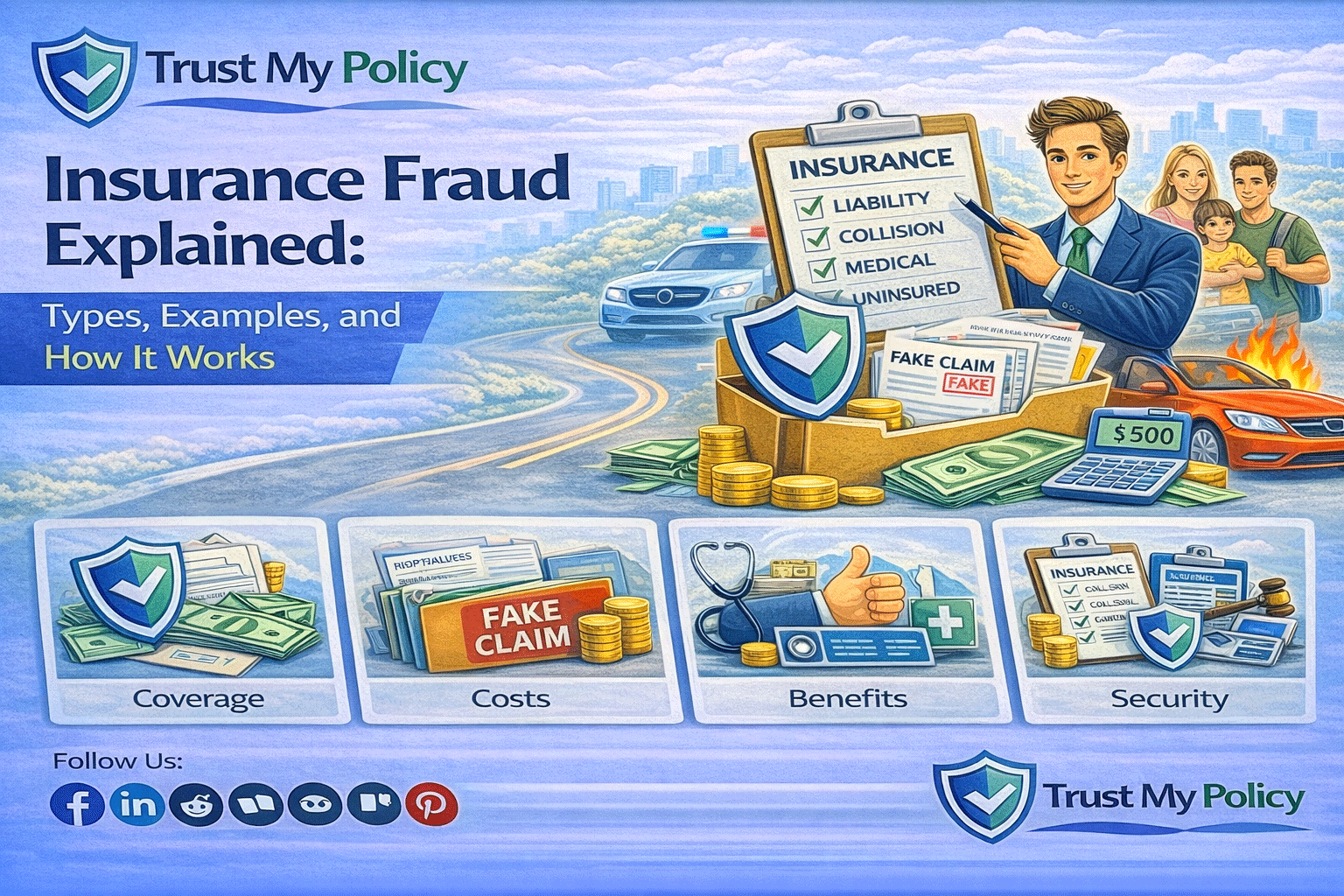
Insurance Fraud Explained: Types, Examples, and How It Works
Insurance is designed to protect individuals, families, and businesses from financial losses caused by unexpected events such as accidents, health emergencies, property damage, or natural disasters. When policyholders pay premiums, they expect insurers to provide financial support when a covered loss occurs. However, the insurance system can sometimes be misused through insurance fraud.
Insurance fraud occurs when a person or organization intentionally provides false information or manipulates a claim to receive benefits they are not entitled to. Fraud can occur at different stages of the insurance process, including during policy purchase, claim filing, or damage reporting.
Insurance fraud affects more than just insurance companies. It can increase operational costs for insurers, which may eventually lead to higher premiums for policyholders. Because of this impact, insurance providers around the world use strict procedures and advanced technology to detect and prevent fraudulent activities.
Understanding insurance fraud explained clearly can help policyholders recognize common fraud situations, avoid unintentional mistakes, and understand how insurers protect the integrity of the insurance system.
This guide explains what insurance fraud is, how it works, common types, real-life examples, and how insurance companies detect fraudulent claims.
Insurance Fraud Overview
| Category | Description | Example | Impact |
|---|---|---|---|
| False Claims | Claim filed for damage that never occurred | Reporting fake theft | Financial loss for insurers |
| Exaggerated Claims | Real damage but inflated costs | Inflated repair bills | Higher claim payouts |
| Application Fraud | False information during policy purchase | Incorrect health history | Policy misrepresentation |
| Identity Fraud | Using another person’s identity | Claim filed using stolen identity | Legal and financial risks |
| Organized Fraud | Groups working together to exploit insurance | Staged accidents | Large financial losses |
, benefits, and financial protection options available to policyholders. Many readers compare multiple guides before selecting a plan so they can clearly evaluate premiums, claim procedures, and long‑term advantages. A useful resource to explore is Family Health Insurance Plans, which explains how this insurance policy works, the key benefits it offers, and situations where it may be the most suitable option. By reviewing this guide, you can gain deeper insights into coverage features, eligibility requirements, and practical tips that help individuals and families make smarter insurance decisions.
What Is Insurance Fraud?
Insurance fraud is the act of deliberately providing false or misleading information to an insurance company to obtain financial benefits that would not normally be granted.
Fraud can occur in different forms, including:
-
Filing a false claim for damage that never happened
-
Exaggerating the value of real damages
-
Hiding important information during policy purchase
-
Creating staged incidents to collect insurance payments
Insurance fraud may involve individuals, businesses, or organized groups.
Because insurance relies on trust between policyholders and insurers, fraud can undermine the stability of the entire system.
Why Insurance Fraud Matters
Insurance fraud has significant effects on both insurers and policyholders.
Some of the major impacts include:
-
Increased operational costs for insurance companies
-
Higher insurance premiums for consumers
-
Increased investigation and claim verification procedures
-
Delays in claim processing
Insurance companies invest in fraud detection systems and investigation teams to reduce these risks.
Common Types of Insurance Fraud
Hard Fraud
Hard fraud occurs when someone deliberately plans or creates a situation to make an insurance claim.
Examples include:
-
Staging a car accident
-
Intentionally damaging property
-
Creating fake medical claims
This type of fraud is usually pre-planned and intentional.
Soft Fraud
Soft fraud, also known as opportunistic fraud, occurs when someone exaggerates a legitimate claim.
Examples include:
-
Increasing the value of stolen items
-
Claiming additional property damage
-
Adding unrelated medical expenses to a claim
Soft fraud may seem less serious but can still have significant financial consequences.
Application Fraud
Application fraud occurs when someone provides incorrect information while purchasing insurance.
Examples include:
-
Providing incorrect age or identity
-
Hiding medical conditions
-
Misrepresenting property details
False information can affect policy pricing and coverage decisions.
Claims Fraud
Claims fraud occurs during the claims process.
Examples include:
-
Submitting fake receipts
-
Claiming damage that occurred before the policy started
-
Reporting a stolen item that was not actually stolen
Claims fraud is one of the most common forms of insurance fraud.
Organized Insurance Fraud
Organized fraud involves groups working together to exploit insurance systems.
Examples include:
-
Staged car accident rings
-
Fake injury claims networks
-
Fraudulent medical billing operations
These activities can result in large financial losses.
Detailed Comparison of Insurance Fraud Types
| Fraud Type | When It Occurs | Example | Risk Level |
|---|---|---|---|
| Hard Fraud | Before or during claim | Staged accident | Very high |
| Soft Fraud | During legitimate claim | Inflated repair cost | Moderate |
| Application Fraud | During policy purchase | False medical history | Medium |
| Claims Fraud | During claim submission | Fake damage claim | High |
| Organized Fraud | Coordinated criminal activity | Accident rings | Very high |
, benefits, and financial protection options available to policyholders. Many readers compare multiple guides before selecting a plan so they can clearly evaluate premiums, claim procedures, and long‑term advantages. A useful resource to explore is Life Insurance vs Health Insurance, which explains how this insurance policy works, the key benefits it offers, and situations where it may be the most suitable option. By reviewing this guide, you can gain deeper insights into coverage features, eligibility requirements, and practical tips that help individuals and families make smarter insurance decisions.
How Insurance Companies Detect Fraud
Insurance companies use several methods to identify suspicious claims.
Data Analysis
Insurers analyze claim patterns using advanced software.
These systems detect unusual activities such as:
-
Repeated claims from the same individual
-
Unusual claim amounts
-
Claims submitted shortly after policy purchase
Claim Investigations
If a claim appears suspicious, insurers may conduct investigations.
Investigations may include:
-
Reviewing documents
-
Interviewing witnesses
-
Inspecting damaged property
External Reports
Insurers may review reports from external sources such as:
-
Police reports
-
Medical records
-
Repair estimates
These sources help confirm claim details.
Fraud Detection Teams
Many insurers have specialized teams that focus on detecting fraud.
These teams analyze suspicious claims and recommend further investigation when necessary.
Pros and Cons of Fraud Detection Systems
Advantages
-
Helps prevent financial losses
-
Protects honest policyholders
-
Maintains stability in the insurance system
-
Improves claim verification accuracy
-
Reduces fraudulent claims
Limitations
-
Investigations may take time
-
Legitimate claims may require additional documentation
-
Complex fraud cases may be difficult to detect
-
Fraud detection systems require significant resources
Real-Life Examples of Insurance Fraud
Example 1: Staged Car Accident
A group stages a vehicle collision and files injury claims.
Insurance investigation reveals inconsistencies in the accident report.
The claim is rejected after investigation.
Example 2: Exaggerated Property Damage
A homeowner reports storm damage and includes unrelated property damage in the claim.
Inspection identifies the discrepancy.
The claim is adjusted to cover only legitimate damage.
Example 3: False Medical Claim
A person submits medical bills for treatment that was never provided.
Medical record verification reveals the issue.
The claim is denied.
Common Misunderstandings About Insurance Fraud
Believing Small Exaggerations Are Acceptable
Some people assume minor exaggerations are harmless.
However, providing false information can still be considered fraud.
Assuming Fraud Only Involves Large Criminal Groups
Fraud can occur at both individual and organized levels.
Even small misrepresentations may be investigated.
Thinking Insurance Companies Cannot Detect Fraud
Insurers use advanced technology and investigations to detect suspicious claims.
Not Understanding Policy Requirements
Misunderstanding policy conditions may lead to incorrect claim information.
, benefits, and financial protection options available to policyholders. Many readers compare multiple guides before selecting a plan so they can clearly evaluate premiums, claim procedures, and long‑term advantages. A useful resource to explore is Insurance Policy Renewal, which explains how this insurance policy works, the key benefits it offers, and situations where it may be the most suitable option. By reviewing this guide, you can gain deeper insights into coverage features, eligibility requirements, and practical tips that help individuals and families make smarter insurance decisions.
Frequently Asked Questions (FAQs)
What is insurance fraud?
Insurance fraud occurs when someone intentionally provides false information to receive benefits from an insurance policy.
What are the most common types of insurance fraud?
Common types include false claims, exaggerated claims, application fraud, and organized fraud schemes.
How do insurance companies detect fraud?
Insurers use data analysis, claim investigations, document verification, and fraud detection teams.
Does insurance fraud affect policyholders?
Yes. Fraud can increase insurance costs and lead to higher premiums for all policyholders.
Can insurance fraud lead to claim rejection?
Yes. If fraud is suspected or confirmed, insurers may reject the claim.
Can fraud occur unintentionally?
Some mistakes may occur due to misunderstanding policy terms, but intentional misrepresentation is considered fraud.
Conclusion
Understanding insurance fraud explained clearly helps policyholders recognize how fraud occurs and why insurers take strong measures to detect it. Insurance fraud can take many forms, including false claims, exaggerated damages, application misrepresentation, and organized fraud schemes.
Fraud affects the entire insurance system by increasing costs, delaying claim processing, and creating financial risks for insurers and policyholders alike. As a result, insurance companies use advanced technology, investigations, and specialized teams to identify suspicious activities.
By understanding how insurance fraud works and providing accurate information during policy purchase and claim submission, policyholders can help maintain a fair and reliable insurance system.
Insurance works best when all parties act honestly and follow policy conditions.
, benefits, and financial protection options available to policyholders. Many readers compare multiple guides before selecting a plan so they can clearly evaluate premiums, claim procedures, and long‑term advantages. A useful resource to explore is Health Insurance Marketplace Plans, which explains how this insurance policy works, the key benefits it offers, and situations where it may be the most suitable option. By reviewing this guide, you can gain deeper insights into coverage features, eligibility requirements, and practical tips that help individuals and families make smarter insurance decisions.
Disclaimer
Disclaimer: This article is for educational purposes only. Trust My Policy is an independent informational platform and does not sell insurance products or represent any insurance provider. Readers should consult official policy documents or licensed professionals for personalized advice.