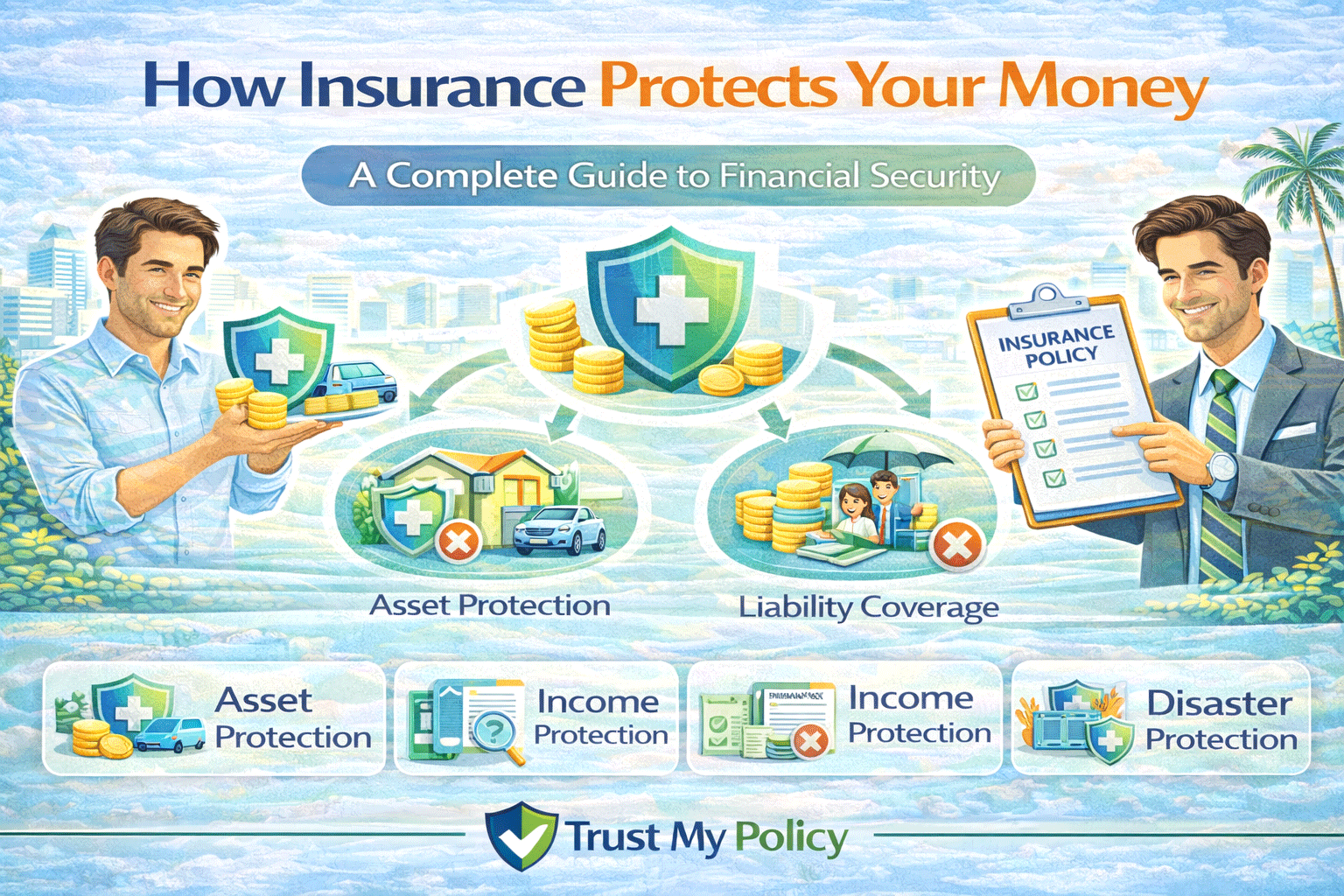
How Insurance Protects Your Money: A Complete Guide to Financial Security
Unexpected events can happen at any time. A medical emergency, car accident, property damage, or sudden loss of income can create serious financial stress. These situations often involve large expenses that many people are not prepared to handle. This is where insurance becomes an important financial tool.
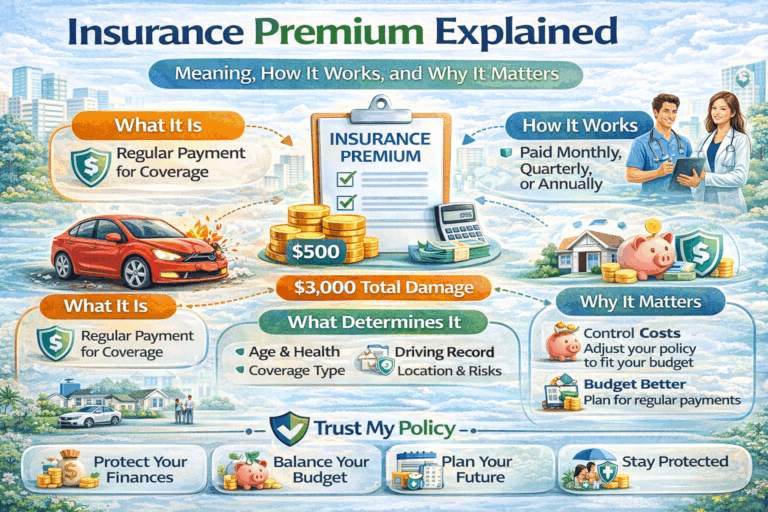
Insurance helps protect your money by reducing the financial impact of unexpected risks. By paying a regular premium, individuals transfer certain financial risks to an insurance provider. If a covered event occurs, the insurer may help pay for losses according to the policy terms.
Understanding how insurance protects your money is essential for anyone who wants to build long-term financial stability. Insurance works as a financial safety net that can prevent sudden events from destroying savings or creating long-term debt.
In this guide, we explain how insurance works, how it protects your money, and why it is an important part of personal financial planning. The article also explores real-life examples, common mistakes, and frequently asked questions to help readers understand the value of insurance in everyday life.
How Insurance Protects Your Money
| Financial Aspect | How Insurance Helps Protect Your Money |
|---|---|
| Medical Costs | Covers or reduces expensive healthcare bills |
| Property Damage | Helps pay for repairs or replacement |
| Accident Expenses | Covers liability and repair costs |
| Income Protection | Some policies provide income replacement |
| Risk Sharing | Financial risk is shared among many policyholders |
| Long-Term Financial Stability | Prevents sudden expenses from draining savings |
Understanding the Core Idea: How Insurance Protects Your Money
Insurance works by transferring financial risk from an individual to an insurance provider.
Instead of facing the full cost of an unexpected event, the policyholder shares the risk with many other people through premiums.
For example:
-
Thousands of people pay insurance premiums.
-
Only some of them experience losses during a given time.
-
The collected premiums are used to pay those claims.
This system allows individuals to avoid extremely large financial expenses that could otherwise affect their savings or financial plans.
Types of Financial Risks Insurance Can Protect Against
Insurance helps protect money from many types of risks. Some of the most common include:
Health Risks
Medical treatment can be expensive in many countries. Health insurance may help cover hospital bills, treatment costs, and medications depending on the policy.
Accident Risks
Car accidents, injuries, and property damage can lead to costly repairs and legal liability.
Property Risks
Natural disasters, fire, theft, or storms can damage homes and personal belongings.
Income Risks
Some insurance policies provide support when someone cannot work due to illness or disability.
Liability Risks
Legal claims can occur if someone is responsible for injury or damage to another person.
How Insurance Protects Your Savings
Savings are important for financial security, but a single unexpected event can quickly reduce or eliminate those savings.
Insurance helps protect savings by covering certain costs that would otherwise need to be paid out of pocket.
For example:
-
Medical bills from hospitalization
-
Repair costs after property damage
-
Legal expenses from liability claims
-
Vehicle repairs after accidents
Without insurance, individuals may need to use emergency savings or borrow money.
How Insurance Supports Long-Term Financial Planning
Insurance is often considered a key part of financial planning.
Financial plans usually include:
-
Budgeting
-
Saving
-
Investing
-
Risk protection
Insurance plays the role of risk protection.
If unexpected events occur, insurance can help ensure that savings and investments remain intact instead of being used to cover sudden expenses.
Detailed Comparison: Financial Impact With Insurance vs Without Insurance
| Financial Situation | With Insurance | Without Insurance |
|---|---|---|
| Medical Emergency | Insurance may cover most treatment costs | Individual pays full medical expenses |
| Car Accident | Repairs and liability may be partially covered | Driver must pay repair and liability costs |
| Property Damage | Insurance may cover repair or replacement | Owner pays all repair costs |
| Loss of Income | Some policies provide income support | No financial replacement available |
| Financial Stability | Savings remain protected | Savings may be quickly depleted |
Pros and Cons of Insurance
Understanding both advantages and limitations helps people make informed financial decisions.
Advantages
-
Protects savings from unexpected expenses
-
Helps manage financial risks
-
Provides peace of mind
-
Supports long-term financial stability
-
Reduces financial stress during emergencies
-
Helps families recover from financial setbacks
Limitations
-
Requires regular premium payments
-
Some policies have exclusions
-
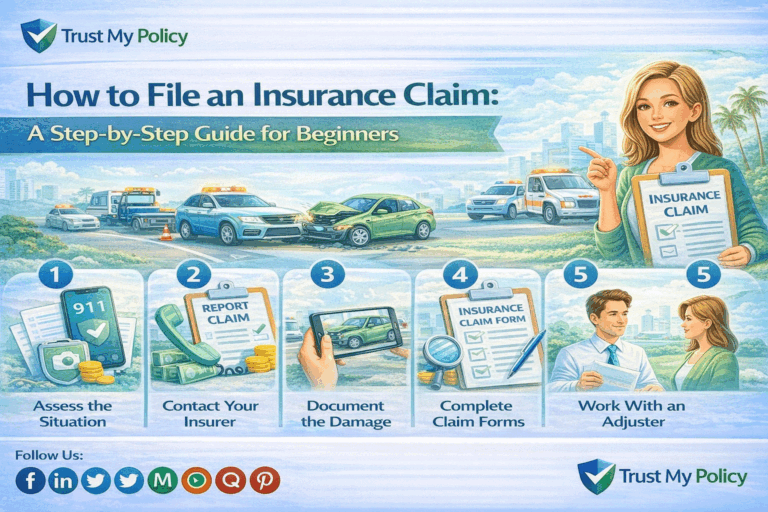
Claims may require documentation
-
Coverage limits may apply
-
Not every type of loss may be covered
Real-Life Examples of How Insurance Protects Your Money
Real situations often show the financial value of insurance.
Example 1: Hospitalization
A person experiences a sudden illness that requires hospital treatment.
Medical costs may include:
-
Doctor consultations
-
Diagnostic tests
-
Surgery
-
Medication
-
Hospital stay
With insurance, much of the cost may be covered according to policy terms.
Without insurance, these costs must be paid directly by the patient.
Example 2: Car Accident
A driver is involved in a road accident that damages multiple vehicles.
Motor insurance may help cover:
-
Vehicle repair
-
Third-party property damage
-
Liability costs
Without insurance, the driver may face large financial expenses.
Example 3: Home Damage
A severe storm damages part of a house.
Property insurance may help pay for:
-
Structural repairs
-
Replacement of damaged items
-
Temporary living costs depending on coverage
Without insurance, homeowners must pay the full repair cost.
Example 4: Legal Liability
Someone may accidentally cause damage or injury to another person.
Liability insurance may help cover legal expenses and compensation costs.
Without coverage, the responsible person may have to pay these costs personally.
Common Mistakes When Understanding Insurance Protection
Many people misunderstand how insurance protects their money. These misunderstandings can lead to poor financial planning.
Believing Insurance Is Unnecessary
Some individuals believe they can rely only on savings. However, large emergencies can exceed savings quickly.
Choosing Coverage Without Understanding It
Insurance policies contain terms such as:
-
Coverage limits
-
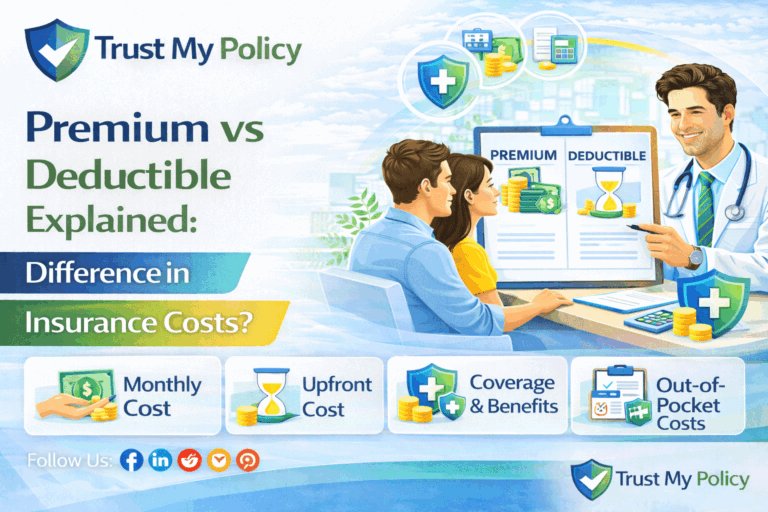
Deductibles
-
Exclusions
Understanding these details is important.
Waiting Too Long to Buy Insurance
Many people delay buying insurance until risks become more immediate.
However, earlier coverage may offer more financial protection.
Assuming All Policies Cover Everything
Insurance policies are designed for specific risks. Not all events may be covered.
Frequently Asked Questions
How does insurance protect your money?
Insurance protects your money by covering certain financial losses that occur due to unexpected events, reducing the amount individuals must pay themselves.
Is insurance better than relying only on savings?
Insurance and savings serve different purposes. Savings help with planned expenses, while insurance protects against large unexpected losses.
What types of insurance help protect personal finances?
Common examples include:
-
Health insurance
-
Life insurance
-
Motor insurance
-
Property insurance
-
Travel insurance
Can insurance prevent financial loss completely?
Insurance may reduce financial losses but cannot eliminate every possible risk. Coverage depends on policy terms.
Why is insurance important for financial security?
Insurance protects savings, reduces financial risk, and helps individuals recover financially after unexpected events.
Does insurance help businesses protect money?
Businesses use insurance to protect assets, employees, and operations from financial losses caused by accidents, lawsuits, or property damage.
What happens if someone does not have insurance?
Without insurance, individuals must handle all financial losses themselves, which can significantly impact savings and financial stability.
Conclusion
Insurance plays an important role in protecting money from unexpected financial risks. By sharing financial risk across many policyholders, insurance systems help individuals avoid the full cost of sudden events such as medical emergencies, accidents, or property damage.
When used as part of a broader financial strategy, insurance helps protect savings, reduce financial stress, and support long-term financial stability.
Understanding how insurance works allows individuals to make informed financial decisions and better prepare for uncertain situations.
While insurance does not eliminate risk completely, it provides a structured way to manage potential financial losses and maintain financial security over time.
Disclaimer
Disclaimer: This article is for educational purposes only. Trust My Policy is an independent informational platform and does not sell insurance products or represent any insurance provider. Readers should consult official policy documents or licensed professionals for personalized advice.