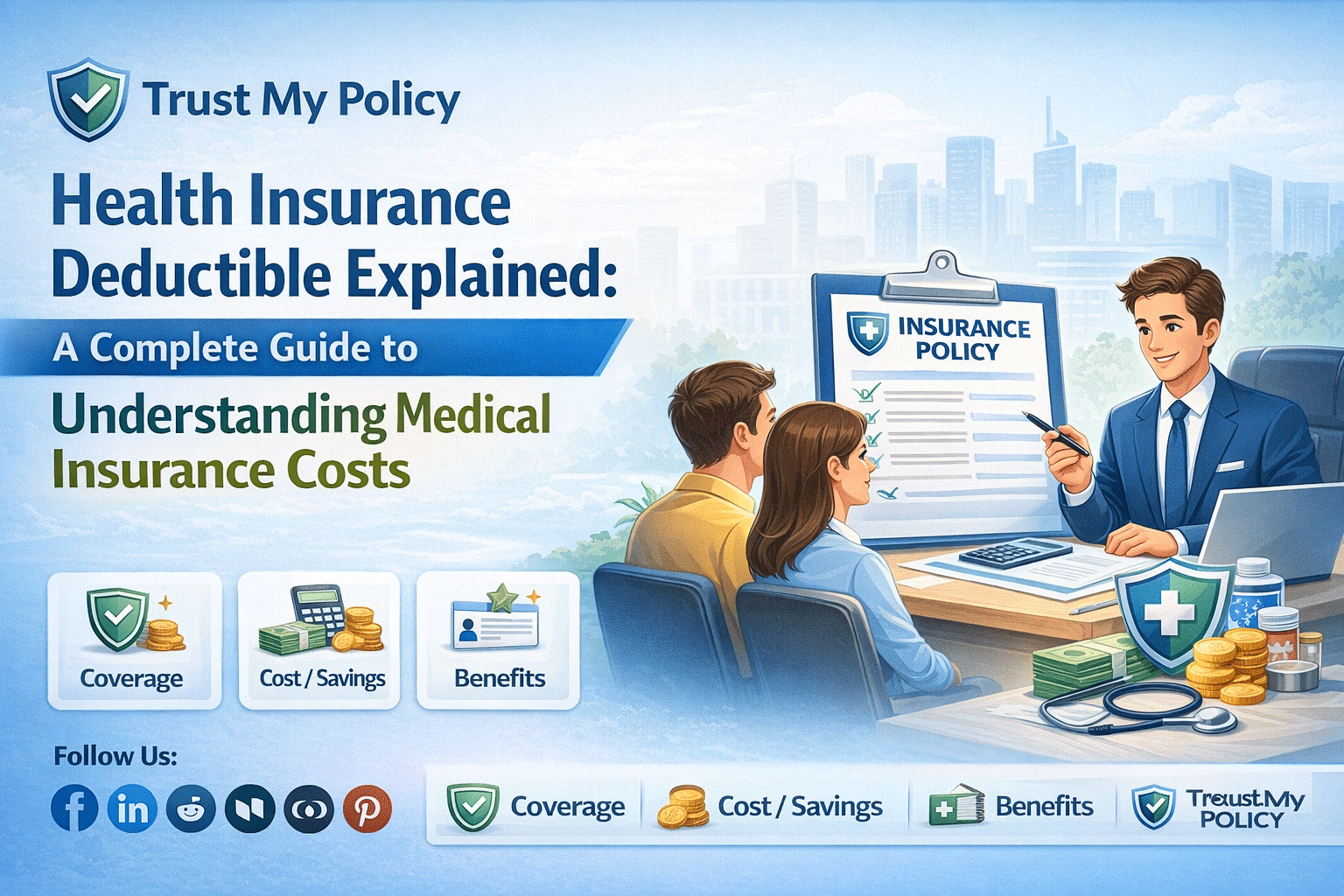
Health Insurance Deductible Explained: A Complete Guide to Understanding Medical Insurance Costs
Health insurance helps individuals manage the cost of medical care, including doctor visits, hospital treatment, medicines, and emergency services. However, understanding how health insurance works can sometimes be confusing, especially when it comes to terms like deductibles, premiums, copayments, and coverage limits. One of the most important concepts in any health insurance policy is the health insurance deductible.
A deductible is the amount of money a policyholder must pay for healthcare services before the insurance company begins covering costs. Many people choose insurance plans without fully understanding how deductibles work, which can lead to unexpected expenses during medical treatment.
Learning how a health insurance deductible works is essential for making informed healthcare decisions. Deductibles influence the cost of insurance premiums, out-of-pocket expenses, and how much financial responsibility a person has when receiving medical care.
This guide provides a clear explanation of health insurance deductibles, including how they work, how they affect healthcare costs, the difference between low and high deductibles, and how individuals can choose the right deductible based on their needs.
Understanding this concept helps people better plan for healthcare expenses and avoid confusion when using their insurance coverage.
Table of Contents
ToggleHealth Insurance Deductible Explained
| Term | Meaning | Why It Matters |
|---|---|---|
| Health Insurance Deductible | Amount you pay before insurance starts paying | Determines out-of-pocket medical costs |
| Low Deductible Plan | Lower upfront medical payment but higher premium | Suitable for frequent healthcare users |
| High Deductible Plan | Higher upfront cost but lower premium | Often chosen by healthy individuals |
| Out-of-Pocket Maximum | Maximum amount you pay in a year | Limits total yearly medical spending |
| Copayment (Copay) | Fixed payment for certain services | Applies even after deductible in some plans |
| Coinsurance | Percentage of costs shared with insurer | Starts after deductible is met |
, benefits, and financial protection options available to policyholders. Many readers compare multiple guides before selecting a plan so they can clearly evaluate premiums, claim procedures, and long‑term advantages. A useful resource to explore is Insurance Underwriting Process, which explains how this insurance policy works, the key benefits it offers, and situations where it may be the most suitable option. By reviewing this guide, you can gain deeper insights into coverage features, eligibility requirements, and practical tips that help individuals and families make smarter insurance decisions.
What Is a Health Insurance Deductible?
A health insurance deductible is the amount a person must pay for healthcare services before their insurance company begins covering costs.
For example:
-
Deductible: $1,000
-
Medical bill: $2,500
The policyholder pays the first $1,000, and the insurance company may cover part of the remaining $1,500, depending on the policy.
Deductibles reset annually in most health insurance plans.
Key points about deductibles:
-
They apply to many medical services
-
They affect the overall cost of health insurance
-
They determine how much the policyholder pays before insurance assistance begins
Understanding deductibles helps individuals manage their healthcare spending more effectively.
Why Health Insurance Deductibles Exist
Insurance companies use deductibles as a cost-sharing mechanism between the insurer and the policyholder.
The main purposes include:
-
Encouraging responsible healthcare spending
-
Reducing unnecessary medical claims
-
Helping maintain balanced insurance pricing
-
Allowing policyholders to choose plans based on their financial preferences
Deductibles create a balance between monthly premiums and out-of-pocket medical costs.
Low Deductible Health Insurance Plans
What Low Deductible Plans Mean
Low deductible plans require policyholders to pay a smaller amount before insurance coverage begins.
Example:
-
Deductible: $300
-
Insurance starts paying after $300 of medical expenses.
Characteristics of Low Deductible Plans
Common features include:
-
Higher monthly insurance premiums
-
Lower out-of-pocket costs for medical care
-
Insurance coverage begins earlier
These plans are often preferred by individuals who expect frequent healthcare needs.
, benefits, and financial protection options available to policyholders. Many readers compare multiple guides before selecting a plan so they can clearly evaluate premiums, claim procedures, and long‑term advantages. A useful resource to explore is Insurance Solvency Explained, which explains how this insurance policy works, the key benefits it offers, and situations where it may be the most suitable option. By reviewing this guide, you can gain deeper insights into coverage features, eligibility requirements, and practical tips that help individuals and families make smarter insurance decisions.
High Deductible Health Insurance Plans
What High Deductible Plans Are
High deductible plans require policyholders to pay a larger amount before insurance coverage begins.
Example:
-
Deductible: $2,500
-
Insurance coverage begins after the first $2,500 in healthcare costs.
Characteristics of High Deductible Plans
Typical features include:
-
Lower monthly premiums
-
Higher out-of-pocket expenses initially
-
Greater financial responsibility for medical care before coverage begins
These plans are often chosen by people who:
-
Rarely visit doctors
-
Want lower monthly insurance costs
-
Prefer to manage healthcare spending independently
Deductible vs Other Health Insurance Costs
Many people confuse deductibles with other healthcare expenses.
Understanding the differences helps clarify how insurance works.
Premium
A premium is the monthly payment required to keep insurance coverage active.
Copayment
A copayment is a fixed amount paid for specific healthcare services.
Example:
-
$20 doctor visit copay
Coinsurance
Coinsurance is a percentage of medical costs shared between the policyholder and insurer.
Example:
-
Insurance covers 80%
-
Policyholder pays 20%
Out-of-Pocket Maximum
The maximum amount a policyholder must pay in a year for covered services.
After reaching this limit, insurance typically covers most additional costs.
Detailed Comparison of Health Insurance Cost Terms
| Cost Type | What It Means | When It Applies |
|---|---|---|
| Premium | Monthly payment for insurance | Paid regardless of medical use |
| Deductible | Amount paid before insurance starts paying | Applies before coverage begins |
| Copayment | Fixed payment for healthcare services | Usually during doctor visits |
| Coinsurance | Percentage of costs shared with insurer | After deductible is met |
| Out-of-Pocket Maximum | Maximum yearly medical expense | Caps total healthcare spending |
, benefits, and financial protection options available to policyholders. Many readers compare multiple guides before selecting a plan so they can clearly evaluate premiums, claim procedures, and long‑term advantages. A useful resource to explore is Insurance Plans for Self Employed People, which explains how this insurance policy works, the key benefits it offers, and situations where it may be the most suitable option. By reviewing this guide, you can gain deeper insights into coverage features, eligibility requirements, and practical tips that help individuals and families make smarter insurance decisions.
How Deductibles Affect Insurance Premiums
Deductibles and premiums are closely connected.
Generally:
-
Higher deductible → Lower premium
-
Lower deductible → Higher premium
Insurance plans with lower deductibles provide earlier coverage, which increases the insurer’s financial risk. As a result, the monthly premium is often higher.
High deductible plans shift more initial healthcare costs to the policyholder, which allows insurers to offer lower monthly premiums.
Choosing between these options depends on healthcare needs and financial preferences.
Individual vs Family Deductibles
Health insurance plans may include individual deductibles and family deductibles.
Individual Deductible
Applies to one person covered under the policy.
Example:
-
Individual deductible: $1,000
Family Deductible
Applies when multiple members are covered under a family insurance plan.
Example:
-
Family deductible: $3,000
Once the combined expenses reach this amount, insurance coverage may begin for all family members.
Pros and Cons of Health Insurance Deductibles
Advantages
Deductibles provide several benefits within insurance systems:
-
Allow flexibility in choosing insurance plans
-
Help balance premium costs and healthcare expenses
-
Encourage careful use of healthcare services
-
Offer options for different financial situations
Limitations
However, deductibles can also create challenges:
-
High deductibles may cause large upfront medical costs
-
Unexpected medical emergencies may lead to significant expenses
-
Some people may delay medical treatment due to cost concerns
Understanding policy terms helps reduce these risks.
, benefits, and financial protection options available to policyholders. Many readers compare multiple guides before selecting a plan so they can clearly evaluate premiums, claim procedures, and long‑term advantages. A useful resource to explore is Affordable Health Insurance for Freelancers, which explains how this insurance policy works, the key benefits it offers, and situations where it may be the most suitable option. By reviewing this guide, you can gain deeper insights into coverage features, eligibility requirements, and practical tips that help individuals and families make smarter insurance decisions.
Real-Life Examples of Health Insurance Deductibles
Example 1: Low Deductible Plan
Sarah has a health plan with:
-
Deductible: $500
-
Medical treatment cost: $1,200
She pays the first $500, and insurance covers part of the remaining $700.
Example 2: High Deductible Plan
David has a plan with:
-
Deductible: $3,000
-
Medical bill: $2,000
He must pay the full $2,000 because the deductible has not yet been met.
Example 3: Deductible and Coinsurance
Maria has:
-
Deductible: $1,000
-
Coinsurance: 20%
After paying the $1,000 deductible, she pays 20% of remaining medical costs while insurance covers the rest.
Common Misunderstandings About Health Insurance Deductibles
Many people misunderstand how deductibles work.
Deductibles Are Not Monthly Payments
A deductible is not the same as a premium. It only applies when healthcare services are used.
Insurance Does Not Always Pay 100% After Deductible
Even after meeting the deductible, policyholders may still pay coinsurance or copayments.
Preventive Services May Not Require Deductibles
Some insurance plans cover preventive care such as:
-
Health screenings
-
Vaccinations
-
Routine checkups
These services may be covered without applying the deductible.
Deductibles Reset Each Year
Most insurance policies restart deductibles at the beginning of a new policy year.
Frequently Asked Questions
What is a health insurance deductible?
A deductible is the amount a policyholder must pay for healthcare services before insurance begins covering costs.
Do all health insurance plans have deductibles?
Many health insurance plans include deductibles, although some preventive services may be covered without requiring them.
Is a higher deductible better?
A higher deductible usually lowers monthly premiums but increases out-of-pocket medical expenses.
What happens after I meet my deductible?
After reaching the deductible, the insurance company may begin covering a portion of medical expenses according to the policy terms.
Do deductibles reset every year?
Yes. Most insurance policies reset deductibles at the start of each policy year.
Does preventive care count toward deductibles?
In some plans, preventive services may be covered without requiring the deductible.
What is the difference between deductible and out-of-pocket maximum?
A deductible is the amount paid before insurance coverage begins, while the out-of-pocket maximum is the total yearly limit a policyholder must pay for covered services.
, benefits, and financial protection options available to policyholders. Many readers compare multiple guides before selecting a plan so they can clearly evaluate premiums, claim procedures, and long‑term advantages. A useful resource to explore is How Car Insurance Premiums Are Calculated, which explains how this insurance policy works, the key benefits it offers, and situations where it may be the most suitable option. By reviewing this guide, you can gain deeper insights into coverage features, eligibility requirements, and practical tips that help individuals and families make smarter insurance decisions.
Conclusion
Understanding health insurance deductibles is essential for managing healthcare costs and selecting the right insurance policy. Deductibles represent the amount a policyholder must pay before insurance coverage begins, and they play a major role in determining how medical expenses are shared between individuals and insurers.
Insurance plans with low deductibles usually have higher monthly premiums but lower upfront healthcare costs. High deductible plans typically have lower premiums but require policyholders to pay more before insurance coverage starts.
By understanding how deductibles work alongside premiums, copayments, coinsurance, and out-of-pocket limits, individuals can better evaluate insurance policies and plan for healthcare expenses.
Choosing the right deductible depends on personal healthcare needs, financial comfort levels, and how frequently medical services are used. A well-informed decision can help balance insurance affordability with adequate healthcare protection.
Disclaimer
Disclaimer: This article is for educational purposes only. Trust My Policy is an independent informational platform and does not sell insurance products or represent any insurance provider. Readers should consult official policy documents or licensed professionals for personalized advice.