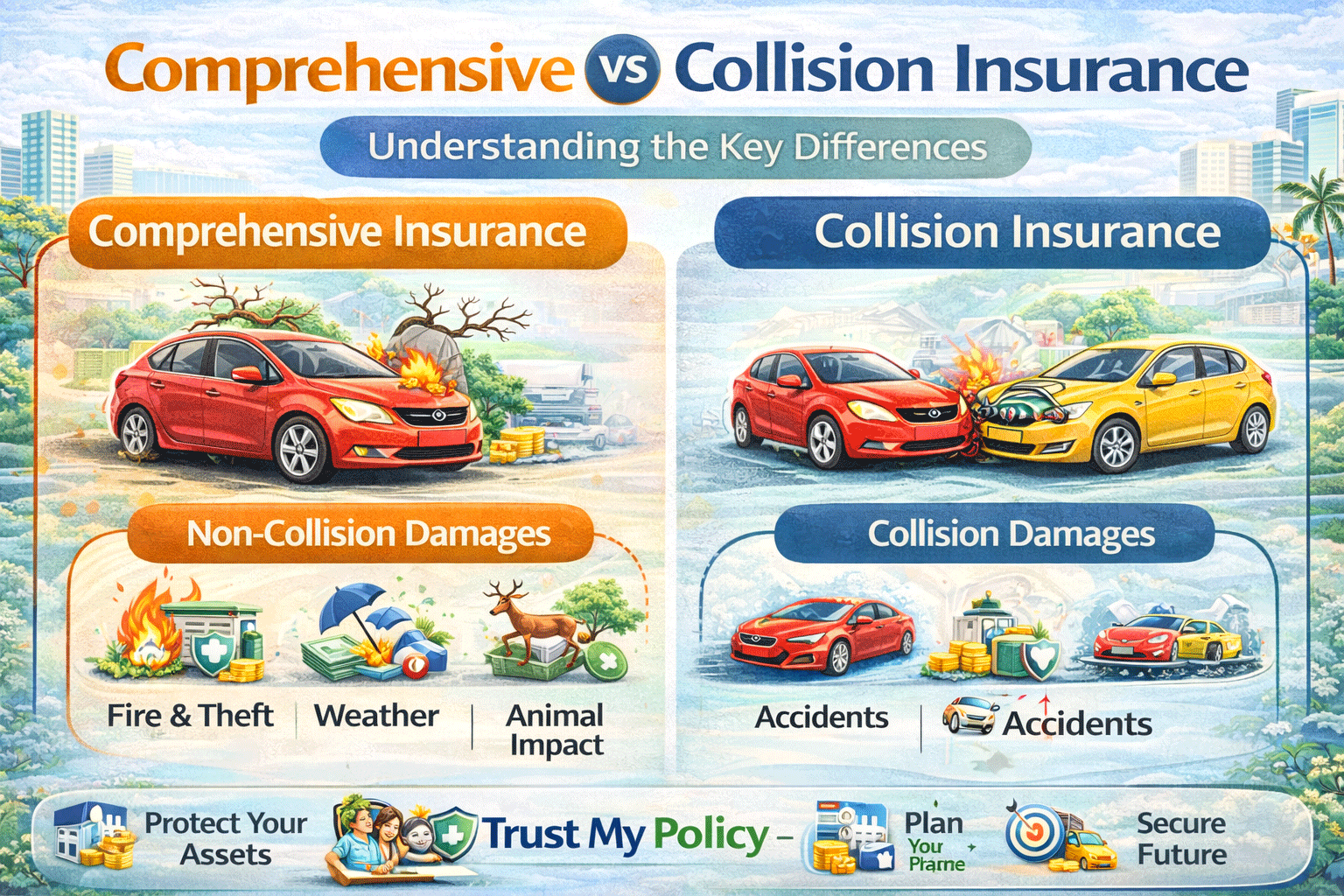
Comprehensive vs Collision Insurance: Understanding the Key Differences
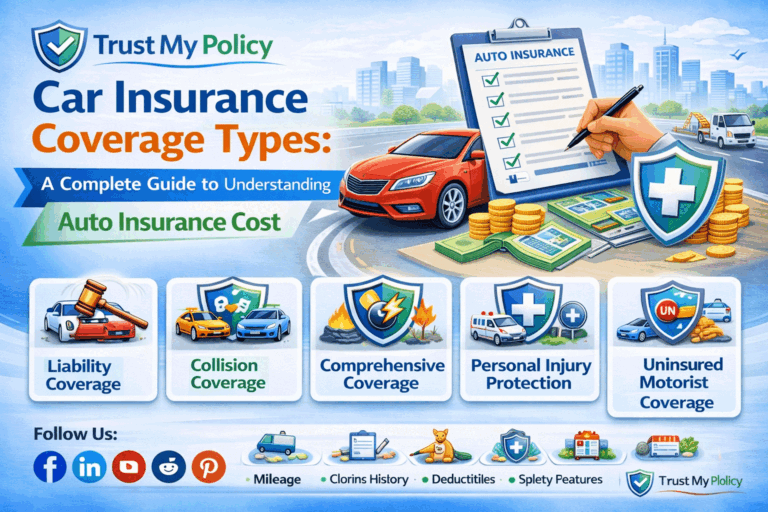
Vehicle insurance helps drivers manage financial risks associated with accidents, theft, natural disasters, and other unexpected events. When exploring car insurance policies, many drivers encounter two important types of coverage: comprehensive insurance and collision insurance. These coverages are often included in broader auto insurance policies, but they serve different purposes.
Understanding the difference between comprehensive vs collision insurance is essential for choosing the right level of financial protection for a vehicle. Both coverages help protect the policyholder’s vehicle, but they apply to different types of damage. Collision insurance generally covers damage caused by accidents involving vehicles or objects, while comprehensive insurance covers non-collision events such as theft, fire, or natural disasters.
Drivers around the world face different road conditions, weather risks, and financial situations. Because of this, choosing the right type of coverage requires a clear understanding of how each option works.
In this guide, we explain the differences between comprehensive and collision insurance, how each type of coverage works, their advantages and limitations, real-life examples, and common mistakes people make when comparing these policies.
Comprehensive vs Collision Insurance
| Feature | Comprehensive Insurance | Collision Insurance |
|---|---|---|
| Type of Damage Covered | Non-collision events | Vehicle collisions |
| Examples of Covered Events | Theft, fire, natural disasters | Accidents with other vehicles or objects |
| Protection for Policyholder’s Vehicle | Yes | Yes |
| Coverage for Animal Collisions | Often included | Usually not included |
| Coverage for Vehicle Theft | Yes | No |
| Typical Use | Protection from external risks | Protection from accident damage |
, benefits, and financial protection options available to policyholders. Many readers compare multiple guides before selecting a plan so they can clearly evaluate premiums, claim procedures, and long‑term advantages. A useful resource to explore is Individual vs Family Health Insurance, which explains how this insurance policy works, the key benefits it offers, and situations where it may be the most suitable option. By reviewing this guide, you can gain deeper insights into coverage features, eligibility requirements, and practical tips that help individuals and families make smarter insurance decisions.
Understanding Comprehensive Insurance
What Is Comprehensive Insurance?
Comprehensive insurance is a type of vehicle coverage that helps pay for damage to the policyholder’s vehicle caused by events other than collisions.
This coverage protects against a wide range of unexpected situations that may damage or destroy a vehicle even when it is not being driven.
Comprehensive insurance is sometimes referred to as “other-than-collision coverage.”
Types of Events Usually Covered by Comprehensive Insurance
Comprehensive insurance may help cover damage caused by:
-
Theft
-
Fire
-
Natural disasters such as storms or floods
-
Falling objects
-
Vandalism
-
Glass damage such as broken windshields
-
Animal-related accidents
The exact coverage depends on the policy terms and conditions.
How Comprehensive Insurance Works
If a vehicle is damaged due to a covered event, the policyholder can file a claim with the insurer.
After reviewing the claim, the insurance provider may pay for repairs or replacement costs according to the policy’s coverage limits and deductible.
Understanding Collision Insurance
What Is Collision Insurance?
Collision insurance is a type of vehicle coverage that helps pay for repairs or replacement of the policyholder’s vehicle when it is damaged in a collision accident.
This coverage applies when the vehicle collides with another vehicle or an object such as a tree, wall, or barrier.
Collision coverage helps protect the vehicle regardless of who caused the accident, depending on policy terms.
Types of Accidents Covered by Collision Insurance
Collision insurance may cover damage caused by:
-
Collisions with other vehicles
-
Collisions with stationary objects such as fences or poles
-
Vehicle rollovers
-
Accidents involving road obstacles
This type of coverage focuses specifically on accident-related vehicle damage.
How Collision Insurance Works
When an accident occurs, the policyholder can file a claim to help cover repair costs.
The insurance provider evaluates the damage and may pay for repairs or replacement based on the policy terms, deductibles, and coverage limits.
, benefits, and financial protection options available to policyholders. Many readers compare multiple guides before selecting a plan so they can clearly evaluate premiums, claim procedures, and long‑term advantages. A useful resource to explore is What Does Home Insurance Cover, which explains how this insurance policy works, the key benefits it offers, and situations where it may be the most suitable option. By reviewing this guide, you can gain deeper insights into coverage features, eligibility requirements, and practical tips that help individuals and families make smarter insurance decisions.
Detailed Comparison: Comprehensive vs Collision Insurance
| Feature | Comprehensive Insurance | Collision Insurance |
|---|---|---|
| Primary Purpose | Covers non-collision risks | Covers accident damage |
| Damage From Accidents | No | Yes |
| Damage From Natural Disasters | Yes | No |
| Theft Coverage | Yes | No |
| Vandalism Coverage | Yes | No |
| Animal Collision Coverage | Often covered | Usually not covered |
| Vehicle Rollover | No | Yes |
| Falling Objects Damage | Yes | No |
| Repair Coverage | Yes | Yes |
Pros and Cons of Comprehensive Insurance
Advantages
-
Covers many non-collision risks
-
Protects against theft and vandalism
-
Covers natural disaster damage
-
Often includes windshield damage protection
-
Provides broader protection from environmental risks
Limitations
-
Does not cover collision accidents
-
Requires premium payments
-
Deductibles may apply
-
Coverage depends on policy limits
Pros and Cons of Collision Insurance
Advantages
-
Covers damage from vehicle accidents
-
Helps repair or replace the policyholder’s vehicle
-
Covers collisions with stationary objects
-
Provides protection regardless of fault in many policies
Limitations
-
Does not cover theft or vandalism
-
Does not cover natural disasters
-
Requires premiums and deductibles
-
May not be necessary for very low-value vehicles
, benefits, and financial protection options available to policyholders. Many readers compare multiple guides before selecting a plan so they can clearly evaluate premiums, claim procedures, and long‑term advantages. A useful resource to explore is How to Compare Car Insurance, which explains how this insurance policy works, the key benefits it offers, and situations where it may be the most suitable option. By reviewing this guide, you can gain deeper insights into coverage features, eligibility requirements, and practical tips that help individuals and families make smarter insurance decisions.
Real-Life Examples
Understanding real-world scenarios can help explain the difference between comprehensive and collision insurance.
Example 1: Car Accident at an Intersection
Two vehicles collide at an intersection, damaging one car.
Collision Insurance
-
May help cover repair costs for the damaged vehicle.
Comprehensive Insurance
-
Does not apply because the damage resulted from a collision.
Example 2: Vehicle Theft
A car is stolen from a parking area overnight.
Comprehensive Insurance
-
May help cover the financial loss if theft is included in the policy.
Collision Insurance
-
Does not cover theft.
Example 3: Storm Damage
A severe storm causes a tree branch to fall onto a parked vehicle.
Comprehensive Insurance
-
May cover repair costs depending on policy terms.
Collision Insurance
-
Does not apply because there was no accident.
Example 4: Hitting a Road Barrier
A driver accidentally hits a roadside barrier.
Collision Insurance
-
May cover vehicle repair costs.
Comprehensive Insurance
-
Does not apply because the damage resulted from a collision.
Common Mistakes When Comparing Comprehensive and Collision Insurance
Many drivers misunderstand how these coverages work.
Thinking Both Cover the Same Risks
Comprehensive and collision insurance cover different types of events. Understanding these differences is essential.
Assuming Comprehensive Insurance Covers Accidents
Despite its name, comprehensive insurance does not cover collision-related accidents.
Ignoring Deductibles
Both types of coverage may include deductibles that the policyholder must pay before the insurer covers the remaining costs.
Choosing Coverage Without Considering Vehicle Value
For vehicles with very low market value, the cost of coverage may exceed potential repair benefits.
, benefits, and financial protection options available to policyholders. Many readers compare multiple guides before selecting a plan so they can clearly evaluate premiums, claim procedures, and long‑term advantages. A useful resource to explore is Health Insurance Deductible , which explains how this insurance policy works, the key benefits it offers, and situations where it may be the most suitable option. By reviewing this guide, you can gain deeper insights into coverage features, eligibility requirements, and practical tips that help individuals and families make smarter insurance decisions.
Frequently Asked Questions
What is the main difference between comprehensive and collision insurance?
Comprehensive insurance covers non-collision events such as theft or natural disasters, while collision insurance covers damage caused by vehicle accidents.
Do drivers need both types of insurance?
Some drivers choose both coverages for broader protection, but the decision depends on vehicle value and personal risk tolerance.
Does comprehensive insurance cover hitting another vehicle?
No. Damage caused by hitting another vehicle is usually covered by collision insurance.
Does collision insurance cover theft?
No. Theft is generally covered under comprehensive insurance.
Can comprehensive insurance cover natural disasters?
Yes. Comprehensive coverage may include damage from events such as storms, floods, or falling objects.
Is collision insurance required by law?
In most regions, collision insurance is optional. Liability insurance is typically the minimum legal requirement.
How do drivers choose between comprehensive and collision coverage?
Drivers often consider factors such as vehicle value, local risks, and personal financial protection needs.
Conclusion
Understanding the difference between comprehensive vs collision insurance helps drivers make informed decisions about protecting their vehicles and managing financial risks.
Comprehensive insurance focuses on protecting vehicles from non-collision events such as theft, vandalism, natural disasters, and falling objects. Collision insurance, on the other hand, helps cover damage resulting from vehicle accidents or collisions with objects.
Both types of coverage play important roles in vehicle protection, but they serve different purposes. Drivers may choose one or both types of coverage depending on their financial goals, the value of their vehicle, and their exposure to different risks.
By understanding how these insurance options work, individuals can better evaluate their coverage needs and build a more effective risk management strategy.
, benefits, and financial protection options available to policyholders. Many readers compare multiple guides before selecting a plan so they can clearly evaluate premiums, claim procedures, and long‑term advantages. A useful resource to explore is Insurance Rider Explained, which explains how this insurance policy works, the key benefits it offers, and situations where it may be the most suitable option. By reviewing this guide, you can gain deeper insights into coverage features, eligibility requirements, and practical tips that help individuals and families make smarter insurance decisions.
Disclaimer
Disclaimer: This article is for educational purposes only. Trust My Policy is an independent informational platform and does not sell insurance products or represent any insurance provider. Readers should consult official policy documents or licensed professionals for personalized advice.