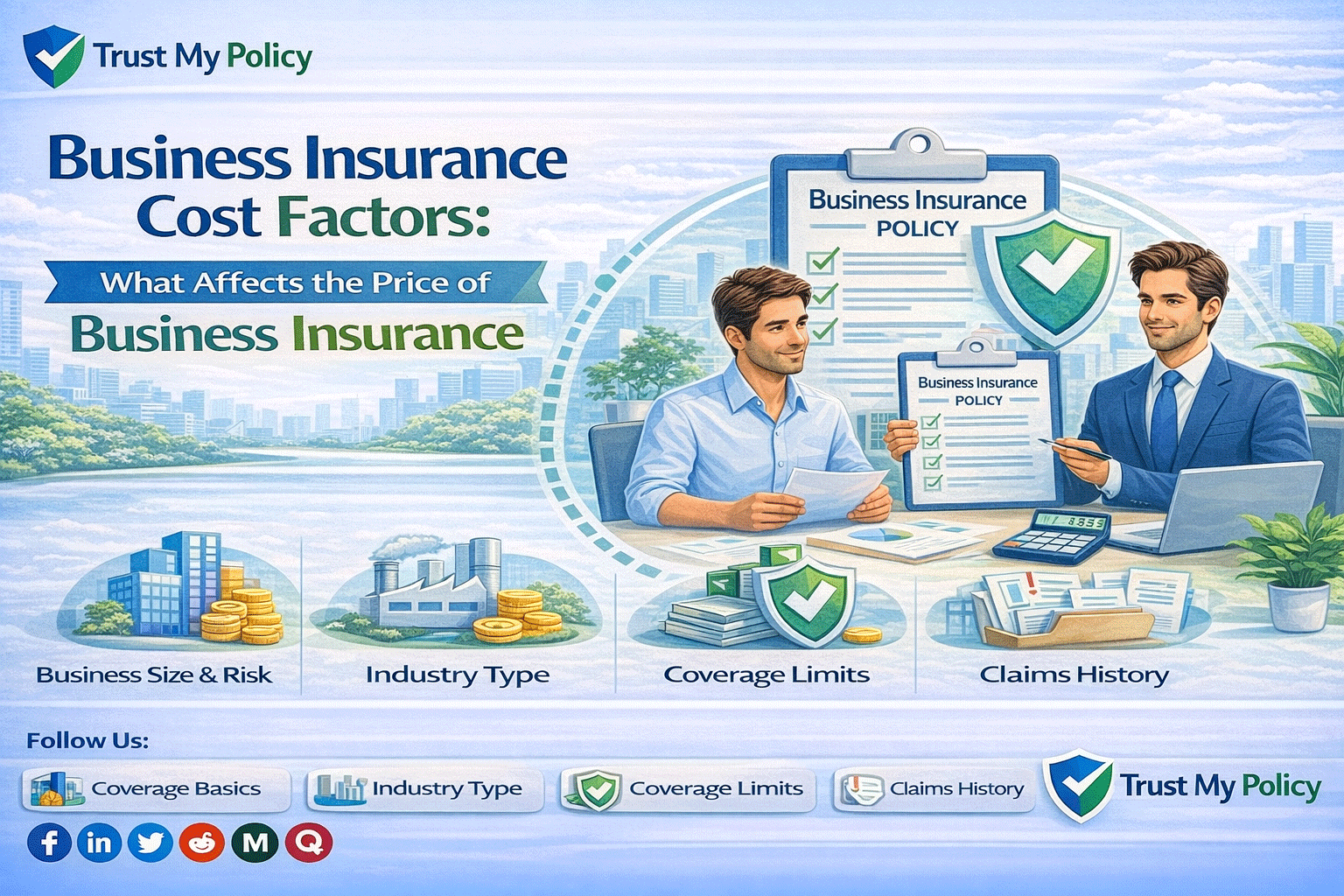
Business Insurance Cost Factors: What Affects the Price of Business Insurance
Business insurance helps companies protect themselves from financial risks such as lawsuits, property damage, employee injuries, and operational disruptions. While many businesses understand the importance of insurance, they often wonder why insurance costs vary so much between companies.
The price of insurance, often called the insurance premium, is not the same for every business. Insurance providers evaluate several risk factors before determining how much a company must pay for coverage. These factors may include the type of business, location, number of employees, industry risks, and the amount of coverage selected.
Understanding business insurance cost factors can help business owners make informed decisions about risk management and financial planning. When companies understand how insurers evaluate risk, they can better estimate potential insurance costs and choose coverage that fits their needs.
This guide explains the major elements that influence the cost of business insurance. It also discusses how different industries face different risks, how coverage choices affect premiums, and common mistakes that can increase insurance expenses.
Table of Contents
ToggleKey Business Insurance Cost Factors
| Cost Factor | What It Means | How It Affects Insurance Cost | Example |
|---|---|---|---|
| Business Industry | Type of work performed | Higher-risk industries pay more | Construction vs consulting |
| Business Size | Revenue, employees, operations | Larger businesses may pay higher premiums | More staff increases risk |
| Location | Geographic risks and regulations | High-risk areas increase costs | Flood-prone areas |
| Coverage Limits | Maximum payout amount | Higher limits increase premiums | Higher liability coverage |
| Claims History | Past insurance claims | Frequent claims increase costs | Previous lawsuits |
| Safety Measures | Risk prevention practices | Good safety practices may lower premiums | Security systems |
, benefits, and financial protection options available to policyholders. Many readers compare multiple guides before selecting a plan so they can clearly evaluate premiums, claim procedures, and long‑term advantages. A useful resource to explore is Why Home Insurance Premiums Increase, which explains how this insurance policy works, the key benefits it offers, and situations where it may be the most suitable option. By reviewing this guide, you can gain deeper insights into coverage features, eligibility requirements, and practical tips that help individuals and families make smarter insurance decisions.
What Are Business Insurance Cost Factors?
Business insurance cost factors are the elements that insurance providers evaluate when calculating the price of a business insurance policy.
Insurance works by assessing risk. Companies that appear more likely to experience losses typically pay higher premiums. Businesses with lower risk may pay less.
Insurance companies analyze several aspects of a business to estimate potential risks, including:
-
Operational risks
-
Industry hazards
-
Financial size
-
Legal exposure
-
Safety practices
These factors help determine how much protection a business requires and how likely it is to file an insurance claim.
Why Understanding Insurance Cost Factors Matters
Knowing what affects insurance costs can help businesses manage their risk and financial planning more effectively.
Helps Businesses Budget for Insurance
Insurance is a regular operating expense. Understanding cost factors helps companies estimate potential premiums.
Supports Risk Reduction
When businesses know which risks increase insurance costs, they can take steps to reduce those risks.
Helps Choose Appropriate Coverage
Businesses can select coverage limits and policies that align with their operations.
Improves Long-Term Financial Stability
Managing insurance costs effectively helps businesses maintain sustainable operations.
Major Business Insurance Cost Factors Explained
Insurance companies consider several key factors when determining premiums.
Industry and Business Type
One of the most important cost factors is the industry in which a business operates.
Different industries face different levels of risk.
For example:
-
Construction businesses face higher accident risks.
-
Restaurants may have fire or injury risks.
-
Consulting firms generally face lower physical risks.
Higher-risk industries usually pay higher insurance premiums because claims are more likely.
Business Size and Revenue
The size of a business often affects insurance costs.
Businesses with higher revenue or larger operations may face greater exposure to risk.
Factors insurers may review include:
-
Annual revenue
-
Number of employees
-
Operational scale
-
Number of customers
Larger businesses often require higher coverage limits, which can increase insurance premiums.
Business Location
Location is another important cost factor.
Insurance providers consider environmental and regional risks such as:
-
Natural disasters
-
Crime rates
-
Weather conditions
-
Local regulations
For example:
-
Businesses in hurricane-prone regions may pay higher property insurance premiums.
-
Companies in high-crime areas may face higher theft-related coverage costs.
Number of Employees
Businesses with employees face additional risks related to workplace injuries and liability.
Insurance companies may evaluate:
-
Number of workers
-
Employee roles
-
Workplace hazards
More employees generally increase exposure to potential claims.
Workers’ compensation insurance costs are particularly influenced by employee risk levels.
Coverage Types and Coverage Limits
The type of insurance coverage chosen affects overall costs.
Businesses often combine several policies such as:
-
General liability insurance
-
Professional liability insurance
-
Property insurance
-
Workers’ compensation insurance
-
Cyber liability insurance
Coverage limits also influence cost. Higher coverage limits typically increase premiums because insurers may have to pay larger claims.
Claims History
A business’s previous insurance claims can significantly affect insurance costs.
Companies that frequently file claims may appear riskier to insurers.
Examples include:
-
Workplace injury claims
-
Property damage claims
-
Legal disputes
Businesses with fewer claims may receive more favorable premium rates.
, benefits, and financial protection options available to policyholders. Many readers compare multiple guides before selecting a plan so they can clearly evaluate premiums, claim procedures, and long‑term advantages. A useful resource to explore is How Much Life Insurance Do I Need, which explains how this insurance policy works, the key benefits it offers, and situations where it may be the most suitable option. By reviewing this guide, you can gain deeper insights into coverage features, eligibility requirements, and practical tips that help individuals and families make smarter insurance decisions.
Risk Management and Safety Measures
Insurance providers also review the safety practices used by a business.
Examples of safety measures include:
-
Employee training programs
-
Workplace safety equipment
-
Security systems
-
Fire prevention systems
Businesses that demonstrate strong safety practices may sometimes receive lower premiums.
Business Assets and Property Value
Businesses with valuable assets often require higher insurance coverage.
Examples include:
-
Buildings
-
Equipment
-
Inventory
-
Technology systems
Higher asset values increase the potential cost of claims, which may increase insurance premiums.
Detailed Comparison of Business Insurance Cost Factors
| Cost Factor | Risk Level Influence | Example | Impact on Premium |
|---|---|---|---|
| Industry Risk | High or low industry hazard | Construction vs consulting | High-risk industries cost more |
| Business Size | Scale of operations | Large company with many employees | Larger businesses pay more |
| Location Risk | Environmental and crime risks | Coastal city vs inland location | Disaster-prone areas cost more |
| Claims History | Past insurance claims | Multiple injury claims | Frequent claims increase premiums |
| Coverage Limits | Maximum coverage amount | Higher liability limits | Higher limits increase cost |
| Safety Programs | Risk reduction practices | Safety training | May reduce premiums |
How Insurance Companies Calculate Business Insurance Costs
Insurance companies typically follow a risk evaluation process.
Risk Assessment
The insurer evaluates the company’s industry, operations, and exposure to risk.
Data Analysis
Historical data helps insurers estimate the likelihood of claims.
Coverage Evaluation
Coverage limits and policy types are considered when calculating potential payouts.
Premium Calculation
The insurer calculates the premium based on risk level and policy details.
, benefits, and financial protection options available to policyholders. Many readers compare multiple guides before selecting a plan so they can clearly evaluate premiums, claim procedures, and long‑term advantages. A useful resource to explore is Best Health Insurance for Self-Employed, which explains how this insurance policy works, the key benefits it offers, and situations where it may be the most suitable option. By reviewing this guide, you can gain deeper insights into coverage features, eligibility requirements, and practical tips that help individuals and families make smarter insurance decisions.
Pros and Cons of Understanding Business Insurance Cost Factors
Advantages
-
Helps businesses estimate insurance expenses
-
Supports better risk management decisions
-
Encourages safer business practices
-
Improves long-term financial planning
-
Helps businesses choose appropriate coverage
Disadvantages
-
Insurance pricing models can be complex
-
Premiums may change over time
-
Risk factors may vary by region
-
Some cost factors are difficult to control
Real-Life Examples of Business Insurance Cost Factors
Example 1: High-Risk Industry
A construction company operates heavy equipment and works at elevated heights.
Because the risk of workplace accidents is higher, insurance premiums may be higher than those for a consulting business.
Example 2: Large Workforce
A manufacturing company employs hundreds of workers.
The higher number of employees increases the likelihood of workplace injury claims, which may increase insurance costs.
Example 3: Disaster-Prone Location
A retail store located in a region with frequent flooding may face higher property insurance premiums.
Example 4: Strong Safety Programs
A logistics company implements extensive safety training and accident prevention programs.
These efforts may reduce the company’s insurance risk profile.
Example 5: Claims History
A business that has previously faced several lawsuits may experience higher premiums due to increased perceived risk.
Common Mistakes Businesses Make About Insurance Costs
Understanding insurance cost factors also means avoiding common misconceptions.
Assuming All Businesses Pay the Same Price
Insurance costs vary widely based on risk factors.
Choosing Coverage Based Only on Price
Lower premiums may come with limited coverage or higher deductibles.
Ignoring Risk Management
Improving safety practices can sometimes help reduce insurance costs.
Not Reviewing Policies Regularly
Business operations change over time, which may affect insurance needs.
Underestimating Coverage Needs
Insufficient coverage limits can leave businesses financially vulnerable.
, benefits, and financial protection options available to policyholders. Many readers compare multiple guides before selecting a plan so they can clearly evaluate premiums, claim procedures, and long‑term advantages. A useful resource to explore is Private vs Public Health Insurance, which explains how this insurance policy works, the key benefits it offers, and situations where it may be the most suitable option. By reviewing this guide, you can gain deeper insights into coverage features, eligibility requirements, and practical tips that help individuals and families make smarter insurance decisions.
Frequently Asked Questions (FAQs)
What factors affect business insurance costs?
Common factors include industry risk, business size, location, claims history, coverage limits, and safety practices.
Why do insurance costs vary between industries?
Different industries face different risks. High-risk industries such as construction typically have higher insurance premiums.
Can small businesses reduce insurance costs?
Businesses may manage costs by improving safety practices, maintaining a good claims history, and selecting appropriate coverage levels.
Does business size affect insurance premiums?
Yes. Larger businesses often require more coverage and may face higher risks.
Why does location affect insurance costs?
Environmental risks such as natural disasters, crime rates, and local regulations can influence insurance premiums.
How often should businesses review their insurance policies?
Businesses may review insurance policies annually or whenever significant operational changes occur.
Are insurance premiums the same every year?
Premiums may change depending on risk factors, claims history, and adjustments in coverage.
Conclusion
Business insurance cost factors play a major role in determining how much companies pay for insurance coverage. Insurers evaluate many elements, including industry risk, business size, location, employee count, coverage limits, claims history, and safety practices.
Understanding these factors helps business owners make more informed decisions about risk management and financial planning. While some cost factors are difficult to control, others—such as safety practices and risk management—can sometimes be improved.
By learning how business insurance cost factors work, businesses can better estimate potential insurance expenses, choose appropriate coverage levels, and build stronger protection against financial risks.
Insurance remains an important part of protecting businesses from unexpected events, and understanding cost drivers helps companies manage their insurance strategy more effectively.
, benefits, and financial protection options available to policyholders. Many readers compare multiple guides before selecting a plan so they can clearly evaluate premiums, claim procedures, and long‑term advantages. A useful resource to explore is Renters vs Homeowners Insurance, which explains how this insurance policy works, the key benefits it offers, and situations where it may be the most suitable option. By reviewing this guide, you can gain deeper insights into coverage features, eligibility requirements, and practical tips that help individuals and families make smarter insurance decisions.
Disclaimer:
This article is for educational purposes only. Trust My Policy is an independent informational platform and does not sell insurance products or represent any insurance provider. Readers should consult official policy documents or licensed professionals for personalized advice.