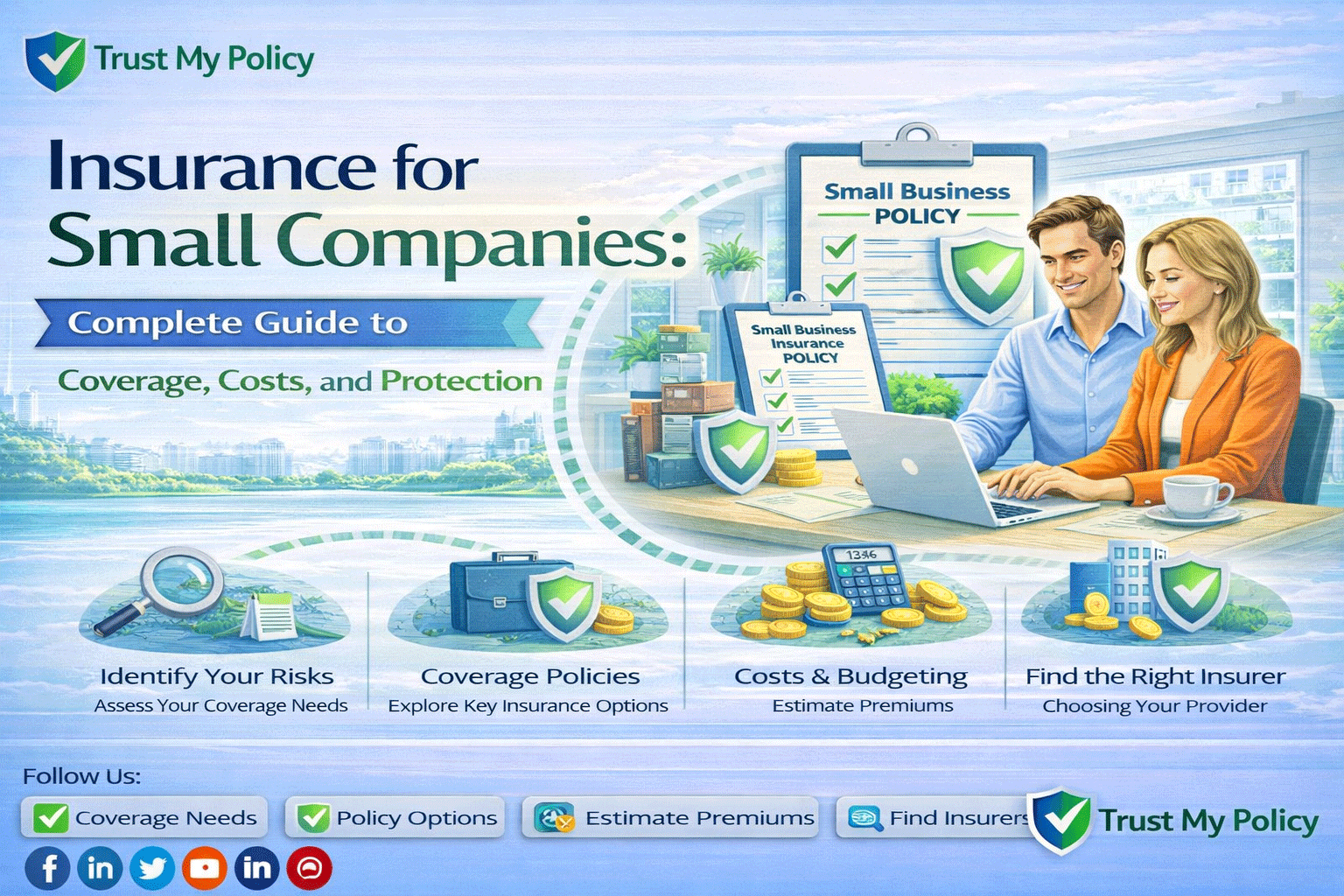
Insurance for Small Companies: Complete Guide to Coverage, Costs, and Risk Protection
Small companies are the backbone of many economies around the world. They include startups, family businesses, local service providers, online businesses, retail stores, and small manufacturing units. These businesses often operate with limited financial resources while handling multiple responsibilities such as managing employees, serving customers, maintaining inventory, and protecting business assets.
Because small companies usually operate with tighter budgets and fewer resources, unexpected problems can have a significant impact. Situations such as customer injuries, property damage, cyberattacks, employee accidents, or lawsuits can lead to financial losses that small businesses may struggle to absorb.
This is where insurance for small companies becomes important. Business insurance helps small companies manage financial risks by providing coverage for certain unexpected events. Instead of facing the full financial burden of accidents, claims, or disruptions, insurance policies can help cover some of the associated costs.
Different types of insurance protect different parts of a business. Some policies cover legal liability, while others protect business property, employees, or digital data.
This guide explains the main types of insurance for small companies, how they work, common coverage options, practical examples, and common mistakes that business owners should understand.
Table of Contents
ToggleInsurance for Small Companies
| Insurance Type | What It Covers | Best For | Risk Level |
|---|---|---|---|
| General Liability Insurance | Third-party injury and property damage | Most small companies | High |
| Business Property Insurance | Office space, equipment, inventory | Physical businesses | High |
| Professional Liability Insurance | Service errors or negligence | Service businesses | Medium |
| Workers’ Compensation Insurance | Employee injuries | Companies with staff | High |
| Cyber Liability Insurance | Data breaches and cyber risks | Online businesses | Growing |
| Business Interruption Insurance | Lost income from disruptions | Businesses with physical operations | Medium |
, benefits, and financial protection options available to policyholders. Many readers compare multiple guides before selecting a plan so they can clearly evaluate premiums, claim procedures, and long‑term advantages. A useful resource to explore is Term Life Insurance Explained, which explains how this insurance policy works, the key benefits it offers, and situations where it may be the most suitable option. By reviewing this guide, you can gain deeper insights into coverage features, eligibility requirements, and practical tips that help individuals and families make smarter insurance decisions.
What Is Insurance for Small Companies?
Insurance for small companies refers to a group of insurance policies designed to protect small businesses from financial risks related to operations, customers, employees, and property.
Running a small business involves several types of risk, including:
-
Customer injuries
-
Property damage
-
Employee accidents
-
Cybersecurity threats
-
Product issues
-
Legal claims
-
Business interruptions
Insurance policies help transfer some of these risks from the business owner to the insurance provider.
Small companies often combine multiple insurance policies to create a broader protection strategy.
For example:
-
A retail store may need property and liability insurance.
-
A consulting company may need professional liability insurance.
-
An online business may focus on cyber insurance.
The right coverage depends on the type of business and the risks involved.
Why Insurance Is Important for Small Companies
Small businesses often face financial limitations compared with large corporations. Even a single lawsuit or accident can create serious financial pressure.
Understanding business insurance helps small companies manage these risks.
Financial Protection
Insurance may help cover legal costs, repairs, or compensation related to unexpected incidents.
Business Stability
Insurance helps businesses recover from disruptions and continue operating.
Client and Partner Requirements
Some clients require businesses to have insurance before signing contracts.
Employee Protection
Workers’ compensation insurance supports employees who are injured at work.
Asset Protection
Insurance helps protect company property, equipment, and inventory.
, benefits, and financial protection options available to policyholders. Many readers compare multiple guides before selecting a plan so they can clearly evaluate premiums, claim procedures, and long‑term advantages. A useful resource to explore is Short Term Health Insurance Explained, which explains how this insurance policy works, the key benefits it offers, and situations where it may be the most suitable option. By reviewing this guide, you can gain deeper insights into coverage features, eligibility requirements, and practical tips that help individuals and families make smarter insurance decisions.
Types of Insurance for Small Companies
General Liability Insurance
General liability insurance is one of the most common forms of insurance for small companies.
It protects businesses from claims related to third-party injuries or property damage.
Examples of covered situations may include:
-
A customer slipping inside a store
-
Accidental damage to a client’s property
-
Legal claims related to advertising or marketing
General liability insurance may help cover:
-
Legal defense costs
-
Medical expenses
-
Settlement payments
Many small companies consider this coverage a basic protection policy.
Business Property Insurance
Business property insurance protects physical assets used by the company.
Covered assets may include:
-
Office buildings
-
Furniture
-
Computers
-
Inventory
-
Machinery
-
Tools
If property is damaged by events such as fire, theft, vandalism, or certain natural disasters, insurance may help cover repair or replacement costs.
Businesses with offices, warehouses, or retail locations often consider property insurance essential.
Professional Liability Insurance
Professional liability insurance protects service-based businesses from claims related to professional mistakes or negligence.
This coverage is common for:
-
Consultants
-
Marketing agencies
-
Financial advisors
-
IT service providers
-
Designers
-
Legal professionals
For example, if a consultant gives advice that leads to financial losses for a client, the client may file a claim.
Professional liability insurance may help cover legal defense costs and settlements.
Workers’ Compensation Insurance
Workers’ compensation insurance protects employees who are injured while working.
Coverage may include:
-
Medical treatment
-
Rehabilitation expenses
-
Lost wages
-
Disability benefits
In many countries, workers’ compensation insurance is required when businesses have employees.
It helps protect both workers and business owners.
Cyber Liability Insurance
Cyber threats are becoming more common as businesses rely more on digital systems.
Cyber liability insurance helps protect small companies from financial losses caused by cyber incidents.
Covered events may include:
-
Data breaches
-
Ransomware attacks
-
System hacking
-
Loss of customer information
Coverage may help pay for:
-
Data recovery
-
Legal expenses
-
Customer notification costs
-
Security investigations
Cyber insurance is especially important for businesses that handle sensitive data.
Business Interruption Insurance
Business interruption insurance covers income losses when a business temporarily stops operating due to unexpected events.
Examples may include:
-
Fire damage
-
Flooding
-
Natural disasters
-
Major equipment failure
Coverage may help pay for:
-
Lost income
-
Temporary relocation expenses
-
Ongoing operational costs during downtime
This type of insurance helps businesses survive unexpected disruptions.
, benefits, and financial protection options available to policyholders. Many readers compare multiple guides before selecting a plan so they can clearly evaluate premiums, claim procedures, and long‑term advantages. A useful resource to explore is How Insurance Companies Make Money, which explains how this insurance policy works, the key benefits it offers, and situations where it may be the most suitable option. By reviewing this guide, you can gain deeper insights into coverage features, eligibility requirements, and practical tips that help individuals and families make smarter insurance decisions.
Detailed Comparison of Small Business Insurance Types
| Feature | General Liability | Property Insurance | Professional Liability | Workers’ Compensation | Cyber Insurance | Business Interruption |
|---|---|---|---|---|---|---|
| Main Risk Covered | Injury or property damage | Asset damage | Service errors | Employee injuries | Data breaches | Lost income |
| Typical Businesses | Retail, services | Offices, stores | Consultants | Employers | Online businesses | Physical businesses |
| Covers Lawsuits | Yes | No | Yes | Limited | Yes | Sometimes |
| Covers Employees | No | No | No | Yes | No | No |
| Covers Property | No | Yes | No | No | No | Indirectly |
| Covers Digital Data | No | No | No | No | Yes | No |
Pros and Cons of Insurance for Small Companies
Advantages
-
Helps protect businesses from financial losses
-
Supports recovery after accidents or disruptions
-
Protects business property and equipment
-
Provides support for employee injuries
-
Builds trust with clients and partners
Limitations
-
Insurance premiums create ongoing costs
-
Coverage may include exclusions
-
Claims processes may require documentation
-
Policies have coverage limits
-
Not every type of risk may be covered
Understanding these advantages and limitations helps businesses make informed decisions.
Real-Life Examples
Example 1: Customer Injury in a Retail Store
A customer slips on a wet floor inside a shop and suffers an injury.
General liability insurance may help cover medical expenses and legal claims.
Example 2: Office Fire Damage
A small company’s office is damaged by a fire that destroys computers and furniture.
Property insurance may help cover replacement costs.
Example 3: Professional Advice Error
A marketing consultant provides a strategy that results in financial losses for a client.
Professional liability insurance may help cover legal defense costs.
Example 4: Employee Workplace Injury
An employee in a warehouse suffers an injury while lifting heavy items.
Workers’ compensation insurance may help cover medical expenses and lost wages.
Example 5: Cyberattack on an Online Business
Hackers gain access to a small company’s customer database.
Cyber liability insurance may help cover investigation costs and data recovery.
, benefits, and financial protection options available to policyholders. Many readers compare multiple guides before selecting a plan so they can clearly evaluate premiums, claim procedures, and long‑term advantages. A useful resource to explore is How Much Life Insurance Do I Need, which explains how this insurance policy works, the key benefits it offers, and situations where it may be the most suitable option. By reviewing this guide, you can gain deeper insights into coverage features, eligibility requirements, and practical tips that help individuals and families make smarter insurance decisions.
Common Mistakes Small Businesses Make About Insurance
Assuming Small Businesses Do Not Need Insurance
Even small companies face risks such as customer injuries or lawsuits.
Insurance helps protect against these situations.
Relying Only on Personal Insurance
Personal insurance policies usually do not cover business activities.
Separate business coverage is often required.
Ignoring Cybersecurity Risks
Many small businesses believe cyberattacks only affect large companies.
However, smaller companies are often targeted due to weaker security systems.
Choosing Low Coverage Limits
Low coverage limits may not provide enough protection for large claims.
Business owners often review limits based on risk levels.
Not Reviewing Insurance Regularly
As companies grow, their risks and coverage needs may change.
Periodic reviews help ensure insurance remains appropriate.
Frequently Asked Questions (FAQs)
What insurance do small companies need?
Many small companies consider general liability insurance, property insurance, workers’ compensation insurance, professional liability insurance, and cyber liability insurance.
Is business insurance required for small companies?
Requirements vary by country and industry. Some types, such as workers’ compensation insurance, may be legally required when businesses have employees.
How much does insurance for small companies cost?
Costs depend on factors such as business size, industry risk level, number of employees, and coverage limits.
Can small businesses combine different insurance policies?
Yes. Many businesses combine multiple policies to cover different types of risks.
Does small business insurance cover cyberattacks?
Cyber liability insurance policies may cover financial losses related to certain cyber incidents.
Is insurance necessary for online businesses?
Online businesses may still face risks such as cyberattacks, professional errors, or legal disputes.
When should a small company purchase insurance?
Many businesses consider insurance early in their operations to reduce financial risk.
Conclusion
Small companies play a critical role in global economies, but they also face operational risks that can threaten financial stability. Accidents, lawsuits, cyber incidents, property damage, and business disruptions can create serious challenges for small business owners.
Insurance for small companies helps manage these risks by providing financial protection against unexpected events. Different types of insurance address different aspects of business operations.
Common coverage options include general liability insurance, property insurance, professional liability insurance, workers’ compensation insurance, cyber liability insurance, and business interruption insurance.
Selecting the appropriate combination of policies depends on the business type, industry risks, number of employees, and operational structure.
While insurance cannot prevent problems from occurring, it can help small companies manage financial exposure and maintain long-term stability.
, benefits, and financial protection options available to policyholders. Many readers compare multiple guides before selecting a plan so they can clearly evaluate premiums, claim procedures, and long‑term advantages. A useful resource to explore is What Is Insurance Underwriting, which explains how this insurance policy works, the key benefits it offers, and situations where it may be the most suitable option. By reviewing this guide, you can gain deeper insights into coverage features, eligibility requirements, and practical tips that help individuals and families make smarter insurance decisions.
Disclaimer:
Disclaimer: This article is for educational purposes only. Trust My Policy is an independent informational platform and does not sell insurance products or represent any insurance provider. Readers should consult official policy documents or licensed professionals for personalized advice.