Individual Health Insurance Coverage: A Complete Guide to Understanding Personal Medical Insurance
Healthcare costs are rising in many parts of the world, making medical insurance an important part of financial planning. While some people receive health coverage through employers or government programs, many individuals must purchase their own insurance. This is where individual health insurance coverage becomes important.
Individual health insurance is a policy designed to provide medical coverage for a single person. It helps pay for healthcare services such as doctor visits, hospital treatment, prescription medicines, diagnostic tests, and preventive care. Instead of paying the full cost of medical treatment, policyholders share expenses with the insurance provider.
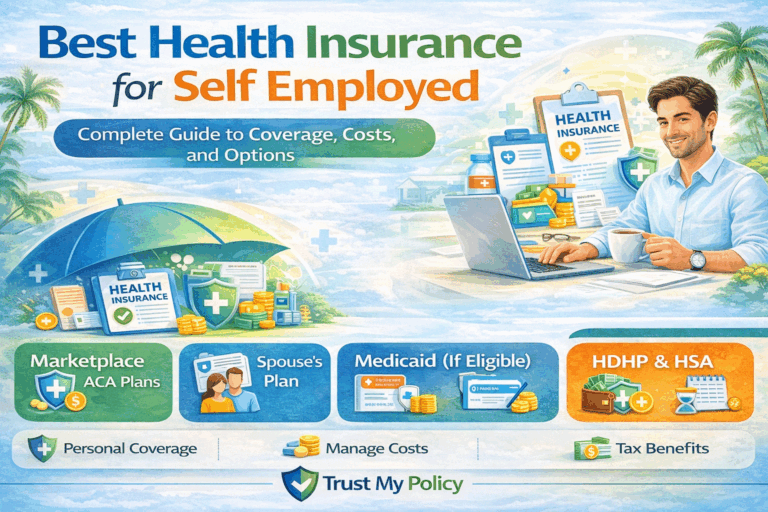
Understanding individual health insurance coverage is essential for people who are self-employed, freelancers, students, early retirees, or anyone who does not receive employer-sponsored health insurance. Choosing the right plan requires understanding key concepts like premiums, deductibles, copayments, coverage limits, and provider networks.
Because health insurance policies vary widely across countries and providers, learning the fundamentals helps individuals compare plans more effectively and avoid unexpected costs. This guide explains how individual health insurance works, the types of coverage available, factors that affect costs, and common mistakes to avoid when selecting a personal health insurance policy.
, benefits, and financial protection options available to policyholders. Many readers compare multiple guides before selecting a plan so they can clearly evaluate premiums, claim procedures, and long‑term advantages. A useful resource to explore is Copay vs Coinsurance, which explains how this insurance policy works, the key benefits it offers, and situations where it may be the most suitable option. By reviewing this guide, you can gain deeper insights into coverage features, eligibility requirements, and practical tips that help individuals and families make smarter insurance decisions.
Individual Health Insurance Coverage
| Coverage Feature | What It Means | Why It Matters |
|---|---|---|
| Individual Policy | Health insurance for one person | Suitable for independent coverage |
| Premium | Monthly payment to maintain coverage | Required to keep policy active |
| Deductible | Amount paid before insurance begins covering costs | Determines out-of-pocket spending |
| Copayment | Fixed fee for certain medical services | Helps share healthcare costs |
| Coinsurance | Percentage of cost shared with insurer | Applies after deductible |
| Out-of-Pocket Maximum | Maximum yearly healthcare expense | Limits financial risk |
What Is Individual Health Insurance Coverage?
Individual health insurance coverage refers to a medical insurance policy purchased by a single person rather than through an employer or family plan.
The policyholder pays a premium to maintain the policy, and the insurance provider helps cover eligible healthcare expenses based on the terms of the policy.
Common services covered by individual health insurance include:
-
Doctor consultations
-
Hospitalization
-
Emergency medical care
-
Diagnostic tests
-
Prescription medications
-
Preventive health services
Coverage details vary depending on the plan and region, but the main goal of individual health insurance is to reduce the financial burden of medical care.
Who Needs Individual Health Insurance?
Individual health insurance may be useful for people who do not have access to group insurance coverage.
Common examples include:
-
Freelancers and self-employed professionals
-
Students and young adults
-
Early retirees
-
Part-time workers
-
Individuals between jobs
These individuals may need to purchase their own health insurance to maintain healthcare protection.
, benefits, and financial protection options available to policyholders. Many readers compare multiple guides before selecting a plan so they can clearly evaluate premiums, claim procedures, and long‑term advantages. A useful resource to explore is Life Insurance Beneficiary Rules, which explains how this insurance policy works, the key benefits it offers, and situations where it may be the most suitable option. By reviewing this guide, you can gain deeper insights into coverage features, eligibility requirements, and practical tips that help individuals and families make smarter insurance decisions.
Key Components of Individual Health Insurance
Understanding the major components of health insurance helps individuals choose suitable coverage.
Premium
A premium is the amount paid regularly to keep the insurance policy active.
Premiums are typically paid:
-
Monthly
-
Quarterly
-
Annually
Even if the policyholder does not use healthcare services, premiums must be paid to maintain coverage.
Deductible
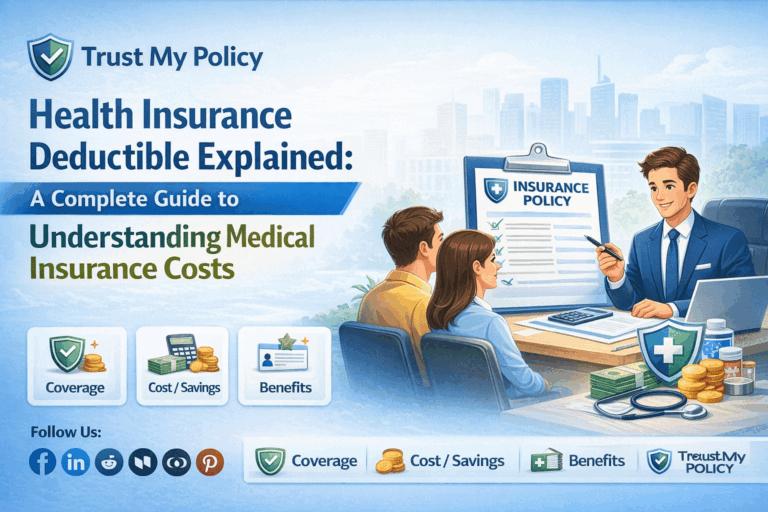
The deductible is the amount the policyholder must pay for medical services before the insurance provider begins covering expenses.
Example:
-
Deductible: $1,000
-
Medical bill: $2,500
The policyholder pays the first $1,000, and the insurer may help cover the remaining cost according to the policy.
Copayment
A copayment is a fixed amount paid for specific healthcare services.
Examples include:
-
Doctor visit: $20
-
Specialist consultation: $40
Copayments help distribute healthcare costs between the policyholder and the insurer.
Coinsurance
Coinsurance is the percentage of medical expenses shared between the policyholder and the insurance provider.
Example:
-
Insurance covers 80%
-
Policyholder pays 20%
Coinsurance usually applies after the deductible has been met.
Out-of-Pocket Maximum
The out-of-pocket maximum is the highest amount the policyholder must pay for covered medical services within a policy year.
After reaching this limit, the insurance company may cover most remaining eligible healthcare expenses.
Types of Individual Health Insurance Plans
Several types of individual health insurance plans exist depending on coverage structure and provider access.
Comprehensive Health Insurance
Comprehensive plans provide broad coverage for various healthcare services, including hospitalization, doctor visits, and preventive care.
These plans usually have higher premiums but offer wider coverage.
High-Deductible Health Plans
High-deductible health plans require policyholders to pay higher upfront healthcare costs before insurance coverage begins.
These plans typically offer lower monthly premiums.
Short-Term Health Insurance
Short-term plans provide temporary health coverage for limited periods.
They may be useful for individuals transitioning between jobs or waiting for long-term coverage.
Catastrophic Health Insurance
Catastrophic plans focus on protecting individuals from extremely high medical costs caused by serious illness or emergencies.
These plans usually have high deductibles but lower premiums.
, benefits, and financial protection options available to policyholders. Many readers compare multiple guides before selecting a plan so they can clearly evaluate premiums, claim procedures, and long‑term advantages. A useful resource to explore is Health Insurance Coverage, which explains how this insurance policy works, the key benefits it offers, and situations where it may be the most suitable option. By reviewing this guide, you can gain deeper insights into coverage features, eligibility requirements, and practical tips that help individuals and families make smarter insurance decisions.
Detailed Comparison of Individual Health Insurance Plans
| Plan Type | Premium Level | Deductible | Coverage Level | Suitable For |
|---|---|---|---|---|
| Comprehensive Plan | Higher | Lower | Broad medical coverage | Individuals with frequent healthcare needs |
| High-Deductible Plan | Lower | Higher | Moderate coverage | Healthy individuals |
| Short-Term Plan | Lower | Varies | Limited coverage | Temporary insurance needs |
| Catastrophic Plan | Low | Very high | Emergency protection | Financial safety for major health events |
How Individual Health Insurance Works
Individual health insurance typically follows a structured process when medical services are used.
Step 1: Purchase Insurance Policy
The individual selects and purchases a health insurance plan.
Step 2: Pay Premium
Regular premium payments keep the insurance policy active.
Step 3: Receive Medical Care
The policyholder visits a healthcare provider for treatment.
Step 4: Deductible Applies
The policyholder pays medical expenses until the deductible is reached.
Step 5: Cost Sharing Begins
After the deductible, the insurer may share costs through copayments or coinsurance.
Step 6: Out-of-Pocket Maximum
Once the yearly limit is reached, the insurer typically covers most remaining eligible expenses.
Health Insurance Provider Networks
Insurance companies often partner with healthcare providers such as doctors, hospitals, and clinics.
These partnerships form provider networks.
Using network providers usually results in:
-
Lower medical costs
-
Simplified billing processes
-
Pre-negotiated treatment rates
Receiving care outside the network may result in higher out-of-pocket expenses.
Preventive Care Coverage
Preventive healthcare focuses on maintaining good health and identifying medical issues early.
Examples include:
-
Health screenings
-
Vaccinations
-
Routine medical checkups
-
Preventive diagnostic tests
Many health insurance plans cover preventive services with minimal or no additional cost.
, benefits, and financial protection options available to policyholders. Many readers compare multiple guides before selecting a plan so they can clearly evaluate premiums, claim procedures, and long‑term advantages. A useful resource to explore is Family Health Insurance Plans, which explains how this insurance policy works, the key benefits it offers, and situations where it may be the most suitable option. By reviewing this guide, you can gain deeper insights into coverage features, eligibility requirements, and practical tips that help individuals and families make smarter insurance decisions.
Pros and Cons of Individual Health Insurance Coverage
Advantages
Individual health insurance offers several benefits:
-
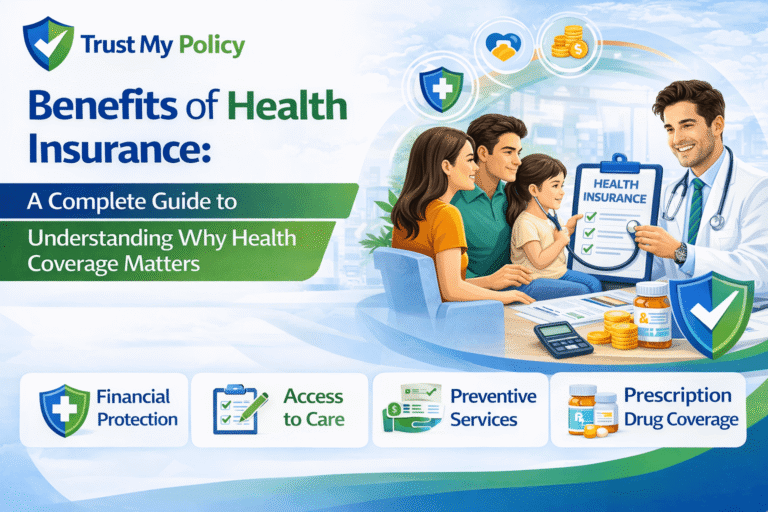
Provides financial protection against medical expenses
-
Allows individuals to choose their own coverage plan
-
Offers access to healthcare services
-
Encourages preventive healthcare
Limitations
There are also potential challenges:
-
Premiums may be higher without employer support
-
Coverage options vary between plans
-
Some services may require cost sharing
Understanding policy details helps individuals manage healthcare expenses effectively.
Real-Life Examples of Individual Health Insurance
Example 1: Freelance Professional
A freelance web designer purchases an individual health insurance policy to cover doctor visits, prescription medicines, and emergency care.
Example 2: Early Retiree
An individual who retires before qualifying for government healthcare programs buys personal health insurance to maintain coverage.
Example 3: Student Without Family Coverage
A student studying abroad purchases individual health insurance to ensure access to medical care during their studies.
Common Mistakes When Choosing Individual Health Insurance
Understanding common mistakes helps individuals make better insurance decisions.
Choosing Plans Based Only on Premium Cost
Lower premiums may come with higher deductibles or limited coverage.
Ignoring Deductibles and Cost Sharing
Policyholders should review deductibles, copayments, and coinsurance before selecting a plan.
Not Reviewing Provider Networks
Some plans restrict coverage to specific doctors or hospitals.
Overlooking Preventive Coverage
Preventive healthcare services are an important part of maintaining long-term health.
Frequently Asked Questions
What is individual health insurance coverage?
Individual health insurance coverage is a medical insurance policy designed to cover healthcare expenses for a single person.
Who should consider individual health insurance?
Freelancers, self-employed professionals, students, and individuals without employer-sponsored coverage may consider individual health insurance.
What does individual health insurance typically cover?
Coverage often includes doctor visits, hospital treatment, emergency services, prescription medications, and preventive care.
What is the difference between individual and family health insurance?
Individual insurance covers one person, while family insurance provides coverage for multiple members under a single policy.
Are deductibles part of individual health insurance plans?
Yes. Many plans require policyholders to pay a deductible before insurance coverage begins.
How do premiums affect health insurance coverage?
Premiums are the regular payments required to keep the insurance policy active.
Why is preventive healthcare important in insurance plans?
Preventive services help detect health issues early and may reduce the need for expensive treatments later.
, benefits, and financial protection options available to policyholders. Many readers compare multiple guides before selecting a plan so they can clearly evaluate premiums, claim procedures, and long‑term advantages. A useful resource to explore is Life Insurance for Pilots, which explains how this insurance policy works, the key benefits it offers, and situations where it may be the most suitable option. By reviewing this guide, you can gain deeper insights into coverage features, eligibility requirements, and practical tips that help individuals and families make smarter insurance decisions.
Conclusion
Individual health insurance coverage plays an important role in protecting individuals from the financial impact of medical expenses. By sharing healthcare costs between the policyholder and the insurance provider, these policies make medical treatment more accessible and manageable.
Understanding the components of individual health insurance—including premiums, deductibles, copayments, coinsurance, and coverage limits—helps individuals choose policies that match their healthcare needs and financial situation.
While selecting a health insurance plan requires careful evaluation of policy features and costs, having appropriate coverage provides valuable protection against unexpected medical expenses.
By reviewing plan options carefully and understanding how health insurance works, individuals can make informed decisions that support both their healthcare needs and financial security.
Disclaimer
Disclaimer: This article is for educational purposes only. Trust My Policy is an independent informational platform and does not sell insurance products or represent any insurance provider. Readers should consult official policy documents or licensed professionals for personalized advice.