How Much Life Insurance Do I Need? A Complete Guide to Choosing the Right Coverage
One of the most common questions people ask when planning financial protection is: “How much life insurance do I need?” Choosing the right amount of life insurance coverage is important because it determines how well your family will be financially protected if something happens to you.
Life insurance is designed to provide a financial safety net for loved ones. The payout, called the death benefit, can help cover daily living expenses, pay off debts, fund children’s education, and support long-term financial needs. However, many people struggle to estimate the correct amount of coverage.
Buying too little insurance may leave family members facing financial stress. On the other hand, purchasing far more coverage than necessary can increase premium costs without providing meaningful additional benefits.
The ideal life insurance amount depends on several personal factors, including income, debts, family size, future goals, and existing savings.
This guide explains how much life insurance you may need, simple ways to calculate coverage, factors that influence policy size, and common mistakes people should avoid when choosing life insurance.
How Much Life Insurance Do You Need?
| Factor | What It Means for Coverage |
|---|---|
| Income Replacement | Often 5–10 times annual income |
| Debts | Include mortgages, loans, and credit obligations |
| Family Expenses | Living costs for dependents |
| Education Costs | Future tuition for children |
| Existing Savings | Savings may reduce required coverage |
| Policy Goal | Income replacement, debt protection, or long-term support |
| Coverage Type | Term life or permanent life insurance |
, benefits, and financial protection options available to policyholders. Many readers compare multiple guides before selecting a plan so they can clearly evaluate premiums, claim procedures, and long‑term advantages. A useful resource to explore is Car Insurance for Young Drivers, which explains how this insurance policy works, the key benefits it offers, and situations where it may be the most suitable option. By reviewing this guide, you can gain deeper insights into coverage features, eligibility requirements, and practical tips that help individuals and families make smarter insurance decisions.
Understanding Life Insurance Coverage Amount
A life insurance coverage amount refers to the total payout that beneficiaries receive if the insured person dies while the policy is active.
This amount is also known as the death benefit.
For example:
-
If a person buys a policy with $500,000 coverage, the beneficiaries receive $500,000 when the policy pays out.
The goal of life insurance coverage is to replace financial support that the insured person would normally provide to their family.
Coverage should be large enough to handle important financial responsibilities such as:
-
Daily living expenses
-
Debt repayment
-
Childcare and education
-
Mortgage or housing costs
-
Long-term family support
Choosing the right amount involves careful financial planning.
Key Factors That Determine Life Insurance Needs
Several personal and financial factors influence how much life insurance coverage a person may need.
Income Replacement
Income replacement is often the main purpose of life insurance.
If the primary earner passes away, the policy payout can help replace lost income.
Many financial planners estimate coverage based on multiple years of income.
For example:
-
A person earning $50,000 per year may consider $250,000–$500,000 in coverage.
This ensures the family can maintain financial stability.
Outstanding Debts
Debts should be included when calculating life insurance coverage.
Common debts include:
-
Mortgage loans
-
Personal loans
-
Credit card balances
-
Car loans
-
Business debts
If these debts remain unpaid after death, they may become a financial burden for family members.
Family Living Expenses
Life insurance may help cover ongoing household expenses.
Examples include:
-
Food and groceries
-
Utility bills
-
Transportation costs
-
Medical expenses
-
Childcare
Coverage should account for several years of these expenses.
Children’s Education Costs
Parents often include education costs when planning life insurance.
Future expenses may include:
-
School tuition
-
University or college fees
-
Educational supplies
Planning ahead helps ensure that children can continue their education.
Existing Savings and Investments
Savings and investments can reduce the amount of life insurance needed.
Examples include:
-
Retirement funds
-
Emergency savings
-
Investment accounts
-
Existing insurance policies
These financial resources may support family members if needed.
Family Structure
Family structure strongly influences life insurance needs.
Coverage needs may be higher for people who:
-
Have young children
-
Support elderly parents
-
Have a non-working spouse
Individuals without dependents may require less coverage.
, benefits, and financial protection options available to policyholders. Many readers compare multiple guides before selecting a plan so they can clearly evaluate premiums, claim procedures, and long‑term advantages. A useful resource to explore is Cheapest Car Insurance in Texas, which explains how this insurance policy works, the key benefits it offers, and situations where it may be the most suitable option. By reviewing this guide, you can gain deeper insights into coverage features, eligibility requirements, and practical tips that help individuals and families make smarter insurance decisions.
Common Methods to Calculate Life Insurance Needs
Several simple methods help estimate how much life insurance coverage someone may need.
Income Multiplier Method
This method estimates coverage based on income.
| Income Multiplier | Example |
|---|---|
| 5× Annual Income | $50,000 income → $250,000 coverage |
| 7× Annual Income | $50,000 income → $350,000 coverage |
| 10× Annual Income | $50,000 income → $500,000 coverage |
This approach is simple but does not consider detailed expenses.
DIME Method
The DIME method is a widely used approach that evaluates four financial areas.
DIME stands for:
-
D – Debt
-
I – Income replacement
-
M – Mortgage
-
E – Education
Example Calculation
| Category | Estimated Amount |
|---|---|
| Debts | $50,000 |
| Income Replacement | $300,000 |
| Mortgage | $200,000 |
| Education Costs | $100,000 |
| Total Coverage Needed | $650,000 |
This method provides a more detailed estimate.
Needs-Based Approach
This method calculates coverage based on long-term financial needs.
Factors considered include:
-
Living expenses
-
Future goals
-
Inflation
-
Family responsibilities
This approach provides the most customized estimate.
Detailed Comparison of Life Insurance Calculation Methods
| Method | How It Works | Advantages | Limitations |
|---|---|---|---|
| Income Multiplier | Uses a multiple of annual income | Simple and quick | May ignore debts and expenses |
| DIME Method | Considers debt, income, mortgage, education | More detailed estimate | Still simplified |
| Needs-Based Approach | Calculates long-term family needs | Most accurate | Requires more financial analysis |
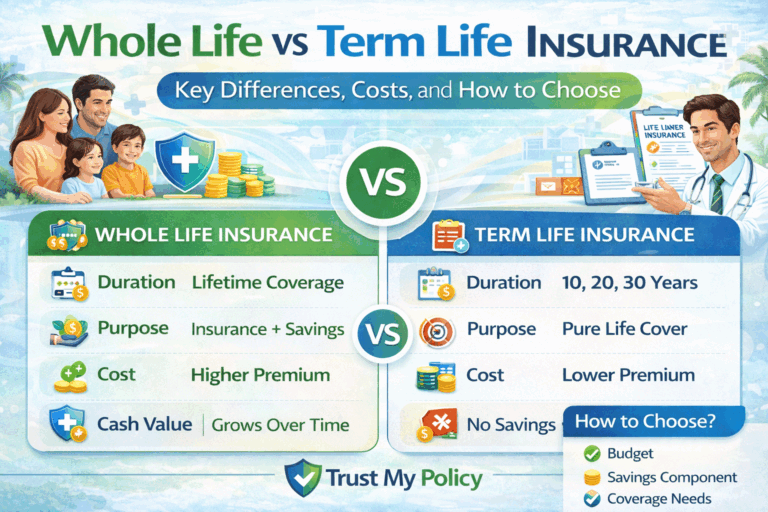
Choosing Between Term and Permanent Life Insurance
When deciding how much life insurance to buy, policy type also matters.
Term Life Insurance
Term life insurance provides coverage for a fixed period.
Common terms include:
-
10 years
-
20 years
-
30 years
Benefits
-
Lower premiums
-
Simple structure
-
Suitable for temporary financial responsibilities
Permanent Life Insurance
Permanent life insurance includes:
-
Whole life insurance
-
Universal life insurance
These policies provide lifetime coverage and may include cash value.
Benefits
-
Lifetime protection
-
Potential savings component
However, premiums are usually higher than term insurance.
, benefits, and financial protection options available to policyholders. Many readers compare multiple guides before selecting a plan so they can clearly evaluate premiums, claim procedures, and long‑term advantages. A useful resource to explore is How to Lower Car Insurance Cost, which explains how this insurance policy works, the key benefits it offers, and situations where it may be the most suitable option. By reviewing this guide, you can gain deeper insights into coverage features, eligibility requirements, and practical tips that help individuals and families make smarter insurance decisions.
Pros and Cons of Buying More or Less Coverage
Advantages of Adequate Coverage
-
Provides strong financial protection for family
-
Helps repay debts and loans
-
Supports long-term family expenses
-
Provides peace of mind
Disadvantages of Too Much Coverage
-
Higher premium costs
-
May exceed actual financial needs
-
Long-term commitments may be unnecessary
Risks of Too Little Coverage
-
Family may struggle with expenses
-
Debts may remain unpaid
-
Financial stress during difficult times
Real-Life Examples of Life Insurance Needs
Understanding real scenarios helps illustrate how coverage amounts vary.
Example 1: Young Parent
A parent earning $60,000 per year has two young children and a mortgage.
Estimated coverage needs may include:
-
Income replacement for 10 years
-
Mortgage repayment
-
Education savings
Total estimated coverage may be around $600,000–$800,000.
Example 2: Single Individual With No Dependents
A single person with minimal debts may only need coverage for:
-
Funeral expenses
-
Outstanding loans
Coverage may be significantly lower.
Example 3: Family With a Single Income Earner
If one parent is the primary earner, coverage may need to replace income for many years.
Life insurance may help maintain the family’s financial stability.
Example 4: Business Owner
Business owners may need coverage to protect:
-
Business loans
-
Employee salaries
-
Business continuity
Coverage needs may be higher depending on obligations.
Common Mistakes When Choosing Life Insurance Coverage
Many people make avoidable errors when deciding how much life insurance they need.
1. Underestimating Financial Responsibilities
Some people only consider income replacement and forget about debts or future expenses.
2. Ignoring Inflation
Living costs may increase over time.
Coverage should consider future expenses rather than current prices alone.
3. Relying Only on Employer Coverage
Workplace life insurance benefits may be limited and may not fully protect a family.
4. Not Reviewing Coverage Over Time
Life circumstances change.
Major events that may require coverage updates include:
-
Marriage
-
Having children
-
Buying a home
-
Starting a business
5. Choosing Coverage Based Only on Price
Lower premiums may seem attractive but could result in insufficient coverage.
, benefits, and financial protection options available to policyholders. Many readers compare multiple guides before selecting a plan so they can clearly evaluate premiums, claim procedures, and long‑term advantages. A useful resource to explore is Home Insurance Coverage Types, which explains how this insurance policy works, the key benefits it offers, and situations where it may be the most suitable option. By reviewing this guide, you can gain deeper insights into coverage features, eligibility requirements, and practical tips that help individuals and families make smarter insurance decisions.
Frequently Asked Questions (FAQs)
1. How much life insurance do most people need?
Many financial planners suggest coverage equal to 5–10 times annual income, though personal financial responsibilities may require more or less.
2. Is $500,000 life insurance enough?
For some families, $500,000 may provide adequate protection. However, coverage needs depend on income, debts, and dependents.
3. Do single people need life insurance?
Single individuals without dependents may need less coverage, but life insurance may still help cover debts or final expenses.
4. Should both spouses have life insurance?
In many families, both spouses may benefit from coverage, especially if both contribute financially or provide childcare.
5. Can life insurance coverage be increased later?
Some policies allow coverage adjustments or additional policies if financial needs change.
6. What happens if life insurance coverage is too low?
If coverage is insufficient, beneficiaries may struggle to cover expenses such as debts, housing, and living costs.
7. Does age affect the amount of life insurance needed?
Age may influence both coverage needs and premium costs. Younger individuals often purchase coverage earlier to secure lower premiums.
, benefits, and financial protection options available to policyholders. Many readers compare multiple guides before selecting a plan so they can clearly evaluate premiums, claim procedures, and long‑term advantages. A useful resource to explore is Insurance Fraud Explained, which explains how this insurance policy works, the key benefits it offers, and situations where it may be the most suitable option. By reviewing this guide, you can gain deeper insights into coverage features, eligibility requirements, and practical tips that help individuals and families make smarter insurance decisions.
Conclusion
Deciding how much life insurance you need is an important part of financial planning. The right coverage amount should provide enough financial support to help family members maintain stability if the unexpected happens.
Coverage needs depend on several personal factors, including income, debts, living expenses, family structure, and long-term goals. Simple methods such as the income multiplier approach or the DIME method can provide useful starting points for estimating coverage.
By evaluating financial responsibilities carefully and reviewing coverage periodically, individuals can choose life insurance that aligns with their family’s needs and long-term financial security.
Life insurance is not only about numbers—it is about protecting the financial future of the people who depend on you.
Disclaimer: This article is for educational purposes only. Trust My Policy is an independent informational platform and does not sell insurance products or represent any insurance provider. Readers should consult official policy documents or licensed professionals for personalized advice.