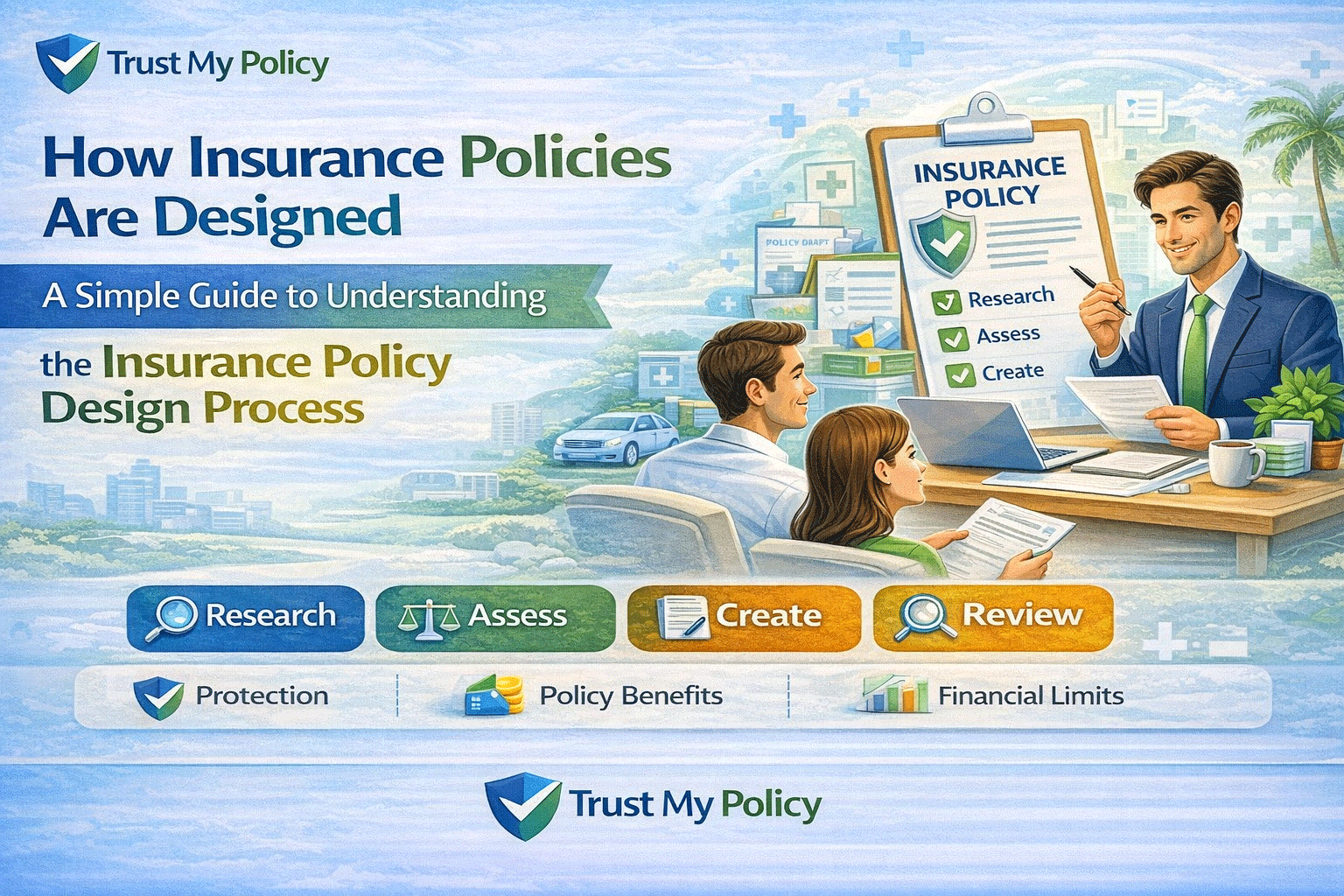
How Insurance Policies Are Designed: A Simple Guide to Understanding the Insurance Policy Design Process
Insurance policies help individuals and businesses protect themselves from financial loss caused by unexpected events. These events may include accidents, illnesses, property damage, natural disasters, or death. While many people purchase insurance policies, few understand how insurance policies are designed and what factors determine their structure.
Designing an insurance policy is a complex process that combines risk analysis, financial planning, statistical modeling, regulatory requirements, and customer needs. Insurance companies must carefully balance these factors to create policies that are both affordable for customers and sustainable for the insurer.
Policy design involves determining what risks are covered, how premiums are calculated, what benefits are offered, and what limitations apply. The process also includes defining coverage limits, exclusions, deductibles, and claim procedures. These elements help ensure that insurance policies function fairly and effectively.
Understanding how insurance policies are designed can help policyholders make better decisions when choosing coverage. It also helps readers understand why policies include certain conditions and how insurance companies manage risk.
This guide explains the full policy design process in simple language, including key components, comparisons, real-world examples, and common misconceptions.
How Insurance Policies Are Designed
| Step | What Happens | Why It Matters |
|---|---|---|
| Risk Identification | Insurers study possible risks to insure | Determines what events can be covered |
| Data Analysis | Historical data and statistics are analyzed | Helps predict future claims |
| Policy Structure | Coverage terms, limits, and conditions are created | Defines how the policy works |
| Premium Calculation | Price of insurance is calculated | Ensures financial sustainability |
| Regulatory Compliance | Policies must follow laws and regulations | Protects policyholders |
| Policy Testing & Launch | Products are reviewed before release | Ensures stability and fairness |
, benefits, and financial protection options available to policyholders. Many readers compare multiple guides before selecting a plan so they can clearly evaluate premiums, claim procedures, and long‑term advantages. A useful resource to explore is Life Insurance for Pilots, which explains how this insurance policy works, the key benefits it offers, and situations where it may be the most suitable option. By reviewing this guide, you can gain deeper insights into coverage features, eligibility requirements, and practical tips that help individuals and families make smarter insurance decisions.
What Is an Insurance Policy?
An insurance policy is a formal agreement between an insurance company and a policyholder.
Under this agreement:
-
The policyholder pays a premium.
-
The insurance company provides financial protection against specific risks.
The policy document describes:
-
Covered risks
-
Coverage limits
-
Premium payments
-
Deductibles
-
Exclusions
-
Claim procedures
Insurance policies are carefully designed to balance protection for customers with financial stability for insurers.
What Does Insurance Policy Design Mean?
Insurance policy design refers to the process of creating the structure and rules of an insurance product.
This includes deciding:
-
What risks are covered
-
Who can purchase the policy
-
How much coverage is available
-
How premiums are calculated
-
What situations are excluded
Policy design combines multiple disciplines such as:
-
Actuarial science
-
Risk management
-
Finance
-
Law
-
Consumer behavior analysis
The goal is to create policies that meet customer needs while managing financial risks.
Key Elements Used When Designing Insurance Policies
1. Risk Identification
The first step in designing an insurance policy is identifying the risks that people want protection against.
Examples include:
-
Medical expenses
-
Vehicle accidents
-
Property damage
-
Business interruptions
-
Natural disasters
Insurance companies study how often these events occur and how costly they may be.
2. Risk Assessment and Data Analysis
After identifying risks, insurers analyze large amounts of data.
They examine:
-
Historical claim data
-
Industry statistics
-
Economic trends
-
Demographic information
This process helps insurers estimate:
-
How often claims may occur
-
The average cost of claims
-
The financial impact of major events
Actuaries often use statistical models to predict future risks.
3. Coverage Design
Coverage design determines what the policy will include.
This step defines:
-
Covered events
-
Policy benefits
-
Maximum payout limits
-
Optional add-ons
Coverage design must balance protection and affordability.
For example:
-
A health insurance policy may cover hospitalization but exclude cosmetic procedures.
-
A home insurance policy may cover fire damage but exclude wear and tear.
4. Premium Calculation
The premium is the amount customers pay for insurance coverage.
Insurance companies calculate premiums based on factors such as:
-
Risk level
-
Age and demographics
-
Location
-
Type of coverage
-
Past claims data
Premium pricing must ensure that the insurer can pay claims while maintaining financial stability.
5. Deductibles and Cost Sharing
Deductibles are the amount the policyholder must pay before insurance coverage begins.
For example:
-
A $500 deductible means the policyholder pays the first $500 of a claim.
Deductibles help:
-
Reduce small claims
-
Lower premium costs
-
Encourage responsible use of insurance
6. Policy Exclusions
Exclusions are situations where the policy does not provide coverage.
Common exclusions may include:
-
Intentional damage
-
Illegal activities
-
Normal wear and tear
-
Certain high-risk activities
Exclusions help insurers manage risk and keep premiums affordable.
7. Regulatory Compliance
Insurance policies must follow regulations established by government authorities.
These regulations may cover:
-
Consumer protection rules
-
Financial solvency requirements
-
Disclosure requirements
-
Claim handling procedures
Regulatory oversight helps maintain fairness and stability in the insurance market.
8. Product Testing and Approval
Before launching a new insurance policy, insurers may test it internally.
This process may include:
-
Financial modeling
-
Risk simulations
-
Regulatory review
-
Consumer feedback analysis
Testing ensures the policy is financially viable and understandable for customers.
, benefits, and financial protection options available to policyholders. Many readers compare multiple guides before selecting a plan so they can clearly evaluate premiums, claim procedures, and long‑term advantages. A useful resource to explore is Best Insurance for Small Business Owners, which explains how this insurance policy works, the key benefits it offers, and situations where it may be the most suitable option. By reviewing this guide, you can gain deeper insights into coverage features, eligibility requirements, and practical tips that help individuals and families make smarter insurance decisions.
Components of Insurance Policy Design
| Component | Purpose | Example | Impact on Policy |
|---|---|---|---|
| Risk Identification | Determine what risks to cover | Accident risk | Defines policy scope |
| Data Analysis | Predict claim frequency and cost | Historical claims data | Guides pricing |
| Coverage Structure | Define benefits and limits | Medical coverage | Determines protection level |
| Premium Calculation | Determine cost of policy | Risk-based pricing | Affects affordability |
| Deductibles | Share costs with policyholder | $500 deductible | Reduces small claims |
| Exclusions | Limit high-risk situations | Intentional damage | Controls risk |
| Regulations | Ensure legal compliance | Consumer protection rules | Maintains fairness |
| Policy Testing | Evaluate product stability | Financial modeling | Ensures sustainability |
Pros and Cons of Insurance Policy Design
Advantages
Well-designed insurance policies provide several benefits.
-
Helps manage financial risks
-
Provides structured protection
-
Allows predictable pricing
-
Encourages responsible risk management
-
Supports financial stability of insurance systems
Disadvantages
Insurance policy design may also create certain limitations.
-
Policies may contain complex terms
-
Some risks may be excluded
-
Premiums may vary depending on risk factors
-
Coverage limits may not meet every situation
-
Understanding policy conditions may require careful review
, benefits, and financial protection options available to policyholders. Many readers compare multiple guides before selecting a plan so they can clearly evaluate premiums, claim procedures, and long‑term advantages. A useful resource to explore is Car Insurance Deductible, which explains how this insurance policy works, the key benefits it offers, and situations where it may be the most suitable option. By reviewing this guide, you can gain deeper insights into coverage features, eligibility requirements, and practical tips that help individuals and families make smarter insurance decisions.
Real-Life Examples of Insurance Policy Design
Example 1: Health Insurance Policy
A health insurance policy may be designed to cover:
-
Hospital stays
-
Surgeries
-
Prescription drugs
However, it may exclude:
-
Cosmetic procedures
-
Experimental treatments
Premiums are calculated based on age, medical inflation, and claim probability.
Example 2: Car Insurance Policy
A car insurance policy may include coverage for:
-
Accident damage
-
Theft
-
Natural disasters
The policy may include:
-
Deductibles
-
Liability limits
-
Optional roadside assistance
Premiums depend on driver history, vehicle type, and location.
Example 3: Home Insurance Policy
A home insurance policy may cover:
-
Fire damage
-
Storm damage
-
Theft
However, it may exclude certain events like gradual deterioration or poor maintenance.
Coverage limits are designed based on property value and regional risk levels.
Common Misunderstandings About Insurance Policy Design
1. Insurance Policies Cover All Possible Risks
Many people assume insurance policies cover every type of loss.
In reality, policies include specific coverage limits and exclusions.
2. Premiums Are Set Randomly
Premiums are usually calculated using statistical models, risk data, and financial projections.
3. All Policies Are the Same
Insurance policies vary widely depending on risk type, country regulations, and insurer design strategies.
4. Higher Premium Always Means Better Coverage
Higher premiums do not always mean better coverage.
Policy terms, exclusions, and limits also affect overall protection.
5. Policy Design Never Changes
Insurance companies regularly update policies to reflect new risks, economic conditions, and regulations.
, benefits, and financial protection options available to policyholders. Many readers compare multiple guides before selecting a plan so they can clearly evaluate premiums, claim procedures, and long‑term advantages. A useful resource to explore is Insurance Plans for Self Employed People, which explains how this insurance policy works, the key benefits it offers, and situations where it may be the most suitable option. By reviewing this guide, you can gain deeper insights into coverage features, eligibility requirements, and practical tips that help individuals and families make smarter insurance decisions.
Frequently Asked Questions (FAQs)
1. Who designs insurance policies?
Insurance policies are designed by teams that may include actuaries, risk analysts, financial experts, and legal professionals.
2. What factors influence insurance policy design?
Key factors include risk levels, claim data, regulations, market demand, and financial sustainability.
3. Why do insurance policies include exclusions?
Exclusions help insurers manage risk and prevent extremely costly or unpredictable claims.
4. How are insurance premiums calculated?
Premiums are based on risk assessments, statistical modeling, demographic data, and expected claim costs.
5. Can insurance policies change over time?
Yes. Policies may evolve due to regulatory updates, economic conditions, and emerging risks.
6. Why are deductibles included in policies?
Deductibles help reduce minor claims and share costs between insurers and policyholders.
7. Are insurance policies the same worldwide?
No. Insurance policies vary depending on country laws, market conditions, and consumer needs.
Conclusion
Insurance policies are carefully designed financial products that aim to balance protection and sustainability. The process of designing these policies involves identifying risks, analyzing data, defining coverage terms, calculating premiums, and ensuring compliance with regulations.
Each element of policy design plays an important role in determining how insurance coverage works. Coverage limits, deductibles, exclusions, and pricing structures help create policies that are manageable for both insurers and policyholders.
Understanding how insurance policies are designed helps consumers better interpret policy documents and make informed decisions when selecting coverage. While the design process may involve complex calculations and regulations, the goal remains simple: providing financial protection against unexpected risks.
By learning the fundamentals of policy design, individuals and businesses can gain greater confidence in navigating the insurance system.
, benefits, and financial protection options available to policyholders. Many readers compare multiple guides before selecting a plan so they can clearly evaluate premiums, claim procedures, and long‑term advantages. A useful resource to explore is Home Insurance Claim Process, which explains how this insurance policy works, the key benefits it offers, and situations where it may be the most suitable option. By reviewing this guide, you can gain deeper insights into coverage features, eligibility requirements, and practical tips that help individuals and families make smarter insurance decisions.
Disclaimer:
“Disclaimer: This article is for educational purposes only. Trust My Policy is an independent informational platform and does not sell insurance products or represent any insurance provider. Readers should consult official policy documents or licensed professionals for personalized advice.”