Home Insurance Coverage Types: A Complete Guide for Homeowners
Home insurance plays an important role in protecting one of the most valuable assets many people own—their home. Houses face a wide range of risks such as fires, storms, theft, accidents, and unexpected structural damage. Repairing or rebuilding a home after a disaster can be extremely expensive. Without proper protection, homeowners may face serious financial challenges.
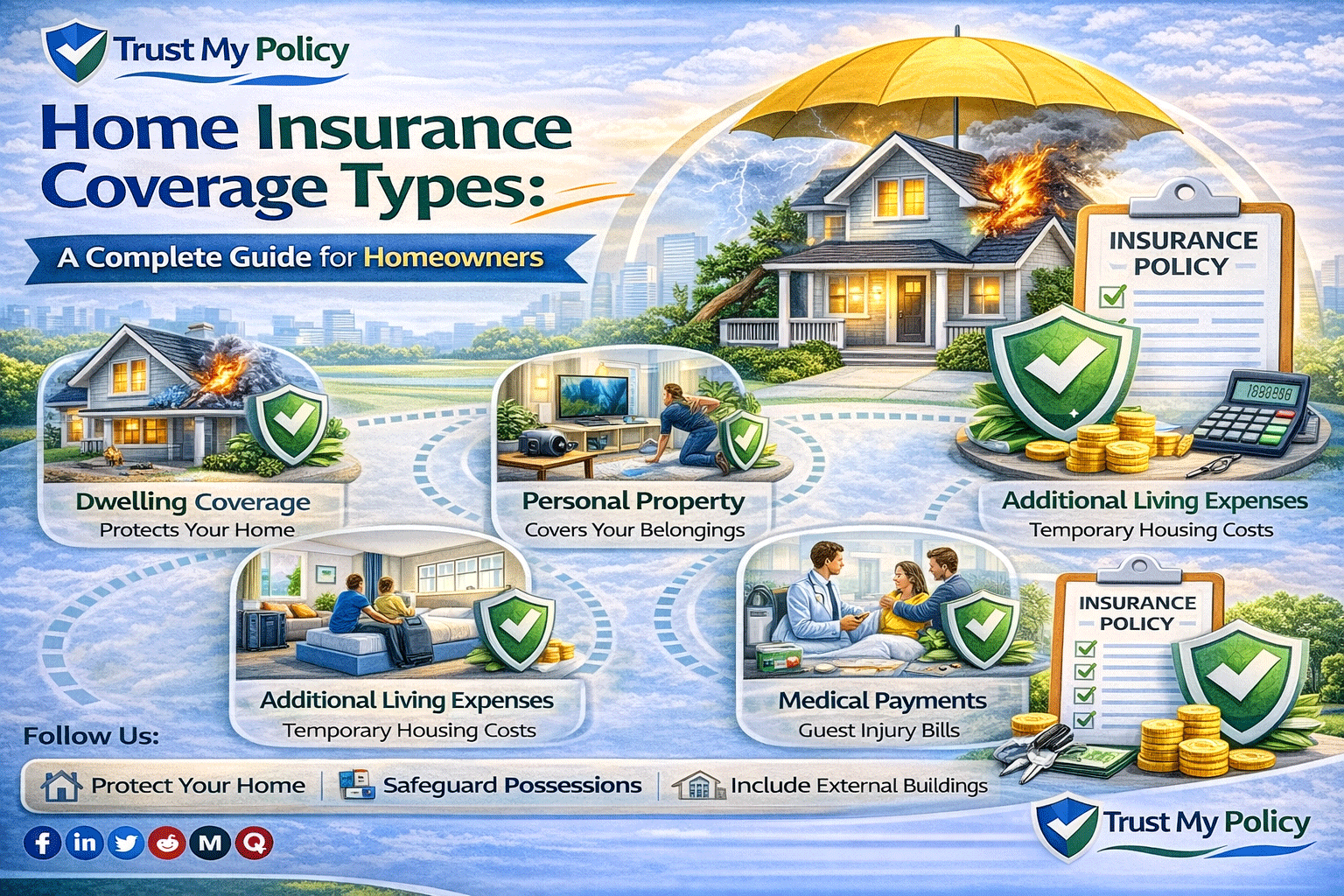
This is why understanding home insurance coverage types is essential. A home insurance policy is not just a single type of protection. Instead, it includes several different coverage categories designed to protect different parts of the property and the homeowner’s financial responsibility.
These coverage types work together to provide protection for the house structure, personal belongings, liability risks, and temporary living expenses if the home becomes uninhabitable. Each coverage type serves a specific purpose and has its own limits and conditions.
Many homeowners purchase insurance without fully understanding what each coverage type includes. Learning about these coverage categories helps homeowners choose appropriate protection, avoid coverage gaps, and better understand how their policy works during claims.
This guide explains the major home insurance coverage types, how they work, their benefits and limitations, and common mistakes homeowners make when selecting insurance coverage.
Home Insurance Coverage Types
| Coverage Type | What It Protects | Example Situation | Importance |
|---|---|---|---|
| Dwelling Coverage | Structure of the house | Fire damages roof and walls | Very High |
| Personal Property Coverage | Belongings inside the home | Theft of electronics | High |
| Liability Coverage | Injuries or property damage to others | Guest slips on stairs | High |
| Additional Living Expenses | Temporary housing during repairs | Fire makes home unlivable | Medium |
| Other Structures Coverage | Detached buildings | Storm damages garage | Medium |
| Medical Payments Coverage | Minor injuries to guests | Visitor receives medical treatment | Medium |
, benefits, and financial protection options available to policyholders. Many readers compare multiple guides before selecting a plan so they can clearly evaluate premiums, claim procedures, and long‑term advantages. A useful resource to explore is Life Insurance for Business Owners, which explains how this insurance policy works, the key benefits it offers, and situations where it may be the most suitable option. By reviewing this guide, you can gain deeper insights into coverage features, eligibility requirements, and practical tips that help individuals and families make smarter insurance decisions.
What Are Home Insurance Coverage Types?
Home insurance coverage types refer to the different categories of protection included in a homeowners insurance policy.
Each coverage type protects a specific aspect of homeownership.
Typical coverage categories include:
-
Protection for the house structure
-
Protection for personal belongings
-
Protection against liability risks
-
Coverage for detached structures
-
Temporary living expense coverage
These coverage types work together to provide comprehensive protection against many common risks homeowners face.
Understanding each type helps homeowners evaluate whether their policy offers sufficient protection.
Main Home Insurance Coverage Types
Dwelling Coverage
Dwelling coverage protects the main structure of the home.
This includes:
-
Walls
-
Roof
-
Floors
-
Built-in cabinets
-
Plumbing systems
-
Electrical wiring
-
Heating and cooling systems
If the house is damaged by a covered event such as fire, storms, or vandalism, dwelling coverage may help pay for repairs or rebuilding.
Coverage limits are typically based on the cost to rebuild the home, not the property’s market value.
Personal Property Coverage
Personal property coverage protects items inside the home.
Examples include:
-
Furniture
-
Clothing
-
Electronics
-
Appliances
-
Kitchen equipment
-
Household decorations
If belongings are stolen or damaged by covered events, insurance may help replace them.
Some policies also provide limited protection for belongings temporarily outside the home.
However, expensive items such as jewelry or collectibles may have coverage limits.
Liability Coverage
Liability coverage protects homeowners if they are responsible for injuries or property damage affecting others.
Examples include:
-
A visitor slips on a wet floor
-
A pet injures a guest
-
A tree falls and damages a neighbor’s property
Liability coverage may help pay for:
-
Medical costs
-
Legal defense expenses
-
Settlement payments
Liability protection is important because lawsuits and medical costs can become expensive.
Additional Living Expenses Coverage
Additional living expenses coverage helps pay for temporary housing if the home becomes uninhabitable due to a covered event.
Examples include:
-
Fire damage that makes the home unsafe
-
Storm damage requiring major repairs
-
Structural damage requiring evacuation
Expenses that may be covered include:
-
Hotel accommodation
-
Rental housing
-
Restaurant meals
-
Laundry services
This coverage helps families maintain normal living conditions while repairs are completed.
Other Structures Coverage
Many homes include structures separate from the main building.
Other structures coverage protects:
-
Detached garages
-
Storage sheds
-
Fences
-
Workshops
-
Guest houses
If these structures are damaged by covered events such as storms or fire, insurance may help pay for repairs.
Medical Payments Coverage
Medical payments coverage helps cover minor medical costs for guests injured on the property.
This coverage may apply even if the homeowner is not legally responsible.
Examples include:
-
A guest trips on a walkway
-
A delivery worker slips on steps
Medical payments coverage is designed to handle small medical expenses quickly and reduce the risk of legal disputes.
, benefits, and financial protection options available to policyholders. Many readers compare multiple guides before selecting a plan so they can clearly evaluate premiums, claim procedures, and long‑term advantages. A useful resource to explore is Cheap Home Insurance Options, which explains how this insurance policy works, the key benefits it offers, and situations where it may be the most suitable option. By reviewing this guide, you can gain deeper insights into coverage features, eligibility requirements, and practical tips that help individuals and families make smarter insurance decisions.
Detailed Comparison of Home Insurance Coverage Types
| Coverage Feature | Dwelling | Personal Property | Liability | Living Expenses | Other Structures | Medical Payments |
|---|---|---|---|---|---|---|
| Protects House Structure | Yes | No | No | No | No | No |
| Protects Personal Belongings | No | Yes | No | No | No | No |
| Covers Legal Liability | No | No | Yes | No | No | No |
| Covers Guest Injuries | No | No | Yes | No | No | Yes |
| Covers Temporary Housing | No | No | No | Yes | No | No |
| Covers Detached Buildings | No | No | No | No | Yes | No |
Additional Coverage Options
Some homeowners may choose additional coverage depending on their needs.
Examples include:
-
Flood insurance
-
Earthquake insurance
-
Valuable item coverage
-
Extended liability coverage
These optional protections address risks that may not be included in standard home insurance policies.
Pros and Cons of Home Insurance Coverage Types
Advantages
-
Provides protection against major financial losses
-
Covers multiple risks in a single policy
-
Protects both property and personal belongings
-
Provides liability protection for accidents
-
Helps pay temporary living expenses during repairs
Limitations
-
Insurance requires regular premium payments
-
Coverage limits may restrict claim payouts
-
Some disasters may require separate policies
-
Deductibles apply before insurance payments begin
-
Certain valuable items may need additional coverage
Understanding these advantages and limitations helps homeowners evaluate insurance policies more effectively.
, benefits, and financial protection options available to policyholders. Many readers compare multiple guides before selecting a plan so they can clearly evaluate premiums, claim procedures, and long‑term advantages. A useful resource to explore is Insurance Plans for Self Employed People, which explains how this insurance policy works, the key benefits it offers, and situations where it may be the most suitable option. By reviewing this guide, you can gain deeper insights into coverage features, eligibility requirements, and practical tips that help individuals and families make smarter insurance decisions.
Real-Life Examples
Example 1: Fire Damage
A kitchen fire damages the roof and several rooms.
Dwelling coverage may help pay for structural repairs.
Example 2: Theft
A burglary results in stolen electronics and jewelry.
Personal property coverage may help replace the stolen items depending on policy limits.
Example 3: Visitor Injury
A guest slips on stairs and suffers a minor injury.
Medical payments or liability coverage may help pay medical costs.
Example 4: Storm Damage
Strong winds damage a detached garage.
Other structures coverage may help pay repair costs.
Example 5: Temporary Housing
After severe storm damage, a family must live in a hotel for several weeks.
Additional living expenses coverage may help cover accommodation costs.
Common Mistakes Homeowners Make
Assuming All Risks Are Covered
Some homeowners assume every disaster is included in standard policies.
However, certain risks such as floods or earthquakes may require separate insurance.
Underestimating Personal Property Value
Many people underestimate the value of their belongings.
Creating a home inventory can help determine appropriate coverage.
Not Updating Coverage
Renovations, property upgrades, or expensive purchases may require policy updates.
Ignoring Deductibles
Homeowners should understand how deductibles affect claim payouts.
, benefits, and financial protection options available to policyholders. Many readers compare multiple guides before selecting a plan so they can clearly evaluate premiums, claim procedures, and long‑term advantages. A useful resource to explore is Cheapest Car Insurance for Young Drivers, which explains how this insurance policy works, the key benefits it offers, and situations where it may be the most suitable option. By reviewing this guide, you can gain deeper insights into coverage features, eligibility requirements, and practical tips that help individuals and families make smarter insurance decisions.
Frequently Asked Questions (FAQs)
What are the main home insurance coverage types?
The main coverage types include dwelling coverage, personal property coverage, liability protection, additional living expenses coverage, other structures coverage, and medical payments coverage.
What does dwelling coverage protect?
Dwelling coverage protects the structure of the house, including walls, roofs, and built-in systems.
Does home insurance cover personal belongings?
Yes. Personal property coverage may protect furniture, electronics, clothing, and other belongings.
What is liability coverage in home insurance?
Liability coverage protects homeowners if they are responsible for injuries or property damage affecting others.
What happens if a home becomes uninhabitable?
Additional living expenses coverage may help pay for temporary housing and related costs.
Are detached structures covered by home insurance?
Many policies include other structures coverage for detached garages, sheds, and fences.
Should homeowners review their coverage regularly?
Yes. Regular policy reviews help ensure coverage reflects current property value and belongings.
Conclusion
Understanding home insurance coverage types helps homeowners protect their property, belongings, and financial stability. A standard home insurance policy typically includes several coverage categories designed to address different risks associated with homeownership.
Dwelling coverage protects the structure of the home, personal property coverage protects belongings, and liability coverage helps address accidents involving guests. Additional living expenses coverage provides temporary housing support when homes become uninhabitable, while other structures coverage protects detached buildings.
Although home insurance cannot prevent disasters, it provides financial support when unexpected events occur. By learning how these coverage types work and reviewing policy details regularly, homeowners can ensure their insurance protection remains appropriate and effective.
, benefits, and financial protection options available to policyholders. Many readers compare multiple guides before selecting a plan so they can clearly evaluate premiums, claim procedures, and long‑term advantages. A useful resource to explore is Insurance Options for Gig Workers, which explains how this insurance policy works, the key benefits it offers, and situations where it may be the most suitable option. By reviewing this guide, you can gain deeper insights into coverage features, eligibility requirements, and practical tips that help individuals and families make smarter insurance decisions.
Disclaimer
Disclaimer: This article is for educational purposes only. Trust My Policy is an independent informational platform and does not sell insurance products or represent any insurance provider. Readers should consult official policy documents or licensed professionals for personalized advice.