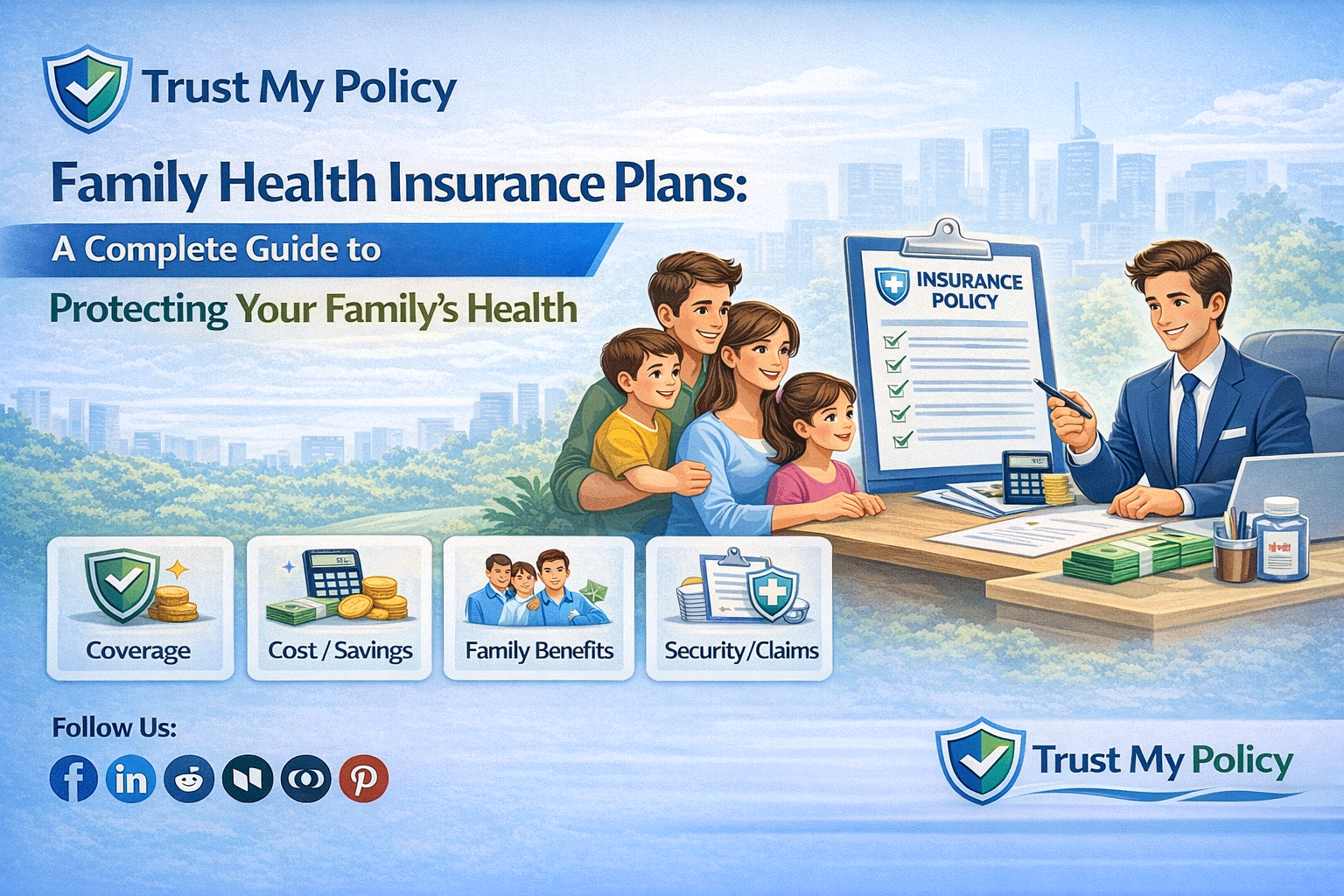
Family Health Insurance Plans: A Complete Guide to Protecting Your Family’s Health
Healthcare costs can place a heavy financial burden on families. Doctor visits, emergency treatments, hospital stays, and prescription medicines can quickly become expensive. Without proper coverage, a single medical emergency may affect a family’s financial stability for years. This is why family health insurance plans are an important part of financial planning for households around the world.
A family health insurance plan provides medical coverage for multiple family members under a single policy. Instead of purchasing separate policies for each person, families can combine coverage, often making it easier to manage and sometimes more cost-effective.
These plans typically cover parents, children, and sometimes other dependents such as elderly parents. They may include services such as doctor consultations, hospitalization, preventive care, and prescription medications.
This guide explains how family health insurance plans work, the different types available globally, their benefits and limitations, and how families can choose the right coverage. Understanding these options helps families make informed decisions about protecting both their health and their finances.
Types of Family Health Insurance Plans
| Plan Type | Best For | Coverage Style | Cost Level | Flexibility |
|---|---|---|---|---|
| Employer-Sponsored Family Plans | Working families | Group insurance from employer | Moderate | Moderate |
| Government-Supported Family Insurance | Low to middle income families | Subsidized or public health coverage | Low to moderate | Moderate |
| Private Family Health Insurance | Families wanting wider coverage | Individual policy purchased privately | Moderate to high | High |
| High Deductible Family Plans | Healthy families | Lower premium with higher deductible | Low to moderate | High |
| Managed Care Family Plans | Families comfortable with network providers | Care coordinated through specific doctors | Moderate | Limited |
| International Family Health Insurance | Families living abroad | Coverage across multiple countries | Moderate to high | High |
This quick overview shows the most common family health insurance plan structures available globally.
, benefits, and financial protection options available to policyholders. Many readers compare multiple guides before selecting a plan so they can clearly evaluate premiums, claim procedures, and long‑term advantages. A useful resource to explore is Insurance Options for Gig Workers, which explains how this insurance policy works, the key benefits it offers, and situations where it may be the most suitable option. By reviewing this guide, you can gain deeper insights into coverage features, eligibility requirements, and practical tips that help individuals and families make smarter insurance decisions.
What Are Family Health Insurance Plans?
Family health insurance plans are policies that provide healthcare coverage for multiple members of the same family under a single plan.
Instead of managing separate policies for each person, one plan covers everyone included in the policy.
Common Members Covered
Most family health insurance policies include:
-
One or two parents
-
Dependent children
-
Sometimes newborn babies
-
Occasionally elderly dependents
The exact eligibility rules vary depending on the insurance provider and country.
How Coverage Works
Many family plans operate using a shared coverage limit, sometimes called a family sum insured. This means:
-
All members share the total insurance amount
-
Any member can use the coverage if needed
-
The limit applies collectively for the policy year
For example:
-
Total family coverage: $100,000
-
One member may use $40,000
-
Another member may use $20,000
-
Remaining balance: $40,000
This structure makes family coverage easier to manage.
Types of Family Health Insurance Plans
Different types of family health insurance plans exist depending on how healthcare systems are organized in each country. Understanding these options helps families choose the right coverage.
Employer-Sponsored Family Health Insurance
Many employers offer health insurance benefits that extend to employees’ families.
Key Features
-
Employer negotiates insurance for employees
-
Employees can add spouses and children
-
Premiums are often partially paid by employers
-
Coverage may include preventive and hospital care
Advantages
Employer-sponsored plans often provide:
-
Lower premiums compared to private plans
-
Simplified enrollment
-
Access to group insurance benefits
Limitations
These plans depend on employment. Coverage may change if the employee leaves the job.
, benefits, and financial protection options available to policyholders. Many readers compare multiple guides before selecting a plan so they can clearly evaluate premiums, claim procedures, and long‑term advantages. A useful resource to explore is Cheapest Car Insurance in Texas, which explains how this insurance policy works, the key benefits it offers, and situations where it may be the most suitable option. By reviewing this guide, you can gain deeper insights into coverage features, eligibility requirements, and practical tips that help individuals and families make smarter insurance decisions.
Government-Supported Family Health Insurance
Many countries provide public or subsidized healthcare programs for families.
These programs aim to make healthcare accessible and affordable.
Typical Features
Government-supported family insurance may include:
-
Reduced premiums
-
Subsidized healthcare costs
-
Basic medical services
-
Preventive care coverage
Who Qualifies
Eligibility often depends on:
-
Income level
-
Residency status
-
Employment situation
-
Family size
Government programs are often essential for families with limited income.
Private Family Health Insurance
Private family health insurance plans are purchased directly from insurance providers.
These plans are common in countries with private healthcare systems.
Coverage May Include
-
Doctor consultations
-
Hospital stays
-
Diagnostic tests
-
Prescription medication
-
Maternity care
-
Specialist visits
Why Families Choose Private Plans
Private plans may offer:
-
Wider hospital networks
-
Faster access to care
-
Higher coverage limits
-
Additional healthcare services
However, premiums may be higher compared to government programs.
High Deductible Family Health Plans
High deductible plans are designed to reduce monthly premium costs.
Families pay a higher deductible before insurance begins covering expenses.
How It Works
Example:
-
Annual deductible: $5,000
-
Insurance begins covering expenses after this amount is paid
Benefits
These plans often provide:
-
Lower monthly premiums
-
Emergency protection
-
Preventive services coverage
Best For
High deductible plans may suit:
-
Healthy families
-
Families with low medical usage
-
Families wanting lower monthly costs
, benefits, and financial protection options available to policyholders. Many readers compare multiple guides before selecting a plan so they can clearly evaluate premiums, claim procedures, and long‑term advantages. A useful resource to explore is Private vs Public Health Insurance, which explains how this insurance policy works, the key benefits it offers, and situations where it may be the most suitable option. By reviewing this guide, you can gain deeper insights into coverage features, eligibility requirements, and practical tips that help individuals and families make smarter insurance decisions.
Managed Care Family Health Plans
Managed care plans organize healthcare services through a network of providers.
Families usually choose a primary care doctor who coordinates medical care.
Common Types
Managed care systems often include:
-
Health maintenance plans
-
Preferred provider networks
-
Coordinated care models
Characteristics
Managed care plans may:
-
Require referrals to specialists
-
Limit provider networks
-
Control treatment costs
These plans often reduce costs through coordinated healthcare services.
International Family Health Insurance
International family health insurance is designed for families living or working abroad.
These plans offer coverage across multiple countries.
Typical Users
International plans are useful for:
-
Expatriate families
-
Global employees
-
Diplomatic workers
-
International students with families
Coverage Features
International plans may include:
-
Worldwide hospital access
-
Emergency evacuation
-
International medical networks
-
Multilingual support
These plans are often more expensive due to global coverage.
Detailed Comparison of Family Health Insurance Plans
| Feature | Employer Plan | Government Plan | Private Plan | High Deductible Plan | Managed Care Plan | International Plan |
|---|---|---|---|---|---|---|
| Monthly Premium | Moderate | Low to moderate | Moderate to high | Low | Moderate | Moderate to high |
| Coverage Area | Usually national | National | National | National | Network based | Global |
| Deductible | Low to moderate | Low | Moderate | High | Low to moderate | Moderate |
| Provider Choice | Moderate | Limited | Wide | Wide | Limited network | Wide international |
| Preventive Care | Usually included | Usually included | Included | Often included | Included | Included |
| Specialist Access | Often available | May require referral | Direct access | Direct access | Referral required | Direct access |
| Best For | Employed families | Lower income households | Families wanting flexibility | Healthy families | Cost-controlled care | Families living abroad |
This comparison shows how plan types differ in cost, flexibility, and accessibility.
, benefits, and financial protection options available to policyholders. Many readers compare multiple guides before selecting a plan so they can clearly evaluate premiums, claim procedures, and long‑term advantages. A useful resource to explore is Health Insurance Coverage, which explains how this insurance policy works, the key benefits it offers, and situations where it may be the most suitable option. By reviewing this guide, you can gain deeper insights into coverage features, eligibility requirements, and practical tips that help individuals and families make smarter insurance decisions.
Pros and Cons of Family Health Insurance Plans
Pros
Family health insurance plans offer several advantages.
Convenience
-
One policy covers multiple family members
-
Easier policy management
Cost Efficiency
-
Often cheaper than buying separate policies
-
Shared coverage limit helps manage costs
Comprehensive Coverage
Many plans include:
-
Doctor visits
-
Hospital care
-
Preventive services
-
Prescription drugs
Financial Protection
Insurance helps protect families from large medical bills.
Cons
Despite their advantages, family plans also have limitations.
Shared Coverage Limit
One member’s large claim may reduce coverage available for others.
Premium Increases
Adding more family members can increase premiums.
Network Restrictions
Some plans limit doctor and hospital choices.
Deductible Requirements
Some plans require families to meet deductibles before coverage begins.
Understanding these trade-offs helps families make informed decisions.
Real-Life Use Cases
Example 1: Young Family with Children
A couple with two young children may choose a family health plan that covers:
-
Pediatric visits
-
Vaccinations
-
Emergency care
-
Hospital services
Family plans simplify healthcare management for households with multiple dependents.
Example 2: Single-Income Household
In a household where one parent works, an employer-sponsored family health insurance plan may cover:
-
Spouse
-
Children
-
Preventive care services
Employer plans often provide affordable coverage for working families.
Example 3: Families Living Abroad
Expat families working overseas may use international family health insurance to access hospitals in different countries.
These plans ensure healthcare access regardless of location.
Example 4: Healthy Families Managing Costs
Families with minimal healthcare needs may choose high deductible family plans.
These plans reduce monthly premiums while still providing protection against major medical expenses.
Common Mistakes When Choosing Family Health Insurance
Choosing the right family health insurance plan requires careful evaluation.
Ignoring Total Family Needs
Some families focus only on the cheapest plan. However, different members may have different medical needs.
Not Checking Hospital Networks
Some plans restrict healthcare providers. Always confirm that nearby hospitals are included.
Overlooking Coverage Limits
Families should review annual coverage limits to ensure adequate protection.
Forgetting Preventive Care
Plans that include preventive care services help families maintain long-term health.
Ignoring Waiting Periods
Some policies require waiting periods before certain benefits become available.
Understanding policy details helps prevent unexpected issues later.
, benefits, and financial protection options available to policyholders. Many readers compare multiple guides before selecting a plan so they can clearly evaluate premiums, claim procedures, and long‑term advantages. A useful resource to explore is Insurance Solvency Explained, which explains how this insurance policy works, the key benefits it offers, and situations where it may be the most suitable option. By reviewing this guide, you can gain deeper insights into coverage features, eligibility requirements, and practical tips that help individuals and families make smarter insurance decisions.
Frequently Asked Questions (FAQs)
What is a family health insurance plan?
A family health insurance plan covers multiple family members under a single policy. It usually includes parents and dependent children and shares a common coverage limit.
Is family health insurance cheaper than individual plans?
Family plans can sometimes be more cost-effective because coverage is combined under one policy rather than purchasing multiple individual plans.
Who can be included in a family health insurance plan?
Most plans include:
-
Spouses
-
Dependent children
-
Sometimes newborn babies
Eligibility rules vary by provider and country.
What is a family floater health insurance plan?
A family floater plan allows all family members to share one total coverage amount during the policy period.
Can family health insurance cover maternity expenses?
Some plans include maternity coverage, but others may have waiting periods or separate benefits.
Are preventive services covered under family health insurance?
Many plans include preventive care such as vaccinations, screenings, and routine checkups.
Can adult children stay on family health insurance?
In some countries, adult children may remain on family plans until a certain age, often during university years.
Conclusion
Healthcare costs can affect a family’s financial stability, making health insurance an essential safety net. Family health insurance plans help households manage medical expenses by providing coverage for multiple members under one policy.
These plans simplify healthcare management while offering protection against costly medical events. Families can choose from various types of coverage, including employer-sponsored plans, government programs, private insurance, managed care systems, high deductible plans, and international policies.
Each option has different advantages depending on a family’s income, healthcare needs, and location. Factors such as coverage limits, provider networks, deductibles, and benefits should be carefully reviewed before selecting a plan.
By understanding how family health insurance works and comparing available options, families can choose coverage that balances affordability with essential healthcare protection.
Disclaimer:
“Disclaimer: This article is for educational purposes only. Trust My Policy is an independent informational platform and does not sell insurance products or represent any insurance provider. Readers should consult official policy documents or licensed professionals for personalized advice.”