Car Insurance Policy Explained: A Complete Guide to Understanding Auto Insurance
Car insurance is one of the most common financial protection tools used by drivers worldwide. It helps cover the cost of accidents, vehicle damage, theft, and other unexpected events that may occur while owning or driving a vehicle. Despite its importance, many drivers do not fully understand how a car insurance policy works or what the different terms in a policy mean.
A car insurance policy is a legal agreement between a policyholder and an insurance company. In this agreement, the policyholder pays a premium, and the insurer agrees to provide financial protection according to the terms outlined in the policy document. These policies usually include several types of coverage, limits, exclusions, and conditions that determine how claims are handled.
Understanding a car insurance policy explained clearly can help drivers choose appropriate coverage and avoid confusion during the claims process. Knowing the structure of a policy also helps policyholders understand what events are covered, what responsibilities they have, and how compensation is calculated if an incident occurs.
This guide explains the key components of a car insurance policy, including coverage types, policy terms, deductibles, limits, and how the policy functions in real-life situations.
Key Components of a Car Insurance Policy
| Policy Component | What It Means | Example | Why It Matters |
|---|---|---|---|
| Premium | Cost paid to maintain insurance | Monthly payment | Determines policy affordability |
| Coverage | Types of protection included | Collision coverage | Defines what is protected |
| Deductible | Amount paid before insurance coverage applies | $500 deductible | Affects claim cost |
| Policy Limit | Maximum amount insurer will pay | $50,000 liability limit | Determines coverage level |
| Exclusions | Situations not covered | Racing damage | Prevents misunderstandings |
| Policy Period | Duration of coverage | One-year policy | Defines coverage timeframe |
, benefits, and financial protection options available to policyholders. Many readers compare multiple guides before selecting a plan so they can clearly evaluate premiums, claim procedures, and long‑term advantages. A useful resource to explore is Cashless vs Reimbursement Health Insurance Claims, which explains how this insurance policy works, the key benefits it offers, and situations where it may be the most suitable option. By reviewing this guide, you can gain deeper insights into coverage features, eligibility requirements, and practical tips that help individuals and families make smarter insurance decisions.
What Is a Car Insurance Policy?
A car insurance policy is a contract between a vehicle owner and an insurance provider that outlines the terms of financial protection for the vehicle and its driver.
The policy specifies:
-
What types of risks are covered
-
The amount of protection provided
-
Conditions that must be followed
-
The premium required for coverage
If a covered event occurs, the insurer may help pay for repair costs, medical expenses, or liability claims depending on the policy terms.
Car insurance policies typically include multiple coverage types combined into a single plan.
Key Elements of a Car Insurance Policy
Understanding the major components of a car insurance policy helps policyholders know what they are paying for and what protection they receive.
Premium
The premium is the amount paid by the policyholder to maintain insurance coverage.
Premium payments may be made:
-
Monthly
-
Quarterly
-
Semi-annually
-
Annually
The cost of the premium depends on several factors such as driver age, driving history, vehicle type, and location.
Higher risk generally results in higher premiums.
Coverage Types
A car insurance policy may include different types of coverage that protect against specific risks.
Common coverage types include:
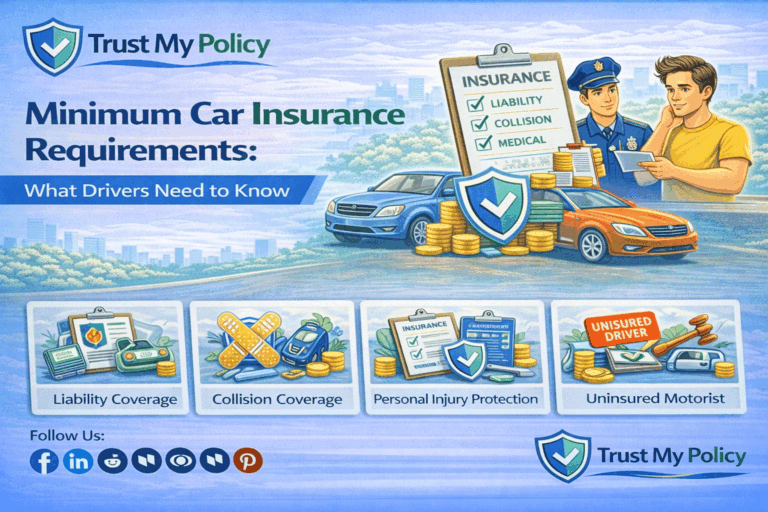
Liability Coverage
Liability coverage helps pay for damage or injuries caused to other people in an accident.
This may include:
-
Property damage
-
Medical expenses for injured individuals
Collision Coverage
Collision coverage helps pay for damage to the insured vehicle after a collision with another vehicle or object.
Comprehensive Coverage
Comprehensive coverage protects against non-collision incidents such as:
-
Theft
-
Fire
-
Natural disasters
-
Vandalism
Personal Injury Protection
This coverage may help pay medical expenses for the driver and passengers after an accident.
Uninsured Motorist Coverage
This coverage provides protection if an accident occurs with a driver who does not have sufficient insurance.
Deductible
A deductible is the amount the policyholder must pay before insurance coverage applies.
Example:
-
Vehicle repair cost: $2,000
-
Deductible: $500
-
Insurance payment: $1,500
Higher deductibles usually reduce premiums but increase out-of-pocket costs during claims.
Policy Limits
Policy limits define the maximum amount the insurer will pay for a covered claim.
Limits may apply to:
-
Property damage
-
Injury expenses
-
Total claim payouts
Choosing appropriate limits helps ensure adequate financial protection.
Exclusions
Exclusions describe events or situations that are not covered by the insurance policy.
Examples may include:
-
Intentional damage
-
Illegal driving activities
-
Damage during racing events
-
Driving without a valid license
Understanding exclusions helps avoid unexpected claim denials.
, benefits, and financial protection options available to policyholders. Many readers compare multiple guides before selecting a plan so they can clearly evaluate premiums, claim procedures, and long‑term advantages. A useful resource to explore is Why Insurance Premiums Increase, which explains how this insurance policy works, the key benefits it offers, and situations where it may be the most suitable option. By reviewing this guide, you can gain deeper insights into coverage features, eligibility requirements, and practical tips that help individuals and families make smarter insurance decisions.
Detailed Comparison of Car Insurance Policy Components
| Policy Feature | Purpose | Example | Impact |
|---|---|---|---|
| Premium | Cost of insurance coverage | $600 yearly premium | Determines affordability |
| Coverage Types | Protection categories | Liability, collision | Defines protection scope |
| Deductible | Shared cost in claims | $300 deductible | Affects claim payout |
| Policy Limits | Maximum payout | $100,000 liability | Determines protection level |
| Exclusions | Non-covered events | Racing damage | Defines restrictions |
| Policy Period | Coverage duration | 12-month policy | Determines policy validity |
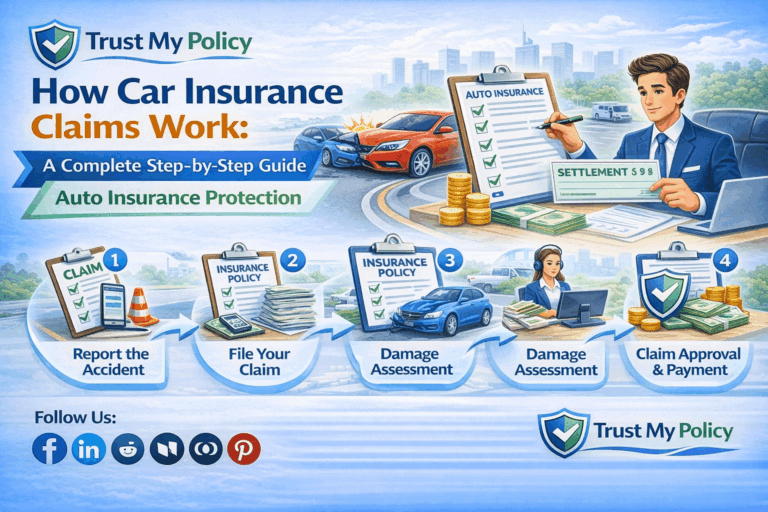
How a Car Insurance Policy Works
Understanding how a policy works in practice helps policyholders manage incidents effectively.
Step 1: Purchase the Policy
The driver selects coverage options and pays the premium.
Step 2: Coverage Period Begins
Once the policy is active, the vehicle is protected during the specified policy period.
Step 3: Incident Occurs
If an accident, theft, or damage occurs, the policyholder may file an insurance claim.
Step 4: Claim Review
The insurer evaluates the claim based on policy terms and coverage.
Step 5: Claim Settlement
If the claim meets policy conditions, the insurer may provide compensation or repair support.
, benefits, and financial protection options available to policyholders. Many readers compare multiple guides before selecting a plan so they can clearly evaluate premiums, claim procedures, and long‑term advantages. A useful resource to explore is Business Interruption Insurance, which explains how this insurance policy works, the key benefits it offers, and situations where it may be the most suitable option. By reviewing this guide, you can gain deeper insights into coverage features, eligibility requirements, and practical tips that help individuals and families make smarter insurance decisions.
Pros and Cons of Car Insurance Policies
Advantages
-
Provides financial protection against accidents
-
Helps cover vehicle repair costs
-
Protects drivers from liability expenses
-
Provides coverage for theft and natural disasters
-
Offers peace of mind while driving
Limitations
-
Premium costs may increase depending on risk factors
-
Some events may not be covered due to policy exclusions
-
Deductibles require out-of-pocket payments
-
Claim processing may take time
Understanding both advantages and limitations helps drivers evaluate policy options effectively.
Real-Life Examples of Car Insurance Policies
Example 1: Accident With Another Vehicle
A driver accidentally collides with another car.
Coverage involved:
-
Liability coverage pays for damage to the other vehicle
-
Collision coverage helps repair the insured vehicle
Example 2: Vehicle Theft
A vehicle is stolen from a parking area.
Coverage involved:
-
Comprehensive coverage may compensate the policyholder for the loss.
Example 3: Storm Damage
A severe storm damages a parked vehicle.
Coverage involved:
-
Comprehensive coverage helps cover repair costs.
Common Mistakes When Understanding Car Insurance Policies
Not Reading the Policy Document
Many drivers overlook policy details such as coverage limits and exclusions.
Choosing Coverage Based Only on Price
Lower premiums may come with limited protection.
Ignoring Deductible Requirements
High deductibles reduce premiums but increase claim costs.
Not Updating Policy Information
Changes such as new vehicles or relocation should be updated in the policy.
Assuming All Policies Are the Same
Insurance policies vary widely in coverage terms and limits.
, benefits, and financial protection options available to policyholders. Many readers compare multiple guides before selecting a plan so they can clearly evaluate premiums, claim procedures, and long‑term advantages. A useful resource to explore is Best Home Insurance in Florida, which explains how this insurance policy works, the key benefits it offers, and situations where it may be the most suitable option. By reviewing this guide, you can gain deeper insights into coverage features, eligibility requirements, and practical tips that help individuals and families make smarter insurance decisions.
Frequently Asked Questions (FAQs)
What is a car insurance policy?
A car insurance policy is a contract between a driver and an insurance company that provides financial protection for accidents, vehicle damage, or liability claims.
What does a car insurance policy cover?
Coverage may include liability protection, vehicle damage, theft, natural disasters, and medical expenses depending on the policy.
What is a deductible in car insurance?
A deductible is the amount the policyholder must pay before the insurer covers the remaining cost of a claim.
Why do car insurance premiums vary?
Premiums depend on factors such as driver age, driving history, vehicle type, and coverage level.
What are policy exclusions?
Exclusions are situations or events that the insurance policy does not cover.
How long does a car insurance policy last?
Many policies are valid for six months or one year, depending on the insurer and policy terms.
Conclusion
Understanding a car insurance policy explained clearly helps drivers make informed decisions about their vehicle protection. A car insurance policy outlines the agreement between the policyholder and the insurer, including coverage types, premiums, deductibles, policy limits, and exclusions.
Each component of the policy plays an important role in determining how financial protection works during accidents, theft, or damage. By reviewing policy terms carefully and understanding how coverage applies, drivers can ensure they have the appropriate level of protection for their needs.
A well-understood insurance policy allows policyholders to manage risks effectively and respond confidently when unexpected events occur.
, benefits, and financial protection options available to policyholders. Many readers compare multiple guides before selecting a plan so they can clearly evaluate premiums, claim procedures, and long‑term advantages. A useful resource to explore is Types of Insurance Explained, which explains how this insurance policy works, the key benefits it offers, and situations where it may be the most suitable option. By reviewing this guide, you can gain deeper insights into coverage features, eligibility requirements, and practical tips that help individuals and families make smarter insurance decisions.
Disclaimer
Disclaimer: This article is for educational purposes only. Trust My Policy is an independent informational platform and does not sell insurance products or represent any insurance provider. Readers should consult official policy documents or licensed professionals for personalized advice.