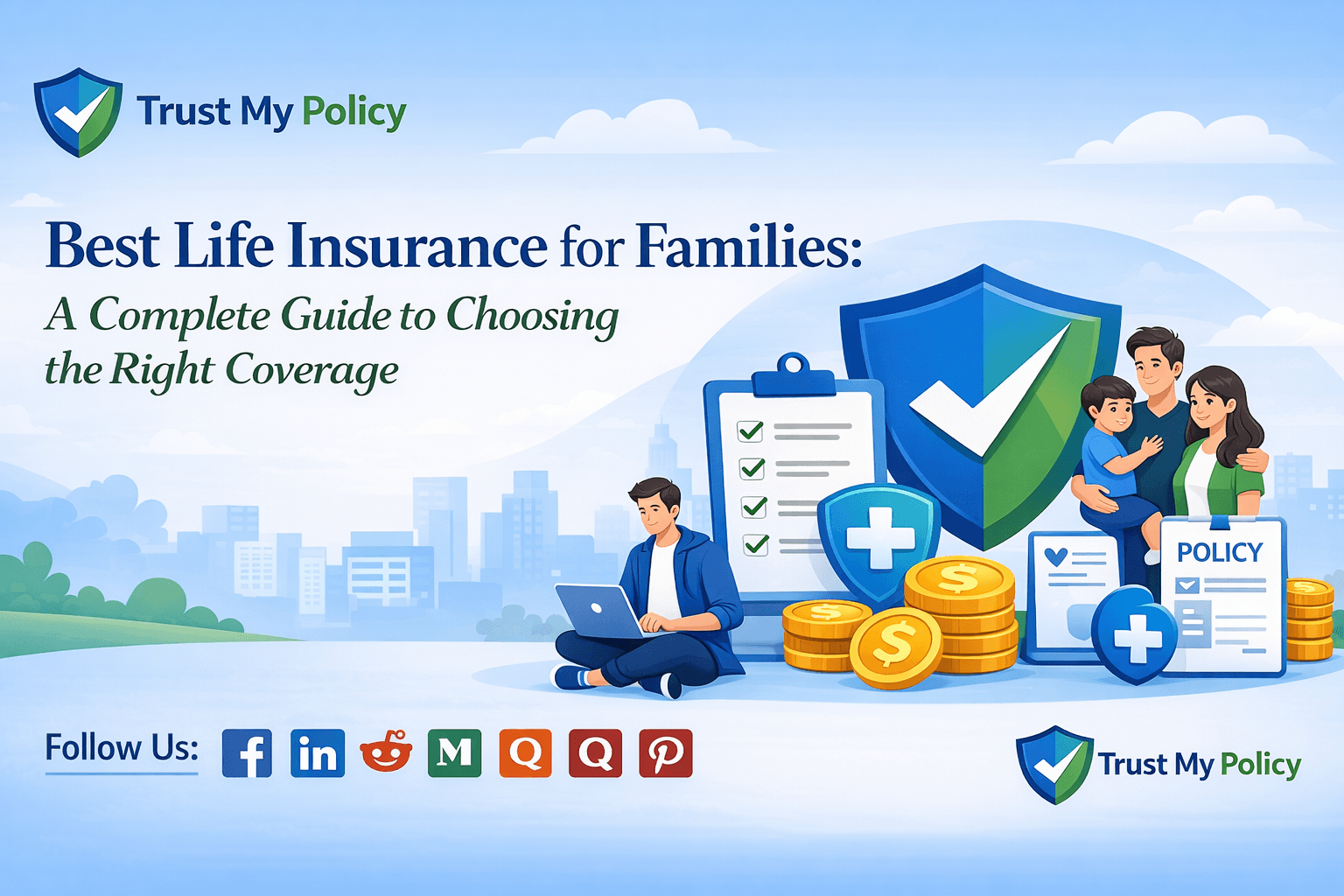
Best Life Insurance for Families: A Complete Guide to Choosing the Right Coverage
Life insurance plays an important role in protecting families from financial uncertainty. When a parent or primary income earner passes away unexpectedly, the loss of income can create serious challenges for dependents. Life insurance helps provide financial support so that families can continue managing daily expenses, housing costs, education, and other long-term needs.
Choosing the best life insurance for families requires understanding different policy types, coverage options, and financial goals. Every family has unique needs depending on factors such as income level, number of dependents, existing savings, and future responsibilities like college expenses or mortgage payments.
For families around the world, life insurance can serve as a financial safety net. It ensures that loved ones have access to funds that can replace lost income and maintain stability during difficult times. However, selecting the right policy can be confusing because many options are available.
This guide explains how life insurance works for families, the types of policies commonly used, and how to compare coverage options. It also provides examples, practical tips, and answers to common questions to help families make informed decisions about their financial protection.
Best Life Insurance Options for Families
| Policy Type | Coverage Duration | Premium Cost | Key Benefit | Suitable For |
|---|---|---|---|---|
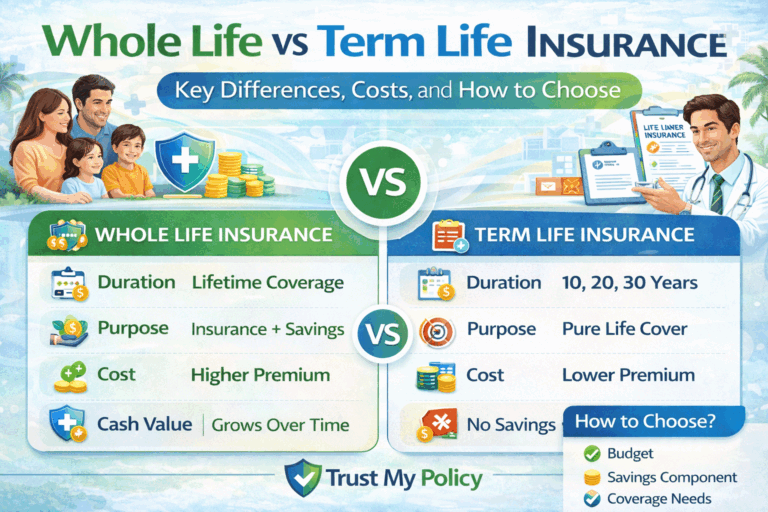
| Term Life Insurance | Fixed period (10–30 years) | Lower | Income replacement | Families with children or mortgages |
| Whole Life Insurance | Lifetime | Higher | Permanent protection with cash value | Long-term financial planning |
| Universal Life Insurance | Lifetime | Flexible | Adjustable premiums and coverage | Families wanting flexibility |
| Family Income Benefit Insurance | Fixed period | Moderate | Monthly payments to family | Income replacement needs |
| Group Life Insurance | While employed | Often lower | Basic coverage through employer | Working families |
, benefits, and financial protection options available to policyholders. Many readers compare multiple guides before selecting a plan so they can clearly evaluate premiums, claim procedures, and long‑term advantages. A useful resource to explore is How Home Insurance Works, which explains how this insurance policy works, the key benefits it offers, and situations where it may be the most suitable option. By reviewing this guide, you can gain deeper insights into coverage features, eligibility requirements, and practical tips that help individuals and families make smarter insurance decisions.
What Is Life Insurance for Families?
Life insurance for families refers to policies designed to provide financial support to dependents if a family member dies.
The primary goal is to help surviving family members maintain financial stability by replacing lost income and covering major expenses.
Key Financial Needs Covered by Family Life Insurance
Life insurance can help families manage:
-
Mortgage or housing payments
-
Daily living expenses
-
Children’s education costs
-
Outstanding debts
-
Funeral and end-of-life expenses
-
Long-term financial security
Without life insurance, families may struggle to cover these costs if the primary income earner is no longer present.
Types of Life Insurance Suitable for Families
Different types of life insurance policies can meet the needs of families. Understanding each option helps families choose the right coverage.
Term Life Insurance
Term life insurance provides coverage for a specific period, such as 10, 20, or 30 years.
Key Features
-
Lower premiums compared to permanent policies
-
Fixed coverage period
-
No cash value component
Many families choose term life insurance because it provides affordable protection during important years, such as when children are growing up or when a mortgage is being repaid.
Whole Life Insurance
Whole life insurance is a permanent policy that provides coverage for the insured person’s entire life.
Key Features
-
Lifetime protection
-
Fixed premiums
-
Accumulates cash value over time
The cash value component can grow gradually and may be used for certain financial needs depending on policy terms.
Universal Life Insurance
Universal life insurance is another form of permanent life insurance with flexible features.
Key Features
-
Adjustable premiums
-
Flexible death benefit
-
Cash value accumulation
Families sometimes choose universal life insurance when they want more flexibility in managing policy payments.
Family Income Benefit Insurance
Family income benefit insurance pays the benefit as regular monthly payments instead of a lump sum.
Key Features
-
Provides steady income to dependents
-
Coverage lasts for a defined period
-
Helps replace lost income
This structure can help families manage regular household expenses.
Group Life Insurance
Many employers provide group life insurance coverage to employees.
Key Features
-
Often included in workplace benefits
-
Limited coverage amount
-
Usually no medical exam required
While helpful, group life insurance may not provide enough protection for families on its own.
Detailed Comparison of Family Life Insurance Options
| Feature | Term Life Insurance | Whole Life Insurance | Universal Life Insurance | Family Income Benefit |
|---|---|---|---|---|
| Coverage Duration | Fixed term | Lifetime | Lifetime | Fixed term |
| Premium Cost | Lower | Higher | Moderate to high | Moderate |
| Cash Value | No | Yes | Yes | No |
| Payment Type | Lump sum | Lump sum | Lump sum | Monthly income |
| Flexibility | Limited | Low | High | Limited |
| Common Use | Income replacement | Long-term wealth planning | Flexible financial planning | Household income support |
, benefits, and financial protection options available to policyholders. Many readers compare multiple guides before selecting a plan so they can clearly evaluate premiums, claim procedures, and long‑term advantages. A useful resource to explore is How to Get Cheap Car Insurance, which explains how this insurance policy works, the key benefits it offers, and situations where it may be the most suitable option. By reviewing this guide, you can gain deeper insights into coverage features, eligibility requirements, and practical tips that help individuals and families make smarter insurance decisions.
How Families Choose the Right Life Insurance Coverage
Selecting the best life insurance for families requires evaluating several factors.
Number of Dependents
Families with young children may need higher coverage amounts because financial responsibilities will continue for many years.
Household Income
Life insurance should help replace income if the primary earner passes away.
A common guideline is coverage equal to several years of income, though individual needs vary.
Existing Debts
Outstanding financial obligations may include:
-
Mortgages
-
Personal loans
-
Education loans
-
Credit obligations
Life insurance can help pay off these debts so family members are not financially burdened.
Future Financial Goals
Families often plan for long-term expenses such as:
-
Children’s education
-
Retirement savings
-
Long-term care needs
Life insurance can help support these goals.
Pros and Cons of Life Insurance for Families
Pros
-
Provides financial security for dependents
-
Helps replace lost household income
-
Supports children’s education plans
-
Covers debts and final expenses
-
Offers peace of mind during uncertain situations
-
Some policies provide long-term savings benefits
Cons
-
Premium costs may increase with age
-
Some policies require medical underwriting
-
Permanent policies may be more expensive
-
Policy features can be complex to understand
Real-Life Examples of Family Life Insurance
Example 1: Family With Young Children
A couple with two young children purchases a 20-year term life insurance policy.
Purpose:
-
Replace income if a parent dies
-
Cover living expenses and education costs
The policy lasts until the children reach adulthood.
Example 2: Single Parent Household
A single parent chooses life insurance to ensure financial support for their child.
Coverage is designed to provide funds for:
-
Living expenses
-
Education
-
Childcare
The benefit helps secure the child’s future.
Example 3: Dual-Income Family
Both parents contribute income to the household.
They purchase life insurance policies on each other.
This strategy ensures that if one partner dies, the surviving partner can continue managing household expenses.
, benefits, and financial protection options available to policyholders. Many readers compare multiple guides before selecting a plan so they can clearly evaluate premiums, claim procedures, and long‑term advantages. A useful resource to explore is Insurance for Small Companies, which explains how this insurance policy works, the key benefits it offers, and situations where it may be the most suitable option. By reviewing this guide, you can gain deeper insights into coverage features, eligibility requirements, and practical tips that help individuals and families make smarter insurance decisions.
Common Mistakes Families Make With Life Insurance
Understanding these mistakes can help families make better decisions.
Choosing Too Little Coverage
Some families underestimate their financial needs.
Insufficient coverage may not fully support dependents.
Relying Only on Employer Coverage
Group life insurance through work may offer limited benefits.
Additional personal coverage may be necessary.
Waiting Too Long to Buy Insurance
Life insurance premiums typically increase with age.
Purchasing coverage earlier can result in lower premiums.
Not Updating Beneficiaries
Family situations change over time.
Beneficiaries should be updated after major life events such as marriage, divorce, or childbirth.
Ignoring Policy Details
Families should carefully review:
-
Coverage limits
-
Premium structure
-
Policy exclusions
-
Payment options
Understanding these details prevents misunderstandings later.
, benefits, and financial protection options available to policyholders. Many readers compare multiple guides before selecting a plan so they can clearly evaluate premiums, claim procedures, and long‑term advantages. A useful resource to explore is Insurance Options for Gig Workers, which explains how this insurance policy works, the key benefits it offers, and situations where it may be the most suitable option. By reviewing this guide, you can gain deeper insights into coverage features, eligibility requirements, and practical tips that help individuals and families make smarter insurance decisions.
Frequently Asked Questions (FAQs)
1. What is the best life insurance for families?
The best life insurance for families depends on financial needs, budget, and long-term goals. Term life insurance is commonly chosen because it provides affordable protection for important years.
2. How much life insurance coverage does a family need?
Coverage needs vary. Many families consider factors such as income replacement, debt repayment, and future expenses like education.
3. Should both parents have life insurance?
In many cases, both parents may benefit from life insurance coverage, especially if both contribute financially or provide essential household support.
4. Is employer-provided life insurance enough for families?
Employer coverage can be helpful but may not provide sufficient protection for long-term financial needs.
5. Can life insurance help pay for children’s education?
Yes. Life insurance benefits can be used by beneficiaries for any purpose, including education expenses.
6. What is the difference between term and permanent life insurance?
Term life insurance provides coverage for a specific period, while permanent life insurance offers lifetime protection and may include cash value.
7. When should families consider buying life insurance?
Many families consider life insurance when they experience major life events such as marriage, childbirth, or purchasing a home.
, benefits, and financial protection options available to policyholders. Many readers compare multiple guides before selecting a plan so they can clearly evaluate premiums, claim procedures, and long‑term advantages. A useful resource to explore is Insurance Coverage for Startups, which explains how this insurance policy works, the key benefits it offers, and situations where it may be the most suitable option. By reviewing this guide, you can gain deeper insights into coverage features, eligibility requirements, and practical tips that help individuals and families make smarter insurance decisions.
Conclusion
Life insurance is an important financial tool for protecting families from unexpected financial hardship. By providing funds to replace income, cover debts, and support long-term goals, life insurance helps ensure that loved ones remain financially secure even during difficult times.
Choosing the best life insurance for families depends on many factors, including the number of dependents, income level, financial responsibilities, and long-term goals. Policies such as term life insurance, whole life insurance, and family income benefit insurance each offer different advantages.
Understanding how these policies work allows families to make informed decisions about their financial protection. Careful planning and regular review of life insurance coverage can help ensure that families remain prepared for the future.
Disclaimer: This article is for educational purposes only. Trust My Policy is an independent informational platform and does not sell insurance products or represent any insurance provider. Readers should consult official policy documents or licensed professionals for personalized advice.