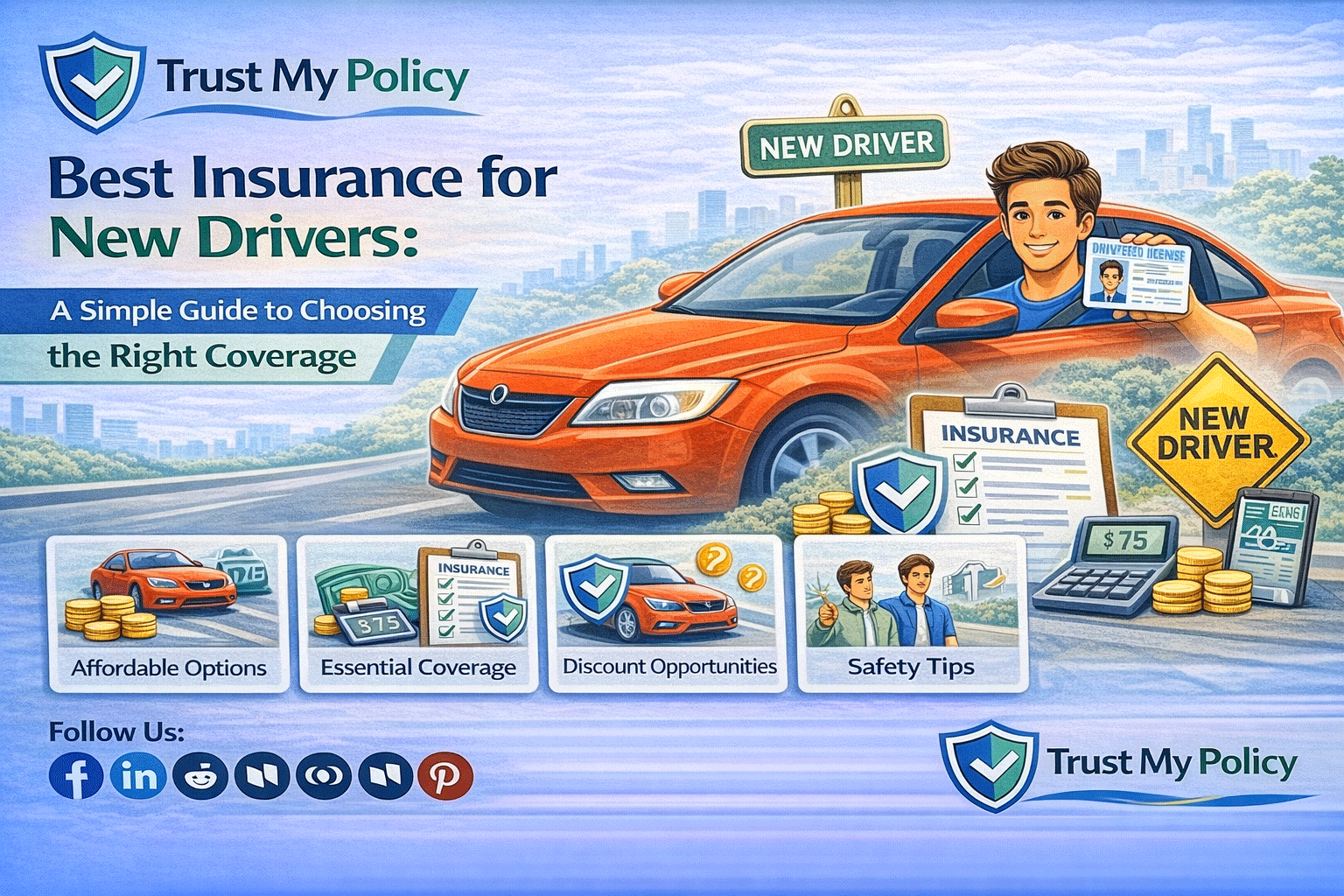
Best Insurance for New Drivers: A Simple Guide to Choosing the Right Coverage
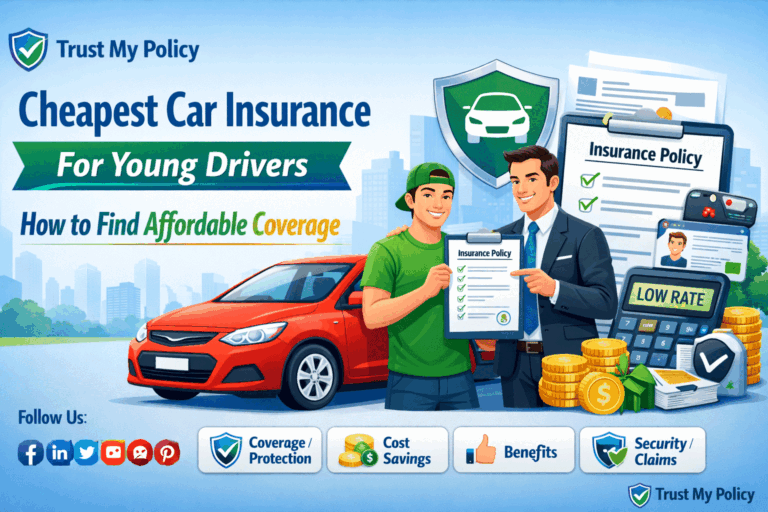
Getting a driver’s license is an exciting milestone, but it also comes with important responsibilities. One of the most important steps for new drivers is choosing the right car insurance. Because inexperienced drivers are statistically more likely to be involved in accidents, insurance policies for new drivers can sometimes be more expensive or include specific coverage considerations.
Understanding the best insurance for new drivers is not just about finding the lowest price. It is about choosing the right balance of protection, affordability, and coverage options that match a driver’s needs. Insurance policies help protect drivers from financial loss caused by accidents, vehicle damage, medical costs, or liability claims.
New drivers often face unique challenges when selecting insurance. They may have limited driving history, higher risk profiles, and less experience understanding insurance policies. Learning how different coverage types work can help them make better decisions and avoid common mistakes.
This guide explains the types of insurance coverage commonly recommended for new drivers, how policies work, factors that affect premiums, and what drivers should consider before selecting an insurance policy.
Best Insurance Coverage for New Drivers
| Coverage Type | What It Covers | Why It Is Important for New Drivers |
|---|---|---|
| Liability Insurance | Damage or injury caused to others | Often required by law |
| Collision Coverage | Damage to your vehicle after accidents | Helps cover repair costs |
| Comprehensive Coverage | Theft, fire, vandalism, natural disasters | Protects against unexpected events |
| Personal Injury Protection | Medical expenses for driver and passengers | Helps cover treatment costs |
| Uninsured Motorist Coverage | Accidents involving uninsured drivers | Provides financial protection |
| Higher Deductible Option | Reduces insurance premiums | Helps manage costs |
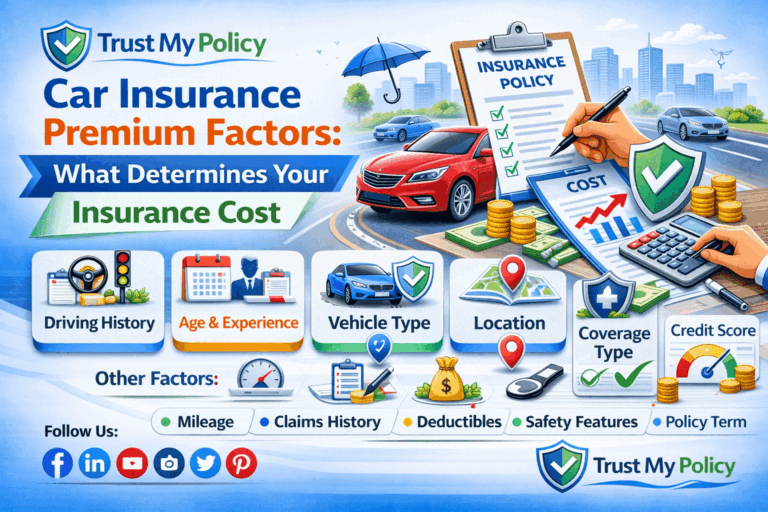
, benefits, and financial protection options available to policyholders. Many readers compare multiple guides before selecting a plan so they can clearly evaluate premiums, claim procedures, and long‑term advantages. A useful resource to explore is Car Insurance Premium Factors, which explains how this insurance policy works, the key benefits it offers, and situations where it may be the most suitable option. By reviewing this guide, you can gain deeper insights into coverage features, eligibility requirements, and practical tips that help individuals and families make smarter insurance decisions.
Understanding Insurance Needs for New Drivers
New drivers often face higher insurance costs because insurers consider them higher risk due to limited driving experience. However, choosing the right coverage can help manage these risks and provide financial protection.
A balanced insurance policy for new drivers usually includes:
-
Basic legal protection
-
Vehicle damage coverage
-
Medical expense protection
-
Financial protection against uninsured drivers
The goal is to ensure the driver is protected without paying for unnecessary coverage.
Liability Insurance
What Liability Coverage Means
Liability insurance covers damage or injuries caused to other people when the policyholder is responsible for an accident.
It usually includes:
-
Bodily injury coverage
-
Property damage coverage
This coverage helps pay for:
-
Medical expenses for injured individuals
-
Repair or replacement of damaged property
-
Legal expenses related to accident claims
Why Liability Insurance Is Important for New Drivers
In many countries, liability insurance is the minimum legal requirement to operate a vehicle.
For new drivers, this coverage protects against potentially large financial responsibilities if they accidentally cause damage or injury.
Collision Coverage
What Collision Insurance Covers
Collision insurance helps pay for repairs to the driver’s own vehicle after an accident involving:
-
Another car
-
A road barrier
-
A pole or object
-
A single-vehicle accident
This coverage is particularly useful for new drivers who may be more likely to experience minor accidents while gaining driving experience.
Deductibles and Collision Coverage
Collision policies usually include a deductible. This is the amount the driver must pay before the insurance company covers the remaining repair costs.
Example:
-
Repair cost: $2,500
-
Deductible: $500
Insurance may cover the remaining $2,000.
Comprehensive Coverage
What Comprehensive Insurance Covers
Comprehensive coverage protects against events that are not related to collisions.
Examples include:
-
Theft
-
Fire damage
-
Natural disasters
-
Vandalism
-
Falling objects
-
Animal-related accidents
For new drivers, this type of coverage provides additional protection for the vehicle.
, benefits, and financial protection options available to policyholders. Many readers compare multiple guides before selecting a plan so they can clearly evaluate premiums, claim procedures, and long‑term advantages. A useful resource to explore is How Insurance Companies Approve Claims, which explains how this insurance policy works, the key benefits it offers, and situations where it may be the most suitable option. By reviewing this guide, you can gain deeper insights into coverage features, eligibility requirements, and practical tips that help individuals and families make smarter insurance decisions.
Personal Injury Protection
What Personal Injury Protection Covers
Personal injury protection (PIP) helps cover medical costs after an accident.
Coverage may include:
-
Emergency medical care
-
Hospital treatment
-
Rehabilitation services
-
Lost wages due to injuries
This coverage protects both the driver and passengers in the vehicle.
Uninsured or Underinsured Motorist Coverage
Not every driver on the road has sufficient insurance coverage.
Uninsured motorist coverage protects drivers if they are involved in an accident with someone who does not have insurance.
Underinsured motorist coverage applies when the other driver’s insurance does not fully cover the damage or medical costs.
For new drivers, this coverage provides additional financial security.
Detailed Comparison of Coverage Types for New Drivers
| Coverage Type | Protection Provided | Example Situation |
|---|---|---|
| Liability Coverage | Covers damage to others | New driver causes minor accident |
| Collision Coverage | Covers driver’s own vehicle damage | Driver hits a parked car |
| Comprehensive Coverage | Protects against non-collision events | Vehicle stolen or damaged by storm |
| Personal Injury Protection | Covers medical expenses | Passengers injured during accident |
| Uninsured Motorist Coverage | Protects against uninsured drivers | Hit by driver without insurance |
Factors That Affect Insurance for New Drivers
Insurance companies evaluate several factors when pricing policies for new drivers.
Age
Younger drivers often face higher premiums because they have less driving experience.
Driving History
A clean driving record can help reduce insurance costs over time.
Vehicle Type
Cars with higher repair costs or powerful engines may have higher insurance premiums.
Location
Urban areas with heavy traffic may result in higher insurance costs compared to rural areas.
Annual Mileage
Drivers who use their cars less frequently may have lower risk and potentially lower premiums.
, benefits, and financial protection options available to policyholders. Many readers compare multiple guides before selecting a plan so they can clearly evaluate premiums, claim procedures, and long‑term advantages. A useful resource to explore is Mistakes When Buying Insurance, which explains how this insurance policy works, the key benefits it offers, and situations where it may be the most suitable option. By reviewing this guide, you can gain deeper insights into coverage features, eligibility requirements, and practical tips that help individuals and families make smarter insurance decisions.
Pros and Cons of Insurance Coverage for New Drivers
Advantages
-
Provides financial protection after accidents
-
Covers medical expenses and vehicle repairs
-
Helps drivers comply with legal insurance requirements
-
Protects against damage caused by other drivers
Limitations
-
Premiums for new drivers can be higher
-
Policies include deductibles and coverage limits
-
Some events may not be covered depending on policy terms
Understanding coverage details helps drivers select appropriate protection.
Real-Life Examples
Example 1: Minor Parking Accident
A new driver accidentally hits another vehicle while parking.
Liability insurance may help pay for repair costs to the other vehicle.
Example 2: Vehicle Theft
A new driver’s car is stolen from a public parking area.
Comprehensive insurance may help cover the loss depending on policy terms.
Example 3: Collision With Road Barrier
A driver loses control of the vehicle and hits a roadside barrier.
Collision coverage may help pay for repairs.
Common Mistakes New Drivers Make With Insurance
Many new drivers make mistakes when choosing or managing insurance coverage.
Choosing Only the Minimum Required Coverage
Minimum coverage may not provide enough protection in serious accidents.
Not Understanding Deductibles
Higher deductibles lower premiums but increase out-of-pocket costs during claims.
Ignoring Coverage Limits
Low coverage limits may not fully cover major accidents.
Not Reviewing Policy Details
Understanding policy exclusions and conditions helps prevent surprises during claims.
, benefits, and financial protection options available to policyholders. Many readers compare multiple guides before selecting a plan so they can clearly evaluate premiums, claim procedures, and long‑term advantages. A useful resource to explore is Car Insurance Deductible, which explains how this insurance policy works, the key benefits it offers, and situations where it may be the most suitable option. By reviewing this guide, you can gain deeper insights into coverage features, eligibility requirements, and practical tips that help individuals and families make smarter insurance decisions.
Frequently Asked Questions
What is the best type of insurance for new drivers?
Most new drivers benefit from a combination of liability, collision, and comprehensive coverage for balanced protection.
Why is insurance more expensive for new drivers?
Insurance companies consider new drivers higher risk due to limited driving experience.
Can new drivers reduce insurance costs?
Maintaining safe driving habits and choosing appropriate deductibles may help reduce premiums.
Do new drivers need comprehensive insurance?
Comprehensive coverage is optional in many places but may help protect against theft or natural disasters.
Is liability insurance enough for new drivers?
Liability insurance protects others but does not cover damage to the driver’s own vehicle.
What happens if a new driver causes an accident?
Liability insurance may cover damage or injury to others depending on policy limits.
Can insurance premiums decrease over time?
Yes. Premiums may decrease as drivers gain experience and maintain a safe driving record.
Conclusion
Choosing the best insurance for new drivers involves understanding different types of coverage and how they protect against financial risks. New drivers typically benefit from a balanced insurance policy that includes liability protection, collision coverage, and comprehensive protection.
While insurance premiums for new drivers may initially be higher due to limited experience, selecting appropriate coverage can provide essential financial security and peace of mind.
Learning how car insurance policies work helps new drivers make informed decisions, avoid common mistakes, and manage their insurance coverage effectively as they gain experience on the road.
By carefully reviewing policy terms, coverage limits, and deductibles, new drivers can choose insurance coverage that aligns with their needs and driving habits.
, benefits, and financial protection options available to policyholders. Many readers compare multiple guides before selecting a plan so they can clearly evaluate premiums, claim procedures, and long‑term advantages. A useful resource to explore is Short Term vs Long Term Insurance, which explains how this insurance policy works, the key benefits it offers, and situations where it may be the most suitable option. By reviewing this guide, you can gain deeper insights into coverage features, eligibility requirements, and practical tips that help individuals and families make smarter insurance decisions.
Disclaimer
Disclaimer: This article is for educational purposes only. Trust My Policy is an independent informational platform and does not sell insurance products or represent any insurance provider. Readers should consult official policy documents or licensed professionals for personalized advice.