Who Should Buy Insurance? A Complete Guide to Understanding Insurance Needs
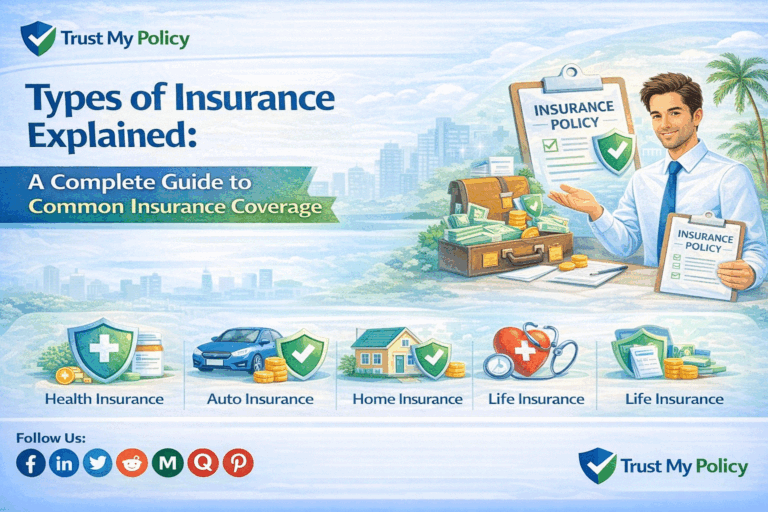
Insurance is an important part of financial planning for individuals, families, and businesses. It provides financial protection against unexpected events such as accidents, illness, property damage, or loss of income. While many people understand the concept of insurance, they may still wonder who should buy insurance and when it becomes necessary.
Unexpected financial risks can affect anyone regardless of age, profession, or location. A medical emergency, natural disaster, or accident can lead to large expenses that may impact savings and long-term financial goals. Insurance helps reduce this financial uncertainty by sharing risk among many policyholders.
Understanding who should buy insurance is important because different people face different financial risks. Students, working professionals, parents, homeowners, and business owners may all have different insurance needs based on their responsibilities and lifestyle.
This guide explains who should consider buying insurance, how insurance supports financial stability, and why it is relevant for people in different life situations. The article also includes practical examples, common misunderstandings, and frequently asked questions to help readers understand the role of insurance in protecting financial security.
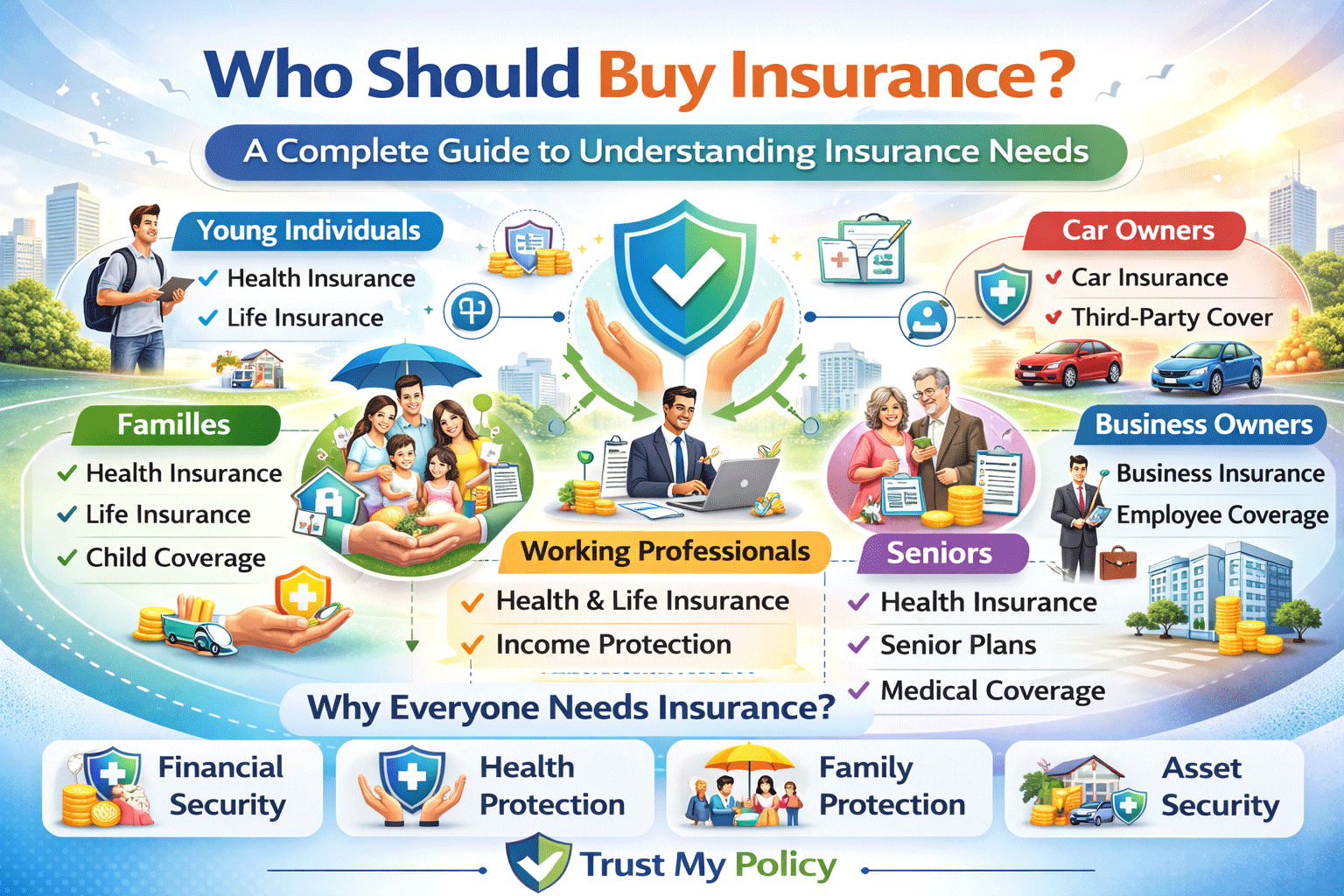
Who Should Buy Insurance
| Type of Individual | Why Insurance May Be Important |
|---|---|
| Working Professionals | Protect income and financial responsibilities |
| Families with Dependents | Provide financial protection for family members |
| Homeowners or Property Owners | Protect property from damage or loss |
| Vehicle Owners | Cover accident and liability risks |
| Business Owners | Protect business assets and operations |
| Travelers | Cover unexpected travel-related risks |
| Individuals with Savings | Protect accumulated wealth from large expenses |
Understanding the Purpose of Insurance
Insurance is designed to help people manage financial risks. Instead of paying large amounts of money after an unexpected event, individuals pay smaller regular premiums to an insurance provider.
If a covered event occurs, the insurer may help cover financial losses according to the policy terms.
Insurance works through risk sharing. Many people contribute premiums, and those funds are used to pay claims for policyholders who experience covered losses.
This system allows individuals to protect their financial stability and avoid sudden financial burdens.
Who Should Buy Insurance?
Insurance may be useful for many types of individuals depending on their financial situation, responsibilities, and risk exposure.
Working Professionals
People who earn regular income often have financial obligations such as rent, loans, or family expenses.
Insurance can help protect income and savings in situations such as:
-
Medical emergencies
-
Workplace injuries
-
Accidents affecting earning ability
Certain types of coverage may provide financial support during these situations.
Families with Dependents
Parents or individuals who financially support family members often consider insurance as part of long-term financial planning.
Insurance can help provide financial protection for dependents if unexpected events affect the primary income earner.
This protection may help families maintain financial stability during difficult situations.
Homeowners and Property Owners
People who own property face risks such as fire, natural disasters, or theft.
Property insurance can help protect the financial investment in homes or other real estate by covering certain repair or replacement costs depending on the policy.
Without insurance, property owners may need to cover large repair costs themselves.
Vehicle Owners
Drivers and vehicle owners face risks related to accidents, property damage, and liability claims.
Motor insurance can help cover:
-
Vehicle repairs
-
Third-party damages
-
Liability costs
In many countries, vehicle insurance is also legally required.
Business Owners
Businesses face multiple financial risks such as property damage, legal claims, or operational disruptions.
Business insurance may help cover risks related to:
-
Property damage
-
Liability claims
-
Employee injuries
-
Operational interruptions
This protection can help businesses continue operations after unexpected events.
Frequent Travelers
Travelers may face unexpected issues such as trip cancellations, lost baggage, or medical emergencies in foreign locations.
Travel insurance may help cover certain travel-related risks depending on policy terms.
Individuals with Savings or Assets
People who have built savings or financial assets often use insurance to protect their financial progress.
Large unexpected expenses could significantly affect accumulated savings without insurance protection.
Insurance helps reduce the financial impact of such events.
Detailed Comparison: Insurance Needs by Life Situation
| Life Situation | Main Financial Risks | Insurance Purpose |
|---|---|---|
| Young Professionals | Health risks, accidents | Protect income and savings |
| Parents with Dependents | Loss of income, family expenses | Provide financial security |
| Property Owners | Fire, storms, theft | Protect property investment |
| Vehicle Owners | Road accidents | Cover repairs and liability |
| Business Owners | Property damage, legal claims | Protect business operations |
| Travelers | Medical emergencies abroad | Reduce unexpected travel costs |
Pros and Cons of Buying Insurance
Understanding both advantages and limitations can help individuals decide whether insurance fits their financial strategy.
Advantages
-
Provides financial protection against unexpected events
-
Helps protect savings and investments
-
Reduces financial stress during emergencies
-
Supports long-term financial stability
-
Helps families maintain financial security
-
Encourages responsible financial planning
Limitations
-
Requires regular premium payments
-
Policies may include exclusions
-
Claims processes may take time
-
Coverage limits may apply
-
Not all risks may be covered
Understanding policy details helps individuals make informed decisions.
Real-Life Examples of Who Should Buy Insurance
Practical examples help illustrate why insurance may be important for different people.
Example 1: A Working Professional
A person working full-time experiences a medical emergency that requires hospitalization.
Health insurance may help cover treatment costs according to policy coverage.
Without insurance, the individual may need to use savings to pay medical bills.
Example 2: A Family with Children
A parent provides financial support for a family.
Insurance coverage may help ensure financial support for dependents in case of unexpected events affecting the primary income earner.
Example 3: A Homeowner
A homeowner experiences property damage due to a storm.
Property insurance may help cover repair costs depending on policy terms.
Without coverage, the homeowner must pay the repair expenses personally.
Example 4: A Small Business Owner
A business property experiences fire damage that interrupts operations.
Business insurance may help cover property repairs and operational losses depending on the policy.
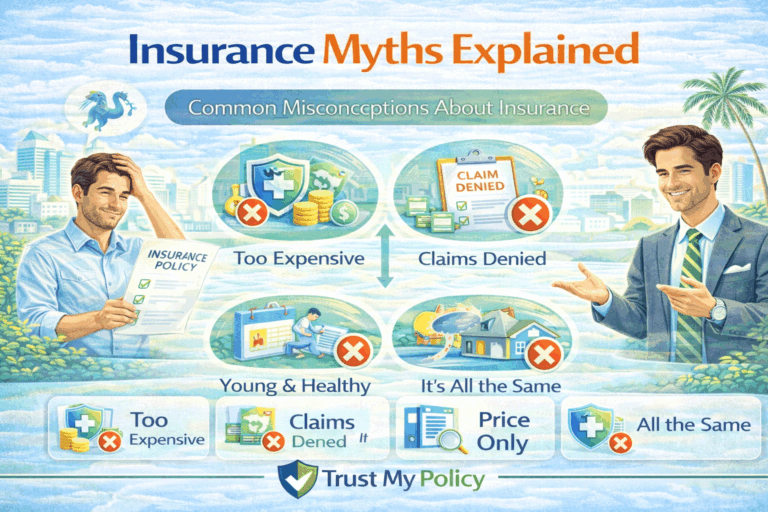
Common Mistakes When Deciding Who Should Buy Insurance
Some people misunderstand when insurance becomes important.
Thinking Insurance Is Only for Older People
Financial risks can affect individuals of all ages. Younger people may also face medical or accident risks.
Assuming Savings Alone Are Enough
Savings help with planned expenses, but large unexpected costs may exceed available savings.
Delaying Insurance Until Risks Increase
Some individuals wait until risks become obvious. However, earlier coverage may provide better protection.
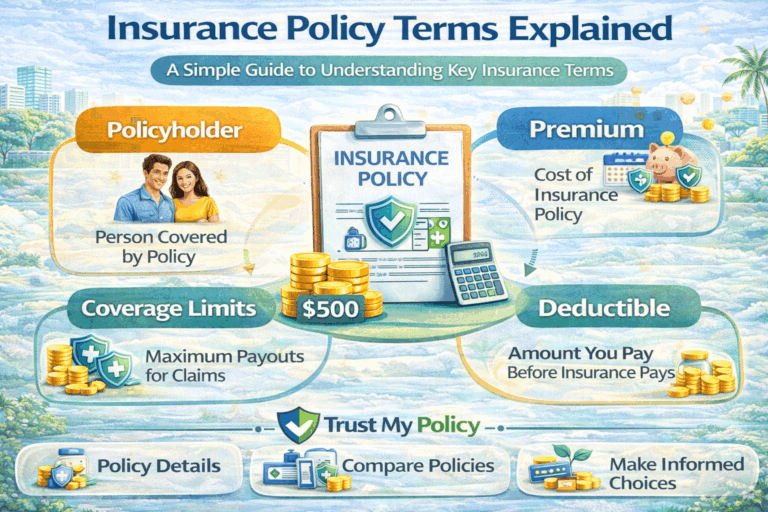
Not Understanding Policy Coverage
Insurance policies contain important details such as:
-
Coverage limits
-
Deductibles
-
Exclusions
Understanding these details helps avoid confusion later.
Frequently Asked Questions
Who should buy insurance?
Anyone who wants financial protection from unexpected risks may consider insurance, including working professionals, families, property owners, and business owners.
Is insurance necessary for young people?
Young individuals may also benefit from insurance because accidents, illnesses, or financial risks can occur at any age.
Do people without dependents need insurance?
Even individuals without dependents may benefit from insurance to protect savings and manage financial risks.
Why do homeowners need insurance?
Homeowners often use insurance to protect property investments from damage caused by disasters, theft, or accidents.
Is insurance important for business owners?
Business owners often use insurance to protect assets, employees, and operations from unexpected financial losses.
Can insurance help protect savings?
Yes. Insurance helps reduce large unexpected expenses that might otherwise reduce or eliminate personal savings.
Does everyone need the same type of insurance?
No. Insurance needs vary depending on personal circumstances, financial responsibilities, and risk exposure.
Conclusion
Insurance is a financial tool designed to help individuals manage risks and protect their financial stability. While not every type of insurance is necessary for everyone, many people benefit from insurance depending on their lifestyle, responsibilities, and financial situation.
Working professionals, families with dependents, property owners, business owners, and travelers often face financial risks that insurance can help manage. By sharing financial risks across many policyholders, insurance systems provide a structured way to reduce the financial impact of unexpected events.
Understanding who should buy insurance helps individuals make informed financial decisions and create stronger long-term financial plans. When used responsibly, insurance can support financial stability and help protect savings from sudden and significant expenses.
Disclaimer
Disclaimer: This article is for educational purposes only. Trust My Policy is an independent informational platform and does not sell insurance products or represent any insurance provider. Readers should consult official policy documents or licensed professionals for personalized advice.