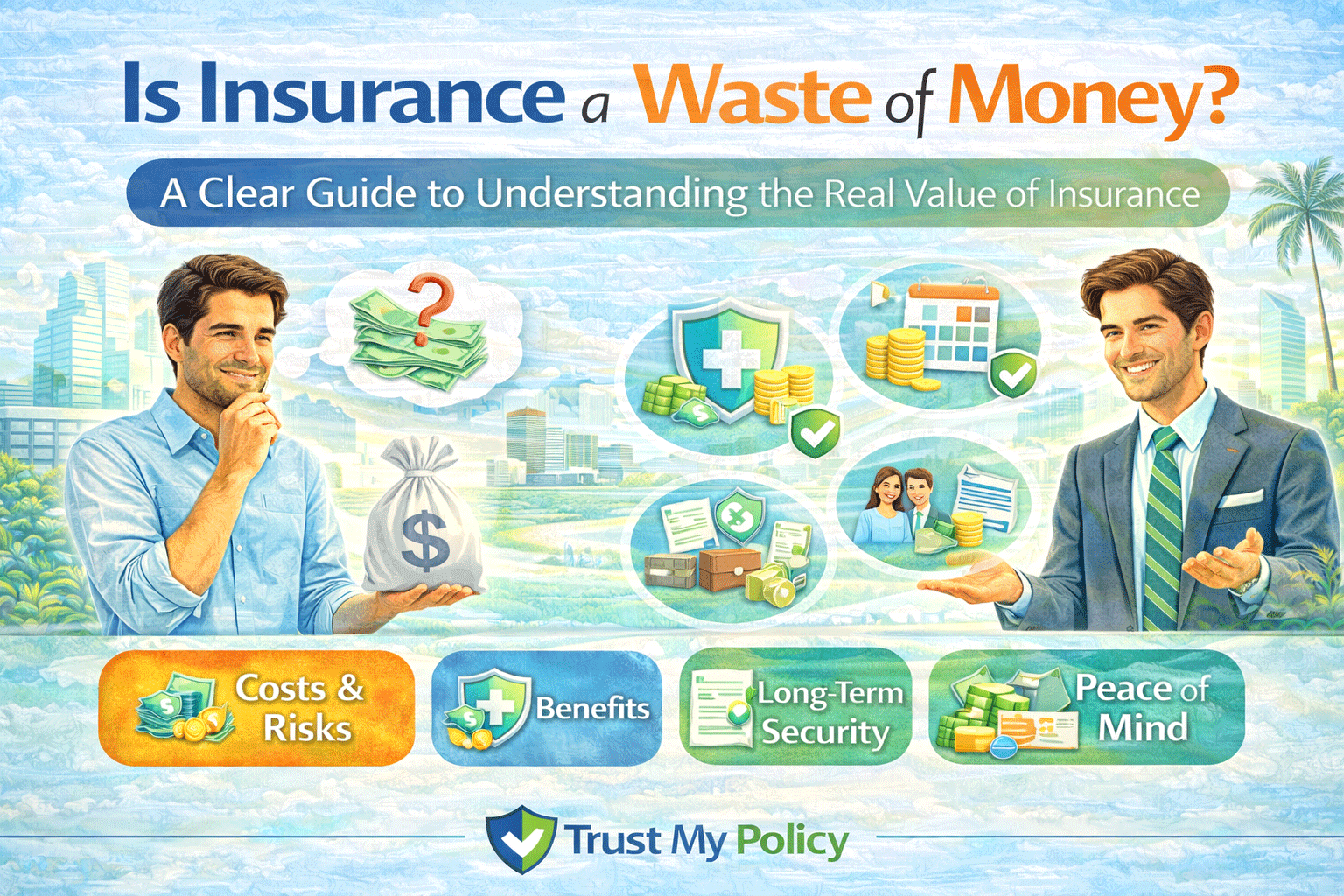
Is Insurance a Waste of Money? A Clear Guide to Understanding the Real Value of Insurance
At first glance, insurance may seem like an expense that provides no benefit if nothing bad happens. You pay premiums every month or year, but you may never file a claim. Because of this, some people feel that insurance companies always win while policyholders lose.
However, insurance is designed for a different purpose. It is not meant to be an investment that produces profits. Instead, insurance is a financial protection tool that helps individuals and families manage risk. Unexpected events such as accidents, illness, natural disasters, or property damage can create serious financial problems. Insurance helps reduce these risks.
Understanding the true value of insurance requires looking at both sides of the argument. Some situations make insurance extremely valuable, while in other cases it may seem unnecessary.
This guide explains how insurance works, when it provides value, and when it might feel like wasted money. By the end, readers will have a clearer understanding of how to evaluate insurance decisions.
Quick Summary: Is Insurance a Waste of Money?
| Factor | When Insurance Is Valuable | When It May Feel Like a Waste |
|---|---|---|
| Risk Level | High risk of loss or damage | Very low risk events |
| Financial Impact | Protects against major financial loss | Loss can be easily covered personally |
| Legal Requirement | Required by law (auto, liability) | Optional coverage |
| Peace of Mind | Reduces financial stress | Some people prefer self-saving |
| Claim Probability | Higher likelihood of needing coverage | Very unlikely events |
Key takeaway: Insurance is usually not a waste of money when it protects against large financial risks.
What Is Insurance?
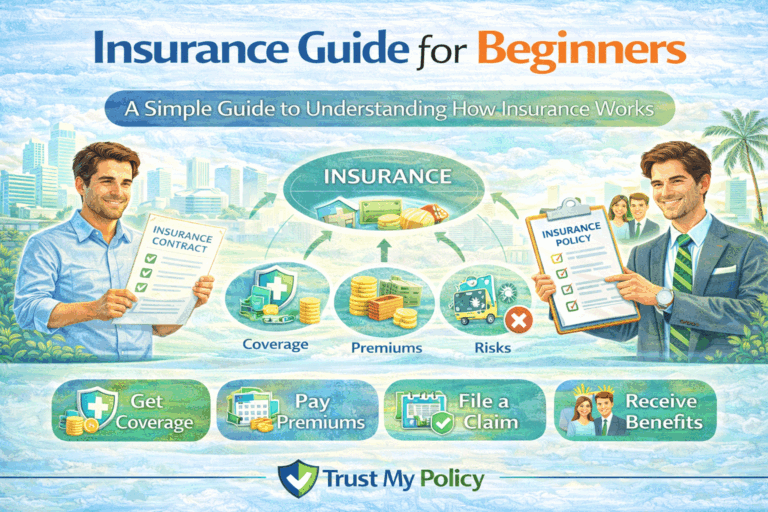
Insurance is a financial agreement between a policyholder and an insurance provider. In this agreement:
-
The policyholder pays a premium
-
The insurer promises to cover certain losses
Insurance works on a principle called risk pooling. Many people pay premiums into a shared fund. When someone experiences a covered loss, money from that fund is used to pay claims.
Common types of insurance include:
-
Health insurance
-
Life insurance
-
Car insurance
-
Property insurance
-
Travel insurance
-
Business insurance
The goal of insurance is financial protection, not profit.
Why Some People Believe Insurance Is a Waste of Money
Some individuals feel insurance is unnecessary because they rarely use it. This belief usually comes from a few common experiences.
Paying Premiums Without Claims
Many policyholders pay premiums for years without filing a claim. This can make insurance feel like wasted money.
Low Probability Events
Certain events, such as natural disasters or serious accidents, may be rare. When people do not experience them, insurance may seem unnecessary.
Misunderstanding Insurance Purpose
Insurance is often misunderstood as an investment rather than a risk management tool.
High Deductibles
Some policies require policyholders to pay a deductible before coverage begins. If the deductible is high, small claims may not be worth filing.
Why Insurance Is Often Valuable
Although some people question its value, insurance can be extremely important in many situations.
Protection Against Large Financial Loss
Unexpected events can cause severe financial damage. For example:
-
Major medical treatment
-
Property damage
-
Liability lawsuits
-
Business interruptions
Insurance helps prevent these costs from becoming overwhelming.
Legal Requirements
Some forms of insurance are required by law in many countries. Examples include:
-
Vehicle insurance
-
Employer liability coverage
-
Workers compensation coverage
Without insurance, individuals or businesses may face legal penalties.
Financial Stability
Insurance provides financial stability by helping individuals recover after unexpected events.
Peace of Mind
Knowing that protection exists for emergencies can reduce financial stress.
Detailed Comparison: Insurance Value vs Perceived Waste
| Feature | Insurance Value | Perceived Waste |
|---|---|---|
| Purpose | Risk protection | Viewed as unused expense |
| Payment Structure | Regular premiums | Continuous cost |
| Financial Impact | Prevents large losses | Small premiums accumulate |
| Risk Management | Spreads risk across many people | Some individuals never claim |
| Benefit Timing | Only during unexpected events | Not visible during normal times |
This comparison shows that insurance value often depends on risk exposure and financial vulnerability.
Types of Insurance and Their Value
Different types of insurance offer different levels of importance.
Health Insurance
Health insurance helps cover medical costs such as:
-
Hospital stays
-
Surgery
-
Emergency care
-
Prescription medications
Medical expenses can be extremely high, making health insurance one of the most valuable forms of protection.
Life Insurance
Life insurance provides financial support to beneficiaries after the policyholder’s death.
It helps families cover expenses such as:
-
Mortgage payments
-
Education costs
-
Living expenses
For families who rely on one income provider, life insurance can be very important.
Property Insurance
Property insurance protects physical assets like homes and buildings.
It typically covers:
-
Fire damage
-
Theft
-
Storm damage
-
Structural repairs
Property insurance can prevent major financial loss after disasters.
Auto Insurance
Auto insurance protects drivers against financial losses caused by accidents.
Coverage may include:
-
Vehicle damage
-
Medical costs
-
Liability claims
In many countries, auto insurance is legally required.
Pros and Cons of Insurance
Advantages of Insurance
-
Protects against major financial loss
-
Provides financial security
-
Helps individuals recover from disasters
-
Often required by law
-
Offers peace of mind
Disadvantages of Insurance
-
Regular premium payments
-
Some claims may be denied
-
Deductibles may apply
-
Policies may have exclusions
-
Benefits may not be used frequently
Understanding these pros and cons helps individuals decide whether insurance fits their financial situation.
Real-Life Examples
Example 1: Medical Emergency
A person without health insurance faces a sudden hospital emergency costing $50,000. Without insurance, the individual must pay the entire amount personally.
With insurance, most of the cost may be covered, significantly reducing financial stress.
Example 2: Car Accident
A driver causes an accident that damages another vehicle and causes injuries.
Without insurance, the driver may be responsible for thousands of dollars in repairs and medical costs.
Insurance can cover these expenses depending on the policy.
Example 3: Home Fire Damage
A house fire destroys part of a home.
Without property insurance, the homeowner must pay for repairs. Insurance coverage can help cover rebuilding costs.
Common Misunderstandings About Insurance
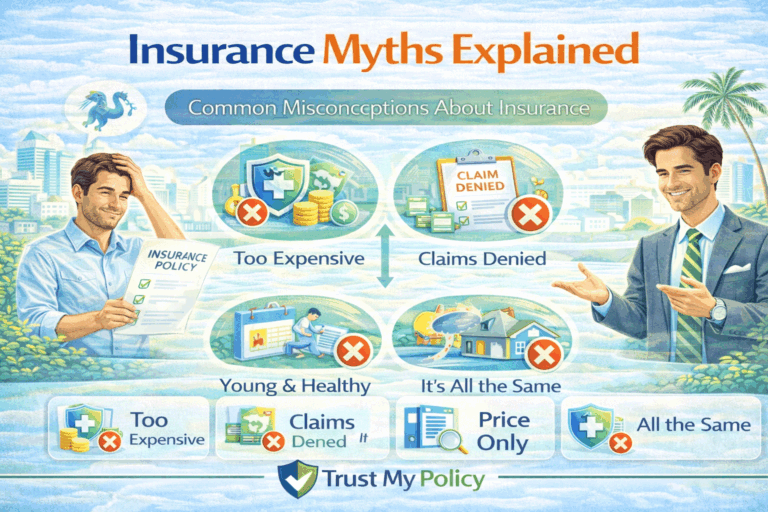
Insurance Is an Investment
Insurance is not designed to generate profit. Its purpose is financial protection.
If You Never Claim, It Is a Waste
Not filing a claim means the protected event did not occur. The protection itself still had value.
All Policies Cover Everything
Insurance policies usually contain exclusions and limitations. Understanding policy details is important.
Cheapest Insurance Is Always Best
Lower premiums may come with reduced coverage or higher deductibles.
Frequently Asked Questions
Is insurance always necessary?
Not always. The need for insurance depends on risk exposure, legal requirements, and financial capacity to handle potential losses.
Why do people buy insurance even if they may never use it?
People buy insurance to protect against large financial losses that would be difficult to pay out of pocket.
Can insurance companies refuse claims?
Yes. Claims may be denied if they are not covered under the policy terms or if required conditions are not met.
Is self-insurance a better option?
Some individuals prefer to save money to cover potential losses themselves. This approach may work for small risks but can be difficult for major financial events.
What makes insurance worth the cost?
Insurance becomes valuable when it protects against high-cost risks that could cause serious financial damage.
Are all types of insurance equally important?
No. Some forms of insurance, such as health or liability coverage, may be more critical than others depending on personal circumstances.
How can people decide if insurance is worth it?
People can evaluate:
-
Risk probability
-
Potential financial loss
-
Personal savings
-
Legal requirements
These factors help determine whether insurance provides value.
Conclusion
Insurance can sometimes feel like an unnecessary expense, especially when policyholders pay premiums without ever filing a claim. This perception leads many people to question whether insurance is a waste of money.
However, insurance is designed to protect against unexpected and potentially devastating financial events. The real value of insurance appears when accidents, illnesses, or disasters occur. In those moments, coverage can prevent serious financial hardship.
The decision to purchase insurance should depend on personal risk tolerance, financial situation, and legal requirements. When used correctly, insurance serves as a financial safety net rather than a wasted expense.
Understanding how insurance works allows individuals to make informed decisions that balance cost, risk, and long-term financial security.
Disclaimer
Disclaimer: This article is for educational purposes only. Trust My Policy is an independent informational platform and does not sell insurance products or represent any insurance provider. Readers should consult official policy documents or licensed professionals for personalized advice.