Insurance Policy Terms Explained: A Simple Guide to Understanding Key Insurance Terms
Insurance policies can appear complex because they contain many technical words and legal-style explanations. These terms define how coverage works, what risks are protected, and how claims are handled. For many people, understanding insurance policy documents can be challenging, especially when unfamiliar terms are used.
Learning common insurance policy terms helps individuals better understand their coverage and make informed financial decisions. When policyholders know what terms like premium, deductible, coverage limit, and exclusion mean, they can better evaluate insurance options and avoid misunderstandings later.
Insurance contracts are designed to clearly define the responsibilities of both the policyholder and the insurer. Each term plays a role in explaining what is covered, what is not covered, and how payments are handled during claims.
This guide explains insurance policy terms in simple language, helping readers understand the most common terms used in insurance documents. It also includes examples, comparison tables, and practical explanations to make these concepts easier to understand.
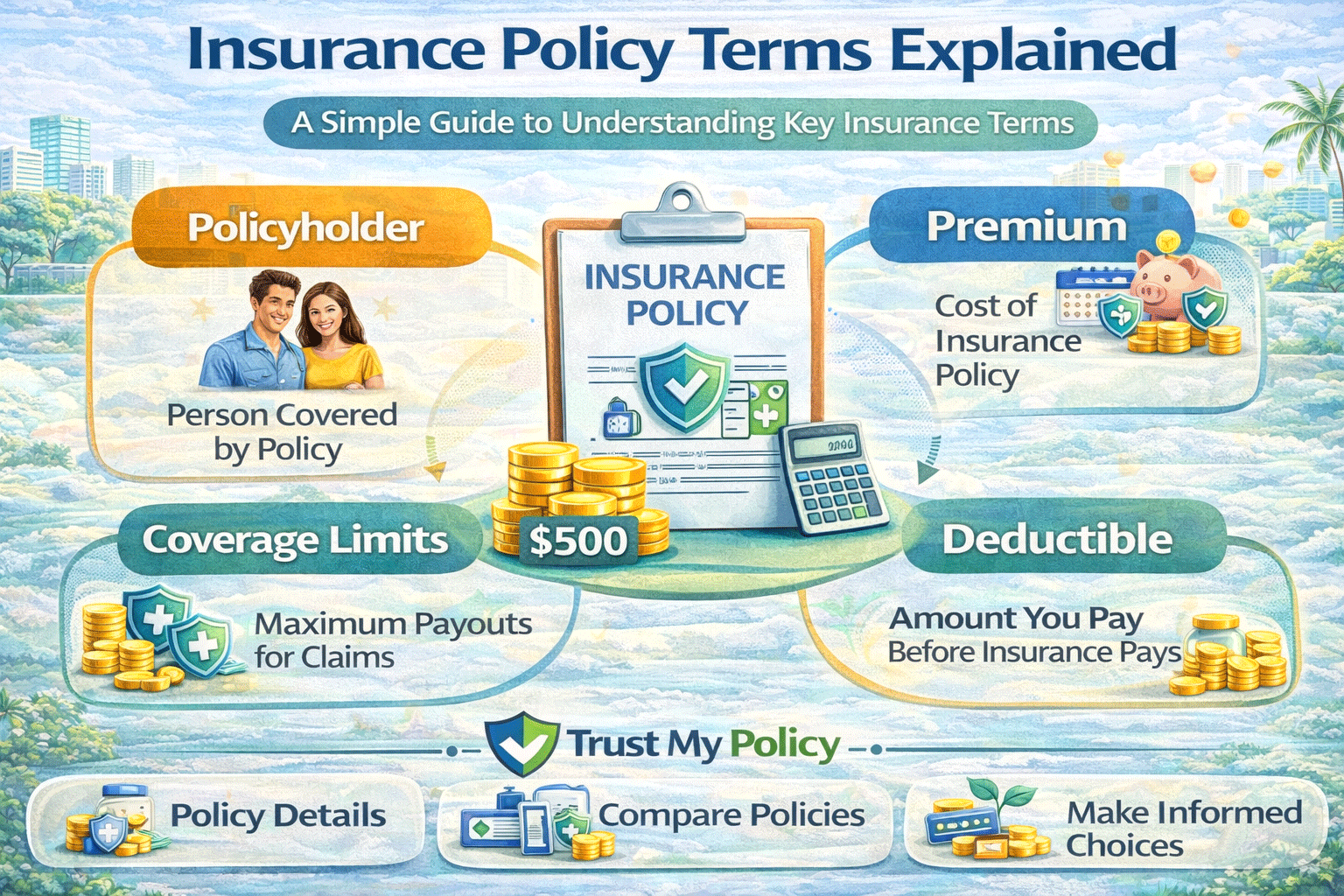
Common Insurance Policy Terms
| Insurance Term | Simple Explanation |
|---|---|
| Premium | The amount paid regularly to maintain insurance coverage |
| Deductible | The amount the policyholder pays before insurance covers costs |
| Coverage Limit | The maximum amount an insurer will pay for a claim |
| Claim | A request made to the insurer for payment after a loss |
| Policyholder | The person who owns the insurance policy |
| Exclusion | Situations or risks that the policy does not cover |
| Beneficiary | The person who receives benefits from certain policies |
, benefits, and financial protection options available to policyholders. Many readers compare multiple guides before selecting a plan so they can clearly evaluate premiums, claim procedures, and long‑term advantages. A useful resource to explore is Car Insurance Premium Factors, which explains how this insurance policy works, the key benefits it offers, and situations where it may be the most suitable option. By reviewing this guide, you can gain deeper insights into coverage features, eligibility requirements, and practical tips that help individuals and families make smarter insurance decisions.
Understanding Insurance Policy Terms
Insurance policies contain several important terms that help explain how coverage works. Understanding these terms can make policy documents easier to read and compare.
Premium
What Is a Premium?
A premium is the amount a policyholder pays to keep an insurance policy active. Premiums may be paid monthly, quarterly, or annually depending on the agreement.
The cost of a premium depends on several factors such as:
-
Type of insurance
-
Level of coverage
-
Risk factors
-
Location
-
Age or personal details (depending on the policy)
If premiums are not paid on time, coverage may lapse according to the policy conditions.
Deductible
What Is a Deductible?
A deductible is the amount the policyholder must pay out of pocket before the insurance company pays the remaining costs of a claim.
For example:
-
If a policy has a deductible of $500
-
And the repair cost is $2,000
The policyholder pays $500, and the insurer may cover the remaining $1,500 depending on policy terms.
Deductibles are common in many types of insurance such as:
-
Health insurance
-
Car insurance
-
Property insurance
Higher deductibles often lead to lower premiums, while lower deductibles may increase premium costs.
, benefits, and financial protection options available to policyholders. Many readers compare multiple guides before selecting a plan so they can clearly evaluate premiums, claim procedures, and long‑term advantages. A useful resource to explore is Best Home Insurance in Florida, which explains how this insurance policy works, the key benefits it offers, and situations where it may be the most suitable option. By reviewing this guide, you can gain deeper insights into coverage features, eligibility requirements, and practical tips that help individuals and families make smarter insurance decisions.
Coverage Limit
What Is a Coverage Limit?
A coverage limit is the maximum amount an insurance provider will pay for a claim or over a certain time period.
Coverage limits help define the financial boundaries of the insurance policy.
For example:
-
A health insurance plan may cover up to a certain amount for treatment.
-
A property policy may have limits for structural damage or personal belongings.
Understanding coverage limits helps policyholders know how much financial protection their policy provides.
Claim
What Is an Insurance Claim?
A claim is a request made by the policyholder to the insurance company asking for financial compensation after a covered loss or event.
Claims may occur after situations such as:
-
Accidents
-
Property damage
-
Medical treatment
-
Theft
-
Natural disasters
The insurer reviews the claim and decides whether the event is covered according to the policy terms.
Policyholder
Who Is the Policyholder?
The policyholder is the person or entity that owns the insurance policy.
Responsibilities of the policyholder typically include:
-
Paying premiums
-
Providing accurate information
-
Following policy conditions
-
Reporting claims when necessary
The policyholder may also decide who receives benefits in certain policies.
Exclusion
What Is an Exclusion?
An exclusion refers to a specific situation, condition, or event that is not covered by the insurance policy.
Insurance policies include exclusions to clearly define the limits of coverage.
Examples may include:
-
Certain natural disasters
-
Intentional damage
-
Specific medical treatments
-
High-risk activities
Reading exclusions carefully helps avoid misunderstandings during claims.
, benefits, and financial protection options available to policyholders. Many readers compare multiple guides before selecting a plan so they can clearly evaluate premiums, claim procedures, and long‑term advantages. A useful resource to explore is Small Business Insurance Explained, which explains how this insurance policy works, the key benefits it offers, and situations where it may be the most suitable option. By reviewing this guide, you can gain deeper insights into coverage features, eligibility requirements, and practical tips that help individuals and families make smarter insurance decisions.
Beneficiary
What Is a Beneficiary?
A beneficiary is a person or organization designated to receive benefits from certain types of insurance policies.
Beneficiaries are commonly used in:
-
Life insurance policies
-
Retirement-related policies
-
Certain financial protection plans
The policyholder usually selects beneficiaries when setting up the policy.
Detailed Comparison of Key Insurance Terms
| Term | What It Means | Role in Insurance Policy |
|---|---|---|
| Premium | Regular payment for coverage | Keeps policy active |
| Deductible | Amount paid before insurance applies | Reduces small claims |
| Coverage Limit | Maximum payout from insurer | Defines financial protection |
| Claim | Request for compensation | Activates insurance benefits |
| Policyholder | Owner of the policy | Responsible for payments and policy terms |
| Exclusion | Situations not covered | Limits insurer responsibility |
| Beneficiary | Person receiving benefits | Receives payout in certain policies |
Pros and Cons of Understanding Insurance Terms
Understanding insurance terminology offers several benefits but also requires time and attention.
Advantages
-
Helps policyholders understand their coverage
-
Reduces confusion during claims
-
Allows better comparison of policies
-
Supports informed financial decisions
-
Improves awareness of policy limitations
Limitations
-
Insurance documents may still contain complex language
-
Policies may vary between insurers
-
Some terms may have different meanings depending on the policy type
However, learning the basic terms can significantly improve understanding of insurance policies.
, benefits, and financial protection options available to policyholders. Many readers compare multiple guides before selecting a plan so they can clearly evaluate premiums, claim procedures, and long‑term advantages. A useful resource to explore is Is Insurance a Waste of Money, which explains how this insurance policy works, the key benefits it offers, and situations where it may be the most suitable option. By reviewing this guide, you can gain deeper insights into coverage features, eligibility requirements, and practical tips that help individuals and families make smarter insurance decisions.
Real-Life Use Cases
Understanding insurance terms can help in real situations.
Example 1: Filing a Claim
A homeowner experiences property damage during a storm.
Understanding terms such as claim, deductible, and coverage limit helps the homeowner know how much the insurer may pay.
Example 2: Choosing a Policy
A person comparing insurance policies may notice differences in:
-
Premium costs
-
Deductibles
-
Coverage limits
Understanding these terms allows better comparison of options.
Example 3: Understanding Policy Exclusions
A driver discovers that certain types of damage are not covered due to policy exclusions.
Knowing what exclusions mean helps avoid confusion during the claims process.
Common Mistakes When Reading Insurance Policy Terms
Many people misunderstand insurance terms when reviewing policies.
Ignoring Policy Details
Some individuals focus only on premium cost and ignore other important terms.
Not Understanding Deductibles
Policyholders sometimes assume insurance covers all expenses without realizing deductibles apply.
Overlooking Exclusions
Exclusions can significantly affect coverage. Not reading them carefully may lead to unexpected claim outcomes.
Assuming All Policies Use Identical Terms
Insurance terms may vary depending on policy type and provider.
Frequently Asked Questions
What are insurance policy terms?
Insurance policy terms are specific words and definitions used in insurance contracts to explain how coverage works.
Why is it important to understand insurance terms?
Understanding insurance terms helps policyholders know what is covered, what is excluded, and how claims are processed.
What is the difference between premium and deductible?
A premium is the payment made to maintain coverage, while a deductible is the amount paid by the policyholder before insurance begins covering costs.
What happens if a claim exceeds the coverage limit?
If a claim exceeds the coverage limit, the policyholder may need to pay the remaining amount.
What does an exclusion mean in insurance?
An exclusion refers to events or conditions that are not covered by the policy.
Who receives insurance benefits in certain policies?
In policies like life insurance, a designated beneficiary receives the benefit payment.
Are insurance terms the same worldwide?
Basic insurance terms are generally similar worldwide, but policy details may vary depending on regulations and insurers.
, benefits, and financial protection options available to policyholders. Many readers compare multiple guides before selecting a plan so they can clearly evaluate premiums, claim procedures, and long‑term advantages. A useful resource to explore is Home Insurance Coverage Types, which explains how this insurance policy works, the key benefits it offers, and situations where it may be the most suitable option. By reviewing this guide, you can gain deeper insights into coverage features, eligibility requirements, and practical tips that help individuals and families make smarter insurance decisions.
Conclusion
Understanding insurance policy terms is essential for anyone purchasing or maintaining insurance coverage. These terms explain how policies work, what risks are covered, and how claims are handled.
Key terms such as premium, deductible, coverage limit, claim, policyholder, exclusion, and beneficiary define the structure of an insurance policy and the responsibilities of both the insurer and the policyholder.
Learning these terms helps individuals read policy documents more confidently, compare insurance options more effectively, and avoid misunderstandings during the claims process.
While insurance documents can sometimes seem complex, understanding the most common terms provides a strong foundation for making informed decisions about financial protection and risk management.
Disclaimer
Disclaimer: This article is for educational purposes only. Trust My Policy is an independent informational platform and does not sell insurance products or represent any insurance provider. Readers should consult official policy documents or licensed professionals for personalized advice.