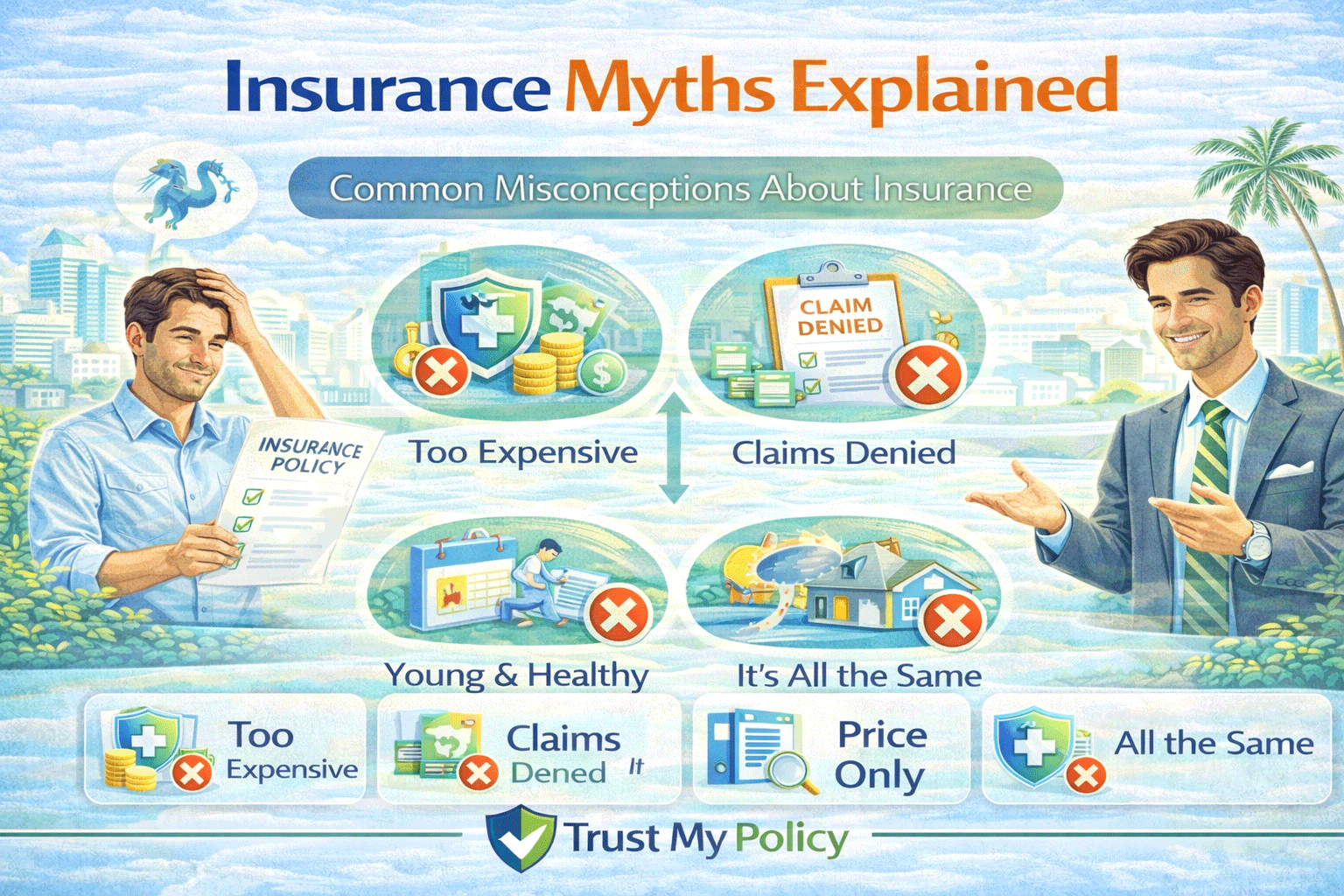
Insurance plays an important role in protecting individuals, families, and businesses from financial loss. However, many people misunderstand how insurance works. These misunderstandings often lead to confusion when choosing policies, filing claims, or evaluating coverage options. Because insurance policies include technical terms and detailed conditions, misinformation can spread easily.
Many people rely on advice from friends, social media discussions, or outdated information when learning about insurance. As a result, common insurance myths continue to circulate around the world. Some individuals believe insurance is unnecessary if they are healthy or careful, while others assume that insurance policies cover every possible situation. These misconceptions can lead to poor financial decisions or inadequate protection.
Understanding insurance myths explained in simple terms helps people separate facts from misunderstandings. Insurance policies are designed to manage risk and provide financial protection, but they work best when people clearly understand how coverage operates.
This guide explains common insurance myths, why these misconceptions exist, and what the reality is behind them. By learning the facts, readers can make more informed decisions about insurance and better understand how insurance protection works in everyday life.
Insurance Myths vs Reality
| Insurance Myth | Reality | Why It Matters |
|---|---|---|
| Insurance covers everything | Policies include exclusions and limits | Understanding coverage prevents claim surprises |
| Young or healthy people do not need insurance | Risks can occur at any age | Early coverage helps manage future risk |
| Cheapest policy is always best | Low-cost policies may have limited coverage | Coverage quality is important |
| Insurance claims are always rejected | Valid claims are processed based on policy terms | Knowing policy conditions helps |
| Insurance is only for emergencies | Insurance also protects long-term financial stability | Provides ongoing risk protection |
| Policies never need updates | Insurance needs may change over time | Regular review improves protection |
This quick comparison highlights some of the most common misunderstandings about insurance.
Choosing the right insurance coverage requires understanding different policy types, benefits, and financial protection options available to policyholders. Many readers compare multiple guides before selecting a plan so they can clearly evaluate premiums, claim procedures, and long‑term advantages. A useful resource to explore is Insurance Grace Period, which explains how this insurance policy works, the key benefits it offers, and situations where it may be the most suitable option. By reviewing this guide, you can gain deeper insights into coverage features, eligibility requirements, and practical tips that help individuals and families make smarter insurance decisions.
What Are Insurance Myths?
Insurance myths are incorrect beliefs or misunderstandings about how insurance policies work.
These myths may develop because:
-
Insurance terminology can be complex
-
Policies contain detailed conditions
-
People rely on informal advice instead of verified information
-
Personal experiences may not represent typical outcomes
Understanding the difference between myths and facts helps individuals evaluate insurance policies more effectively.
Why Insurance Myths Can Be Risky
Misunderstanding insurance can lead to poor financial decisions.
For example:
-
A person may skip insurance coverage because they believe they do not need it.
-
Someone may assume their policy covers events that are actually excluded.
-
Another individual may choose insufficient coverage based on incorrect advice.
Insurance myths can result in unexpected financial challenges when an emergency occurs.
Common Insurance Myths Explained
Myth 1: Insurance Covers Everything
One of the most common misconceptions is that insurance policies cover all possible risks.
Reality
Every insurance policy includes:
-
Coverage limits
-
Policy conditions
-
Specific exclusions
For example, some natural disasters or special circumstances may require separate policies.
Understanding policy details helps individuals know exactly what is covered.
Myth 2: Young or Healthy People Do Not Need Insurance
Some people believe insurance is only necessary for older individuals or those with health concerns.
Reality
Unexpected events can occur at any age.
Examples include:
-
Accidents
-
Medical emergencies
-
Property damage
-
Travel disruptions
Insurance is designed to manage unpredictable risks, regardless of age.
Myth 3: The Cheapest Insurance Policy Is Always the Best Option
Price is often the first factor people consider when choosing insurance.
Reality
Low-cost policies may include:
-
Higher deductibles
-
Lower coverage limits
-
More exclusions
Choosing insurance should involve balancing affordability and protection.
Myth 4: Insurance Claims Are Usually Rejected
Some people believe insurance providers rarely approve claims.
Reality
Insurance claims are typically processed according to policy conditions.
Claims may be denied if:
-
The event is not covered
-
Policy terms are not followed
-
Required documentation is missing
Understanding policy conditions helps reduce claim issues.
Myth 5: Insurance Is Only Useful During Major Disasters
Many people assume insurance is only needed for rare emergencies.
Reality
Insurance helps manage both large and small financial risks.
Examples include:
-
Medical treatment
-
Vehicle repairs
-
Property damage
-
Liability claims
Insurance provides financial stability during unexpected situations.
Choosing the right insurance coverage requires understanding different policy types, benefits, and financial protection options available to policyholders. Many readers compare multiple guides before selecting a plan so they can clearly evaluate premiums, claim procedures, and long‑term advantages. A useful resource to explore is Insurance Claim Settlement Process, which explains how this insurance policy works, the key benefits it offers, and situations where it may be the most suitable option. By reviewing this guide, you can gain deeper insights into coverage features, eligibility requirements, and practical tips that help individuals and families make smarter insurance decisions.
Myth 6: Once Purchased, Insurance Policies Never Need Changes
Some individuals believe that once they buy insurance, they never need to review it again.
Reality
Insurance needs often change due to life events such as:
-
Buying a home
-
Starting a business
-
Getting married
-
Having children
-
Changing jobs
Regular policy reviews help maintain appropriate coverage.
Detailed Comparison Table: Insurance Myths vs Facts
| Myth | Common Belief | Actual Fact | Impact if Misunderstood |
|---|---|---|---|
| Insurance covers everything | Policies protect against all risks | Policies contain exclusions | Unexpected claim denials |
| Young people do not need insurance | Risk increases with age only | Risk exists at any age | Lack of protection |
| Cheapest policy is best | Lower price means better deal | Coverage quality varies | Financial gaps |
| Claims are rarely approved | Insurers avoid paying claims | Claims follow policy rules | Confusion during claims |
| Insurance never needs updates | One policy fits forever | Life changes affect coverage | Outdated protection |
This comparison helps readers quickly identify misconceptions and understand the facts.
Pros and Cons of Understanding Insurance Myths
Advantages
-
Helps individuals make better financial decisions
-
Improves understanding of policy coverage
-
Reduces confusion during claims
-
Encourages careful policy comparison
-
Strengthens long-term financial planning
Limitations
-
Insurance policies can still be complex
-
Coverage details may vary between policies
-
Some myths may persist due to misinformation
Despite these limitations, understanding insurance myths helps individuals make more informed decisions.
Real-Life Examples of Insurance Myths
Example 1: Assuming Everything Is Covered
A homeowner believes their policy covers all natural disasters. After flood damage occurs, they discover that flood coverage requires a separate policy.
This example shows why understanding policy details is important.
Example 2: Avoiding Insurance Because of Age
A young professional chooses not to purchase health insurance, believing it is unnecessary. After a sudden medical emergency, they face high medical expenses.
Insurance helps protect against unexpected situations.
Example 3: Choosing the Cheapest Policy
A driver chooses the lowest-cost auto insurance policy without reviewing coverage limits. After an accident, repair costs exceed the policy limits.
Careful comparison could have provided better protection.
Choosing the right insurance coverage requires understanding different policy types, benefits, and financial protection options available to policyholders. Many readers compare multiple guides before selecting a plan so they can clearly evaluate premiums, claim procedures, and long‑term advantages. A useful resource to explore is Health Insurance for Freelancers in Texas, which explains how this insurance policy works, the key benefits it offers, and situations where it may be the most suitable option. By reviewing this guide, you can gain deeper insights into coverage features, eligibility requirements, and practical tips that help individuals and families make smarter insurance decisions.
Common Misunderstandings Related to Insurance
Insurance Is Too Expensive for Most People
Many individuals believe insurance is unaffordable. In reality, different policy options exist with varying coverage levels and premium structures.
Insurance Is Only for Property Owners
Insurance covers many types of risks, including health, travel, liability, and vehicles.
Insurance Is Only Necessary for Large Businesses
Individuals, families, freelancers, and small businesses all benefit from insurance protection.
Frequently Asked Questions
What is an insurance myth?
An insurance myth is a common misunderstanding or incorrect belief about how insurance policies work.
Why do insurance myths exist?
Insurance myths often exist because policies include complex terms and people may rely on incomplete information.
Does insurance cover every type of loss?
No. Insurance policies include specific coverage limits and exclusions that define what events are covered.
Why should people review insurance policies regularly?
Life changes may affect coverage needs, so reviewing policies helps maintain appropriate protection.
Is the cheapest insurance policy always the best choice?
Not necessarily. Lower-cost policies may offer less coverage or higher deductibles.
Can understanding insurance myths improve financial decisions?
Yes. Understanding insurance facts helps individuals choose policies that match their needs.
Where should people learn accurate insurance information?
Reliable sources include official policy documents, educational resources, and licensed professionals.
Choosing the right insurance coverage requires understanding different policy types, benefits, and financial protection options available to policyholders. Many readers compare multiple guides before selecting a plan so they can clearly evaluate premiums, claim procedures, and long‑term advantages. A useful resource to explore is Individual vs Family Health Insurance, which explains how this insurance policy works, the key benefits it offers, and situations where it may be the most suitable option. By reviewing this guide, you can gain deeper insights into coverage features, eligibility requirements, and practical tips that help individuals and families make smarter insurance decisions.
Conclusion
Understanding insurance myths explained clearly helps individuals make smarter decisions about financial protection. Misconceptions about insurance can lead to inadequate coverage, unexpected claim issues, or unnecessary financial risk.
Insurance policies are designed to provide financial support during unexpected events, but they work best when individuals understand how coverage operates. By recognizing common myths—such as the belief that insurance covers everything or that only older individuals need insurance—people can evaluate policies more carefully.
Learning the facts about insurance helps individuals choose appropriate coverage, understand policy conditions, and avoid common mistakes. When people approach insurance decisions with accurate information, they improve their ability to manage risk and maintain financial stability.
Choosing the right insurance coverage requires understanding different policy types, benefits, and financial protection options available to policyholders. Many readers compare multiple guides before selecting a plan so they can clearly evaluate premiums, claim procedures, and long‑term advantages. A useful resource to explore is Minimum Car Insurance Requirements, which explains how this insurance policy works, the key benefits it offers, and situations where it may be the most suitable option. By reviewing this guide, you can gain deeper insights into coverage features, eligibility requirements, and practical tips that help individuals and families make smarter insurance decisions.
Disclaimer
Disclaimer: This article is for educational purposes only. Trust My Policy is an independent informational platform and does not sell insurance products or represent any insurance provider. Readers should consult official policy documents or licensed professionals for personalized advice.
Leave a Reply