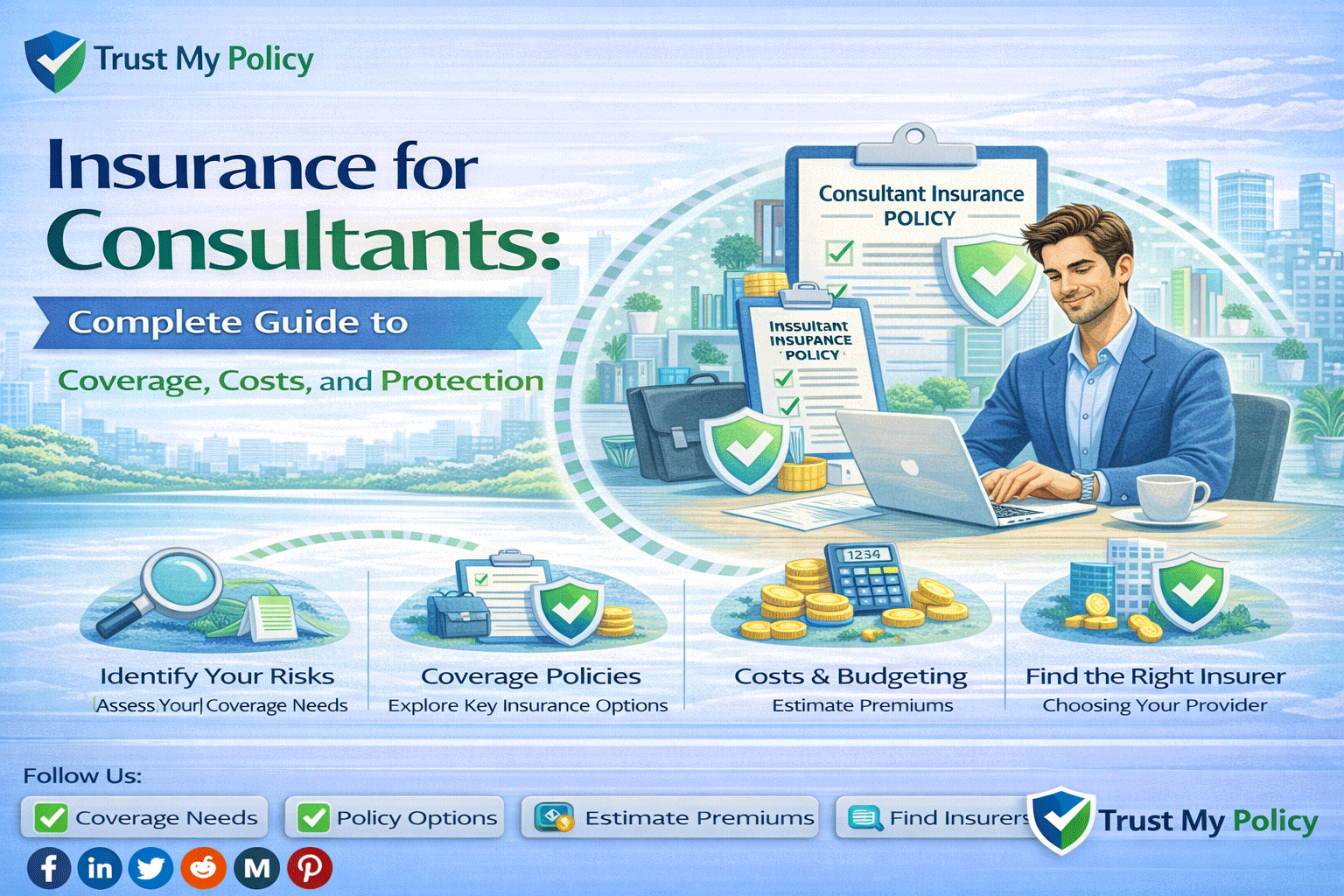
Insurance for Consultants: Complete Guide to Coverage, Costs, and Risk Protection
Consultants play an important role in modern businesses. Companies often rely on consultants for expert advice, strategic planning, technology support, marketing guidance, financial insights, and operational improvements. Because consultants influence key business decisions, their work carries significant responsibility.
While consulting offers many professional opportunities, it also involves certain risks. A client may claim that incorrect advice caused financial losses. A project delay might create disputes. In some situations, consultants may even face legal claims related to negligence, errors, or unmet expectations.
This is where insurance for consultants becomes important. Consultant insurance helps protect independent professionals and consulting firms from financial losses related to legal claims, accidents, or operational disruptions.
Even experienced consultants can face misunderstandings with clients. Insurance policies provide a financial safety net when unexpected issues occur. They may help cover legal defense costs, settlements, equipment damage, or cyber incidents.
Understanding the types of insurance available allows consultants to make informed decisions about protecting their professional work. This guide explains consultant insurance coverage types, benefits, cost factors, real-life examples, and common mistakes.
Insurance for Consultants
| Insurance Type | What It Covers | Best For | Risk Level |
|---|---|---|---|
| Professional Liability Insurance | Service errors or negligence | Most consultants | High |
| General Liability Insurance | Third-party injury or property damage | Consultants meeting clients | Medium |
| Cyber Liability Insurance | Data breaches or cyber incidents | IT and digital consultants | Growing |
| Business Property Insurance | Office equipment and tools | Consultants with offices | Medium |
| Business Interruption Insurance | Lost income due to disruptions | Consulting firms | Medium |
, benefits, and financial protection options available to policyholders. Many readers compare multiple guides before selecting a plan so they can clearly evaluate premiums, claim procedures, and long‑term advantages. A useful resource to explore is Insurance Rider Explained, which explains how this insurance policy works, the key benefits it offers, and situations where it may be the most suitable option. By reviewing this guide, you can gain deeper insights into coverage features, eligibility requirements, and practical tips that help individuals and families make smarter insurance decisions.
What Is Insurance for Consultants?
Insurance for consultants refers to insurance policies designed to protect consulting professionals from financial risks associated with their services and business operations.
Consultants often provide expertise that influences business decisions. If clients believe that advice caused financial harm, they may file claims seeking compensation.
Consultant insurance helps manage risks such as:
-
Professional errors
-
Client disputes
-
Legal claims
-
Data breaches
-
Property damage
-
Business interruptions
Different policies address different types of risk. Many consultants combine multiple insurance policies to build broader protection.
Why Insurance Is Important for Consultants
Consultants often work closely with clients and may influence major decisions. Even small misunderstandings can create disputes.
Understanding insurance coverage helps consultants manage professional risks more effectively.
Protects Against Professional Claims
Clients may claim that consulting advice caused financial losses.
Covers Legal Defense Costs
Legal disputes can involve high legal fees even when the consultant did nothing wrong.
Supports Client Trust
Some organizations require consultants to have insurance before signing contracts.
Protects Business Assets
Insurance may cover equipment, office space, and digital assets.
Helps Maintain Business Stability
Unexpected claims can disrupt business operations without financial protection.
Types of Insurance for Consultants
Professional Liability Insurance
Professional liability insurance is one of the most important forms of insurance for consultants.
It protects consultants against claims related to professional mistakes or negligence.
Coverage may include:
-
Errors in professional advice
-
Missed deadlines
-
Incomplete services
-
Project mistakes
-
Failure to deliver promised results
For example, if a management consultant provides strategic advice that leads to financial losses for a client, the client may file a claim.
Professional liability insurance may help cover legal defense costs and settlements.
This coverage is often essential for:
-
Management consultants
-
IT consultants
-
Financial consultants
-
Marketing consultants
-
Business advisors
General Liability Insurance
General liability insurance protects consultants against third-party injury or property damage claims.
Although consultants often work remotely, they may still meet clients in offices or business locations.
Examples of covered situations may include:
-
A client slipping during a meeting at a consultant’s office
-
Accidental property damage at a client’s workplace
-
Claims related to advertising content
General liability insurance may help cover legal expenses, medical costs, and settlements.
Cyber Liability Insurance
Many consultants handle sensitive business data. This is especially common in technology, finance, and marketing consulting.
Cyber liability insurance protects against risks related to data breaches or cyberattacks.
Coverage may include:
-
Data breach response costs
-
Cyber extortion incidents
-
Customer notification expenses
-
Legal defense costs
-
Data recovery expenses
This insurance is increasingly relevant as cyber threats continue to grow globally.Business Property Insurance
Consultants often rely on specialized equipment and office resources.
Business property insurance helps protect items such as:
-
Computers and laptops
-
Servers
-
Office furniture
-
Professional equipment
-
Documents and records
If these assets are damaged or stolen due to events like fire, theft, or natural disasters, insurance may help cover replacement or repair costs.
, benefits, and financial protection options available to policyholders. Many readers compare multiple guides before selecting a plan so they can clearly evaluate premiums, claim procedures, and long‑term advantages. A useful resource to explore is Insurance Policy Terms Explained, which explains how this insurance policy works, the key benefits it offers, and situations where it may be the most suitable option. By reviewing this guide, you can gain deeper insights into coverage features, eligibility requirements, and practical tips that help individuals and families make smarter insurance decisions.
Business Interruption Insurance
Business interruption insurance helps cover lost income when consulting operations stop due to unexpected events.
Covered events may include:
-
Natural disasters
-
Fire or building damage
-
Equipment failures
-
Power outages
Coverage may help pay for:
-
Lost consulting income
-
Temporary relocation expenses
-
Ongoing business costs during closure
This coverage is more common for consulting firms with physical offices.
Detailed Comparison of Consultant Insurance Types
| Feature | Professional Liability | General Liability | Cyber Liability | Property Insurance | Business Interruption |
|---|---|---|---|---|---|
| Primary Risk | Service mistakes | Injury or property damage | Cyber incidents | Asset damage | Operational disruption |
| Typical Users | Consultants and advisors | Client-facing consultants | IT and digital consultants | Office-based consultants | Consulting firms |
| Covers Lawsuits | Yes | Yes | Yes | No | Sometimes |
| Covers Equipment | No | No | No | Yes | Indirectly |
| Covers Data Breach | No | No | Yes | No | Sometimes |
| Trigger Event | Client claim | Injury or accident | Cyberattack | Theft or damage | Business shutdown |
Pros and Cons of Insurance for Consultants
Advantages
-
Protects consultants from financial losses related to claims
-
Covers legal defense costs
-
Helps meet client contract requirements
-
Protects equipment and business assets
-
Supports long-term professional stability
Limitations
-
Insurance premiums create ongoing expenses
-
Coverage limits may restrict payouts
-
Policies may include exclusions
-
Claims may require documentation and investigation
-
Not all consulting risks are covered
Understanding both advantages and limitations helps consultants evaluate their protection strategy.
, benefits, and financial protection options available to policyholders. Many readers compare multiple guides before selecting a plan so they can clearly evaluate premiums, claim procedures, and long‑term advantages. A useful resource to explore is Individual Health Insurance Coverage, which explains how this insurance policy works, the key benefits it offers, and situations where it may be the most suitable option. By reviewing this guide, you can gain deeper insights into coverage features, eligibility requirements, and practical tips that help individuals and families make smarter insurance decisions.
Real-Life Examples
Example 1: Strategy Consulting Dispute
A strategy consultant advises a client on market expansion. The strategy fails, and the client claims financial losses.
Professional liability insurance may help cover legal defense costs.
Example 2: Office Accident
A client visits a consultant’s office and slips on a wet floor.
General liability insurance may help cover medical costs and legal claims.
Example 3: Data Breach
An IT consultant stores confidential company data on a laptop that becomes compromised by hackers.
Cyber liability insurance may help cover breach investigation costs.
Example 4: Equipment Theft
A consultant’s laptop containing project files is stolen while traveling.
Business property insurance may help replace the device.
Example 5: Office Fire
A fire damages a consulting firm’s workspace and temporarily stops operations.
Business interruption insurance may help replace lost income during repairs.
Common Mistakes Consultants Make About Insurance
Assuming Experience Eliminates Risk
Even experienced consultants can face disputes or misunderstandings with clients.
Insurance provides protection regardless of experience level.
Ignoring Professional Liability Coverage
Some consultants rely only on contracts for protection.
However, contracts do not always prevent legal claims.
Not Reviewing Policy Limits
Low coverage limits may not be enough for large consulting projects.
Consultants often review limits based on project size and risk exposure.
Overlooking Cybersecurity Risks
Consultants frequently handle sensitive data.
Cyber risks can affect consulting professionals across industries.
Waiting Too Long to Get Coverage
Some consultants purchase insurance only after facing a problem.
Early protection helps reduce financial exposure.
, benefits, and financial protection options available to policyholders. Many readers compare multiple guides before selecting a plan so they can clearly evaluate premiums, claim procedures, and long‑term advantages. A useful resource to explore is Liability Insurance for Businesses, which explains how this insurance policy works, the key benefits it offers, and situations where it may be the most suitable option. By reviewing this guide, you can gain deeper insights into coverage features, eligibility requirements, and practical tips that help individuals and families make smarter insurance decisions.
Frequently Asked Questions (FAQs)
What insurance do consultants usually need?
Many consultants consider professional liability insurance, general liability insurance, and cyber liability insurance depending on their work.
Is professional liability insurance necessary for consultants?
Professional liability insurance is commonly used because consulting advice may influence business decisions and create potential disputes.
How much does consultant insurance cost?
Costs vary based on factors such as industry, coverage limits, consulting services provided, and location.
Do independent consultants need insurance?
Independent consultants may face similar risks as consulting firms, including legal claims and service disputes.
Does consultant insurance cover project failures?
Professional liability insurance may help cover claims related to errors or negligence depending on the policy.
Is cyber insurance important for consultants?
Consultants who manage digital systems, client data, or online services may face cybersecurity risks.
Can consultants combine multiple insurance policies?
Yes. Many consultants combine different policies to cover multiple risk areas.
Conclusion
Consultants provide valuable expertise to businesses, but their work also carries professional responsibility. Advice, strategies, and recommendations can influence important decisions, which may create potential legal and financial risks.
Insurance for consultants helps reduce financial exposure from professional mistakes, client disputes, cyber incidents, property damage, and operational disruptions.
Common types of consultant insurance include professional liability insurance, general liability insurance, cyber liability insurance, property insurance, and business interruption insurance. Each type addresses different risks that consultants may encounter.
Choosing the right coverage depends on the consulting industry, the services provided, and the level of client interaction involved.
By understanding consultant insurance and planning ahead, professionals can protect their businesses while focusing on delivering expert advice and services.
, benefits, and financial protection options available to policyholders. Many readers compare multiple guides before selecting a plan so they can clearly evaluate premiums, claim procedures, and long‑term advantages. A useful resource to explore is Life Insurance Policy Explained, which explains how this insurance policy works, the key benefits it offers, and situations where it may be the most suitable option. By reviewing this guide, you can gain deeper insights into coverage features, eligibility requirements, and practical tips that help individuals and families make smarter insurance decisions.
Disclaimer:
This article is for educational purposes only. Trust My Policy is an independent informational platform and does not sell insurance products or represent any insurance provider. Readers should consult official policy documents or licensed professionals for personalized advice.