How Life Insurance Works: A Complete Beginner’s Guide
Financial security is an important part of long-term planning for individuals and families. One of the most widely used financial protection tools is life insurance. However, many people still wonder how life insurance works, what benefits it provides, and whether it is necessary for their financial plans.
Life insurance is designed to provide financial support to loved ones if the insured person passes away. It helps families cover expenses such as daily living costs, debts, education, or funeral expenses. By paying regular premiums to an insurance provider, a policyholder creates a financial safety net for their beneficiaries.
Although the basic idea of life insurance is simple, policies often include different terms, coverage types, and payment structures. Understanding these details can help people choose a policy that fits their financial needs and long-term goals.
Life insurance policies exist in many forms, including term life insurance and permanent life insurance. Each option offers different coverage periods, costs, and benefits. Learning how these policies operate can help individuals make informed decisions about protecting their families financially.
This guide explains how life insurance works in simple terms, including the main components of a policy, common types of coverage, advantages, limitations, and real-life examples. By understanding the basics, readers can better evaluate how life insurance fits into their overall financial planning.
How Life Insurance Works
| Life Insurance Element | What It Means | Who Is Involved | Why It Matters |
|---|---|---|---|
| Policyholder | Person who purchases the policy | Individual | Responsible for paying premiums |
| Insured Person | Person whose life is covered | Policyholder or another person | Determines when the policy pays out |
| Premium | Regular payment for coverage | Policyholder | Keeps policy active |
| Beneficiary | Person receiving the payout | Family member or designated person | Receives financial support |
| Death Benefit | Money paid to beneficiaries | Insurance company | Provides financial protection |
| Policy Term | Duration of coverage | Insurer and policyholder | Determines how long coverage lasts |
Choosing the right insurance coverage requires understanding different policy types, benefits, and financial protection options available to policyholders. Many readers compare multiple guides before selecting a plan so they can clearly evaluate premiums, claim procedures, and long‑term advantages. A useful resource to explore is Insurance Myths Explained, which explains how this insurance policy works, the key benefits it offers, and situations where it may be the most suitable option. By reviewing this guide, you can gain deeper insights into coverage features, eligibility requirements, and practical tips that help individuals and families make smarter insurance decisions.
What Is Life Insurance?
Life insurance is a financial agreement between a policyholder and an insurance company.
Under this agreement:
-
The policyholder pays regular premiums.
-
The insurance company provides a death benefit to designated beneficiaries if the insured person passes away during the policy period.
The purpose of life insurance is to provide financial support to family members or dependents after the loss of the insured individual.
Life insurance payouts can be used for:
-
Household living expenses
-
Education costs
-
Mortgage or debt payments
-
Funeral expenses
-
Long-term financial stability
Key Components of a Life Insurance Policy
Understanding the basic parts of a life insurance policy helps explain how the system works.
Policyholder
The policyholder is the person who purchases the life insurance policy.
Responsibilities include:
-
Paying premiums
-
Choosing beneficiaries
-
Maintaining the policy
In many cases, the policyholder and the insured person are the same individual.
Insured Person
The insured person is the individual whose life is covered by the policy.
If the insured person passes away during the coverage period, the insurance company pays the death benefit to the beneficiaries.
Premium
A premium is the regular payment required to keep the life insurance policy active.
Premiums may be paid:
-
Monthly
-
Quarterly
-
Annually
The amount depends on several factors, including:
-
Age
-
Health
-
Coverage amount
-
Policy type
Beneficiary
A beneficiary is the person or group chosen to receive the life insurance payout.
Common beneficiaries include:
-
Spouses
-
Children
-
Family members
-
Trusts or organizations
Policyholders can usually update beneficiaries if circumstances change.
Death Benefit
The death benefit is the amount of money paid to beneficiaries when the insured person passes away.
This payment helps beneficiaries manage financial obligations after the loss of the insured individual.
Policy Term
The policy term refers to how long the life insurance coverage lasts.
Different policies may cover:
-
A specific number of years
-
The entire lifetime of the insured person
Types of Life Insurance Policies
Life insurance policies can be grouped into several categories.
Term Life Insurance
Term life insurance provides coverage for a fixed period.
Key Characteristics
-
Coverage for a specific term (such as 10, 20, or 30 years)
-
Lower premiums compared with permanent policies
-
Pays death benefit only if death occurs during the term
Best For
-
Temporary financial protection
-
Families with young children
-
People seeking lower-cost coverage
Whole Life Insurance
Whole life insurance is a type of permanent life insurance.
Key Characteristics
-
Lifetime coverage
-
Fixed premiums
-
May include a cash value component
Benefits
Whole life policies provide both insurance protection and long-term financial accumulation.
Universal Life Insurance
Universal life insurance offers flexible coverage and adjustable premiums.
Key Characteristics
-
Lifetime coverage
-
Flexible premium payments
-
Cash value accumulation
Policyholders may adjust coverage levels depending on financial circumstances.
Choosing the right insurance coverage requires understanding different policy types, benefits, and financial protection options available to policyholders. Many readers compare multiple guides before selecting a plan so they can clearly evaluate premiums, claim procedures, and long‑term advantages. A useful resource to explore is What Does Car Insurance Cover, which explains how this insurance policy works, the key benefits it offers, and situations where it may be the most suitable option. By reviewing this guide, you can gain deeper insights into coverage features, eligibility requirements, and practical tips that help individuals and families make smarter insurance decisions.
Detailed Comparison of Life Insurance Types
| Feature | Term Life Insurance | Whole Life Insurance | Universal Life Insurance |
|---|---|---|---|
| Coverage Duration | Fixed term | Lifetime | Lifetime |
| Premium Cost | Lower | Higher | Moderate–High |
| Cash Value | No | Yes | Yes |
| Flexibility | Limited | Limited | Higher |
| Best For | Temporary protection | Long-term financial planning | Flexible financial strategies |
How Life Insurance Payouts Work
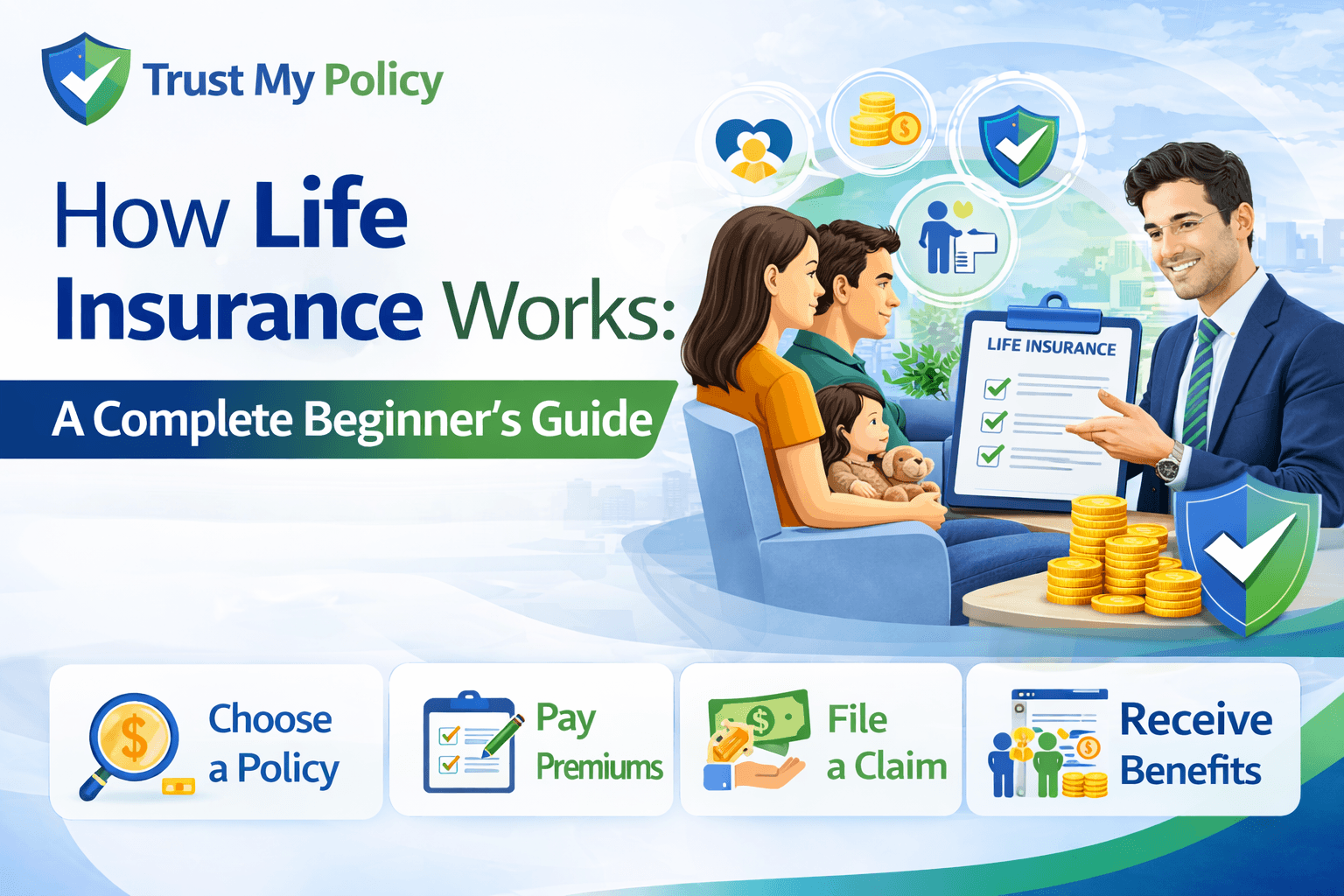
The payout process usually follows several steps.
-
The insured person passes away.
-
Beneficiaries notify the insurance company.
-
Required documents are submitted.
-
The insurer verifies the claim.
-
The death benefit is paid to beneficiaries.
The payout may be provided as:
-
Lump sum payment
-
Installment payments
-
Trust-based distributions
Pros and Cons of Life Insurance
Pros
Financial Security for Families
Life insurance provides financial protection for dependents after the loss of the insured person.
Debt Protection
Policies can help cover mortgages, loans, and other debts.
Flexible Coverage Options
Different types of life insurance policies meet various financial goals.
Potential Savings Component
Some permanent policies include cash value accumulation.
Long-Term Financial Planning
Life insurance can be part of a broader financial strategy.
Cons
Premium Costs
Some policies, especially permanent insurance, may have higher premiums.
Complexity
Understanding policy terms and coverage details can be challenging.
Limited Use Without Dependents
Individuals without financial dependents may have less need for life insurance.
Policy Restrictions
Certain conditions or exclusions may apply depending on the policy.
Choosing the right insurance coverage requires understanding different policy types, benefits, and financial protection options available to policyholders. Many readers compare multiple guides before selecting a plan so they can clearly evaluate premiums, claim procedures, and long‑term advantages. A useful resource to explore is Life Insurance With No Medical Exam, which explains how this insurance policy works, the key benefits it offers, and situations where it may be the most suitable option. By reviewing this guide, you can gain deeper insights into coverage features, eligibility requirements, and practical tips that help individuals and families make smarter insurance decisions.
Real-Life Examples of Life Insurance
Example 1: Family Financial Protection
A parent purchases life insurance to ensure financial support for their children.
If the parent passes away, the death benefit helps cover:
-
Living expenses
-
Education costs
-
Housing payments
Example 2: Mortgage Protection
A homeowner buys life insurance with coverage equal to the mortgage balance.
If the insured person passes away, the payout helps the family repay the remaining loan.
Example 3: Income Replacement
A primary income earner purchases life insurance to protect family income.
The payout allows family members to maintain financial stability.
Example 4: Long-Term Financial Planning
An individual purchases permanent life insurance with a cash value component.
This may support long-term financial goals or estate planning.
Common Mistakes About Life Insurance
Many people misunderstand how life insurance works.
Waiting Too Long to Purchase Coverage
Premiums usually increase with age.
Choosing Insufficient Coverage
Some individuals underestimate how much financial protection their family may need.
Ignoring Policy Terms
Understanding policy conditions, exclusions, and payment requirements is important.
Not Updating Beneficiaries
Life events such as marriage or childbirth may require updates to beneficiary designations.
Confusing Term and Permanent Insurance
These policy types serve different financial purposes.
Choosing the right insurance coverage requires understanding different policy types, benefits, and financial protection options available to policyholders. Many readers compare multiple guides before selecting a plan so they can clearly evaluate premiums, claim procedures, and long‑term advantages. A useful resource to explore is Best Term Life Insurance in the US, which explains how this insurance policy works, the key benefits it offers, and situations where it may be the most suitable option. By reviewing this guide, you can gain deeper insights into coverage features, eligibility requirements, and practical tips that help individuals and families make smarter insurance decisions.
Frequently Asked Questions (FAQs)
What is life insurance?
Life insurance is a financial contract where an insurer pays money to beneficiaries after the insured person passes away.
How do life insurance premiums work?
Premiums are regular payments made to keep the life insurance policy active.
What is a life insurance death benefit?
The death benefit is the payout provided to beneficiaries when the insured person dies.
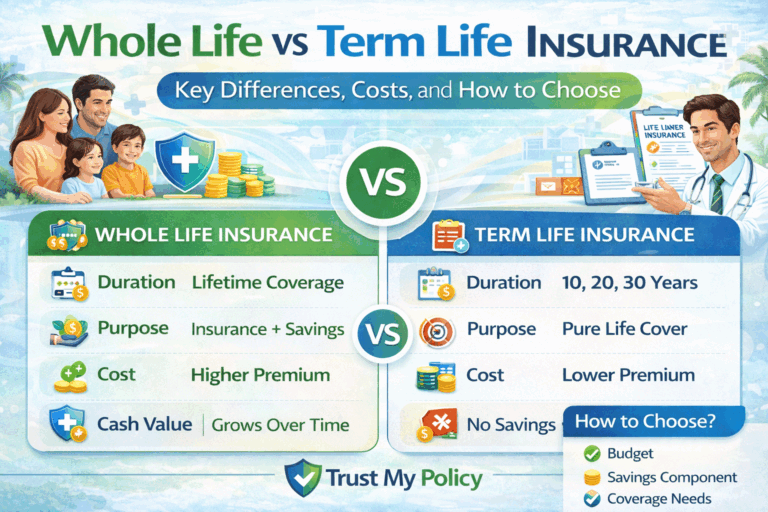
What is the difference between term and whole life insurance?
Term life insurance provides coverage for a limited period, while whole life insurance offers lifetime coverage.
Can beneficiaries use life insurance money freely?
Yes. Beneficiaries typically decide how to use the payout.
Is life insurance necessary for everyone?
Life insurance is most beneficial for individuals who have financial dependents.
How is the cost of life insurance determined?
Costs may depend on age, health, coverage amount, lifestyle habits, and policy type.
Conclusion
Understanding how life insurance works helps individuals make informed financial planning decisions. Life insurance provides a financial safety net that supports family members and dependents after the loss of the insured person.
A typical life insurance policy includes several important components:
-
Policyholder
-
Insured person
-
Premium payments
-
Beneficiaries
-
Death benefit
-
Policy term
Different types of policies—such as term life insurance, whole life insurance, and universal life insurance—offer varying coverage structures and financial features.
Life insurance can play a valuable role in protecting family finances, covering debts, replacing lost income, and supporting long-term financial goals. By carefully evaluating coverage needs and policy options, individuals can determine how life insurance fits into their overall financial strategy.
Choosing the right insurance coverage requires understanding different policy types, benefits, and financial protection options available to policyholders. Many readers compare multiple guides before selecting a plan so they can clearly evaluate premiums, claim procedures, and long‑term advantages. A useful resource to explore is Insurance for Contractors, which explains how this insurance policy works, the key benefits it offers, and situations where it may be the most suitable option. By reviewing this guide, you can gain deeper insights into coverage features, eligibility requirements, and practical tips that help individuals and families make smarter insurance decisions.
Disclaimer:
“Disclaimer: This article is for educational purposes only. Trust My Policy is an independent informational platform and does not sell insurance products or represent any insurance provider. Readers should consult official policy documents or licensed professionals for personalized advice.”