
Best Life Insurance for Young Adults: Types, Costs, and How to Choose the Right Policy
Life insurance is often associated with older adults, parents, or people with large financial responsibilities. However, many financial experts suggest that young adults should also consider life insurance early in their careers. Starting coverage at a younger age can provide financial protection while also offering lower insurance premiums.
Young adults today face different financial realities than previous generations. Student loans, early careers, entrepreneurship, and supporting family members are common responsibilities. In addition, unexpected life events can occur at any age. Life insurance can help protect loved ones from financial difficulties if something unexpected happens.
Another advantage of purchasing life insurance early is cost. Insurance companies typically calculate premiums based on age and health. Younger individuals often qualify for lower premiums and may secure long-term coverage at more affordable rates.
Understanding the best life insurance for young adults involves comparing different policy types, coverage options, and long-term benefits. Term life insurance, whole life insurance, and universal life insurance are among the most common choices.
This guide explains how life insurance works for young adults, compares policy types, outlines advantages and disadvantages, highlights common mistakes, and answers frequently asked questions about life insurance coverage.
Best Life Insurance Options for Young Adults
| Life Insurance Type | Coverage Duration | Cost Level | Best For |
|---|---|---|---|
| Term Life Insurance | Fixed period (10–30 years) | Low | Young adults seeking affordable coverage |
| Whole Life Insurance | Lifetime coverage | High | Long-term financial planning |
| Universal Life Insurance | Flexible lifetime coverage | Medium–High | Adjustable premiums and coverage |
| Group Life Insurance | Provided through employer | Low or free | Employees with workplace benefits |
| Simplified Issue Life Insurance | Limited medical checks | Medium | People wanting quick approval |
, benefits, and financial protection options available to policyholders. Many readers compare multiple guides before selecting a plan so they can clearly evaluate premiums, claim procedures, and long‑term advantages. A useful resource to explore is Liability vs Full Coverage Insurance, which explains how this insurance policy works, the key benefits it offers, and situations where it may be the most suitable option. By reviewing this guide, you can gain deeper insights into coverage features, eligibility requirements, and practical tips that help individuals and families make smarter insurance decisions.
Understanding the Best Life Insurance for Young Adults
What Is Life Insurance?
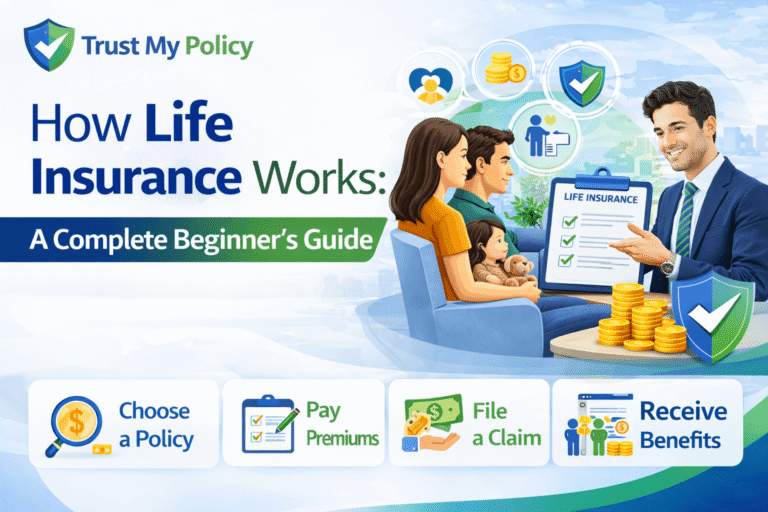
Life insurance is a financial protection policy that provides a payment, known as a death benefit, to beneficiaries if the insured person passes away.
The purpose of life insurance is to help cover financial obligations such as:
-
Family living expenses
-
Outstanding debts
-
Funeral costs
-
Education expenses for dependents
-
Mortgage or housing payments
Young adults may think life insurance is unnecessary if they do not yet have dependents. However, it can still provide important financial protection and long-term planning benefits.
Why Young Adults Consider Life Insurance
Young adults may purchase life insurance for several reasons.
Financial protection for family members
Some young adults help support parents, siblings, or other dependents.
Lower premiums at a younger age
Insurance premiums are generally lower for younger and healthier individuals.
Long-term financial planning
Certain life insurance policies build cash value that can support future financial goals.
Debt protection
Life insurance can help cover debts such as student loans or personal loans.
Types of Life Insurance for Young Adults
Term Life Insurance
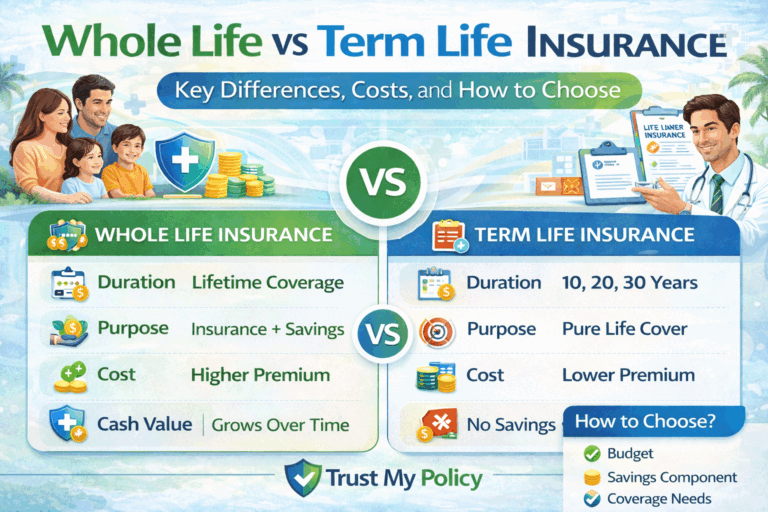
Term life insurance is often considered the most affordable and straightforward type of life insurance.
Key features
-
Coverage lasts for a specific period
-
Common terms include 10, 20, or 30 years
-
Premiums are typically lower than permanent policies
What it covers
If the policyholder passes away during the policy term, beneficiaries receive the death benefit.
Example
A 25-year-old professional might purchase a 20-year term policy to protect family members while building their career.
, benefits, and financial protection options available to policyholders. Many readers compare multiple guides before selecting a plan so they can clearly evaluate premiums, claim procedures, and long‑term advantages. A useful resource to explore is Cheapest Car Insurance in Wyoming, which explains how this insurance policy works, the key benefits it offers, and situations where it may be the most suitable option. By reviewing this guide, you can gain deeper insights into coverage features, eligibility requirements, and practical tips that help individuals and families make smarter insurance decisions.
Whole Life Insurance
Whole life insurance provides lifetime coverage and includes a savings component known as cash value.
Key features
-
Lifetime coverage
-
Fixed premiums
-
Cash value accumulation over time
What the cash value does
The policyholder may be able to borrow against or withdraw part of the cash value under certain conditions.
Example
A young adult who wants both insurance coverage and long-term savings may consider whole life insurance.
Universal Life Insurance
Universal life insurance is another type of permanent life insurance with flexible features.
Key features
-
Adjustable premiums
-
Flexible death benefits
-
Cash value component
Advantages
Policyholders may adjust coverage amounts or payment schedules depending on financial circumstances.
Example
A young entrepreneur with changing income levels may find flexible policies useful.
Group Life Insurance
Many employers provide group life insurance as part of employee benefits packages.
Key features
-
Offered through workplace benefits
-
Often low-cost or free
-
Coverage amount typically based on salary
Limitations
Coverage may end when the employee leaves the company.
Simplified Issue Life Insurance
Simplified issue life insurance offers quicker approval because it requires fewer medical checks.
Key features
-
Faster application process
-
Limited medical questions
-
Higher premiums compared to traditional policies
Example
Young adults who prefer a faster approval process may choose simplified issue policies.
Detailed Comparison of Life Insurance Options
| Feature | Term Life | Whole Life | Universal Life | Group Life | Simplified Issue |
|---|---|---|---|---|---|
| Coverage duration | Temporary | Lifetime | Lifetime | While employed | Lifetime or term |
| Premium cost | Low | High | Medium–High | Low | Medium |
| Cash value | No | Yes | Yes | No | Sometimes |
| Flexibility | Low | Low | High | Low | Low |
| Medical exam required | Often yes | Often yes | Often yes | Usually no | Usually no |
| Best for | Affordable coverage | Long-term planning | Flexible financial planning | Employees | Fast approval |
, benefits, and financial protection options available to policyholders. Many readers compare multiple guides before selecting a plan so they can clearly evaluate premiums, claim procedures, and long‑term advantages. A useful resource to explore is How Insurance Pricing Works, which explains how this insurance policy works, the key benefits it offers, and situations where it may be the most suitable option. By reviewing this guide, you can gain deeper insights into coverage features, eligibility requirements, and practical tips that help individuals and families make smarter insurance decisions.
Pros and Cons of Life Insurance for Young Adults
Advantages
Lower Premiums
Younger individuals often qualify for lower life insurance premiums.
Long-Term Protection
Starting early ensures coverage before health conditions develop later in life.
Financial Security for Loved Ones
Life insurance can help family members cover expenses if the policyholder passes away.
Potential Savings Component
Permanent policies may accumulate cash value over time.
Disadvantages
Monthly Costs
Even affordable policies require regular premium payments.
Complexity
Permanent life insurance policies may involve complex financial features.
Not Always Necessary for Everyone
Young adults without dependents or debt may have less immediate need for life insurance.
Real-Life Use Cases
Young Professional with Student Loans
A young professional may choose term life insurance to ensure that debts are covered if something unexpected occurs.
Newly Married Couple
A married young adult may purchase life insurance to provide financial security for their spouse.
Entrepreneur or Freelancer
Self-employed individuals may rely on life insurance as part of long-term financial planning.
Young Parent
Parents with young children often purchase life insurance to ensure financial protection for their family.
, benefits, and financial protection options available to policyholders. Many readers compare multiple guides before selecting a plan so they can clearly evaluate premiums, claim procedures, and long‑term advantages. A useful resource to explore is Health Insurance for Independent Contractors, which explains how this insurance policy works, the key benefits it offers, and situations where it may be the most suitable option. By reviewing this guide, you can gain deeper insights into coverage features, eligibility requirements, and practical tips that help individuals and families make smarter insurance decisions.
Common Mistakes Young Adults Make
Waiting Too Long to Buy Insurance
Premiums typically increase with age, making early coverage more affordable.
Buying Too Much Coverage
Some young adults purchase policies larger than their financial needs.
Ignoring Employer Coverage Limitations
Group life insurance from employers may not be enough for long-term protection.
Not Reviewing Policy Terms
Understanding coverage limits, exclusions, and payment requirements is important.
Confusing Insurance with Investment
Life insurance is primarily designed for protection, not investment growth.
Frequently Asked Questions
Do young adults really need life insurance?
Life insurance can be helpful if a young adult has debts, dependents, or wants long-term financial protection.
What is the cheapest life insurance for young adults?
Term life insurance is usually the most affordable option.
When is the best age to buy life insurance?
Many people purchase life insurance in their 20s or early 30s when premiums are typically lower.
How much life insurance coverage do young adults need?
Coverage needs vary depending on income, debt, family responsibilities, and financial goals.
Can life insurance build savings?
Some permanent life insurance policies include a cash value component that grows over time.
Is employer life insurance enough?
Employer-sponsored policies may provide basic coverage but may not be sufficient for long-term needs.
Can life insurance premiums increase?
Term life insurance usually has fixed premiums during the policy term, while some policies may adjust premiums over time.
, benefits, and financial protection options available to policyholders. Many readers compare multiple guides before selecting a plan so they can clearly evaluate premiums, claim procedures, and long‑term advantages. A useful resource to explore is Life Insurance for Business Owners, which explains how this insurance policy works, the key benefits it offers, and situations where it may be the most suitable option. By reviewing this guide, you can gain deeper insights into coverage features, eligibility requirements, and practical tips that help individuals and families make smarter insurance decisions.
Conclusion
Life insurance can be a valuable financial tool for young adults, even early in their careers. Purchasing coverage at a younger age often results in lower premiums and provides long-term financial protection for family members and dependents.
Understanding the best life insurance for young adults involves comparing different policy types such as term life insurance, whole life insurance, universal life insurance, and employer-sponsored group coverage.
Each option offers different advantages depending on financial goals, budget, and long-term planning needs. Term life insurance typically provides affordable protection, while permanent policies offer lifetime coverage and potential cash value benefits.
Young adults who evaluate their financial responsibilities, consider their long-term goals, and understand available coverage options can make informed decisions about life insurance protection.
Disclaimer:
This article is for educational purposes only. Trust My Policy is an independent informational platform and does not sell insurance products or represent any insurance provider. Readers should consult official policy documents or licensed professionals for personalized advice.