Short Term vs Long Term Insurance: Understanding the Key Differences
Insurance helps individuals and families protect themselves from unexpected financial risks. Whether it is related to health, life, property, or travel, insurance coverage can provide financial support during difficult situations. However, one important decision people often face is choosing between short term vs long term insurance.
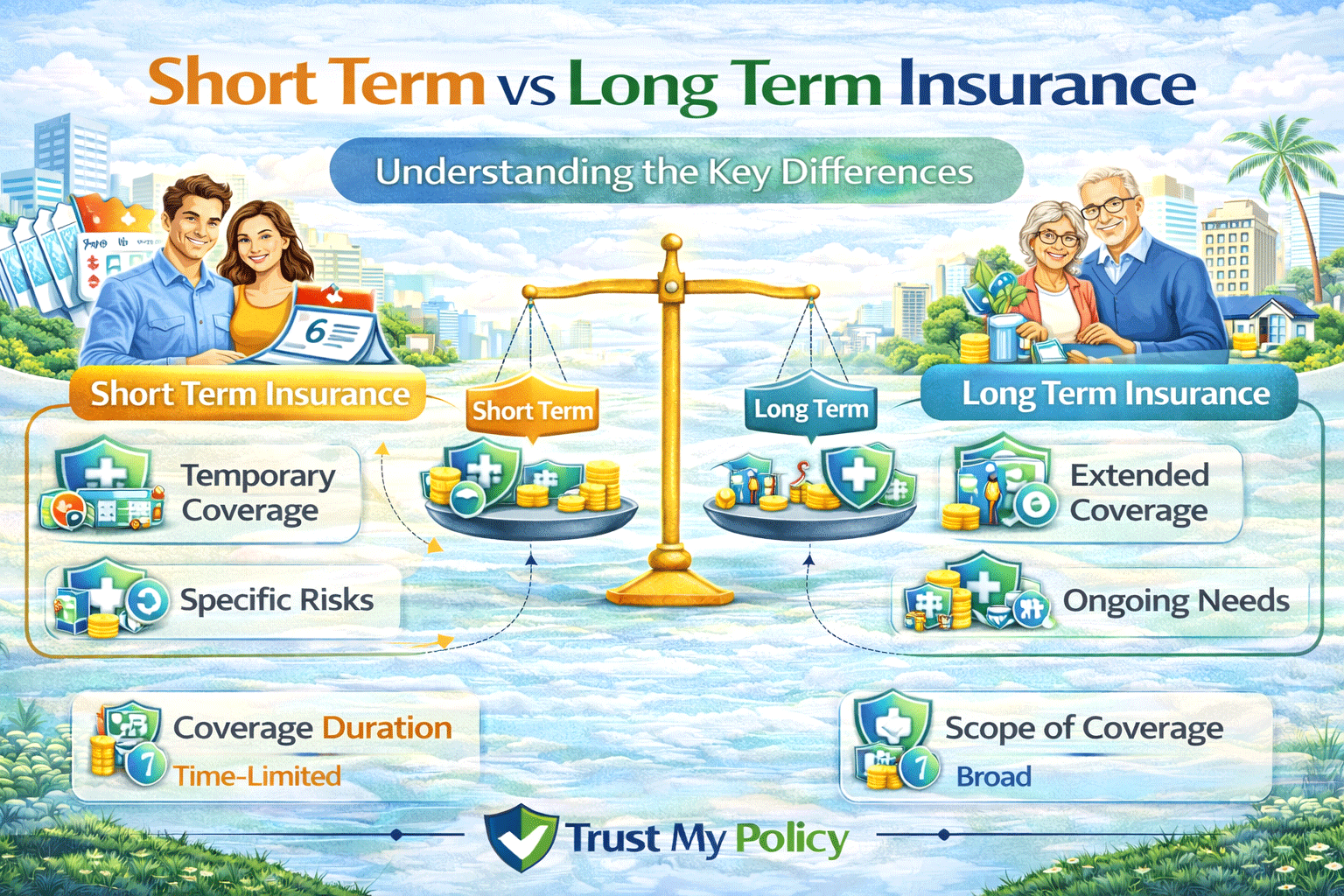
These two types of insurance differ mainly in coverage duration, purpose, cost, and long-term financial benefits. Short term insurance is typically designed to provide protection for a limited period, such as a few months or a few years. Long term insurance, on the other hand, provides coverage for an extended duration, sometimes lasting decades or even a lifetime.
Understanding the difference between short term and long term insurance can help people select policies that align with their financial goals, lifestyle needs, and risk tolerance.
This guide explains the key differences between short term vs long term insurance, including definitions, benefits, limitations, practical examples, and common misunderstandings. By understanding these concepts, readers can make informed decisions about the type of insurance coverage that may suit their needs.
Table of Contents
ToggleShort Term vs Long Term Insurance
| Feature | Short Term Insurance | Long Term Insurance |
|---|---|---|
| Coverage duration | Temporary coverage | Long-lasting coverage |
| Policy length | Months to a few years | Many years or lifetime |
| Premium cost | Usually lower initially | Often higher but stable |
| Purpose | Temporary financial protection | Long-term financial security |
| Flexibility | Often easier to change or cancel | May involve long commitments |
| Examples | Travel insurance, short-term health insurance | Life insurance, retirement-linked policies |
| Best suited for | Temporary needs | Long-term financial planning |
Key takeaway:
Short term insurance focuses on temporary risk protection, while long term insurance supports long-term financial stability and planning.
What Is Short Term Insurance?
Short term insurance refers to insurance policies designed to provide coverage for a limited time period. These policies typically last from a few months to a few years.
Short term insurance is often used to address temporary risks or specific situations where long-term coverage may not be necessary.
Common Types of Short Term Insurance
Examples of short term insurance may include:
-
Travel insurance
-
Short-term health insurance
-
Temporary vehicle insurance
-
Event insurance
-
Short-term rental insurance
These policies are usually designed to address specific risks during a defined period.
Purpose of Short Term Insurance
Short term insurance is generally used for:
-
Temporary protection
-
Bridging gaps between long-term policies
-
Covering short-term activities or travel
-
Managing risks during specific life situations
Because the coverage period is limited, these policies often have simpler terms and shorter commitments.
What Is Long Term Insurance?
Long term insurance provides coverage for an extended period, often lasting many years or even throughout the policyholder’s lifetime.
These policies are commonly used for financial planning and long-term risk protection.
Common Types of Long Term Insurance
Examples of long term insurance include:
-
Life insurance policies
-
Long-term health insurance
-
Disability insurance
-
Retirement-linked insurance plans
-
Some property insurance policies
These policies are designed to support long-term financial security and protection.
Purpose of Long Term Insurance
Long term insurance helps individuals:
-
Protect family members financially
-
Plan for retirement
-
Manage long-term financial risks
-
Provide stability and financial support over time
Long term insurance is often part of broader financial planning strategies.
Short Term vs Long Term Insurance: Detailed Comparison
| Feature | Short Term Insurance | Long Term Insurance |
|---|---|---|
| Coverage duration | Short coverage period | Extended coverage period |
| Policy term | Months or a few years | Many years or lifetime |
| Financial planning role | Temporary protection | Long-term financial planning |
| Premium payments | Often lower initially | May be higher but stable |
| Commitment level | Lower commitment | Higher commitment |
| Policy complexity | Usually simpler | Often more detailed |
| Renewal requirements | May require frequent renewal | Usually long-term contracts |
| Flexibility | More flexible | Less flexible |
| Cash value component | Rare | Possible in some policies |
| Long-term benefits | Limited | Often significant |
This comparison shows that short term insurance focuses on immediate risks, while long term insurance supports long-term financial protection and stability.
Key Differences Between Short Term and Long Term Insurance
1. Coverage Duration
The most important difference between short term vs long term insurance is the length of coverage.
Short term insurance:
-
Covers a limited time
-
Often expires quickly
-
May require renewal
Long term insurance:
-
Covers extended periods
-
Often lasts decades or a lifetime
-
Provides long-term stability
2. Financial Planning Role
Short term insurance usually addresses temporary risks, such as travel or temporary employment.
Long term insurance is often part of long-term financial strategies, including:
-
Family financial protection
-
Retirement planning
-
Wealth transfer planning
3. Premium Structure
Short term insurance premiums may be:
-
Lower initially
-
Paid for shorter periods
Long term insurance premiums may be:
-
Higher in some cases
-
Structured for long-term payment schedules
4. Policy Benefits
Short term insurance typically provides:
-
Basic coverage
-
Temporary protection
Long term insurance may include:
-
Lifetime coverage
-
Cash value accumulation in some policies
-
Long-term financial benefits
5. Flexibility
Short term policies are often easier to cancel or modify.
Long term policies may involve:
-
Contract commitments
-
Policy conditions
-
Long-term payment obligations
Pros and Cons of Short Term Insurance
Advantages
-
Suitable for temporary needs
-
Usually simple policy terms
-
Short commitment period
-
Often lower initial cost
-
Useful for specific events or travel
Disadvantages
-
Limited coverage duration
-
May require frequent renewals
-
Limited long-term financial benefits
-
Coverage gaps may occur
Pros and Cons of Long Term Insurance
Advantages
-
Long-lasting financial protection
-
Stability in coverage
-
Often part of long-term financial planning
-
May include additional benefits such as cash value
-
Supports family financial security
Disadvantages
-
Higher long-term cost commitment
-
Less flexibility compared to short-term policies
-
Policy terms may be more complex
Real-Life Examples of Short Term vs Long Term Insurance
Understanding practical situations helps explain when each type of insurance may be useful.
Example 1: International Travel
A traveler planning a two-week trip abroad purchases travel insurance.
This is an example of short term insurance, providing coverage only during the travel period.
Example 2: Family Financial Protection
A parent purchases life insurance to protect their family financially.
This is typically long term insurance, providing protection for many years.
Example 3: Temporary Employment
A worker takes a short-term contract job and purchases temporary health insurance coverage.
This situation may involve short term insurance to cover the temporary employment period.
Example 4: Long-Term Retirement Planning
An individual includes life insurance in their retirement and estate planning strategy.
This represents long term insurance, designed to support long-term financial goals.
Common Mistakes People Make
Many people misunderstand how short term vs long term insurance works.
1. Choosing Short Term Insurance for Long-Term Needs
Short-term policies may not provide adequate protection for long-term financial responsibilities.
2. Ignoring Long-Term Financial Planning
Some individuals rely only on short-term policies and overlook the importance of long-term coverage.
3. Not Reviewing Policy Duration
Understanding the policy term is essential to avoid unexpected coverage gaps.
4. Overlooking Renewal Requirements
Short term policies may require frequent renewal, which can lead to higher costs over time.
5. Not Evaluating Risk Duration
Insurance should match the length of the financial risk being covered.
Frequently Asked Questions
What is the main difference between short term and long term insurance?
Short term insurance provides temporary coverage, while long term insurance offers extended protection for many years or even a lifetime.
Is short term insurance cheaper than long term insurance?
Short term insurance often has lower initial costs, but repeated renewals may increase long-term expenses.
Can short term insurance be renewed?
Some short term policies allow renewal, but coverage periods are usually limited.
Is long term insurance better for financial planning?
Long term insurance is often used as part of broader financial planning strategies.
What types of insurance are considered long term?
Examples include life insurance, disability insurance, and some long-term health coverage policies.
When should someone choose short term insurance?
Short term insurance may be useful for temporary situations such as travel, short-term employment, or specific events.
Conclusion
Understanding the difference between short term vs long term insurance is important when choosing the right type of financial protection.
Short term insurance focuses on temporary risks and short coverage periods, making it suitable for travel, temporary employment, or specific events.
Long term insurance provides extended financial protection, often supporting long-term goals such as family security, retirement planning, and wealth protection.
Both types of insurance serve valuable purposes depending on the situation. The right choice depends on factors such as the length of risk exposure, financial goals, and personal circumstances.
By evaluating these factors carefully, individuals can select insurance coverage that aligns with their short-term needs and long-term financial stability.
Disclaimer:
This article is for educational purposes only. Trust My Policy is an independent informational platform and does not sell insurance products or represent any insurance provider. Readers should consult official policy documents or licensed professionals for personalized advice.