Private vs Public Health Insurance: Understanding the Key Differences
Health insurance plays an important role in helping individuals and families manage medical expenses. Healthcare costs can be high in many parts of the world, and unexpected medical emergencies can place significant financial pressure on people. Health insurance helps reduce these financial risks by covering part or all of the cost of medical treatment depending on the policy terms.
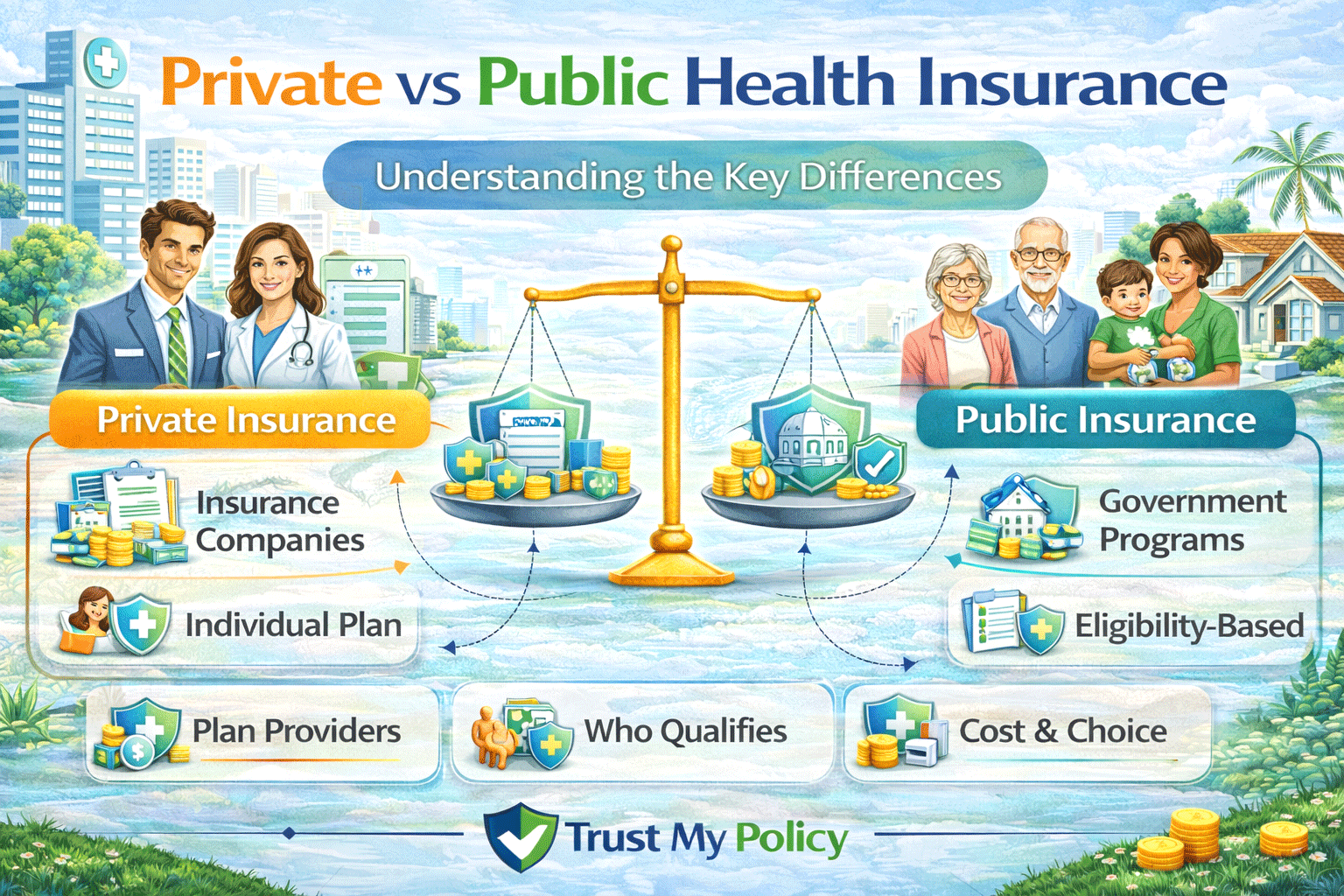
When exploring healthcare coverage, many people come across two main systems: private health insurance and public health insurance. Both types aim to improve access to medical care, but they operate in different ways. Public health insurance is usually funded or supported by governments and designed to provide healthcare access to large populations. Private health insurance, on the other hand, is typically offered by private organizations and often provides additional coverage options.
Understanding the differences between private and public health insurance is important for making informed healthcare and financial decisions. Each system has unique advantages, limitations, and eligibility requirements that vary depending on the country or region.
In this guide, we explain private vs public health insurance, how each system works, their key differences, benefits, limitations, and real-life examples that help illustrate how these healthcare systems function.
Private vs Public Health Insurance
| Feature | Private Health Insurance | Public Health Insurance |
|---|---|---|
| Provider | Private insurance companies | Government or public institutions |
| Funding | Premiums paid by individuals or employers | Funded through taxes or government programs |
| Coverage Flexibility | Often offers multiple plan options | Coverage defined by public healthcare system |
| Cost Structure | Premiums, deductibles, and co-payments | Often subsidized or lower-cost |
| Access to Providers | May provide broader provider choices | Limited to public healthcare networks |
| Waiting Times | Often shorter depending on system | May be longer in some regions |
Understanding Private Health Insurance
What Is Private Health Insurance?
Private health insurance is a healthcare coverage system provided by private insurance companies. Individuals or employers typically pay monthly or annual premiums to maintain coverage.
Private plans often allow individuals to select from different levels of coverage depending on their needs.
These plans may cover:
-
Hospitalization
-
Medical consultations
-
Diagnostic tests
-
Prescription medications
-
Specialized treatments
Coverage details vary depending on the insurance policy.
How Private Health Insurance Works
Private health insurance works through a contract between the policyholder and the insurance provider.
The policyholder pays premiums, and the insurer helps cover eligible healthcare expenses when medical treatment is required.
Private health insurance may involve:
-
Deductibles
-
Co-payments
-
Coverage limits
-
Specific provider networks
These terms determine how much the policyholder pays and what the insurer covers.
Understanding Public Health Insurance
What Is Public Health Insurance?
Public health insurance refers to healthcare programs funded and managed by governments. These programs are designed to ensure that citizens or residents have access to basic healthcare services.
Public systems vary widely across countries, but the main goal is to provide healthcare access regardless of individual income levels.
Public health insurance may be funded through:
-
Taxes
-
Social contributions
-
Government budgets
Many public systems aim to provide essential healthcare services at reduced cost or no direct cost to patients.
How Public Health Insurance Works
Public health insurance systems operate through government-managed healthcare programs.
In these systems:
-
Citizens contribute through taxes or mandatory contributions.
-
Healthcare services are provided through public hospitals and clinics.
-
Costs are subsidized by government funding.
Coverage typically includes essential healthcare services such as:
-
Doctor visits
-
Hospital care
-
Preventive services
-
Basic medical treatments
However, coverage levels and service availability can vary depending on the country.
Detailed Comparison: Private vs Public Health Insurance
| Feature | Private Health Insurance | Public Health Insurance |
|---|---|---|
| Funding Source | Individual or employer premiums | Taxes and government funding |
| Plan Flexibility | Multiple coverage options available | Standardized coverage |
| Provider Choice | Often broader network | Usually limited to public system |
| Waiting Times | Often shorter depending on provider availability | May be longer in some systems |
| Eligibility | Usually available to anyone who pays premiums | Often based on residency or citizenship |
| Cost Structure | Premiums plus additional out-of-pocket costs | Often subsidized by government |
| Coverage Scope | May include additional services | Focus on essential healthcare services |
Pros and Cons of Private Health Insurance
Advantages
-
Often offers flexible coverage options
-
May provide quicker access to specialists in some systems
-
Wider choice of healthcare providers
-
May include additional medical services
-
Can complement public healthcare systems
Limitations
-
Requires regular premium payments
-
Out-of-pocket expenses may apply
-
Coverage depends on policy terms
-
Some treatments may have limits or exclusions
Pros and Cons of Public Health Insurance
Advantages
-
Often accessible to large populations
-
Costs may be subsidized through taxes
-
Provides basic healthcare services
-
Focuses on universal healthcare access
-
Reduces financial barriers for essential medical care
Limitations
-
Limited provider choice in some systems
-
Waiting times for certain treatments may be longer
-
Coverage options may be less flexible
-
Some advanced treatments may not be included
Real-Life Use Cases
Understanding how these systems work in practice helps illustrate their differences.
Example 1: Routine Medical Care
An individual needs a routine medical consultation.
Public Health Insurance
-
The visit may be covered through a public healthcare system.
Private Health Insurance
-
The policy may cover the visit through a network provider depending on the plan.
Example 2: Specialist Treatment
A patient requires specialized medical care.
Public Health Insurance
-
Access may require referrals and scheduled appointments through the public system.
Private Health Insurance
-
The patient may have faster access to private specialists depending on coverage.
Example 3: Emergency Medical Treatment
A person experiences a sudden medical emergency.
Public Health Insurance
-
Emergency care is typically covered within the public healthcare system.
Private Health Insurance
-
Coverage may include emergency treatment depending on policy terms.
Example 4: Elective Medical Procedures
Certain non-emergency procedures may require longer scheduling times.
Private health insurance may sometimes provide faster access to these procedures depending on coverage.
Common Mistakes When Comparing Private and Public Health Insurance
Understanding healthcare systems can help avoid common misunderstandings.
Assuming One System Is Always Better
Both systems serve different purposes and may work together in some countries.
Not Understanding Coverage Limits
Both public and private insurance systems have specific coverage rules.
Ignoring Out-of-Pocket Costs
Even with insurance, patients may still pay part of the healthcare costs.
Confusing Healthcare Access With Insurance Coverage
Access to healthcare providers may vary depending on insurance type and healthcare infrastructure.
Frequently Asked Questions
What is the main difference between private and public health insurance?
Private health insurance is provided by private companies and funded through premiums, while public health insurance is funded and managed by governments.
Can someone have both private and public health insurance?
In some countries, individuals may use private insurance to complement public healthcare services.
Is public health insurance free?
Public healthcare systems are often funded through taxes, so individuals may contribute indirectly.
Does private health insurance provide better healthcare?
Healthcare quality depends on many factors, including healthcare providers, infrastructure, and policy coverage.
Why do some people choose private health insurance?
People may choose private insurance for additional coverage options or broader provider choices.
Is public health insurance available in every country?
Most countries have some form of public healthcare system, but the structure varies widely.
Can private health insurance replace public healthcare?
In many countries, private insurance supplements rather than replaces public healthcare systems.
Conclusion
Understanding the difference between private vs public health insurance is important for making informed healthcare decisions. Both systems aim to improve access to medical care and reduce financial risks associated with healthcare expenses.
Public health insurance programs are typically designed to provide essential healthcare services to large populations through government funding. Private health insurance offers additional coverage options and flexibility through plans provided by private organizations.
Each system has advantages and limitations. Public healthcare systems often prioritize accessibility and affordability, while private insurance may offer more flexibility and provider choices depending on the policy.
By understanding how these healthcare systems function, individuals can better navigate healthcare coverage options and make decisions that align with their medical needs and financial planning.
Disclaimer
Disclaimer: This article is for educational purposes only. Trust My Policy is an independent informational platform and does not sell insurance products or represent any insurance provider. Readers should consult official policy documents or licensed professionals for personalized advice.