Life Insurance Policy Explained: Types, Benefits, and How It Works
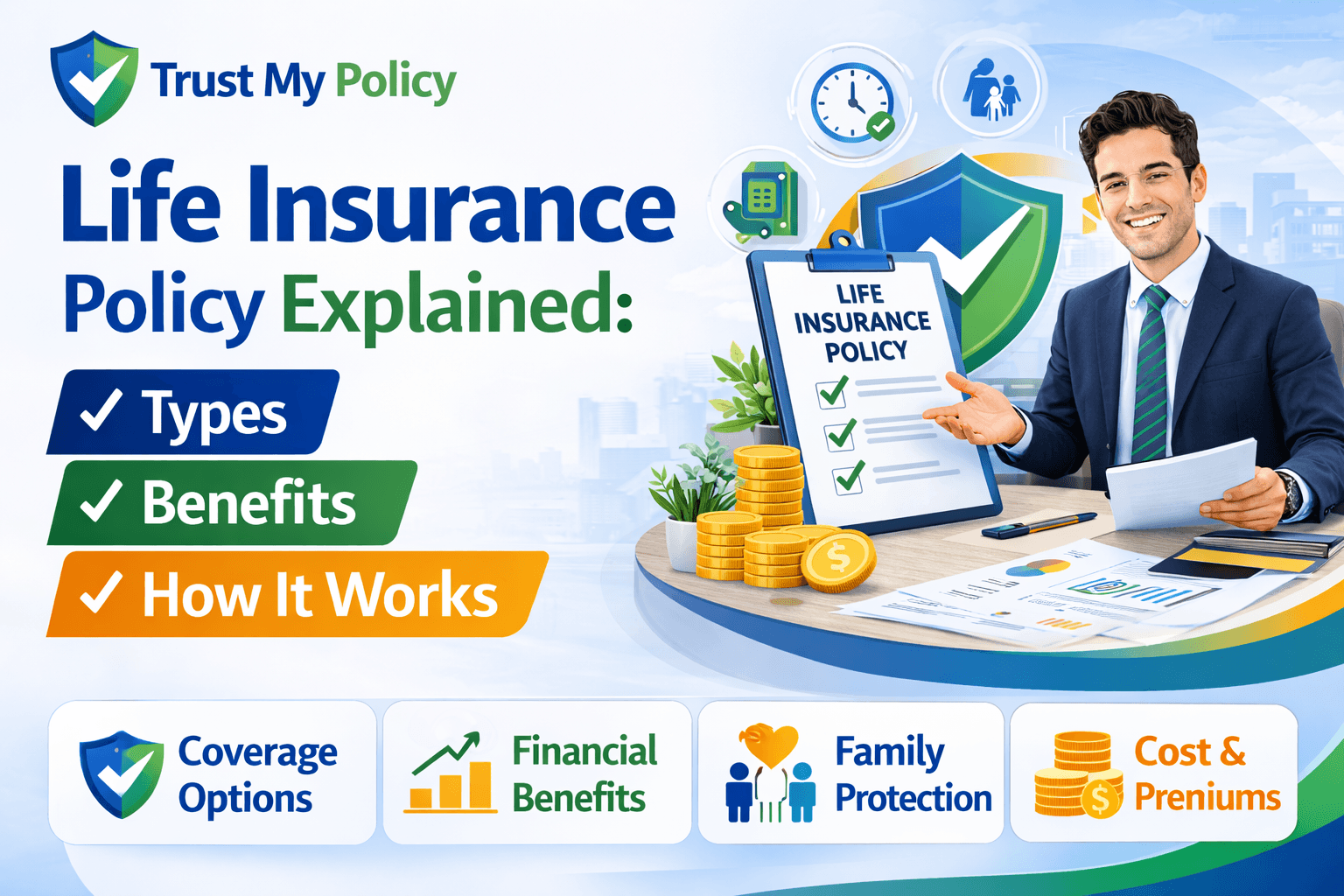
A life insurance policy is one of the most important financial protection tools available today. It helps protect families from financial hardship if the policyholder passes away. In simple terms, life insurance provides money—called a death benefit—to beneficiaries when the insured person dies.
Across the world, people use life insurance policies to support their families, cover debts, pay for education, or manage long-term financial planning. Without this protection, unexpected events can leave loved ones facing serious financial challenges.
However, many people find life insurance confusing. There are different policy types, terms, premiums, benefits, and conditions. Understanding how life insurance works can help individuals make better financial decisions and avoid costly mistakes.
This guide explains life insurance policies in simple language. It covers how they work, the types of life insurance available, benefits and drawbacks, and common misunderstandings. Whether you are new to insurance or comparing options, this article will help you clearly understand life insurance policies.
Table of Contents
ToggleLife Insurance Policy Overview
| Feature | Life Insurance Policy |
|---|---|
| Definition | A contract between a policyholder and an insurance company that pays money to beneficiaries after death |
| Purpose | Financial protection for family or dependents |
| Key Components | Premium, policy term, death benefit, beneficiaries |
| Main Types | Term life, whole life, universal life |
| Who Needs It | People with dependents, loans, or financial responsibilities |
| Payment | Regular premium payments (monthly or yearly) |
| Benefit | Lump sum payment to beneficiaries |
Choosing the right insurance coverage requires understanding different policy types, benefits, and financial protection options available to policyholders. Many readers compare multiple guides before selecting a plan so they can clearly evaluate premiums, claim procedures, and long‑term advantages. A useful resource to explore is Car Insurance for Young Drivers, which explains how this insurance policy works, the key benefits it offers, and situations where it may be the most suitable option. By reviewing this guide, you can gain deeper insights into coverage features, eligibility requirements, and practical tips that help individuals and families make smarter insurance decisions.
What Is a Life Insurance Policy?
A life insurance policy is a legal agreement between an individual (policyholder) and an insurance company.
Under this agreement:
-
The policyholder pays regular payments called premiums
-
The insurance company promises to pay a death benefit to beneficiaries when the insured person dies
The money paid to beneficiaries can help cover expenses such as:
-
Household living costs
-
Mortgage or rent
-
Children’s education
-
Outstanding debts
-
Funeral expenses
Life insurance provides financial security and peace of mind. It ensures that loved ones are not left with financial burdens after the death of the insured person.
Key Components of a Life Insurance Policy
Understanding the parts of a life insurance policy helps people compare and choose the right coverage.
1. Policyholder
The person who owns the insurance policy and pays the premiums.
2. Insured Person
The individual whose life is covered by the policy. In many cases, this is the same as the policyholder.
3. Premium
The amount paid regularly to keep the policy active.
Premiums depend on factors such as:
-
Age
-
Health condition
-
Coverage amount
-
Policy type
-
Lifestyle risks
4. Death Benefit
The amount paid to beneficiaries when the insured person dies.
5. Beneficiaries
Individuals or entities who receive the insurance payout.
Examples include:
-
Spouse
-
Children
-
Parents
-
Trusts or organizations
6. Policy Term
The length of time the coverage lasts.
Some policies last for a specific number of years, while others last for the insured person’s entire lifetime.
Choosing the right insurance coverage requires understanding different policy types, benefits, and financial protection options available to policyholders. Many readers compare multiple guides before selecting a plan so they can clearly evaluate premiums, claim procedures, and long‑term advantages. A useful resource to explore is Health Insurance vs Medical Insurance, which explains how this insurance policy works, the key benefits it offers, and situations where it may be the most suitable option. By reviewing this guide, you can gain deeper insights into coverage features, eligibility requirements, and practical tips that help individuals and families make smarter insurance decisions.
Types of Life Insurance Policies
Life insurance policies come in different forms. Each type serves different financial needs.
Term Life Insurance
Term life insurance provides coverage for a specific period.
Common policy terms include:
-
10 years
-
20 years
-
30 years
If the insured person dies during the policy term, beneficiaries receive the death benefit.
If the term ends and the insured is still alive, the policy usually expires without payment.
Key Features
-
Lower premiums
-
Fixed coverage period
-
No cash value
Term life insurance is often chosen for temporary financial responsibilities.
Whole Life Insurance
Whole life insurance provides lifetime coverage as long as premiums are paid.
This type of policy also builds cash value over time.
Cash value is a savings component that grows gradually and can sometimes be borrowed against.
Key Features
-
Lifetime protection
-
Fixed premiums
-
Cash value accumulation
-
Higher premiums compared to term insurance
Whole life policies are often used for long-term financial planning.
Universal Life Insurance
Universal life insurance is a flexible type of permanent life insurance.
It combines life coverage with a savings component.
Policyholders can adjust certain features, including:
-
Premium payments
-
Death benefit amount
The policy’s cash value may grow based on interest rates or investment performance.
Key Features
-
Flexible premiums
-
Adjustable coverage
-
Cash value growth potential
However, these policies may require careful monitoring.
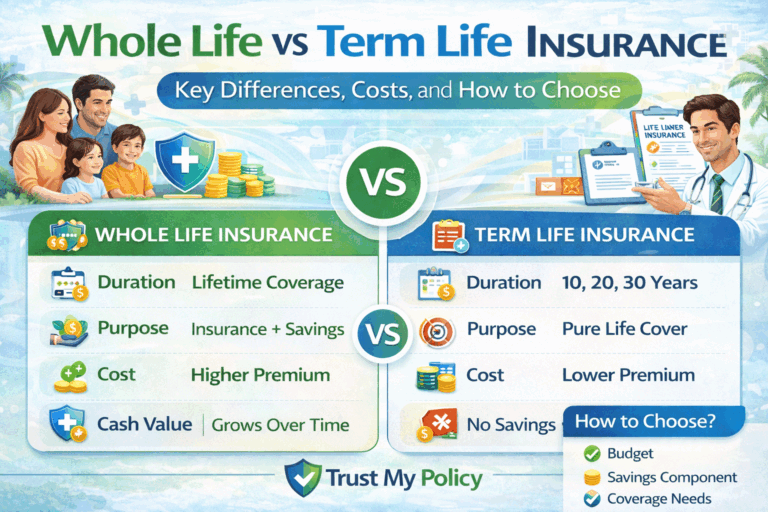
Detailed Comparison of Life Insurance Types
| Feature | Term Life Insurance | Whole Life Insurance | Universal Life Insurance |
|---|---|---|---|
| Coverage Duration | Fixed term | Lifetime | Lifetime |
| Premium Cost | Lower | Higher | Flexible |
| Cash Value | No | Yes | Yes |
| Premium Flexibility | Limited | Fixed | Adjustable |
| Investment Component | None | Low-risk savings | Interest-based |
| Best For | Temporary protection | Long-term financial security | Flexible financial planning |
Choosing the right insurance coverage requires understanding different policy types, benefits, and financial protection options available to policyholders. Many readers compare multiple guides before selecting a plan so they can clearly evaluate premiums, claim procedures, and long‑term advantages. A useful resource to explore is How Insurance Companies Calculate Premiums, which explains how this insurance policy works, the key benefits it offers, and situations where it may be the most suitable option. By reviewing this guide, you can gain deeper insights into coverage features, eligibility requirements, and practical tips that help individuals and families make smarter insurance decisions.
How Life Insurance Policies Work
The process of life insurance typically follows these steps.
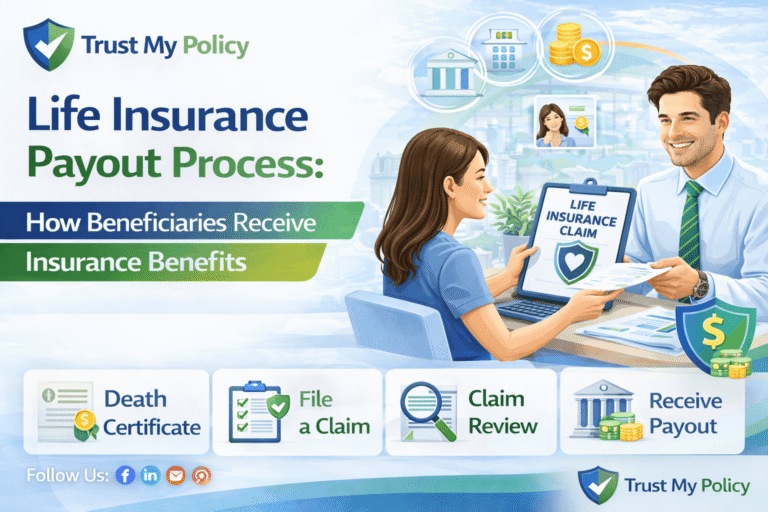
Step 1: Application
The individual applies for a policy and provides personal information such as:
-
Age
-
Health history
-
Occupation
-
Lifestyle habits
Step 2: Underwriting
The insurance company evaluates risk to determine:
-
Eligibility
-
Premium amount
Some policies may require a medical exam.
Step 3: Policy Issuance
If approved, the insurance company issues the policy contract.
Step 4: Premium Payments
The policyholder pays premiums regularly to maintain coverage.
Step 5: Death Benefit Payment
If the insured person dies while the policy is active, the insurer pays the death benefit to beneficiaries.
Pros and Cons of Life Insurance Policies
Advantages
-
Provides financial protection for dependents
-
Helps cover debts and expenses
-
Supports children’s education costs
-
Offers peace of mind
-
Some policies build cash value
-
Can be part of long-term financial planning
Disadvantages
-
Premium payments may be costly
-
Some policies are complex to understand
-
Cash value growth may be slow
-
Policy lapse may occur if premiums are missed
-
Not always necessary for individuals without dependents
Real-Life Use Cases of Life Insurance
Understanding practical scenarios helps show why life insurance is valuable.
Example 1: Family Protection
A parent with young children purchases a life insurance policy.
If the parent passes away unexpectedly, the death benefit can help cover:
-
Living expenses
-
School fees
-
Household costs
This ensures financial stability for the family.
Example 2: Mortgage Protection
A homeowner buys life insurance equal to the mortgage amount.
If the insured dies, the payout helps family members pay off the home loan.
This prevents the risk of losing the house.
Example 3: Income Replacement
A primary earner in a household purchases life insurance to replace lost income.
The death benefit can support the family while they adjust financially.
Example 4: Estate Planning
Some people use permanent life insurance to help manage estate taxes and provide inheritance to heirs.
Choosing the right insurance coverage requires understanding different policy types, benefits, and financial protection options available to policyholders. Many readers compare multiple guides before selecting a plan so they can clearly evaluate premiums, claim procedures, and long‑term advantages. A useful resource to explore is Life Insurance for Seniors, which explains how this insurance policy works, the key benefits it offers, and situations where it may be the most suitable option. By reviewing this guide, you can gain deeper insights into coverage features, eligibility requirements, and practical tips that help individuals and families make smarter insurance decisions.
Common Mistakes People Make With Life Insurance
Many policyholders make avoidable errors when choosing life insurance.
1. Buying Too Little Coverage
Underestimating financial needs can leave families underprotected.
Important factors to consider include:
-
Living expenses
-
Debt obligations
-
Education costs
2. Waiting Too Long
Premiums generally increase with age.
Buying coverage earlier may result in lower costs.
3. Not Updating Beneficiaries
Life events such as marriage, divorce, or children may require beneficiary updates.
Failing to update records can cause complications.
4. Letting Policies Lapse
Missing premium payments can lead to policy cancellation.
Regular payments are necessary to maintain coverage.
5. Choosing the Wrong Policy Type
Some people purchase complex policies without understanding them.
Comparing policy types before buying is important.
Frequently Asked Questions (FAQs)
1. What does a life insurance policy cover?
A life insurance policy typically pays a death benefit to beneficiaries when the insured person dies. The funds can be used for living expenses, debts, education, or funeral costs.
2. Who should consider life insurance?
Life insurance may be useful for people who:
-
Have dependents
-
Have large debts
-
Want to provide financial security for family members
3. How much life insurance coverage is needed?
Coverage needs vary depending on financial responsibilities, income, debts, and family needs. Many people estimate coverage based on several years of income and outstanding obligations.
4. Can a life insurance policy expire?
Yes. Term life insurance policies expire after the selected term unless renewed or converted.
Permanent life insurance policies usually last a lifetime if premiums are paid.
5. Are life insurance payouts taxable?
In many countries, life insurance death benefits are generally not taxable. However, tax rules vary by jurisdiction and circumstances.
6. What happens if premiums are not paid?
If premiums are missed, the policy may enter a grace period. If payment is not made during this time, the policy may lapse and coverage may end.
7. Can a life insurance policy be canceled?
Yes. Policyholders can cancel their policies at any time. However, surrendering some permanent policies may involve fees or reduced payouts.
Choosing the right insurance coverage requires understanding different policy types, benefits, and financial protection options available to policyholders. Many readers compare multiple guides before selecting a plan so they can clearly evaluate premiums, claim procedures, and long‑term advantages. A useful resource to explore is Insurance Premium Explained, which explains how this insurance policy works, the key benefits it offers, and situations where it may be the most suitable option. By reviewing this guide, you can gain deeper insights into coverage features, eligibility requirements, and practical tips that help individuals and families make smarter insurance decisions.
Conclusion
A life insurance policy is an important financial tool that helps protect families from financial hardship after the death of a loved one. By paying regular premiums, policyholders ensure that beneficiaries receive financial support when it is most needed.
Different types of life insurance—such as term life, whole life, and universal life—serve different financial goals. Term life insurance focuses on affordable, temporary coverage, while permanent policies provide long-term protection and possible cash value accumulation.
Understanding how life insurance policies work, comparing their features, and avoiding common mistakes can help individuals choose coverage that aligns with their needs and financial responsibilities.
For many people, life insurance forms part of a broader financial plan that protects dependents, manages debts, and supports long-term financial stability.
Disclaimer: This article is for educational purposes only. Trust My Policy is an independent informational platform and does not sell insurance products or represent any insurance provider. Readers should consult official policy documents or licensed professionals for personalized advice.