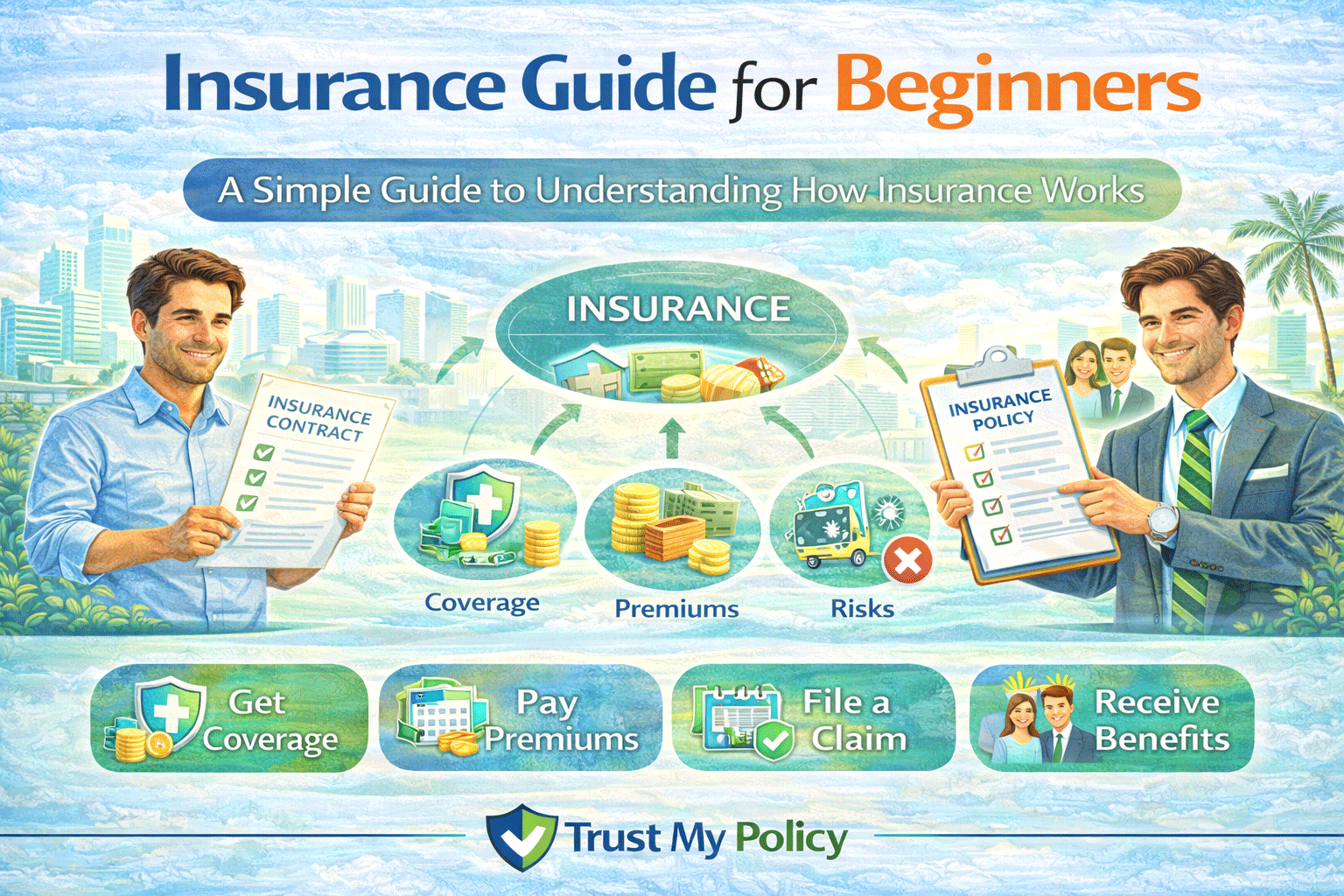
Insurance Guide for Beginners: A Simple Guide to Understanding How Insurance Works
Insurance is an important financial tool that helps people manage risk and protect themselves from unexpected financial losses. Many individuals hear about insurance through advertisements, financial advice, or workplace benefits, but the concept can still feel confusing for beginners. Terms such as premiums, deductibles, claims, and coverage limits may seem complex at first.
An insurance guide for beginners helps explain these concepts in simple terms so people can understand how insurance works and why it is important. Insurance is designed to provide financial protection when unexpected events happen. These events may include accidents, health issues, property damage, natural disasters, or liability claims.
Without insurance, a person may have to pay the full cost of these unexpected expenses on their own. Insurance helps spread risk across many people, making it easier to manage large financial losses.
This guide explains the basic concepts of insurance, the different types of coverage available, how insurance policies work, and common mistakes beginners should avoid. By understanding these basics, readers can make more informed decisions about protecting their finances and personal assets.
Table of Contents
ToggleInsurance Basics for Beginners
| Concept | Simple Meaning | Why It Matters |
|---|---|---|
| Premium | The amount you pay for insurance | Keeps the policy active |
| Deductible | Amount you pay before insurance helps | Affects claim costs |
| Coverage | The protection provided by a policy | Determines what is covered |
| Claim | A request for payment after a loss | How you receive financial help |
| Policy Limit | Maximum amount insurance pays | Defines protection level |
| Risk | Possibility of financial loss | Insurance helps manage it |
This quick overview helps beginners understand the most important insurance terms before learning about more detailed concepts.
What Is Insurance?
Insurance is a financial agreement between an individual and an insurance provider.
In this agreement:
-
The individual pays regular payments called premiums
-
The insurer provides financial protection against certain risks
If a covered event occurs, the policyholder can file a claim. The insurance provider may then help cover the financial loss based on the terms of the policy.
Insurance works by spreading risk across a large group of people. Many people pay premiums, but only some experience losses at any given time.
This system allows individuals to manage large risks without facing the full financial burden alone.
Why Insurance Is Important
Insurance helps individuals and families protect their financial stability.
Unexpected events can happen at any time, including:
-
Medical emergencies
-
Car accidents
-
Property damage
-
Theft
-
Natural disasters
-
Liability claims
Without insurance, these events may lead to significant financial stress.
Insurance helps by:
-
Reducing the financial impact of emergencies
-
Protecting assets such as homes and vehicles
-
Covering medical costs
-
Providing financial support after accidents
-
Helping individuals recover from unexpected events
Common Types of Insurance
Understanding the different types of insurance is an important part of any insurance guide for beginners.
Health Insurance
Health insurance helps cover medical expenses.
These may include:
-
Doctor visits
-
Hospital stays
-
Prescription medications
-
Medical procedures
-
Preventive care
Healthcare costs can be very expensive in many countries, making health insurance an important financial protection tool.
Life Insurance
Life insurance provides financial support to beneficiaries if the insured person passes away.
This type of insurance can help families cover:
-
Living expenses
-
Mortgage payments
-
Education costs
-
Funeral expenses
Life insurance is often used for long-term financial protection for family members.
Auto Insurance
Auto insurance protects drivers from financial losses related to vehicle accidents.
Coverage may include:
-
Vehicle damage
-
Liability for injuries
-
Property damage
-
Theft or vandalism
Many regions require drivers to carry a minimum level of auto insurance.
Home Insurance
Home insurance protects a property and belongings inside the home.
Typical coverage may include:
-
Structural damage
-
Theft
-
Fire damage
-
Storm damage
-
Liability protection
Home insurance helps homeowners recover from unexpected property damage.
Travel Insurance
Travel insurance protects travelers from unexpected events during trips.
Examples include:
-
Trip cancellations
-
Lost luggage
-
Medical emergencies abroad
-
Travel delays
This type of coverage is often used for international travel.
Detailed Comparison Table: Common Types of Insurance
| Insurance Type | What It Protects | Typical Risks Covered | Who Often Needs It |
|---|---|---|---|
| Health Insurance | Medical expenses | Illness, hospital costs | Individuals and families |
| Life Insurance | Family financial protection | Death of policyholder | Families and dependents |
| Auto Insurance | Vehicles and accident liability | Collisions, injuries | Drivers |
| Home Insurance | Property and belongings | Fire, storms, theft | Homeowners |
| Travel Insurance | Travel-related risks | Delays, medical emergencies | Travelers |
This comparison table helps beginners quickly understand how different insurance types serve different financial protection needs.
Key Insurance Concepts Explained
Premium
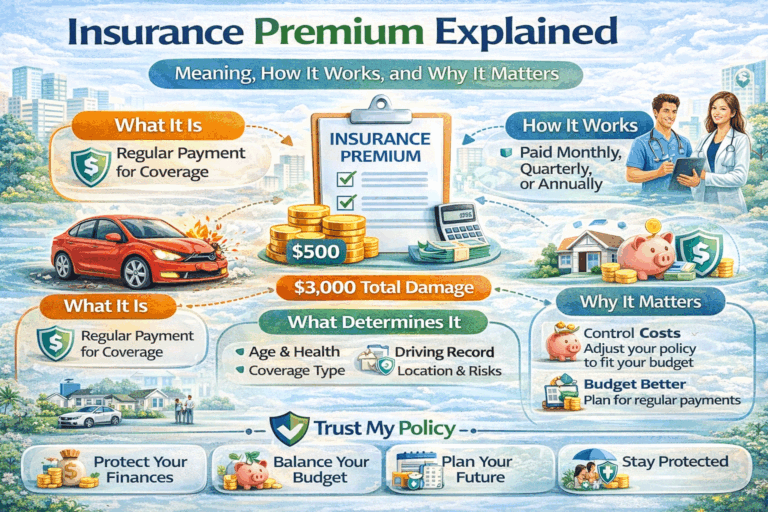
A premium is the amount a person pays to keep an insurance policy active.
Premiums may be paid:
-
Monthly
-
Quarterly
-
Annually
Premium costs depend on several factors including risk level, coverage limits, and personal circumstances.
Deductible
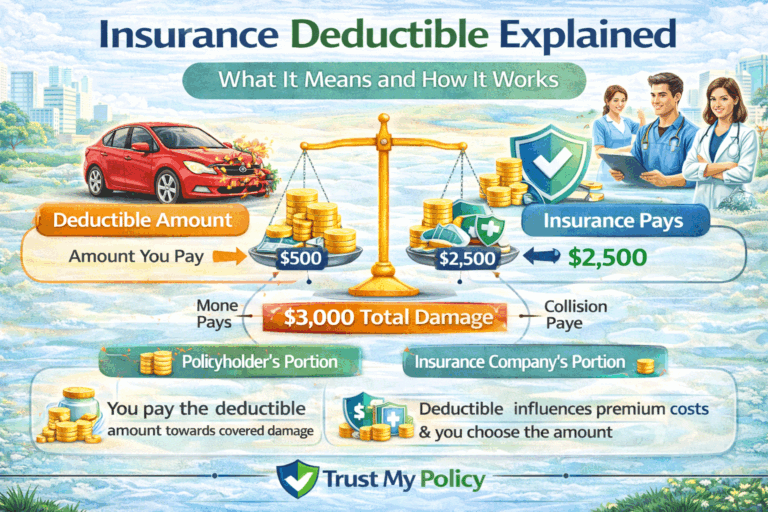
A deductible is the amount the policyholder must pay before insurance coverage begins.
For example:
If a deductible is $500 and a repair costs $2,000, the policyholder pays $500 and insurance may cover the remaining amount according to policy terms.
Policy Coverage
Coverage refers to the protection provided by the insurance policy.
Coverage details explain:
-
What events are covered
-
What items are protected
-
Any limitations or exclusions
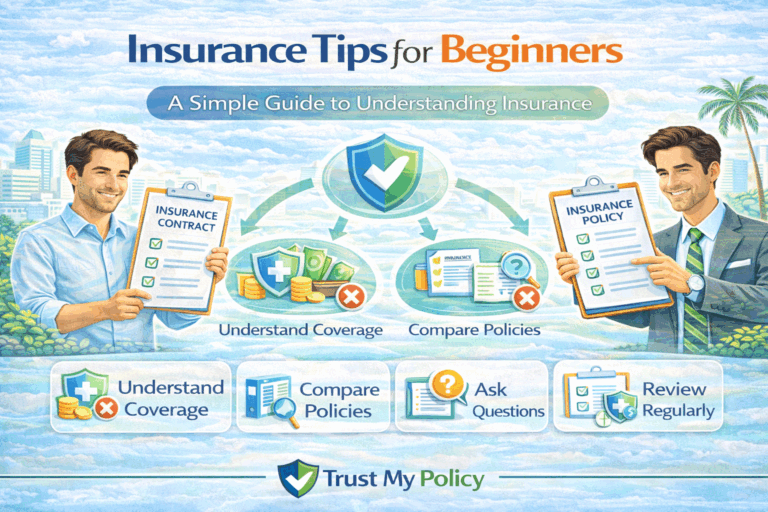
Understanding coverage is essential when comparing insurance policies.
Policy Limits
Policy limits define the maximum amount an insurance provider will pay for a claim.
If the claim exceeds the limit, the policyholder may need to pay the remaining amount.
Claims
A claim is a request made to an insurance provider after a loss occurs.
The insurer reviews the claim and determines whether it meets policy conditions.
If approved, the insurer may provide financial compensation based on coverage limits and deductibles.
Pros and Cons of Insurance
Advantages
-
Helps protect against major financial losses
-
Provides peace of mind during emergencies
-
Helps manage risks that may be difficult to afford alone
-
Supports financial recovery after accidents or disasters
-
Protects valuable assets
Limitations
-
Requires regular premium payments
-
Policies may contain exclusions
-
Claims may require documentation and verification
-
Coverage limits may apply
Understanding both advantages and limitations helps beginners make realistic insurance decisions.
Real-Life Examples of Insurance in Action
Medical Emergency
A person requires surgery after an unexpected illness. Health insurance helps cover hospital costs and treatment expenses.
Car Accident
A driver accidentally damages another vehicle in a collision. Auto insurance may help cover repair costs and liability claims.
House Fire
A small fire damages part of a home and destroys furniture. Home insurance may help pay for repairs and replacements.
Travel Disruption
A flight cancellation forces a traveler to stay longer than planned. Travel insurance may help cover additional accommodation expenses.
Common Insurance Mistakes Beginners Make
Not Reading Policy Details
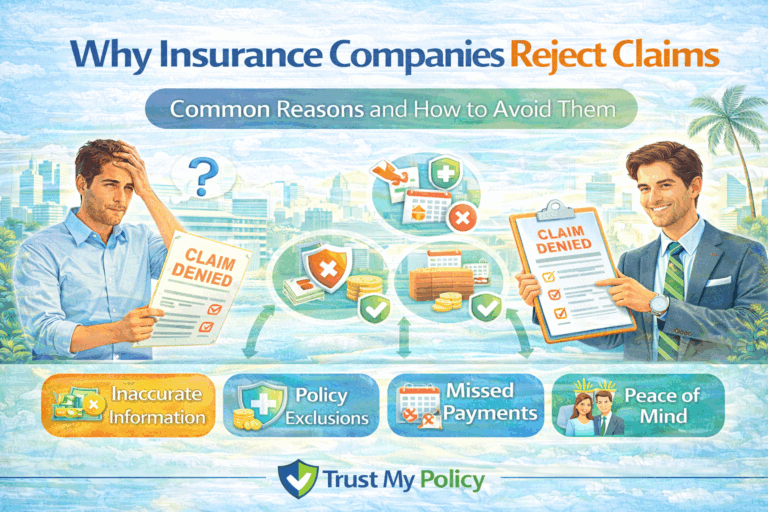
Many people do not fully read their policy documents. This can lead to confusion about what is covered.
Choosing Coverage Based Only on Price
Low-cost policies may provide limited protection. Coverage quality is also important.
Ignoring Deductibles
Some people overlook how deductibles affect claim costs.
A higher deductible usually means lower premiums but higher out-of-pocket costs during claims.
Not Updating Policies
Life changes such as buying a home, starting a family, or starting a business may require updated insurance coverage.
Assuming Everything Is Covered
Insurance policies often contain exclusions that explain situations not covered by the policy.
Frequently Asked Questions
What is insurance in simple terms?
Insurance is a financial agreement where individuals pay premiums to receive protection from large financial losses caused by unexpected events.
Why is insurance important for beginners?
Insurance helps beginners protect their finances from risks such as accidents, illness, or property damage.
What are the most common types of insurance?
Common types include health insurance, life insurance, auto insurance, home insurance, and travel insurance.
How do insurance premiums work?
Premiums are regular payments made to maintain an active insurance policy.
What happens when someone files an insurance claim?
The insurer reviews the claim to determine if it meets the policy terms. If approved, the insurer may provide financial compensation.
Can insurance cover all risks?
No policy covers every possible risk. Each insurance policy includes specific coverage details and exclusions.
How should beginners choose insurance?
Beginners should evaluate their personal risks, financial situation, and coverage needs before choosing a policy.
Conclusion
Understanding insurance can feel overwhelming at first, but learning the basics makes it easier to navigate financial protection decisions. This insurance guide for beginners explains how insurance works, the types of coverage available, and the key concepts that influence insurance policies.
Insurance is designed to help individuals manage risk and recover from unexpected financial losses. Whether the situation involves medical expenses, property damage, accidents, or travel disruptions, insurance can provide important financial support.
By understanding terms such as premiums, deductibles, coverage limits, and claims, beginners can better evaluate policies and make informed decisions about financial protection.
Insurance should be viewed as part of a broader financial planning strategy that helps individuals protect their assets and maintain stability during uncertain situations.
Disclaimer
Disclaimer: This article is for educational purposes only. Trust My Policy is an independent informational platform and does not sell insurance products or represent any insurance provider. Readers should consult official policy documents or licensed professionals for personalized advice.