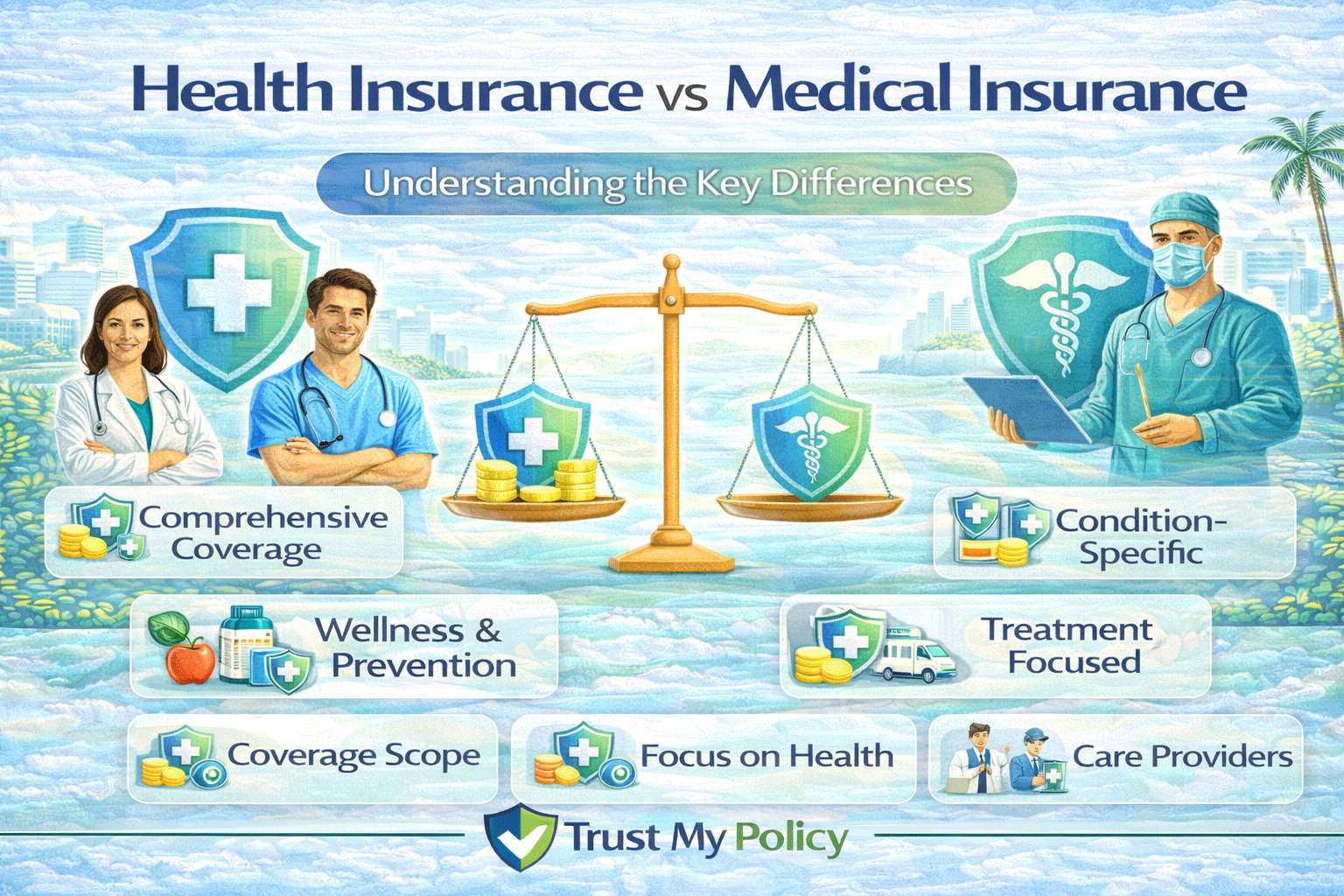
Health Insurance vs Medical Insurance: Understanding the Key Differences
Healthcare costs continue to rise around the world, making insurance coverage an important part of financial planning. Many people search for protection against medical expenses, but confusion often arises when comparing health insurance vs medical insurance.
Although these terms are sometimes used interchangeably, they may have different meanings depending on the country, policy structure, and insurance provider. In many cases, health insurance offers broader coverage, while medical insurance may focus more specifically on treatment and hospitalization costs.
Understanding the difference between these two types of coverage helps individuals make informed decisions about protecting themselves and their families from unexpected healthcare expenses.
Both health insurance and medical insurance aim to reduce the financial burden caused by illness, injury, or hospitalization. However, they may differ in:
-
Scope of coverage
-
Preventive care benefits
-
Claim structures
-
Eligibility requirements
-
Policy design
This guide explains health insurance vs medical insurance, including definitions, coverage differences, advantages, limitations, and real-life examples. The goal is to help readers clearly understand how these insurance types work and when each may be useful.
Health Insurance vs Medical Insurance
| Feature | Health Insurance | Medical Insurance |
|---|---|---|
| Coverage scope | Broad healthcare coverage | Usually focused on treatment costs |
| Preventive care | Often included | May not always be included |
| Hospitalization | Covered | Covered |
| Outpatient care | Often included | Sometimes limited |
| Long-term health support | Often included | Usually limited |
| Policy flexibility | Typically more flexible | Often more basic |
| Common use | Overall healthcare protection | Specific medical expense coverage |
Key takeaway:
Health insurance typically provides broader healthcare protection, while medical insurance may focus mainly on medical treatment and hospital-related costs.
What Is Health Insurance?
Health insurance is a type of financial protection that helps individuals cover a wide range of healthcare expenses. It generally includes preventive care, doctor visits, hospital treatment, medications, and other medical services.
Health insurance is designed to support overall healthcare needs, not just emergencies or hospitalization.
Common Features of Health Insurance
Health insurance policies often include coverage for:
-
Doctor consultations
-
Hospitalization
-
Diagnostic tests
-
Prescription medications
-
Preventive healthcare services
-
Emergency treatment
-
Mental health services in some plans
-
Maternity or newborn care in certain policies
Coverage details vary depending on the policy and country.
Purpose of Health Insurance
The primary goal of health insurance is to:
-
Improve access to healthcare services
-
Reduce financial risk during illness
-
Encourage preventive healthcare
-
Provide long-term health protection
Health insurance policies often support both routine medical care and major medical treatments.
What Is Medical Insurance?
Medical insurance generally refers to coverage that helps pay for medical treatment expenses, particularly those related to illness, injury, or hospitalization.
In many cases, medical insurance focuses more narrowly on medical treatment costs rather than broader healthcare services.
Typical Coverage in Medical Insurance
Medical insurance policies may include coverage for:
-
Hospital stays
-
Surgical procedures
-
Emergency treatment
-
Specialist consultations
-
Diagnostic tests related to treatment
-
Prescription medicines during treatment
However, coverage for preventive services such as annual checkups may be limited.
Purpose of Medical Insurance
Medical insurance is mainly intended to:
-
Reduce the cost of medical treatment
-
Cover hospitalization expenses
-
Provide financial protection during illness or injury
In some regions, medical insurance functions as a basic form of health coverage.
Health Insurance vs Medical Insurance: Detailed Comparison
| Feature | Health Insurance | Medical Insurance |
|---|---|---|
| Definition | Comprehensive healthcare coverage | Coverage mainly for treatment expenses |
| Coverage scope | Broad healthcare services | Treatment-focused coverage |
| Preventive care | Often included | Usually limited |
| Routine checkups | Frequently covered | May not be included |
| Hospitalization | Covered | Covered |
| Emergency care | Covered | Covered |
| Outpatient care | Often included | Sometimes limited |
| Long-term health management | Often supported | Less common |
| Wellness programs | Sometimes included | Rare |
| Coverage flexibility | Typically broader | Often basic coverage |
| Policy complexity | May be more detailed | Often simpler |
| Overall purpose | Holistic health protection | Medical treatment support |
This comparison highlights that health insurance generally provides wider healthcare coverage, while medical insurance may focus more directly on treatment costs.
Key Differences Between Health Insurance and Medical Insurance
1. Scope of Coverage
The most significant difference between health insurance vs medical insurance is the scope of protection.
Health insurance may cover:
-
Preventive healthcare
-
Routine doctor visits
-
Long-term health services
Medical insurance often focuses on:
-
Hospitalization
-
Medical treatment
-
Emergency care
2. Preventive Healthcare
Health insurance policies often encourage preventive care through coverage for:
-
Health screenings
-
Vaccinations
-
Annual checkups
Medical insurance may not include these services.
3. Outpatient Services
Health insurance frequently covers outpatient services such as:
-
Doctor consultations
-
Diagnostic testing
-
Follow-up appointments
Medical insurance may only cover outpatient care if it is directly related to hospitalization.
4. Long-Term Health Support
Health insurance may provide support for ongoing medical needs such as:
-
Chronic disease management
-
Rehabilitation services
-
Preventive treatment
Medical insurance may focus mainly on short-term treatment expenses.
Pros and Cons of Health Insurance
Advantages
-
Broad healthcare coverage
-
Preventive care support
-
Coverage for routine doctor visits
-
Financial protection from major medical costs
-
Long-term healthcare support
Disadvantages
-
Premiums may be higher
-
Policy terms can be complex
-
Coverage may include waiting periods
Pros and Cons of Medical Insurance
Advantages
-
Often simpler policy structure
-
Focus on treatment and hospitalization
-
Can provide essential financial protection during illness
-
May have lower premiums in some cases
Disadvantages
-
Limited preventive care coverage
-
May not cover routine healthcare
-
Outpatient benefits may be restricted
-
Less comprehensive protection
Real-Life Examples of Health Insurance vs Medical Insurance
Understanding how these policies work in real situations helps clarify their differences.Example 1: Preventive Healthcare
A person visits a doctor for an annual health checkup.
-
Health insurance: The visit may be covered depending on the policy.
-
Medical insurance: The visit may not be covered if it is not related to illness.
Example 2: Hospital Surgery
A patient requires surgery due to an injury.
-
Health insurance: Surgery and hospital stay may be covered.
-
Medical insurance: Treatment and hospitalization are typically covered.
Example 3: Chronic Disease Management
A patient requires ongoing treatment for diabetes.
-
Health insurance: Regular doctor visits and tests may be covered.
-
Medical insurance: Coverage may apply mainly during hospitalization or acute treatment.
Example 4: Emergency Accident
A person is hospitalized after an accident.
-
Both health insurance and medical insurance usually provide coverage for emergency treatment and hospital expenses.
Common Misunderstandings About Health Insurance and Medical Insurance
Many people misunderstand the difference between health insurance vs medical insurance.
1. Assuming Both Terms Mean the Same Thing
In everyday conversation, the terms are often used interchangeably. However, policy coverage may differ depending on the insurer or country.
2. Believing Medical Insurance Covers All Healthcare Costs
Medical insurance often focuses on treatment expenses, not routine healthcare.
3. Ignoring Preventive Care Coverage
Preventive healthcare services can help detect health problems early, but not all policies include them.
4. Choosing Coverage Based Only on Premium Cost
A lower premium may mean limited coverage, which could lead to higher out-of-pocket costs later.
5. Not Reading Policy Details
Policy documents contain important information about:
-
Coverage limits
-
Waiting periods
-
Exclusions
Understanding these details is important before purchasing coverage.
Frequently Asked Questions
What is the main difference between health insurance and medical insurance?
Health insurance generally provides broader healthcare coverage, while medical insurance may focus mainly on treatment and hospitalization costs.
Are health insurance and medical insurance the same?
Not always. In some countries the terms are used interchangeably, but in others they may represent different levels of coverage.
Which insurance covers preventive healthcare?
Health insurance often includes preventive services such as screenings and checkups. Medical insurance may not always include these benefits.
Does medical insurance cover doctor visits?
It depends on the policy. Some medical insurance plans cover doctor visits related to treatment, while routine visits may not be included.
Can someone have both health insurance and medical insurance?
In some cases, individuals may have multiple policies that provide different types of healthcare coverage.
Why is health insurance considered more comprehensive?
Health insurance often includes preventive care, outpatient services, and long-term health management in addition to treatment costs.
Conclusion
Understanding health insurance vs medical insurance is important for anyone planning healthcare protection. Although the two terms are sometimes used interchangeably, they can represent different levels of coverage depending on policy design.
Health insurance generally provides broader protection, covering a wide range of healthcare services including preventive care, doctor visits, and ongoing treatment.
Medical insurance typically focuses on medical treatment and hospitalization costs, offering financial support during illness or injury.
Both types of coverage aim to reduce the financial burden caused by healthcare expenses. The right choice depends on individual needs, healthcare systems, and policy features.
By carefully reviewing coverage details, individuals can select insurance that supports both their health needs and financial stability.
Disclaimer:
This article is for educational purposes only. Trust My Policy is an independent informational platform and does not sell insurance products or represent any insurance provider. Readers should consult official policy documents or licensed professionals for personalized advice.