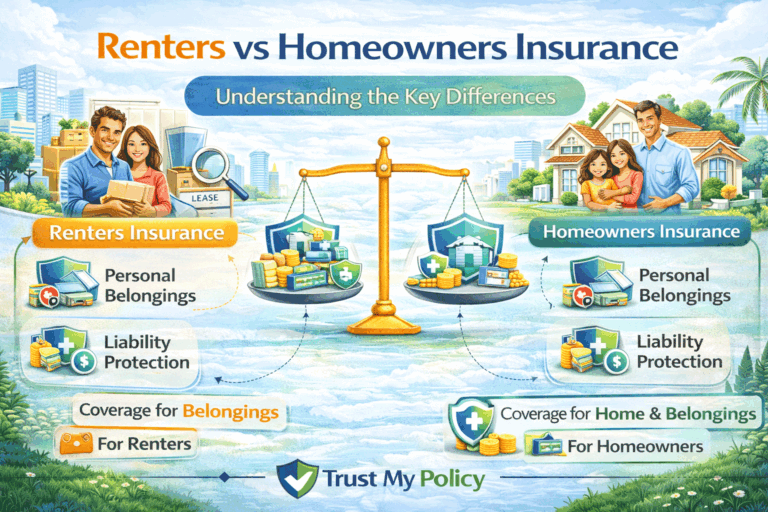

Home Insurance Premium Factors: What Determines Your Insurance Cost
Home insurance is designed to protect homeowners from financial losses caused by unexpected events such as fires, storms, theft, and accidents. While the protection offered by home insurance is similar across many policies, the cost of home insurance premiums can vary widely from one homeowner to another.
Many people wonder why two homes with similar features can have very different insurance premiums. The reason is that insurance companies evaluate several home insurance premium factors before determining how much a policy will cost.
These factors help insurers estimate the level of risk associated with insuring a particular property. The higher the risk of damage or claims, the higher the premium may be. On the other hand, lower-risk properties may qualify for more affordable insurance costs.
Understanding the factors that affect home insurance premiums can help homeowners make informed decisions about their coverage. It can also help them identify ways to manage or reduce insurance costs while maintaining appropriate protection.
This guide explains the most important home insurance premium factors, how they influence pricing, and what homeowners should know when evaluating insurance policies.
Key Home Insurance Premium Factors
| Premium Factor | What It Means | Example | Impact on Premium |
|---|---|---|---|
| Property Location | Geographic risk level | Flood or storm-prone areas | High impact |
| Home Value | Cost to rebuild the house | Large homes cost more to insure | High impact |
| Coverage Limits | Maximum claim payment | Higher limits increase cost | High impact |
| Deductible Amount | Out-of-pocket cost before claim | Higher deductible lowers premium | Medium impact |
| Claims History | Past insurance claims | Frequent claims increase risk | Medium impact |
| Home Safety Features | Security and protection systems | Alarm systems reduce risk | Medium impact |
| Property Age and Condition | Age of roof, wiring, plumbing | Older homes may have higher risk | Medium to high impact |
, benefits, and financial protection options available to policyholders. Many readers compare multiple guides before selecting a plan so they can clearly evaluate premiums, claim procedures, and long‑term advantages. A useful resource to explore is Insurance for Freelancers, which explains how this insurance policy works, the key benefits it offers, and situations where it may be the most suitable option. By reviewing this guide, you can gain deeper insights into coverage features, eligibility requirements, and practical tips that help individuals and families make smarter insurance decisions.
What Are Home Insurance Premium Factors?
Home insurance premium factors are the variables insurance companies use to calculate the cost of a home insurance policy.
Insurance providers analyze these factors to estimate the likelihood of claims and the potential cost of damages.
These factors typically include:
-
Location of the property
-
Size and construction of the home
-
Risk exposure to disasters
-
Coverage limits and deductibles
-
Claims history
-
Home safety measures
The combination of these elements helps insurers determine how much risk is involved in insuring a particular property.
Understanding these factors helps homeowners evaluate why premiums vary and what adjustments may influence insurance costs.
Major Home Insurance Premium Factors
Property Location
One of the most important factors affecting home insurance premiums is the location of the property.
Location influences the level of risk associated with natural disasters and environmental hazards.
Examples include:
-
Coastal areas prone to hurricanes
-
Regions with frequent floods
-
Areas with high wildfire risk
-
Locations with higher crime rates
Homes located in areas with higher risk levels may have higher insurance premiums.
Local building costs and access to emergency services can also influence insurance pricing.
Home Value and Rebuilding Cost
Insurance companies estimate the cost to rebuild the home, which directly affects premium pricing.
This estimate includes:
-
Construction materials
-
Labor costs
-
Home size and design
-
Architectural features
Larger or more complex homes typically cost more to rebuild and therefore require higher coverage limits.
Higher rebuilding costs generally lead to higher insurance premiums.
Coverage Limits
Coverage limits define the maximum amount the insurance policy will pay for a claim.
Higher coverage limits increase the level of financial protection but also increase the premium cost.
Coverage limits may apply to:
-
Dwelling protection
-
Personal belongings
-
Liability coverage
-
Detached structures
Homeowners should balance coverage levels with affordability when choosing insurance policies.
Deductible Amount
The deductible is the amount the homeowner must pay before insurance coverage begins.
Example:
-
If the deductible is $1,000 and damage costs $10,000, the homeowner pays $1,000 and insurance may cover the remaining amount according to policy terms.
Higher deductibles often result in lower insurance premiums because the homeowner shares more financial responsibility.
However, homeowners should ensure they can afford the deductible during emergencies.
Claims History
Insurance providers often review past claims associated with the property or homeowner.
Frequent claims may suggest a higher likelihood of future losses.
Examples include:
-
Multiple water damage claims
-
Repeated theft incidents
-
Frequent property damage claims
A history of frequent claims may lead to higher premiums.
Age and Condition of the Home
Older homes may present higher risk due to aging infrastructure.
Examples include:
-
Outdated electrical systems
-
Older plumbing systems
-
Worn roofing materials
Homes with updated systems and proper maintenance may pose lower risk and may have more stable insurance pricing.
Home Safety and Security Features
Safety features may reduce the likelihood of damage or theft.
Examples include:
-
Smoke detectors
-
Fire extinguishers
-
Security alarm systems
-
Storm shutters
Risk reduction measures can influence how insurers evaluate the property.
In some cases, improved safety may contribute to lower premiums.
Construction Materials
The materials used to build a home affect how resistant it is to damage.
Examples include:
-
Fire-resistant materials
-
Reinforced roofing
-
Durable siding materials
Homes constructed with materials that reduce risk may have lower insurance costs.
Local Risk Factors
Some risks depend on regional environmental conditions.
Examples include:
-
Flood zones
-
Earthquake zones
-
Wildfire-prone areas
-
Severe weather regions
Homes located in high-risk areas may require additional coverage or higher premiums.
, benefits, and financial protection options available to policyholders. Many readers compare multiple guides before selecting a plan so they can clearly evaluate premiums, claim procedures, and long‑term advantages. A useful resource to explore is Health Insurance vs Medical Insurance, which explains how this insurance policy works, the key benefits it offers, and situations where it may be the most suitable option. By reviewing this guide, you can gain deeper insights into coverage features, eligibility requirements, and practical tips that help individuals and families make smarter insurance decisions.
Detailed Comparison of Home Insurance Premium Factors
| Factor | Risk Level Influence | Example Scenario | Possible Premium Effect |
|---|---|---|---|
| Location | Very High | Coastal hurricane zones | Higher premiums |
| Home Value | High | Large luxury homes | Higher premiums |
| Coverage Limits | High | Extensive coverage levels | Higher premiums |
| Deductible | Medium | $2,000 deductible | Lower premiums |
| Claims History | Medium | Frequent past claims | Higher premiums |
| Safety Features | Medium | Alarm systems installed | Potential reduction |
| Home Age | Medium | 50-year-old home | Possible higher premium |
| Construction Type | Medium | Fire-resistant materials | Potential reduction |
Pros and Cons of Home Insurance Premium Pricing Factors
Advantages
-
Premium pricing reflects actual risk levels
-
Encourages homeowners to improve property safety
-
Allows customization of coverage and cost
-
Provides flexibility through deductibles and coverage options
-
Helps insurers manage risk efficiently
Limitations
-
Premium costs may vary widely by region
-
High-risk areas may have higher insurance costs
-
Older homes may face increased premiums
-
Frequent claims may affect future insurance pricing
-
Some risk factors are outside homeowner control
Understanding these advantages and limitations helps homeowners evaluate insurance pricing more effectively.
Real-Life Examples
Example 1: Location Risk
A homeowner living in a coastal region faces higher storm risk.
Insurance premiums may be higher due to increased likelihood of hurricane damage.
Example 2: Higher Deductible
A homeowner increases their deductible from $500 to $2,000.
The premium decreases because the homeowner takes on more financial responsibility during claims.
Example 3: Safety Improvements
A homeowner installs smoke detectors, security cameras, and reinforced roofing.
These safety measures may influence the risk assessment of the property.
Example 4: Home Renovation
A homeowner replaces an aging roof and upgrades electrical wiring.
Improved property condition may reduce potential damage risks.
, benefits, and financial protection options available to policyholders. Many readers compare multiple guides before selecting a plan so they can clearly evaluate premiums, claim procedures, and long‑term advantages. A useful resource to explore is Life Insurance for Business Owners, which explains how this insurance policy works, the key benefits it offers, and situations where it may be the most suitable option. By reviewing this guide, you can gain deeper insights into coverage features, eligibility requirements, and practical tips that help individuals and families make smarter insurance decisions.
Common Mistakes Homeowners Make
Ignoring Coverage Limits
Choosing lower premiums without sufficient coverage may lead to financial gaps during claims.
Not Understanding Deductibles
Some homeowners select high deductibles without considering whether they can afford the cost during emergencies.
Failing to Update Insurance After Renovations
Home improvements that increase rebuilding costs should be reflected in insurance coverage.
Underestimating Personal Property Value
Belongings such as electronics, furniture, and appliances may add significant value that should be insured.
Assuming All Policies Are the Same
Home insurance policies may vary in coverage, limits, and exclusions.
Comparing policy details helps homeowners understand the differences.
Frequently Asked Questions (FAQs)
What are home insurance premium factors?
Home insurance premium factors are variables used by insurers to determine the cost of a homeowners insurance policy.
What factor affects home insurance the most?
Property location and rebuilding cost are often among the most influential factors affecting premiums.
Does a higher deductible reduce home insurance premiums?
Yes. Higher deductibles generally lower premiums because homeowners assume more financial responsibility during claims.
Does home age affect insurance pricing?
Older homes may have higher premiums if they include outdated systems or increased structural risk.
Can safety features reduce insurance costs?
Safety measures such as smoke detectors and security systems may influence risk assessment and pricing.
Why do insurance premiums vary between homes?
Premiums vary due to differences in property value, location risk, coverage limits, and claims history.
Should homeowners review insurance policies regularly?
Yes. Regular policy reviews ensure that coverage levels match property value and current needs.
, benefits, and financial protection options available to policyholders. Many readers compare multiple guides before selecting a plan so they can clearly evaluate premiums, claim procedures, and long‑term advantages. A useful resource to explore is How Home Insurance Works, which explains how this insurance policy works, the key benefits it offers, and situations where it may be the most suitable option. By reviewing this guide, you can gain deeper insights into coverage features, eligibility requirements, and practical tips that help individuals and families make smarter insurance decisions.
Conclusion
Understanding home insurance premium factors helps homeowners better evaluate insurance costs and coverage decisions. Insurance providers assess multiple elements, including property location, rebuilding cost, coverage limits, deductibles, safety features, and claims history when determining premium pricing.
While some factors such as geographic location may be beyond a homeowner’s control, others—such as coverage limits, deductibles, and property maintenance—can influence insurance costs. By understanding how these factors interact, homeowners can make more informed choices when selecting or reviewing insurance policies.
Home insurance is designed to provide financial protection during unexpected events. Knowing what influences premium costs helps homeowners balance affordability with the level of protection they need for their property and belongings.
, benefits, and financial protection options available to policyholders. Many readers compare multiple guides before selecting a plan so they can clearly evaluate premiums, claim procedures, and long‑term advantages. A useful resource to explore is Insurance Underwriting Process, which explains how this insurance policy works, the key benefits it offers, and situations where it may be the most suitable option. By reviewing this guide, you can gain deeper insights into coverage features, eligibility requirements, and practical tips that help individuals and families make smarter insurance decisions.
Disclaimer
Disclaimer: This article is for educational purposes only. Trust My Policy is an independent informational platform and does not sell insurance products or represent any insurance provider. Readers should consult official policy documents or licensed professionals for personalized advice.