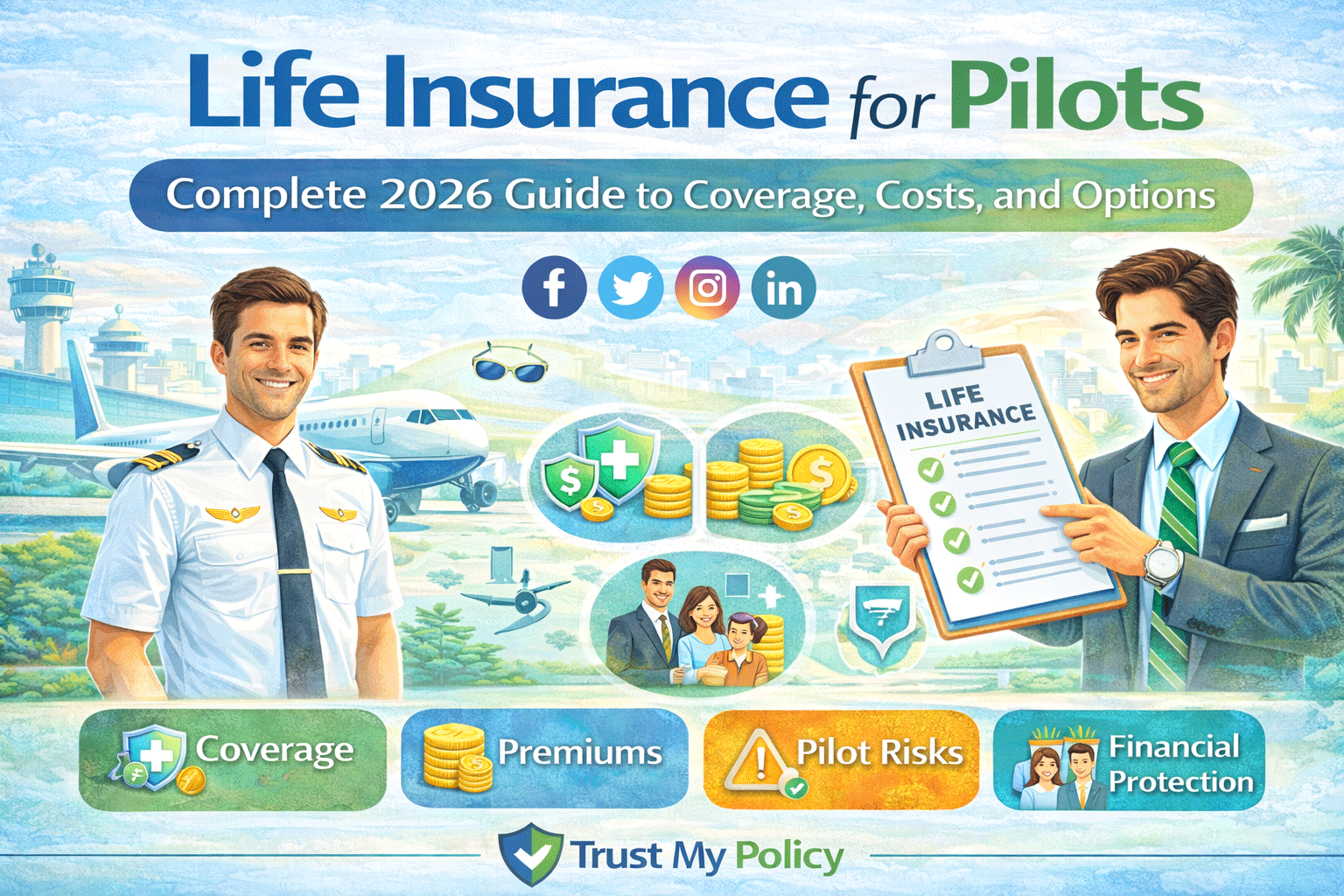
Life Insurance for Pilots: Complete 2026 Guide to Coverage, Costs, and Options
Life insurance for pilots is a specialized topic because aviation is often viewed as a higher-risk profession or hobby. Whether someone is a commercial airline captain, a cargo pilot, a military aviator, or a private aircraft owner, insurers may assess aviation exposure differently compared to other occupations.
Pilots often have unique insurance considerations. Some policies may include aviation exclusions. Others may charge higher premiums or require detailed flight history information. Understanding these details is important before purchasing coverage.
For a global audience, life insurance systems vary by country, but underwriting principles are similar worldwide. Insurers evaluate risk based on occupation, health, lifestyle, and flight frequency. This guide explains how life insurance works for pilots, what types of policies are available, how premiums are calculated, and what mistakes to avoid. It is written in simple, clear language to help pilots and their families make informed financial decisions.
, benefits, and financial protection options available to policyholders. Many readers compare multiple guides before selecting a plan so they can clearly evaluate premiums, claim procedures, and long‑term advantages. A useful resource to explore is Why Car Insurance Is Expensive, which explains how this insurance policy works, the key benefits it offers, and situations where it may be the most suitable option. By reviewing this guide, you can gain deeper insights into coverage features, eligibility requirements, and practical tips that help individuals and families make smarter insurance decisions.
Life Insurance for Pilots
| Factor | What It Means | Why It Matters |
|---|---|---|
| Occupation Type | Commercial, private, military | Risk category affects premium |
| Flight Hours | Annual and total hours | More hours may increase risk rating |
| Aircraft Type | Commercial jet vs small private aircraft | Different risk levels |
| Policy Type | Term or permanent life insurance | Affects cost and duration |
| Aviation Exclusion | Clause limiting aviation coverage | Must review carefully |
| Premium Rating | Standard or rated policy | Impacts affordability |
| Medical Exam | Health assessment | Influences approval and price |
What Is Life Insurance for Pilots?
Life insurance for pilots refers to policies designed or underwritten with aviation exposure in mind.
Pilots can qualify for:
-
Term life insurance
-
Whole life insurance
-
Universal life insurance
However, insurers often:
-
Ask about flight type and frequency
-
Review safety history
-
Apply special underwriting guidelines
Not all policies automatically cover aviation risks. Some may include exclusions unless disclosed properly during application.
Why Pilots May Face Different Insurance Conditions
Insurance companies assess risk using actuarial data. Aviation, while statistically safe in commercial operations, still carries perceived higher risk compared to standard office jobs.
Factors insurers consider:
-
Type of flying (commercial vs private)
-
Aircraft class
-
Instrument rating
-
Total logged hours
-
Accident history
-
Whether flying is hobby or profession
Commercial airline pilots often receive more favorable rates compared to recreational pilots flying small private aircraft.
Types of Life Insurance Available to Pilots
1. Term Life Insurance
Provides coverage for a specific period (10, 20, 30 years).
Key Features:
-
Lower premiums
-
Fixed term
-
No cash value
-
Ideal for income protection
Often the most affordable choice for pilots.
2. Whole Life Insurance
Provides lifetime coverage.
Key Features:
-
Permanent protection
-
Builds cash value
-
Higher premiums
-
Stable, predictable payments
3. Universal Life Insurance
Flexible permanent policy.
Key Features:
-
Adjustable premiums
-
Cash value growth
-
Long-term financial planning tool
Term vs Permanent Life Insurance for Pilots
| Feature | Term Life | Whole Life | Universal Life |
|---|---|---|---|
| Coverage Duration | Fixed term | Lifetime | Lifetime |
| Premium | Lower | Higher | Flexible |
| Cash Value | No | Yes | Yes |
| Best For | Income protection | Estate planning | Flexible planning |
| Affordability | High | Moderate to Low | Moderate |
Aviation Risk Categories Explained
Insurance companies often classify pilots into categories:
Commercial Airline Pilots
-
Structured safety systems
-
Strict regulations
-
Often qualify for standard rates
Cargo Pilots
-
May fly at night
-
Variable schedules
-
Risk rating depends on operations
Military Pilots
-
Risk varies based on active duty status
-
Combat roles may impact eligibility
Private or Recreational Pilots
-
Small aircraft
-
Personal flights
-
May face higher premiums
Student Pilots
-
Limited experience
-
Risk assessment depends on training structure
How Underwriting Works for Pilots
When applying for life insurance, pilots typically provide:
-
Total flight hours
-
Annual flight hours
-
Aircraft type
-
Certifications
-
Accident or violation history
Insurers may:
-
Offer standard rate
-
Apply aviation flat extra charge
-
Add aviation exclusion
-
Decline application (rare but possible in high-risk cases)
What Is an Aviation Exclusion?
An aviation exclusion means the policy may not pay if death occurs during certain aviation activities.
Important points:
-
Some exclusions apply only to non-commercial flying.
-
Others exclude specific aircraft types.
-
Disclosure is critical during application.
Always review policy wording carefully.
How Premiums Are Calculated for Pilots
Premium depends on:
1. Age
Younger applicants pay less.
2. Health
Chronic conditions increase premium.
3. Smoking Status
Smokers pay significantly higher rates.
4. Flight Frequency
More annual flight hours may increase rating.
5. Aircraft Type
Flying large commercial jets often viewed as lower risk than small experimental aircraft.
Aviation Flat Extra Charges Explained
Some insurers apply a “flat extra” premium.
Example:
-
Additional cost per $1,000 of coverage
-
Added to base premium
This is common for private pilots with frequent flight hours.
Pros and Cons of Life Insurance for Pilots
Advantages
-
Financial protection for family
-
Income replacement
-
Debt coverage
-
Peace of mind
-
Flexible term options
Disadvantages
-
Potential higher premiums
-
Possible aviation exclusions
-
Detailed underwriting process
-
More paperwork required
Real-Life Use Cases
Example 1: Commercial Airline Captain
Age 40, healthy, flies international routes.
Likely outcome:
-
Qualifies for standard term rates.
-
20- or 30-year term matches working years.
Example 2: Private Pilot Flying Small Aircraft
Flies recreationally 200 hours per year.
Possible outcome:
-
Rated policy with flat extra charge.
Example 3: Military Pilot on Active Duty
Coverage depends on duty status and risk level.
May require specialized underwriting review.
Example 4: Student Pilot
Limited hours.
Insurer evaluates training program and supervision structure.
How Much Coverage Should Pilots Consider?
Common methods include:
-
10–15 times annual income
-
Debt coverage (mortgage, loans)
-
Children’s education costs
-
Long-term living expenses
Pilots with high incomes may need larger policies for income replacement.
Common Mistakes Pilots Make When Buying Life Insurance
1. Not Disclosing Flight Activity
Failure to disclose aviation exposure can void policy.
2. Accepting Policy with Broad Aviation Exclusion
May leave family unprotected.
3. Buying Too Little Coverage
Underestimating income replacement needs.
4. Choosing Short Term Length
Policy may expire before retirement.
5. Ignoring Conversion Option
Convertible term allows switch to permanent policy later.
Term vs Permanent Insurance: Which Is Better for Pilots?
There is no universal answer.
Term life is often suitable for:
-
Income replacement
-
Raising children
-
Paying off mortgage
Permanent insurance may suit:
-
Estate planning
-
Lifetime coverage needs
-
Long-term wealth transfer goals
Additional Riders Pilots May Consider
-
Accelerated death benefit
-
Waiver of premium
-
Accidental death rider
-
Child rider
Riders increase flexibility but may increase cost.
Frequently Asked Questions (FAQs)
1. Can pilots get life insurance?
Yes. Most pilots qualify, though underwriting may vary based on flight activity.
2. Is life insurance more expensive for pilots?
It can be, especially for private or high-risk flying. Commercial airline pilots often receive standard rates.
3. Do policies always cover aviation?
Not always. Some include aviation exclusions. Always review policy details.
4. Is a medical exam required?
Many policies require a medical exam, though no-exam options exist at higher cost.
5. What is an aviation flat extra?
An additional premium charged due to aviation risk.
6. Can military pilots get coverage?
Yes, though eligibility and pricing depend on duty status and role.
7. Should pilots choose term or whole life?
It depends on financial goals, budget, and long-term needs.
Key Checklist Before Buying
-
Disclose full aviation activity
-
Compare multiple quotes
-
Review exclusions carefully
-
Check insurer financial strength
-
Select appropriate term length
-
Confirm beneficiary details
-
Understand premium structure
Conclusion
Life insurance for pilots requires careful evaluation because aviation exposure influences underwriting decisions. Commercial airline pilots often qualify for competitive rates, while private and recreational pilots may face higher premiums or special conditions.
The best policy depends on individual needs, including income replacement goals, debt obligations, family responsibilities, and long-term financial plans. Term life insurance is often the most affordable option for income protection. Permanent policies may suit estate planning or lifetime coverage needs.
Understanding aviation exclusions, flat extra charges, and disclosure requirements is essential. By comparing options and reviewing policy details carefully, pilots can secure meaningful financial protection for their families.
Disclaimer: This article is for educational purposes only. Trust My Policy is an independent informational platform and does not sell insurance products or represent any insurance provider. Readers should consult official policy documents or licensed professionals for personalized advice.