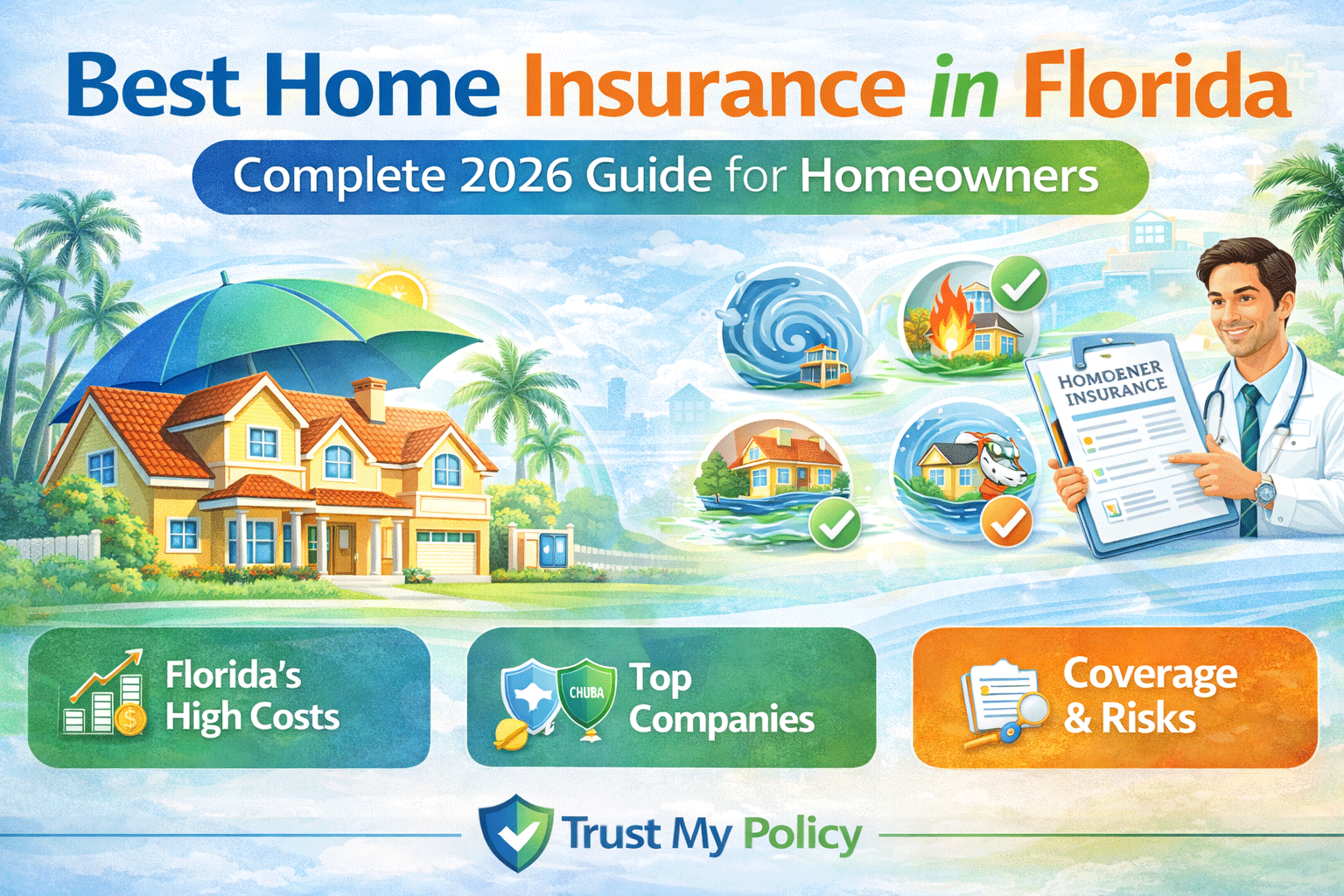
Best Home Insurance in Florida: Complete 2026 Guide for Homeowners
Finding the best home insurance in Florida can feel challenging. Florida homeowners face unique risks such as hurricanes, tropical storms, flooding, high humidity, and rising construction costs. Because of these factors, home insurance in Florida is often more complex and expensive compared to many other regions.
Whether you are buying your first house, renewing your homeowners policy, or comparing coverage options, understanding how Florida home insurance works is essential. The right policy can protect your home structure, personal belongings, and financial stability after unexpected events like wind damage, fire, theft, or liability claims.
This detailed guide explains what makes the best home insurance in Florida, what coverage types to look for, how pricing works, and common mistakes to avoid. You will find clear comparison tables, coverage explanations, real-life examples, FAQs, and practical tips — all written in simple, easy-to-understand language.
Summary: Best Home Insurance in Florida
| Feature | What to Look For |
|---|---|
| Hurricane Coverage | Windstorm protection included |
| Flood Coverage | Separate flood policy often required |
| Dwelling Coverage | Full replacement cost |
| Deductibles | Understand hurricane deductible |
| Liability Protection | Adequate personal liability limits |
| Additional Living Expenses | Temporary housing coverage |
| Claims Process | Clear documentation requirements |
| Financial Stability | Strong insurer reliability |
What Is Home Insurance?
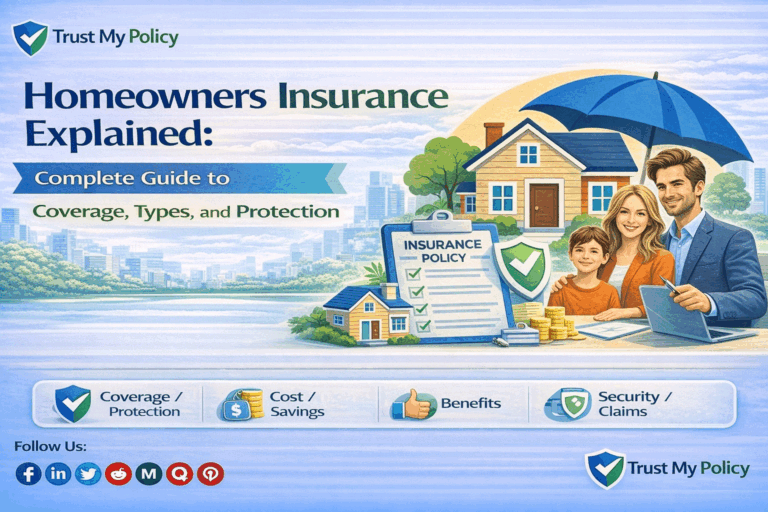
Home insurance, also called homeowners insurance, is a financial protection policy that helps pay for damage or loss to your home and belongings. It also covers certain legal liabilities if someone is injured on your property.
In Florida, home insurance policies often include special provisions for windstorms and hurricanes due to the state’s coastal exposure.
Why Home Insurance Is Different in Florida
Florida’s location makes it vulnerable to:
-
Hurricanes and tropical storms
-
Strong winds
-
Storm surges
-
Heavy rainfall
-
Flooding
-
Mold and water damage
-
Sinkholes in some regions
Because of these risks, insurers use specialized deductibles and policy terms. Premiums may also be higher than national averages.
Types of Coverage in Florida Home Insurance
1. Dwelling Coverage (Coverage A)
Covers repair or rebuilding of the physical structure of your home after covered damage.
Includes:
-
Roof
-
Walls
-
Foundation
-
Built-in appliances
2. Other Structures Coverage (Coverage B)
Covers detached structures like:
-
Garages
-
Fences
-
Sheds
-
Guest houses
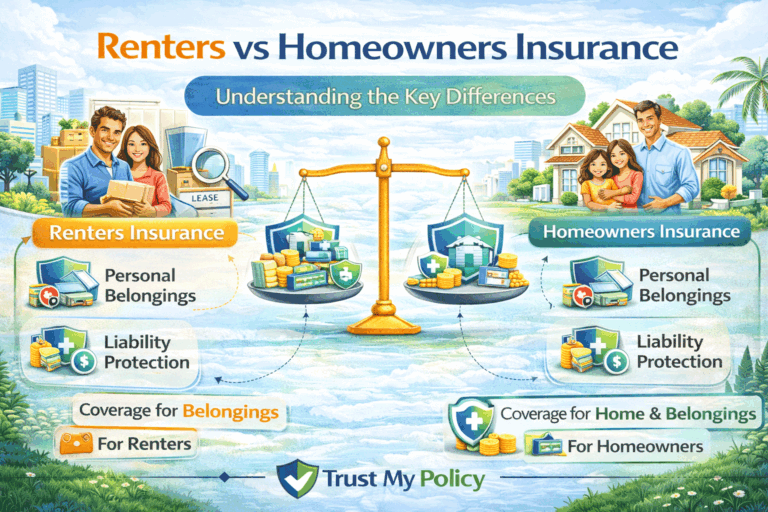
3. Personal Property Coverage (Coverage C)
Protects personal belongings such as:
-
Furniture
-
Electronics
-
Clothing
-
Appliances
4. Liability Protection (Coverage E)
Covers legal costs if:
-
Someone is injured on your property
-
You accidentally damage someone else’s property
5. Additional Living Expenses (Coverage D)
Pays for:
-
Temporary housing
-
Hotel stays
-
Food costs
If your home becomes unlivable after a covered loss.
6. Hurricane and Windstorm Coverage
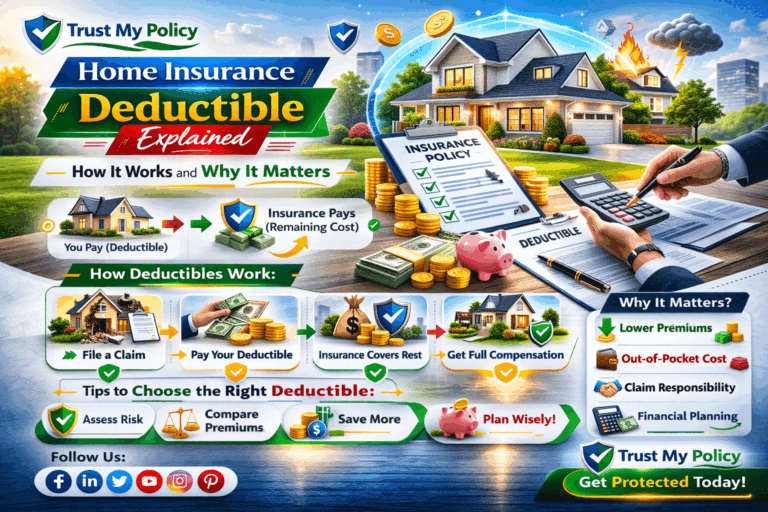
Most Florida policies include hurricane deductibles, which are separate from standard deductibles.
These deductibles are often:
-
A percentage of dwelling coverage (e.g., 2%, 5%, or 10%)
7. Flood Insurance (Separate Policy)
Standard home insurance does NOT cover flood damage.
Flood insurance usually requires:
-
Separate purchase
-
Special eligibility depending on flood zone
Detailed Comparison Table: Key Coverage Components
| Coverage Type | What It Covers | Included in Standard Policy? | Important for Florida? |
|---|---|---|---|
| Dwelling | Home structure | Yes | Yes |
| Other Structures | Detached buildings | Yes | Yes |
| Personal Property | Belongings | Yes | Yes |
| Liability | Legal responsibility | Yes | Yes |
| Hurricane/Windstorm | Storm damage | Yes (with deductible) | Critical |
| Flood | Rising water | No | Very Important |
| Sinkhole | Ground collapse | Optional | Area dependent |
How to Evaluate the Best Home Insurance in Florida
When comparing policies, focus on these factors:
1. Coverage Limits
Ensure your dwelling coverage matches full replacement cost — not market value.
2. Hurricane Deductible
Understand:
-
Percentage-based deductible
-
When it applies
-
How much you would pay out-of-pocket
3. Flood Zone Classification
Homes in high-risk flood zones may require additional coverage.
4. Roof Age and Condition
In Florida:
-
Older roofs may increase premiums.
-
Inspections are common.
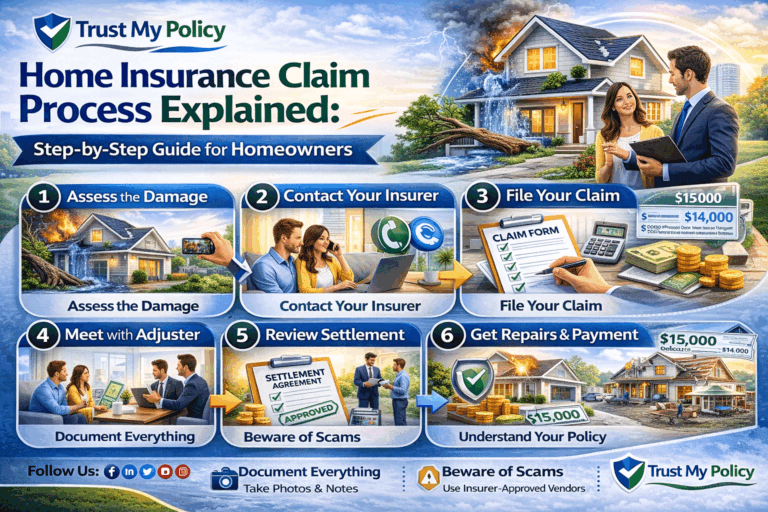
5. Claims Process Transparency
Look for:
-
Clear claim filing procedures
-
Reasonable processing timelines
Pros and Cons of Florida Home Insurance
Advantages
-
Protects against hurricane damage
-
Covers fire and theft
-
Offers liability protection
-
Provides temporary housing support
Disadvantages
-
Higher premiums
-
Hurricane deductibles can be large
-
Flood coverage separate
-
Policy restrictions in coastal areas
Real-Life Use Cases
Example 1: Coastal Homeowner
Lives near shoreline.
Needs:
-
Hurricane coverage
-
Windstorm protection
-
Separate flood policy
Example 2: Inland Homeowner
Lives away from coast.
Still needs:
-
Windstorm coverage
-
Liability coverage
-
Consider flood insurance if near water body
Example 3: New Home Buyer
Mortgage lender requires:
-
Minimum dwelling coverage
-
Hazard insurance
Must understand deductible and coverage limits before closing.
Example 4: Rental Property Owner
May need:
-
Landlord insurance
-
Loss of rental income protection
Common Mistakes to Avoid
1. Confusing Market Value with Replacement Cost
Insurance should cover rebuilding cost, not property selling price.
2. Ignoring Hurricane Deductible
Percentage-based deductibles can be thousands of dollars.
3. Skipping Flood Insurance
Flood damage is common in Florida but not included in standard policies.
4. Underinsuring Personal Property
Belongings can be expensive to replace.
5. Not Updating Policy After Renovations
Home improvements increase replacement cost.
Cost Factors for Home Insurance in Florida
Premium depends on:
-
Location (coastal vs inland)
-
Flood zone
-
Roof age and material
-
Construction type
-
Home age
-
Coverage limits
-
Deductible amount
-
Claims history
Higher hurricane exposure usually means higher premiums.
Tips to Reduce Home Insurance Costs
-
Install hurricane shutters
-
Upgrade roof
-
Use impact-resistant windows
-
Improve home security systems
-
Increase deductible (carefully)
-
Maintain strong credit profile (where applicable)
Frequently Asked Questions (FAQs)
1. Why is home insurance expensive in Florida?
High hurricane risk and frequent storm damage increase claims and premiums.
2. Does Florida home insurance cover hurricanes?
Yes, but subject to hurricane deductible.
3. Is flood insurance mandatory?
It may be required in high-risk flood zones, especially with mortgage lenders.
4. What is a hurricane deductible?
A separate deductible calculated as a percentage of dwelling coverage.
5. Are sinkholes covered?
Sometimes optional. Coverage depends on location and policy terms.
6. Can insurers cancel policies?
Policies may not be renewed under certain risk conditions.
7. How much dwelling coverage do I need?
Enough to rebuild your home fully at current construction costs.
Key Differences Between Standard and Florida-Specific Policies
| Feature | Standard Policy | Florida Policy Consideration |
|---|---|---|
| Wind Coverage | Basic | Enhanced importance |
| Hurricane Deductible | Rare | Common |
| Flood | Not included | Often necessary |
| Mold Limits | Varies | Important due to humidity |
| Roof Requirements | Flexible | Strict inspection rules |
Conclusion
Finding the best home insurance in Florida requires careful evaluation of coverage, deductibles, and local risks. Because Florida faces unique environmental challenges, homeowners must understand hurricane deductibles, flood coverage requirements, and roof-related conditions before purchasing a policy.
The ideal policy is not simply the cheapest option. It should provide sufficient dwelling protection, liability coverage, and additional living expenses support while considering hurricane and flood risks.
By reviewing coverage limits, understanding deductibles, and preparing for storm-related risks, homeowners can make informed decisions that protect both property and financial stability.
Disclaimer: This article is for educational purposes only. Trust My Policy is an independent informational platform and does not sell insurance products or represent any insurance provider. Readers should consult official policy documents or licensed professionals for personalized advice.